The Golden Standard: Mastering Gluten-Free Biscoff Cookies at Home
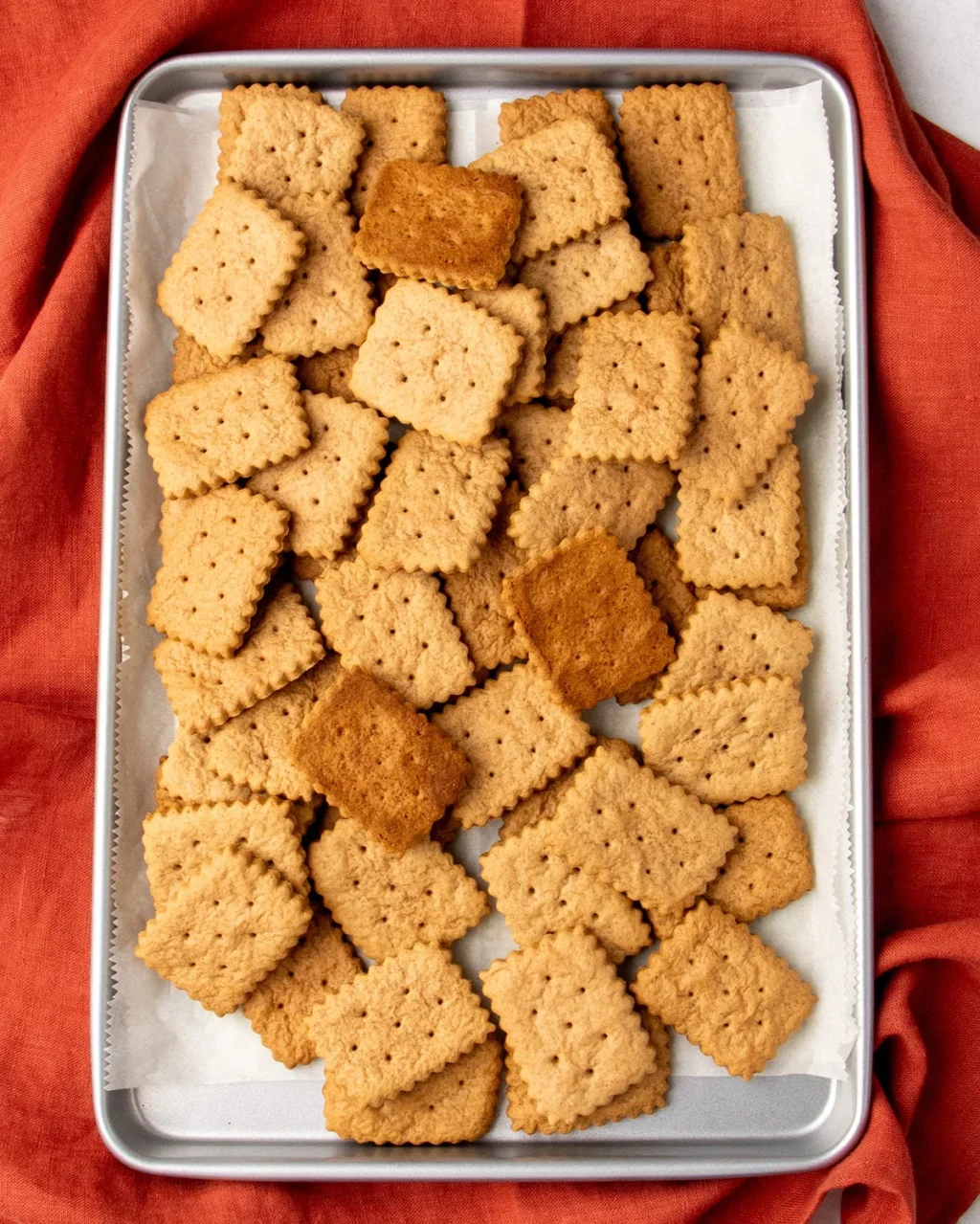
For those who navigate the world of gluten-free living, the longing for specific, nostalgic flavors is a familiar companion. Perhaps no snack is more iconic in its absence than the Biscoff cookie—that thin, caramelized, spice-forward biscuit that has become synonymous with long-haul flights and cozy coffee breaks. While major brands have begun to expand their gluten-free offerings, the elusive, authentic Biscoff experience remains largely absent from supermarket shelves.
Fortunately, the art of the homemade biscuit has seen a resurgence. By utilizing a specific combination of caramelized sugars and warming spices, home bakers can now replicate this elusive treat. This guide explores the science, methodology, and cultural implications of recreating the world’s favorite spiced biscuit without the gluten.
Main Facts: The Science of the "Speculoos"
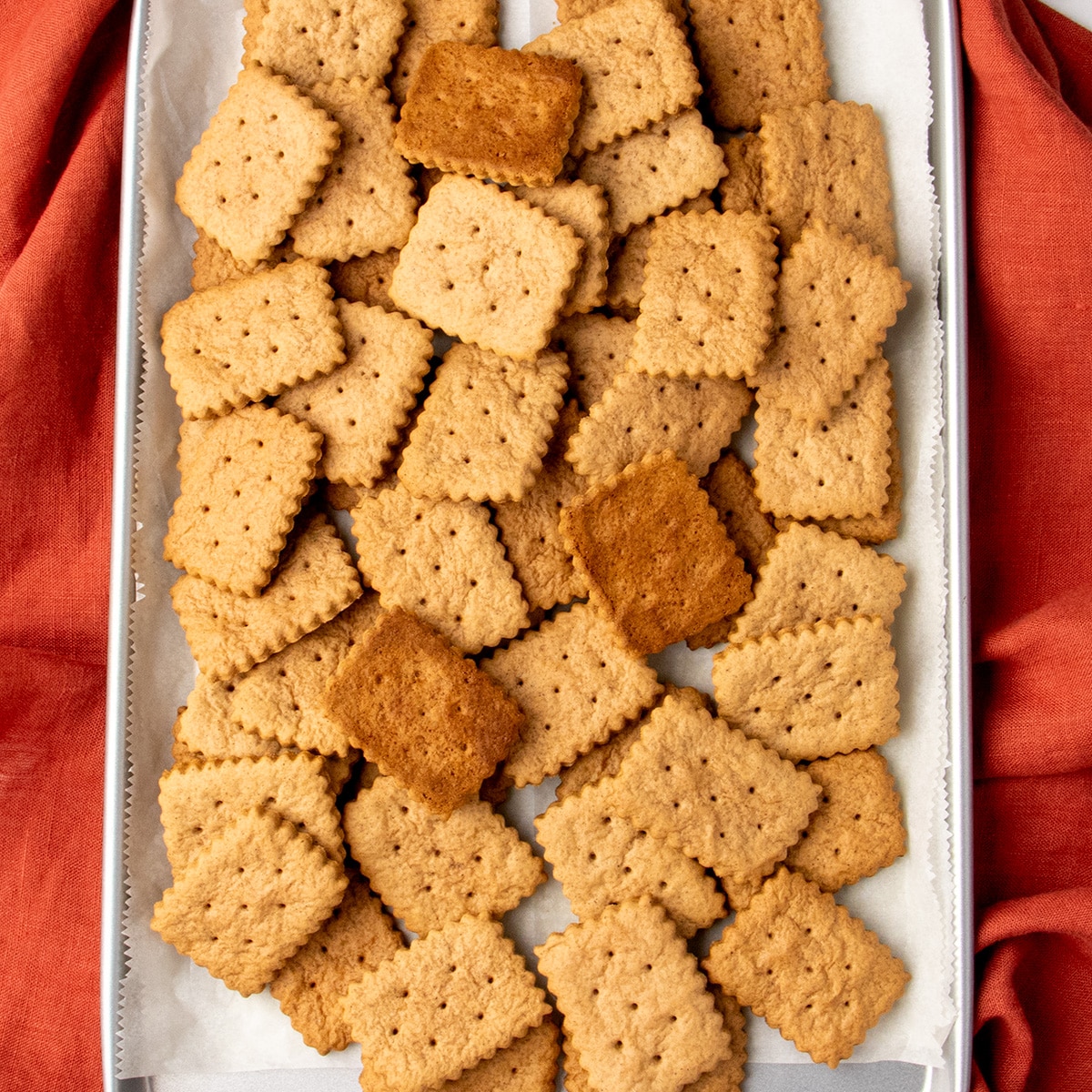
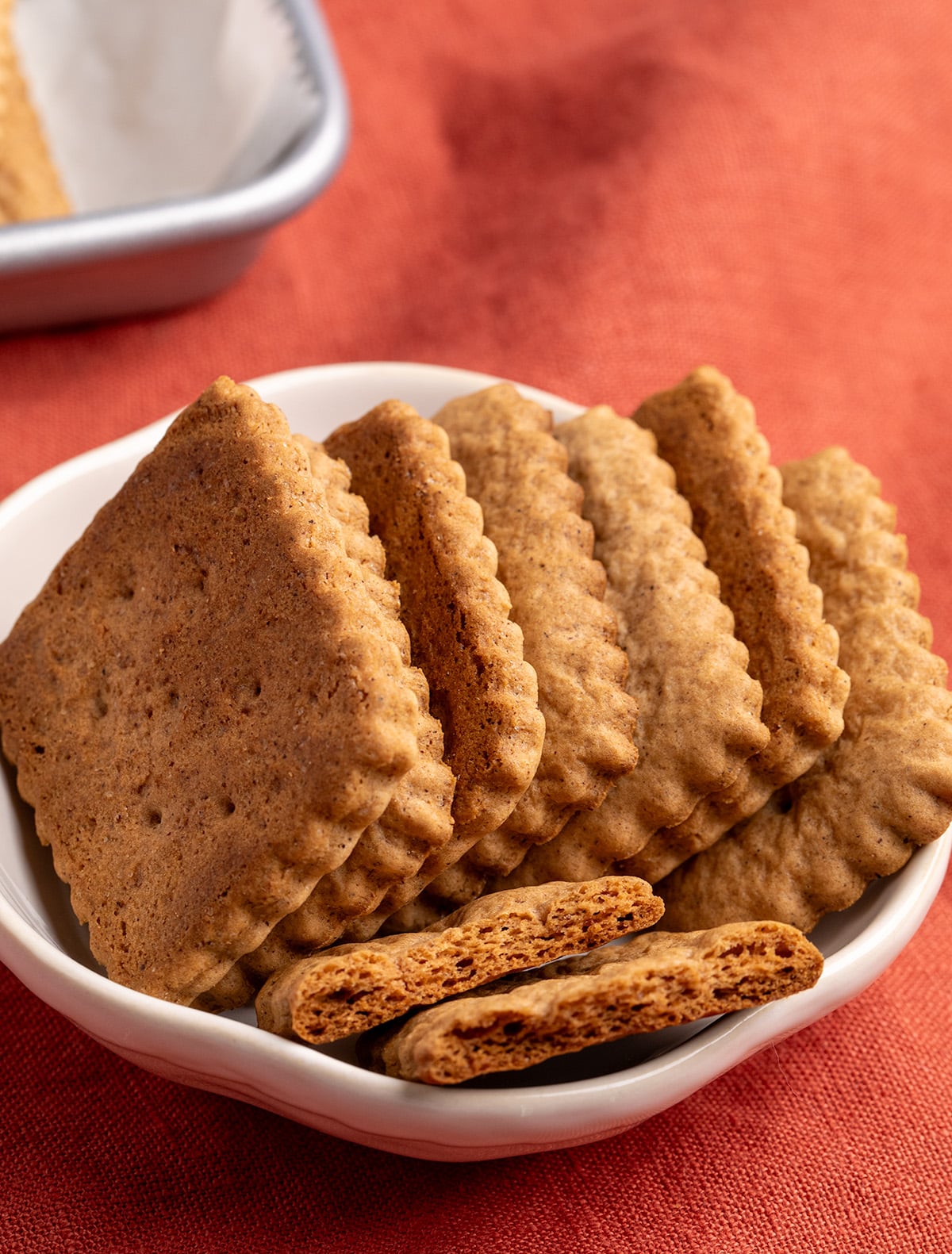
The classic Biscoff, or speculoos, is defined by three pillars: texture, color, and spice profile. Unlike a soft-baked American cookie, a Biscoff is characterized by a "snap"—a crisp, brittle texture that holds its own when dunked into hot coffee or tea.
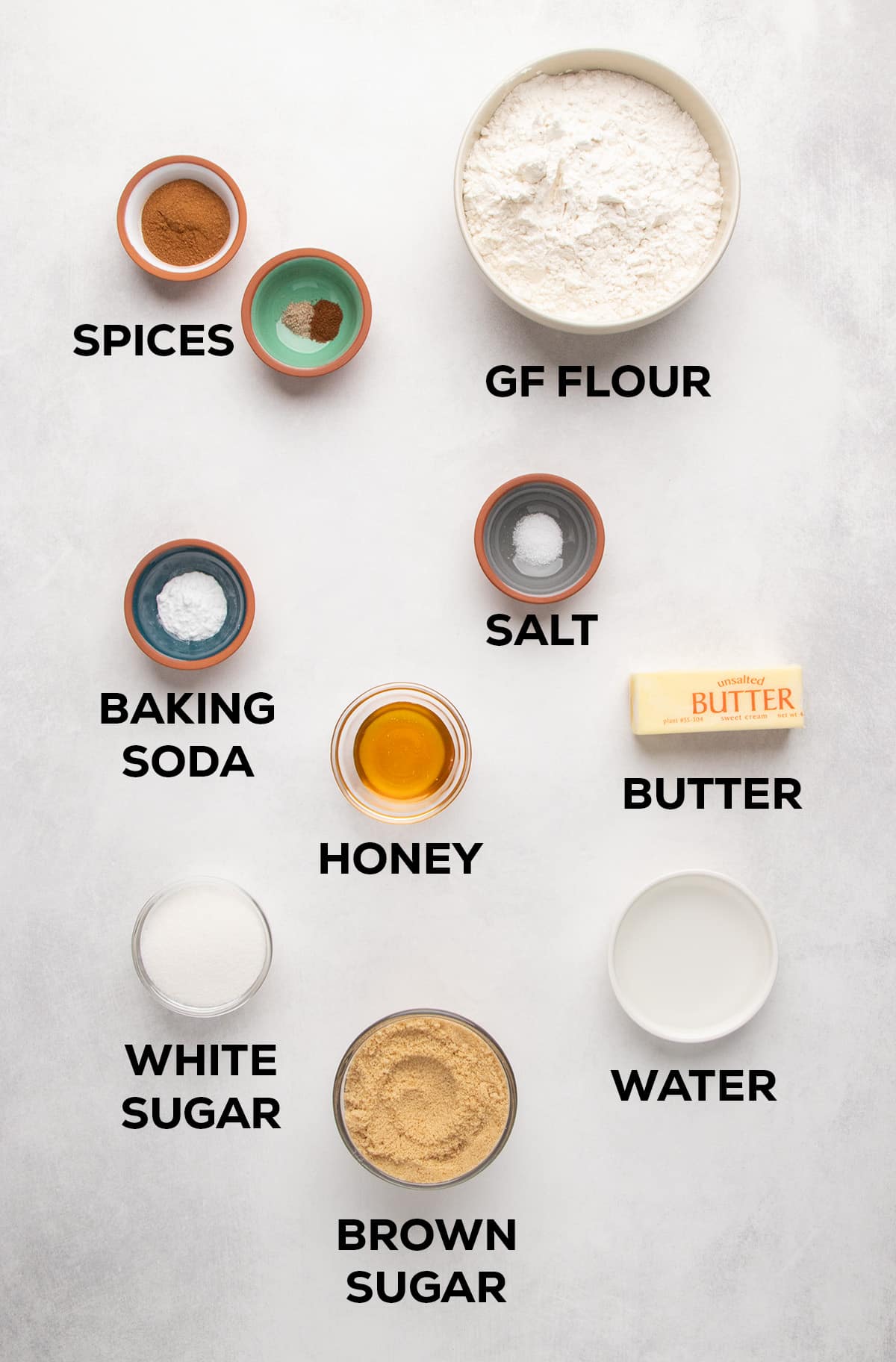
Achieving this without wheat flour requires a shift in how we approach dough. Gluten-free flour blends, when properly balanced with xanthan gum, mimic the structure of wheat, but the true secret to the Biscoff profile lies in the sugar chemistry. The interplay between brown sugar, white sugar, and honey creates a depth of flavor that mimics traditional caramelization. Without the need for eggs or complex leavening agents, this recipe relies on the physical manipulation of the dough to achieve its signature thinness and snap.
Chronology: The Evolution of the Recipe
The development of this recipe follows a structured culinary progression, designed to minimize waste and maximize consistency:
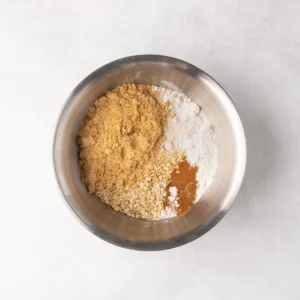
- The Foundation (Dry Phase): The process begins by whisking the gluten-free flour blend with the spice quartet: cinnamon, nutmeg, allspice, and cardamom. This is the stage where the "Biscoff DNA" is created.
- Incorporating Fat: By cubing the butter and working it into the flour by hand, the baker creates a sandy, uniform base. This technique is vital; it ensures that the fat is evenly distributed, which prevents the dough from becoming greasy or uneven during the bake.
- Hydration: The introduction of water and honey acts as the binder. Unlike traditional cookie doughs that rely on egg proteins, this dough is built on the hydration of the starch in the flour.
- The Roll-Out: Because this dough is essentially a shortbread variant, it does not require chilling. It is rolled to a precise 1/8-inch thickness, ensuring that the cookies bake through to a uniform, crisp state rather than remaining soft in the center.
- Shaping and Piercing: The final step before the oven is the manual application of small, decorative holes. This is not merely aesthetic; it is a structural necessity that allows steam to escape, preventing the cookies from puffing up and ensuring that satisfying, flat crunch.
Supporting Data: Nutrition and Scalability
For the health-conscious or those managing specific dietary requirements, understanding the composition of these cookies is essential. A single cookie—designed to be thin and crisp—contains approximately 37 kcal, with roughly 7 grams of carbohydrates and 1 gram of fat.
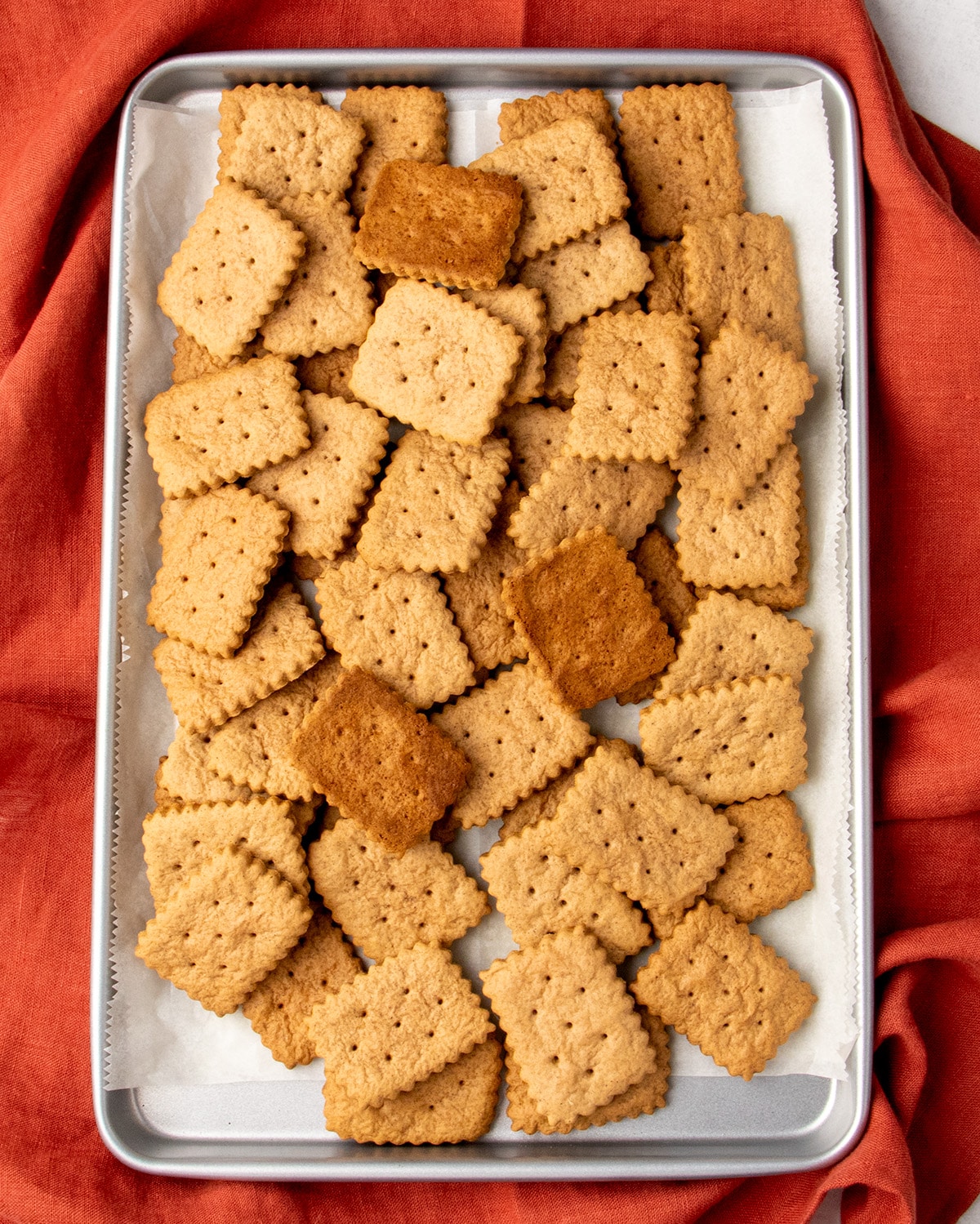
The recipe is highly scalable. A single batch produces approximately 72 cookies, making them an ideal candidate for batch baking or gifting. Because the dough is shelf-stable in its raw form (if properly sealed), it can be prepared in advance, though the best results are achieved when the dough is handled at room temperature and baked immediately.
Flour Blend Performance
The success of this recipe is contingent upon the quality of the gluten-free flour used. Not all blends are created equal. Expert testing suggests:
- Better Batter (Original): Provides the best structural integrity for thin-rolled doughs.
- Bob’s Red Mill 1-to-1: An excellent, accessible choice, provided that an additional 1/4 teaspoon of xanthan gum is added to ensure the cookie holds together during the rolling process.
- Homemade Blends: For those who prefer to customize their ratios, high-quality rice-based blends with a balanced starch profile (potato/tapioca) generally yield the most professional results.
Official Perspectives: The Philosophy of "Good, For Gluten-Free"
The culinary philosophy behind this recipe challenges the long-standing stigma that "gluten-free" is synonymous with "compromised." In the professional culinary space, the standard has shifted. The goal is no longer to make a product that is "good for gluten-free," but to make a product that stands on its own merits as a superior biscuit.
By stripping away the reliance on commercial pre-packaged stabilizers and focusing on raw, high-quality spices and fats, the baker regains control. This is the cornerstone of the "Gluten Free on a Shoestring" approach—an acknowledgment that the home kitchen is the most powerful laboratory for dietary inclusivity.
Implications: From Cookie to Spread
One of the most exciting implications of mastering this recipe is the secondary application: the homemade Biscoff spread. Once the cookies are baked and cooled, they can be transformed into a decadent, velvety spread.
The conversion process involves grinding the cookies into a fine crumb and emulsifying them with melted, non-hydrogenated vegetable shortening and a touch of brown sugar. The resulting spread, when allowed to set at room temperature, creates a product that mirrors the consistency and flavor of the store-bought varieties, but with the peace of mind that comes from knowing every ingredient.
Storage and Shelf-Life
The longevity of these cookies is a testament to their simple, low-moisture composition. When stored in an airtight, non-porous container—preferably glass—they maintain their signature crispness for up to two weeks.
- Avoid Plastic: While convenient, plastic containers are porous and will inevitably allow moisture to permeate the cookie, leading to a "stale" texture within days.
- Freezing: For those looking to store these for up to three months, freezing is a viable option. It is recommended to use tempered glass containers to minimize temperature fluctuations.
Final Reflections
Recreating a beloved classic like the Biscoff cookie is more than just a culinary project; it is an act of reclaiming food freedom. By following the precise, step-by-step methods outlined above, home bakers can ensure that their dietary restrictions do not necessitate a life without the simple, spiced joys of a perfectly crisp biscuit. Whether enjoyed alongside a morning espresso or transformed into a luxurious, creamy spread, these gluten-free cookies prove that the gap between "free-from" and "gourmet" is bridged entirely by technique, patience, and a few key ingredients.
As the gluten-free community continues to grow, so too does the repository of knowledge. Every batch of these cookies serves as a reminder that with the right approach, the most iconic flavors in the world are well within reach, right in the comfort of one’s own kitchen.