Beyond the Mophead: Rediscovering the Hidden Diversity of the Hydrangea Genus
The appreciation of the genus Hydrangea has always been subject to the rhythmic fluctuations of horticultural fashion. Like the cyclical nature of design trends or the shifting preferences in culinary palettes, the gardener’s relationship with this iconic genus is constantly evolving. For much of the late nineteenth and early twentieth centuries, French plant breeder Émile Mouillère captivated the gardening world with his focus on the bigleaf hydrangea (H. macrophylla, Zones 5–9). These shrubs became the quintessential "must-have" ingredient for any well-bred garden throughout the temperate zones of the Northern Hemisphere.
Following a period of quiet, specialized devotion among elite gardeners, the "mopheads" eventually surged into the mainstream, becoming a staple of suburban landscapes. This momentum was further bolstered by rigorous breeding programs focusing on native North American species, such as the oakleaf hydrangea (H. quercifolia, Zones 5–9) and the smooth hydrangea (H. arborescens, Zones 3–8). In recent years, the market has been flooded with an endless array of cultivars derived from the remarkably hardy panicle hydrangea (H. paniculata, Zones 3–9), a species originally hailing from eastern Asia.
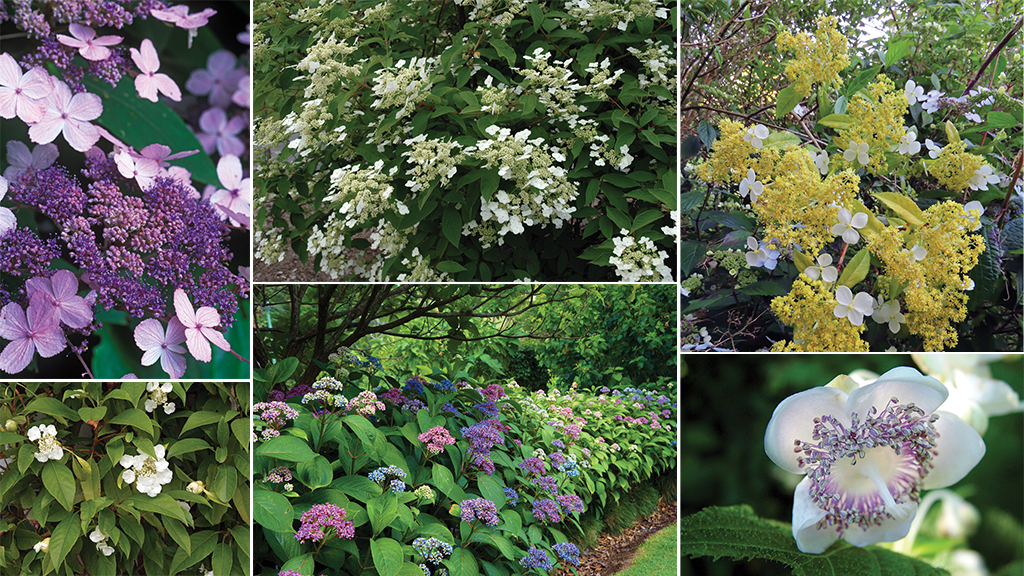
Yet, despite this widespread saturation of familiar types, a significant realization is only just beginning to take root in North American horticulture: the vast majority of the genus remains remarkably underappreciated. The genus Hydrangea has recently swelled to include approximately 80 species of herbaceous perennials, shrubs, and vines. Their lack of availability in mainstream nurseries is not due to propagation difficulties—indeed, they are generally straightforward to cultivate—but rather a collective lack of awareness regarding their existence. For the keen gardener, these lesser-known varieties offer unparalleled structural beauty and botanical intrigue.
A Chronology of Botanical Taxonomy and Evolution
To understand the current landscape of the Hydrangea genus, one must look back to the mid-eighteenth century. In the 1730s, long before the advent of genetic sequencing, Carl Linnaeus established the foundation for ordering the plant kingdom based solely on floral morphology. This early framework served science well for centuries, but modern molecular tools have allowed taxonomists to peer into the DNA of these plants, revealing a complex web of evolutionary relationships.
The taxonomic revisions currently underway are substantial. Traditionally, the Hydrangeaceae (Hydrangea family) was classified as a collection of nine distinct genera: Hydrangea, Broussaisia, Cardiandra, Decumaria, Deinanthe, Dichroa, Pileostegia, Platycrater, and Schizophragma. Under modern scrutiny, these have been consolidated into the single genus Hydrangea.
For the home gardener, this shift is more than just a change in Latin nomenclature. It provides a biological explanation for why many of these plants, once thought to be separate, share such striking similarities in form and function. It also highlights the potential for hybridity; because these species are more closely related than previously understood, the doors are open for innovative breeders to cross traditional species with plants that were formerly relegated to distant taxonomic corners of the family.
Medium and Large Hydrangeas: Providing Structural Presence
For those looking to anchor a garden design, certain species within this expanded genus provide powerful structural focal points.
The Villosa Group: Rough-leaved Hydrangeas
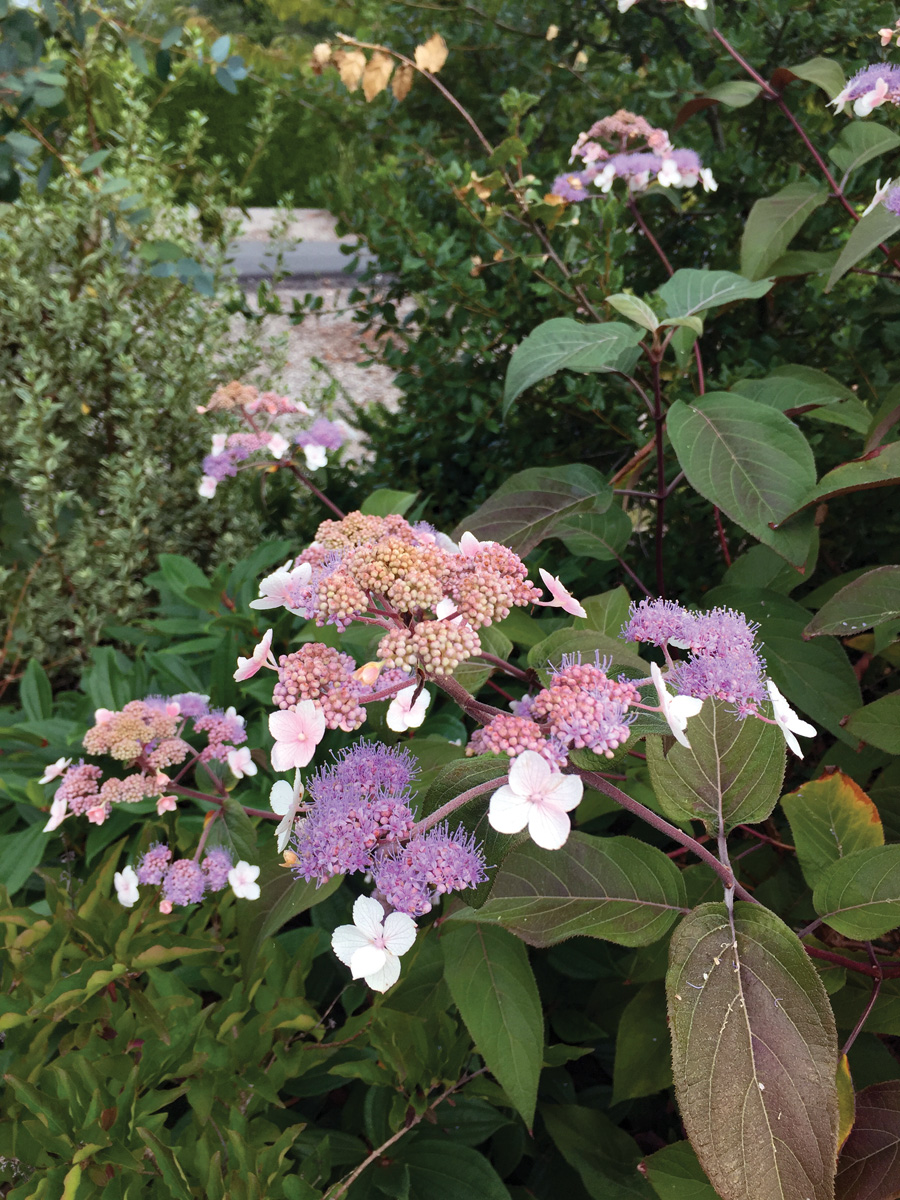
The rough-leaved hydrangeas (H. aspera subsp. villosa and its cultivars) are among the most exquisite members of the genus. Despite the common name—which might suggest a harsh, sandpaper-like texture—the foliage is actually soft and velvety, often appearing in large, linear forms.
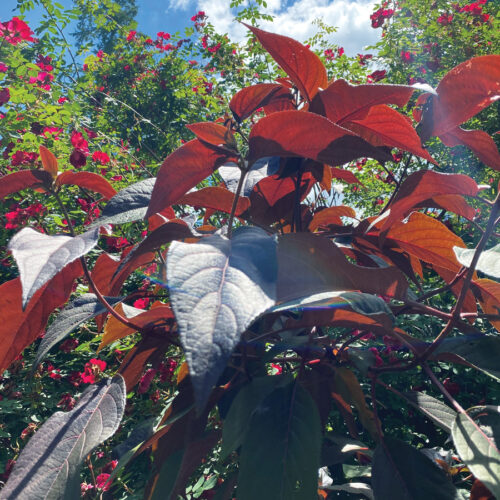
These plants are magnets for pollinators. In mid-to-late summer, they produce impressive bicolor blossoms: creamy white sterile sepals that frame a central disk of vibrant, fertile lavender-purple flowers. A standout among these is the cultivar ‘Plum Passion’ (H. aspera ‘Monpulsel’). Its foliage is a visual journey, emerging as a deep purple-green before maturing into a rich, chocolate brown with striking, raspberry-colored undersides. Similarly, ‘Sam McDonald’ is a high-performing selection, prized for its large purple sepals that create a dramatic contrast against darker fertile centers.
The Himalayan Tree Hydrangea (H. robusta)
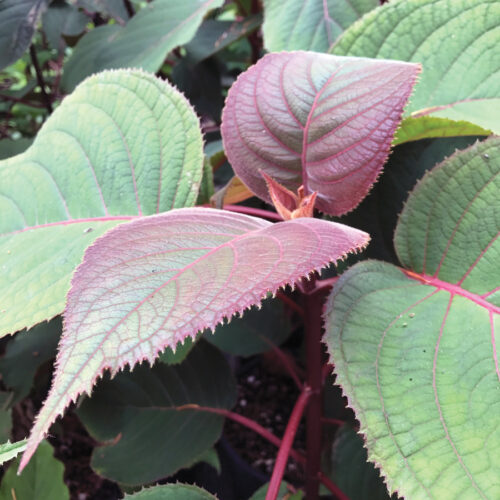
Often found at higher elevations in China and the Himalayas, H. robusta (syn. H. aspera subsp. robusta) represents the pinnacle of textural beauty. Its leaves are nothing short of monumental, often reaching one foot in length and eight inches in width. These leaves possess a lush, velveteen surface that makes the plant an essential addition for the texture-conscious gardener. While the foliage is the primary draw, the lacecap inflorescences—consisting of cream-to-white sterile florets surrounding purple fertile flowers—are undeniably showy.
The Climbing Habit: Mexican Climbing Hydrangea (H. seemannii)
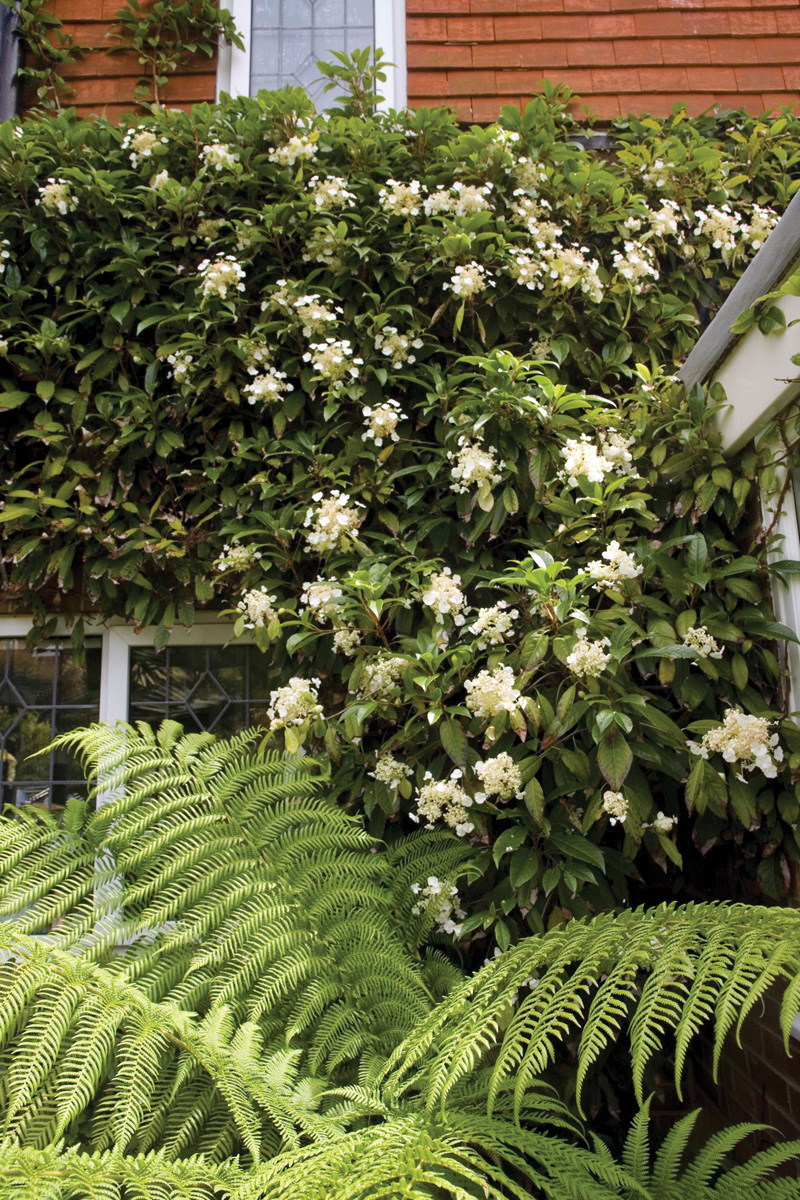
For gardeners wary of aggressive, tree-strangling vines like English ivy or Asian wisteria, the Mexican climbing hydrangea offers a sophisticated alternative. This evergreen vine is native to northern Mexico and is remarkably well-behaved. It attaches itself to a central trunk rather than growing laterally, allowing the host tree to maintain its photosynthetic capacity. Beyond its utility, it is aesthetically stunning, producing globular, drumstick-like buds that expand into elegant white lacecap flowers. Its dense growth also serves a vital ecological function, offering ideal nesting sites for birds.
Woolly Hydrangea (H. heteromalla)
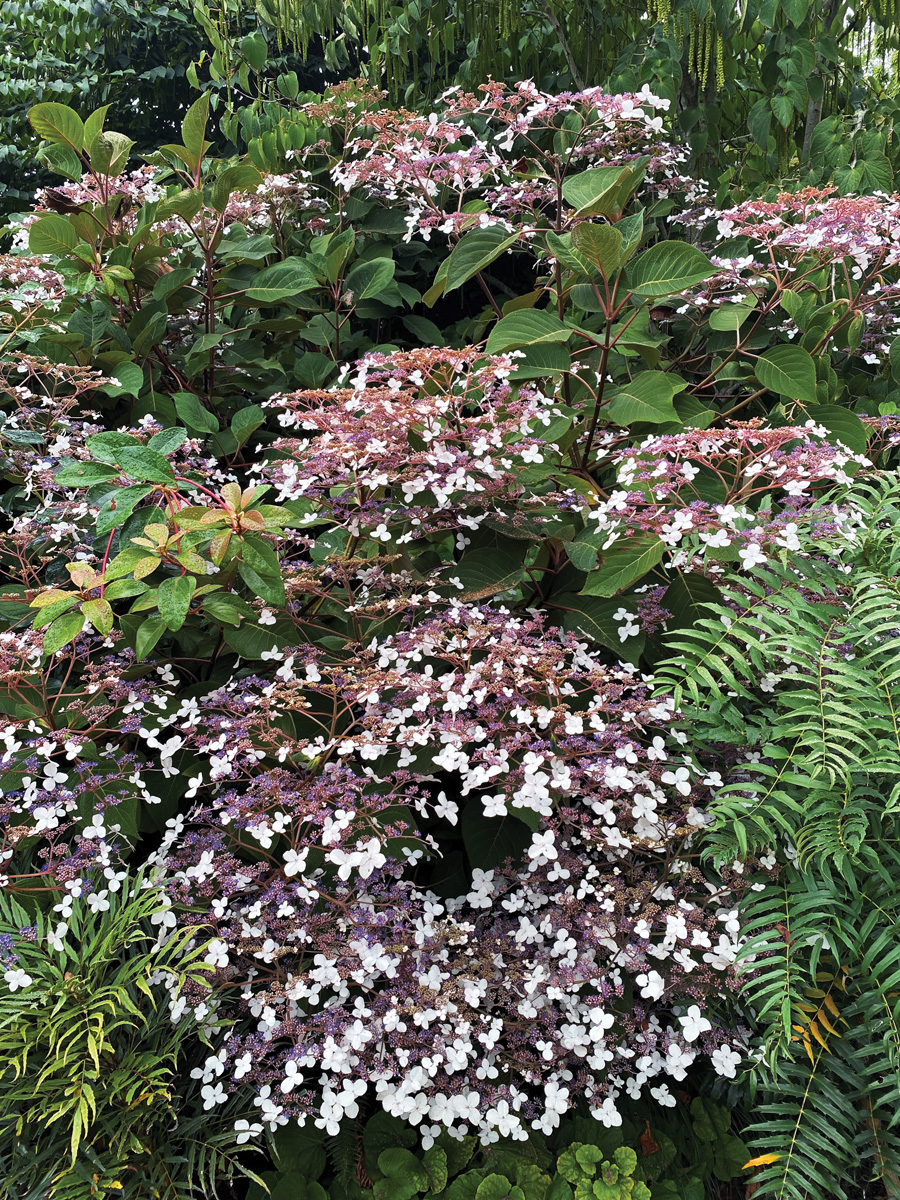
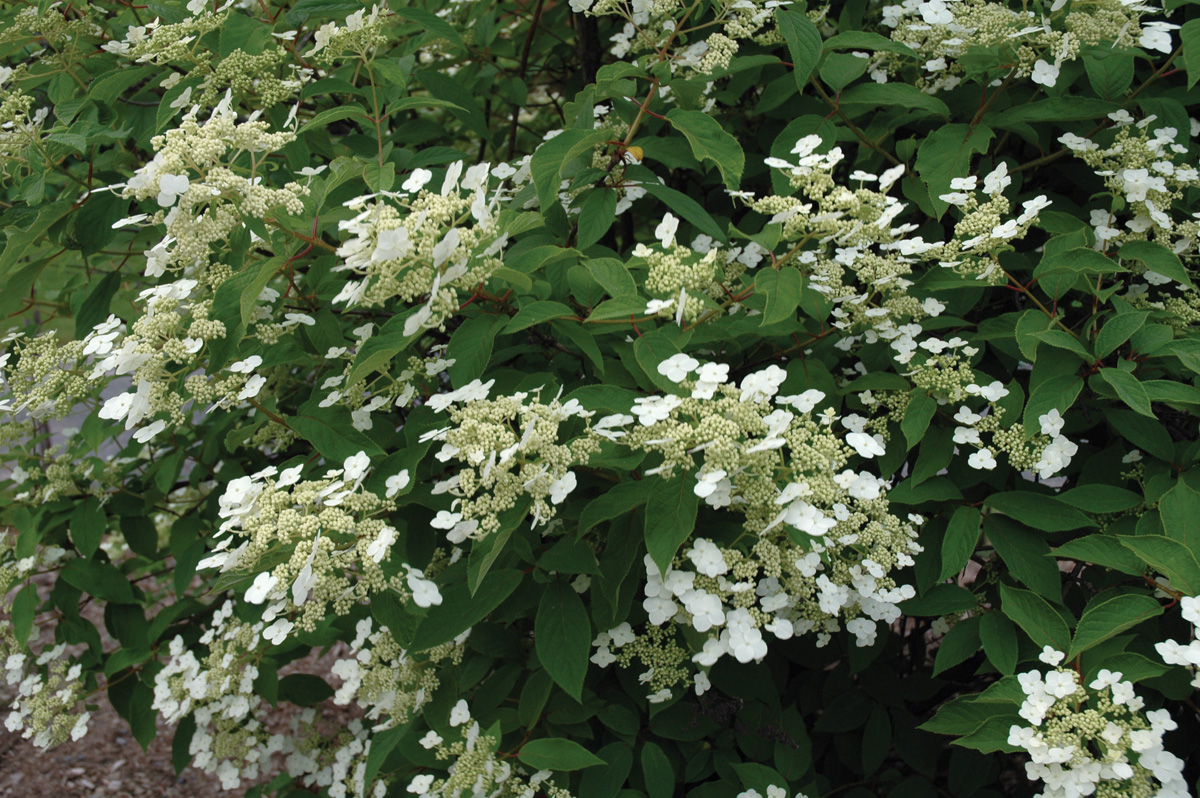
This species functions as a strapping small tree or a large, dominant shrub. Closely related to the panicle hydrangea, its leathery, textured leaves can grow nearly a foot long. Its floral display is unique, featuring white sterile florets that appear to tumble outward and downward from a large, central disk of fertile florets, which transition from white to pink and eventually to lavender.
Small Hydrangeas: Compact Gems for Tight Spaces
Not every garden has the room for a ten-foot tree. For tighter spaces, the genus offers several compact, high-impact options.
Yellow-vein Hydrangea (H. luteovenosa)
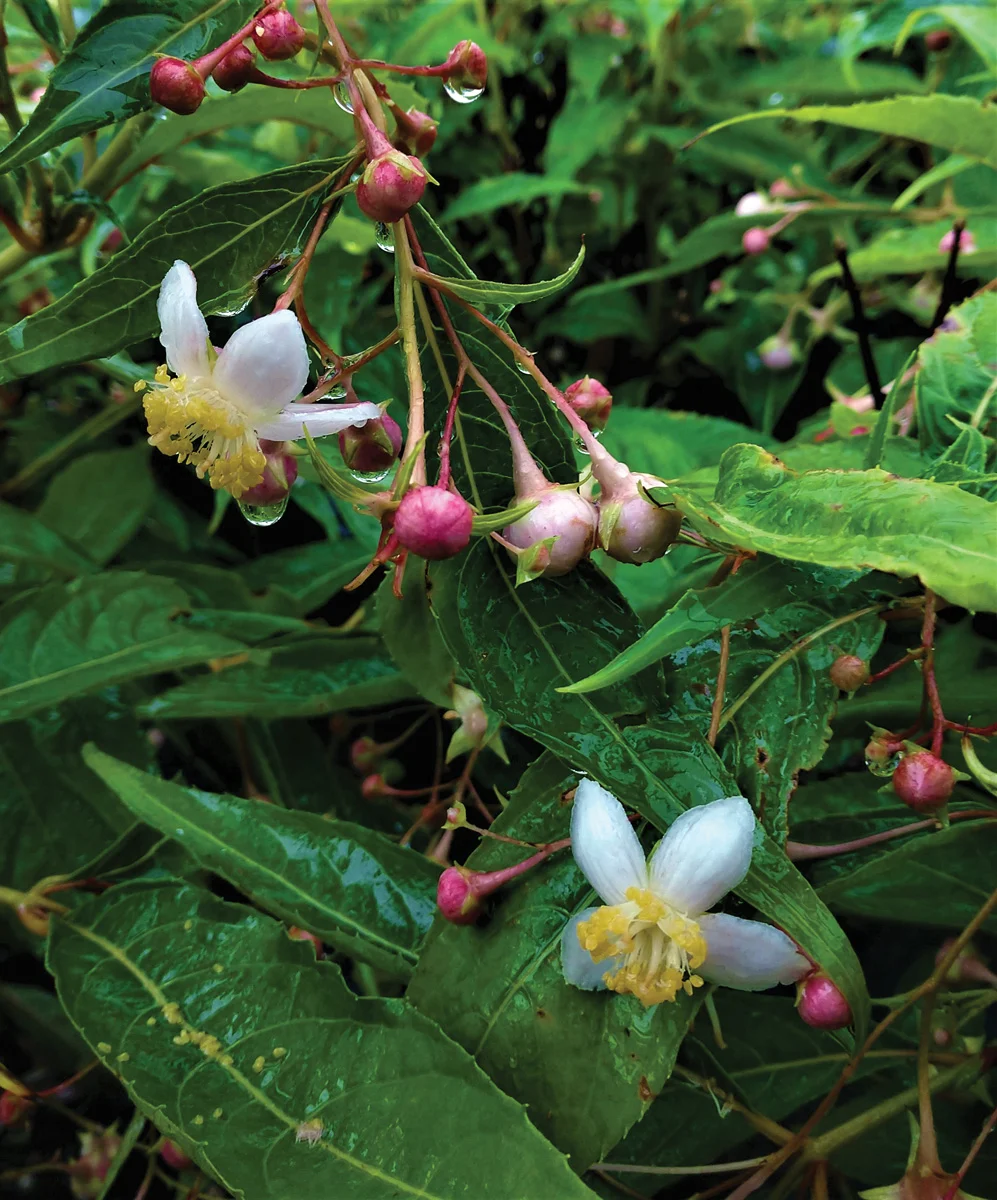
This modest shrub is an overlooked masterpiece, featuring deep purple, nearly black stems and early-blooming flowers. Unlike most hydrangeas, which bloom at the terminals of their branches, this species produces blossoms directly in the leaf axils. The cultivar ‘Fragrant Splash’ is particularly notable for its creamy white-marked leaves and a delightful, subtle fragrance that emerges in early spring.
Tea of Heaven (H. platyarguta)
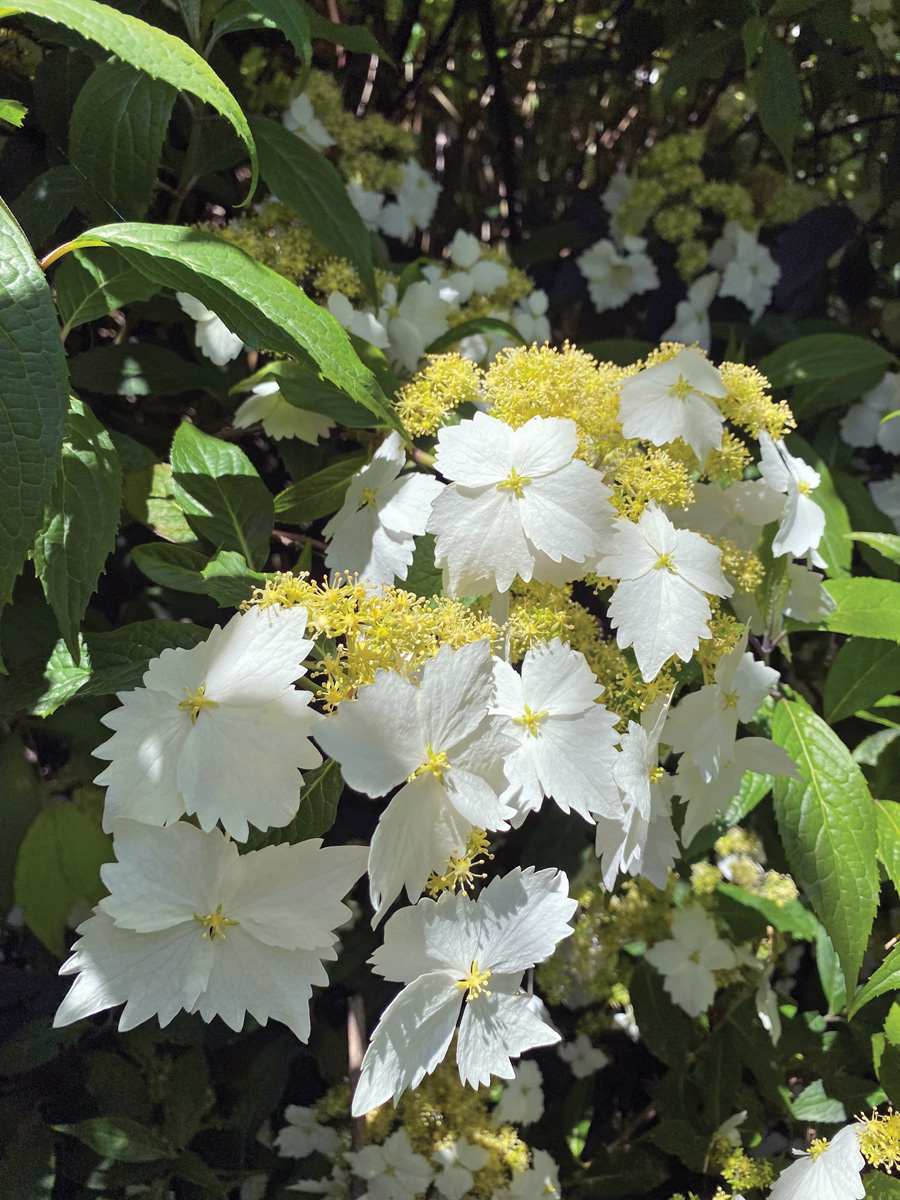
Often still sold under the older name Platycrater arguta, this species is a show-stopper. It features nodding, delicate blossoms that put on a consistent display of both fertile and sterile florets. In the autumn, the foliage transforms into a brilliant golden hue. ‘Rosea’ is a demure, small selection growing under two feet, while ‘Kaeda’ is a more robust, four-foot shrub with larger white flowers.
The Herbaceous Performers: Cardiandra and False Hydrangea
Two of the most fascinating members of the expanded genus are fully herbaceous—they disappear underground each autumn, only to re-emerge in spring.
- Cardiandra (H. alternifolia): This plant is a doppelganger for a lacecap hydrangea but exhibits a unique foliage arrangement where leaves are alternate rather than opposite. It brings a subtle, woodland elegance to the shade garden.
- False Hydrangea (H. bifida): Formerly classified as Deinanthe, this species produces stems carrying pairs of leaves with a distinctive, forked tip. In midsummer, it yields terminal clusters of waxy, white nodding flowers. The cultivar ‘Pink Kii’ offers a charming pink-tinged variation that is highly sought after by collectors.
Implications for the Future of Gardening
The shift in how we view the Hydrangea genus—moving from a fragmented list of names to a unified, vast group of 80 species—reflects a broader trend in horticulture: the movement toward plant literacy. As gardeners become more educated about the origins, genetics, and ecological roles of their plants, they are less likely to rely on the "big box" nursery staples and more likely to seek out species that offer genuine interest throughout the seasons.
The implications for the industry are clear. As demand for these "lesser-known" hydrangeas grows, nurseries will need to diversify their offerings. The ease of propagation for these species suggests that they are ripe for wider distribution. For the consumer, this means an opportunity to curate a garden that is not only more resilient and structurally diverse but also reflective of the true, expansive nature of one of the world’s most beloved plant families.
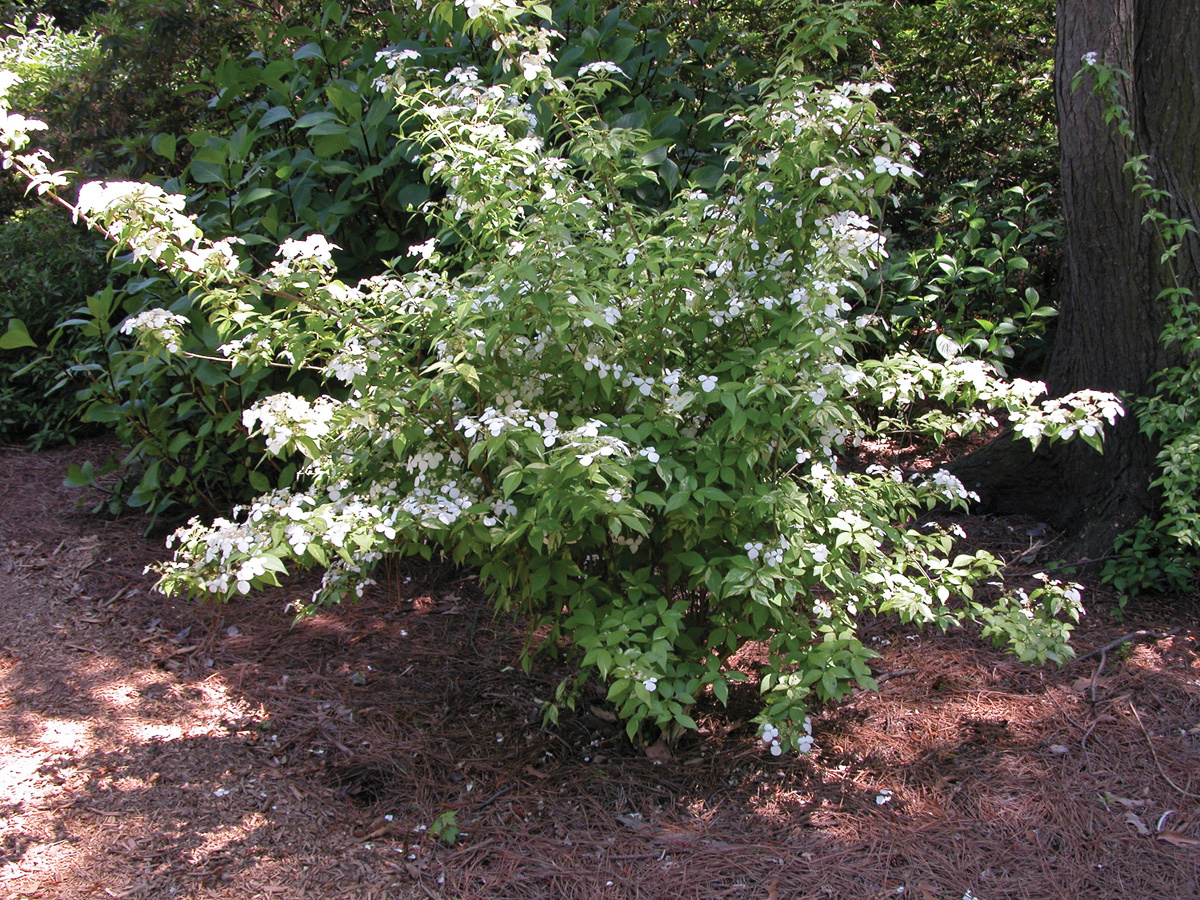
Summary of Key Data
| Species Name | Native Range | Typical Size | Light Preference |
|---|---|---|---|
| H. aspera (Rough-leaved) | Himalayas/China | 5–12 ft | Partial Shade |
| H. robusta (Himalayan) | Himalayas/China | 10 ft | Partial Shade |
| H. seemannii (Mexican) | Mexico | 30–50 ft | Partial Shade |
| H. heteromalla (Woolly) | Bhutan/China/India | 20 ft | Partial Shade |
| H. luteovenosa (Yellow-vein) | Japan/South Korea | 3.5 ft | Partial Shade |
| H. bifida (False) | China/Japan | 1.5 ft | Shade |
By moving beyond the traditional mophead and embracing the full diversity of the genus Hydrangea, gardeners can transform their landscapes into living laboratories of botanical history and aesthetic innovation. Whether you are looking for the architectural presence of H. robusta or the intimate charm of H. bifida, the future of the garden is undeniably, and beautifully, broad.