The Science of Perfection: How to Master Gluten-Free, Dairy-Free Chocolate Chip Cookies
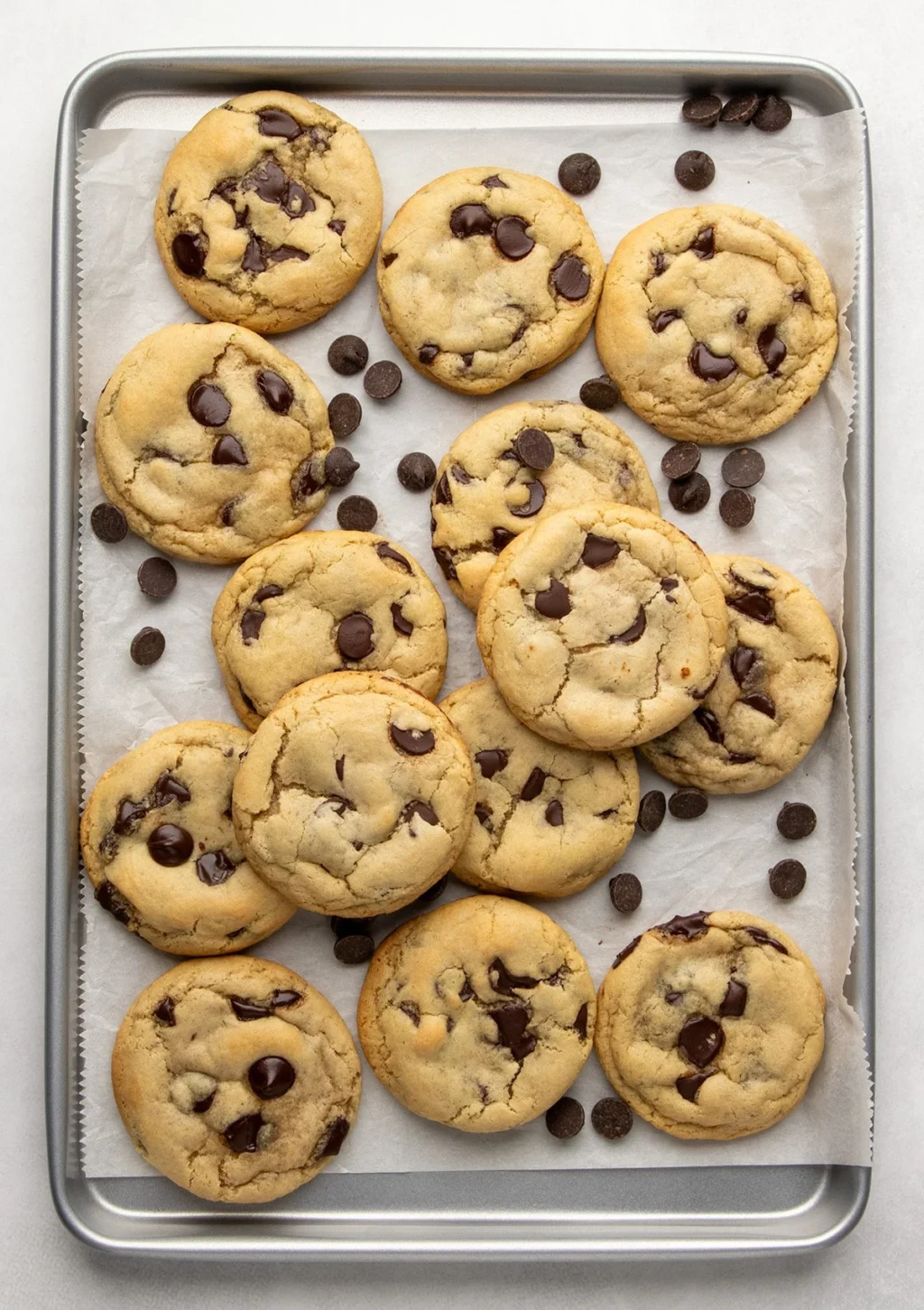
For many home bakers, the quest for the "perfect" chocolate chip cookie is a lifelong endeavor. When dietary restrictions such as gluten intolerance or dairy allergies enter the equation, that quest often turns into a frustrating cycle of flat, greasy, or crumbly results. However, a new approach from culinary expert Nicole Hunn of Gluten Free on a Shoestring is changing the narrative, proving that specialized cookies don’t have to compromise on the classic "thick-and-chewy" texture that defines the gold standard of baking.
Main Facts: Redefining the Dairy-Free Standard
The core problem with most gluten-free and dairy-free (GF/DF) cookie recipes is that they rely on standard baking techniques designed for traditional wheat flour and butter. When one simply swaps these ingredients, the chemistry fails. Traditional dairy butter provides a specific structure and melting point that vegan alternatives—which often have higher water content and lower melting points—cannot replicate without modification.

Hunn’s methodology centers on three pillars: using cold, block-style vegan butter; incorporating almond flour for structural integrity; and abandoning the traditional "creaming" method (beating sugar and butter together) in favor of a "cutting-in" technique typically reserved for pie crusts or biscuits. This prevents the dough from becoming a greasy, unstable mess, ensuring the cookies maintain their shape in the oven rather than spreading into thin, brittle puddles.
Chronology: The Evolution of the Recipe
The development of this recipe follows a deliberate, scientific progression designed to mitigate the inherent weaknesses of gluten-free and vegan ingredients.
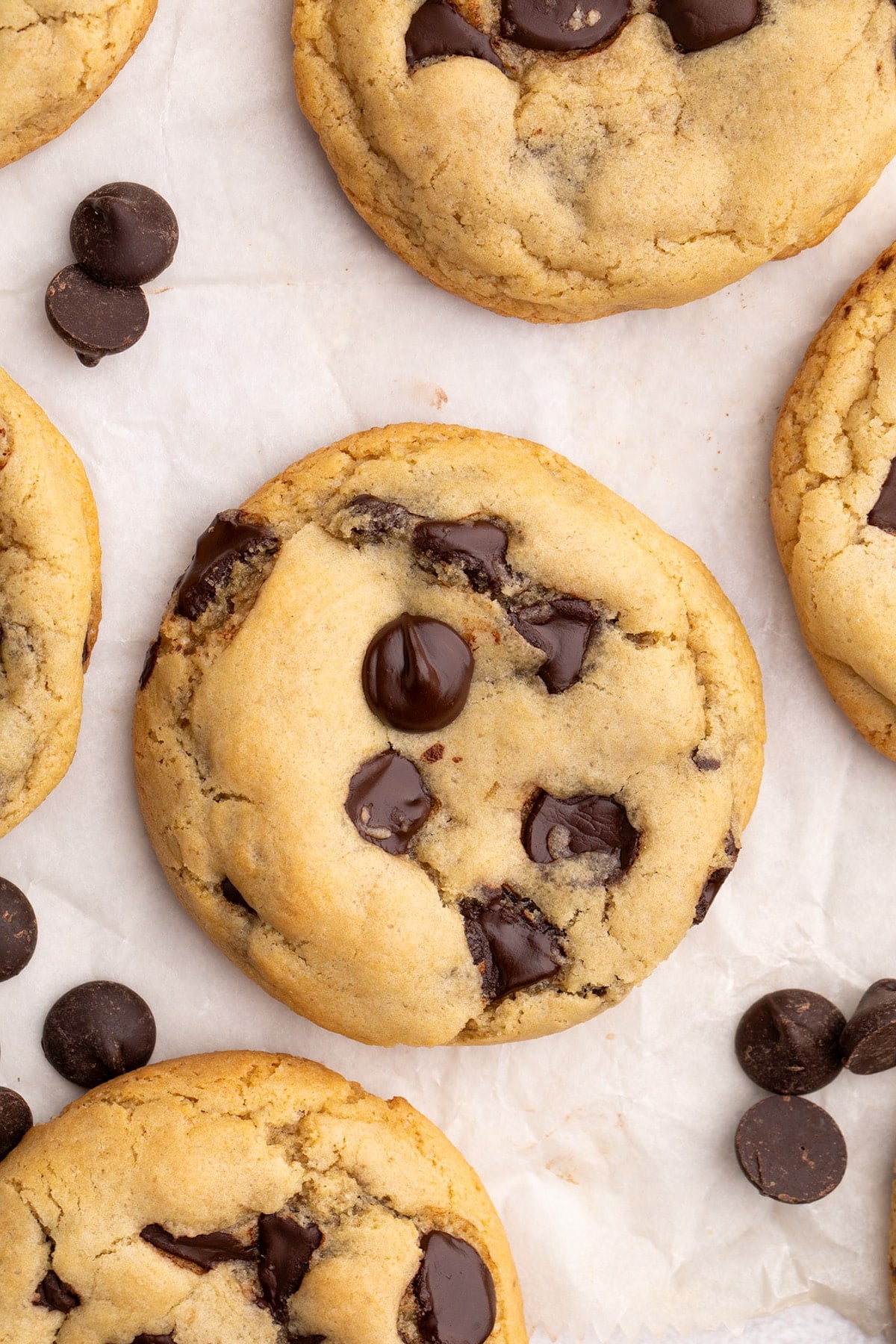
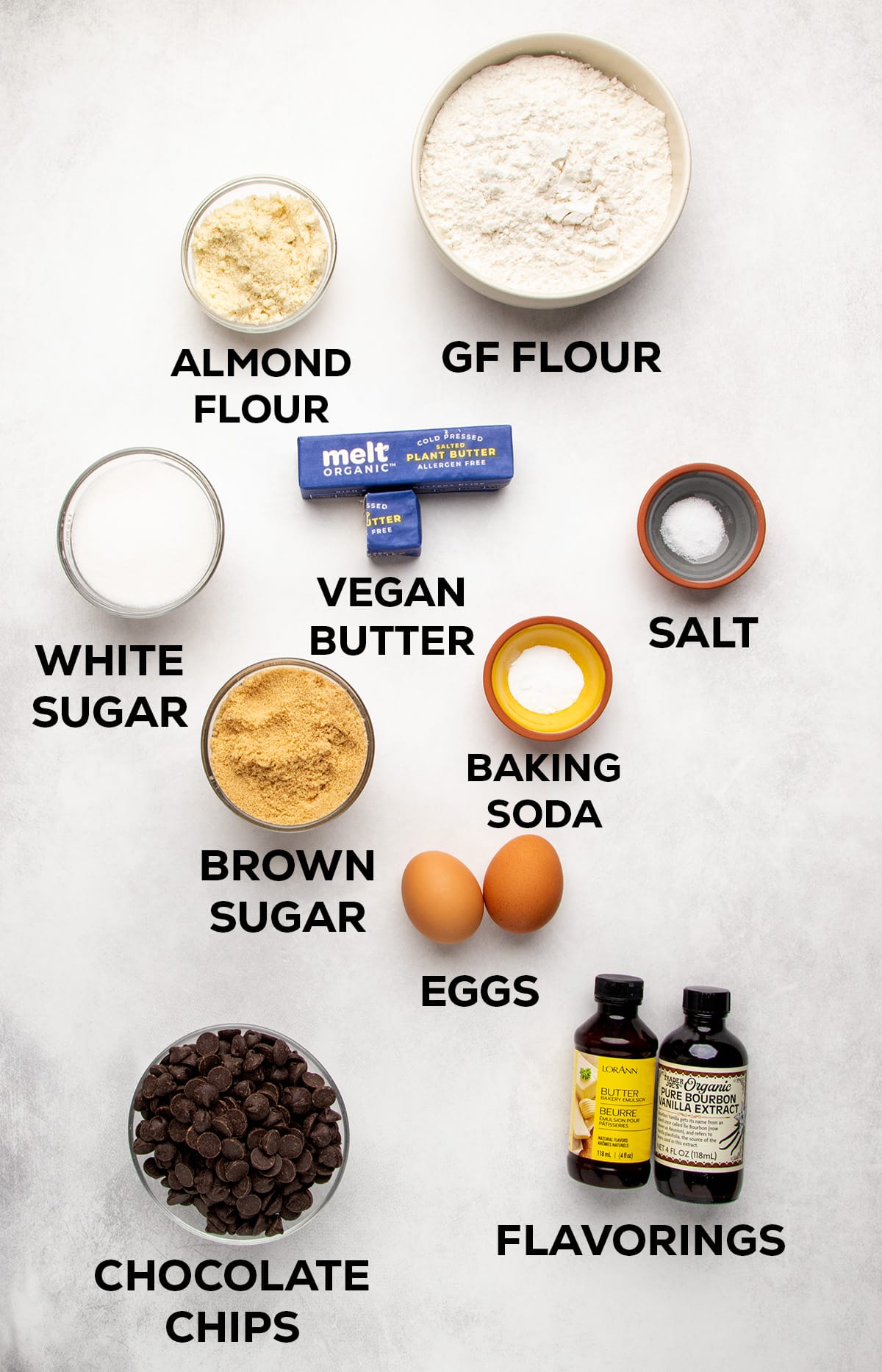
- Dry Integration: The process begins by whisking the gluten-free flour blend—specifically one containing xanthan gum—with almond flour, sugars, baking soda, and salt. The almond flour is the secret weapon here, providing natural moisture and a superior golden-brown color that gluten-free flours often struggle to achieve on their own.
- The "Cut-In" Phase: Instead of creaming the butter, cold, cubed vegan butter is cut into the dry ingredients. This step is crucial. By keeping the butter cold and distributing it in small, solid pockets, the baker ensures that the fat doesn’t emulsify prematurely, which would otherwise lead to an overly greasy texture.
- Binding and Flavoring: Once the butter is incorporated, wet ingredients like beaten eggs and a touch of butter bakery emulsion are added. The key is to mix only until the dough is cohesive. Over-mixing at this stage can introduce unwanted heat, which compromises the integrity of the cold butter.
- The Chill Factor: After adding the chocolate chips and portioning the dough into two-ounce spheres, the dough is chilled. This brief period of rest allows the fats to solidify further and the flour to hydrate, which is essential for achieving a thick, bakery-style rise.
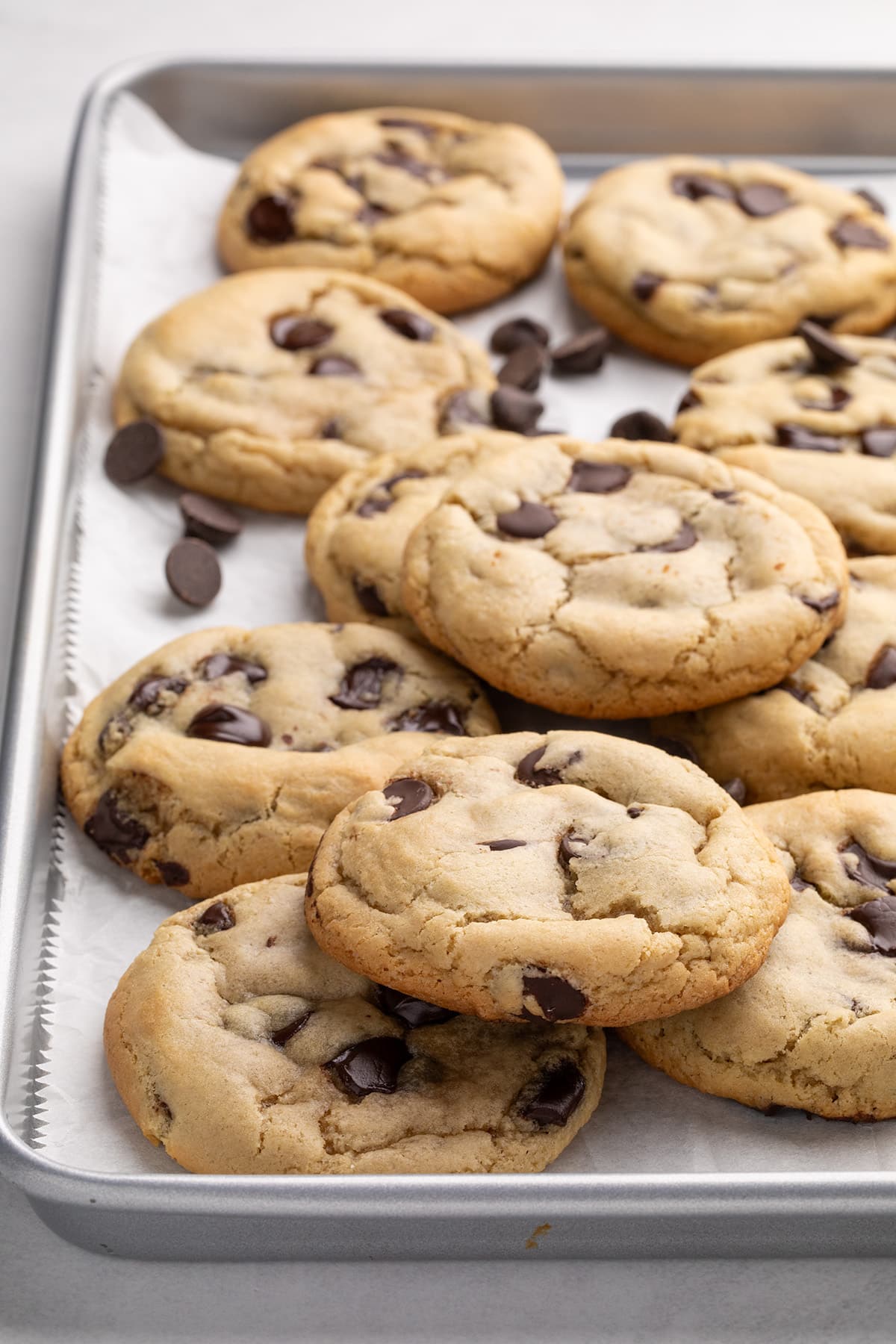
- Precision Baking: The cookies are baked at 350°F. The most important temporal element here is the removal time: the cookies are pulled from the oven when they appear slightly wet in the center. Because the dough continues to cook on the hot baking sheet for several minutes post-oven, this "undercooking" prevents the final product from drying out.
Supporting Data: Why the Chemistry Works
The success of this recipe is supported by the physical properties of its components. Block-style vegan butter is significantly more stable than its tub-based, spreadable counterparts. Tub-based margarines are often formulated with high water content, which turns into steam too rapidly in the oven, causing the cookies to spread thin.
Furthermore, the inclusion of almond flour introduces healthy fats and a protein structure that mimics the elasticity lost when gluten is removed. The nutritional profile reflects a high-quality treat, with approximately 264 calories per serving. While the recipe is an indulgence, the use of almond flour adds a slight boost in fiber and protein, moving the needle away from "empty calories" toward a more balanced, satisfying snack.
Expert Analysis: Addressing Common Failures
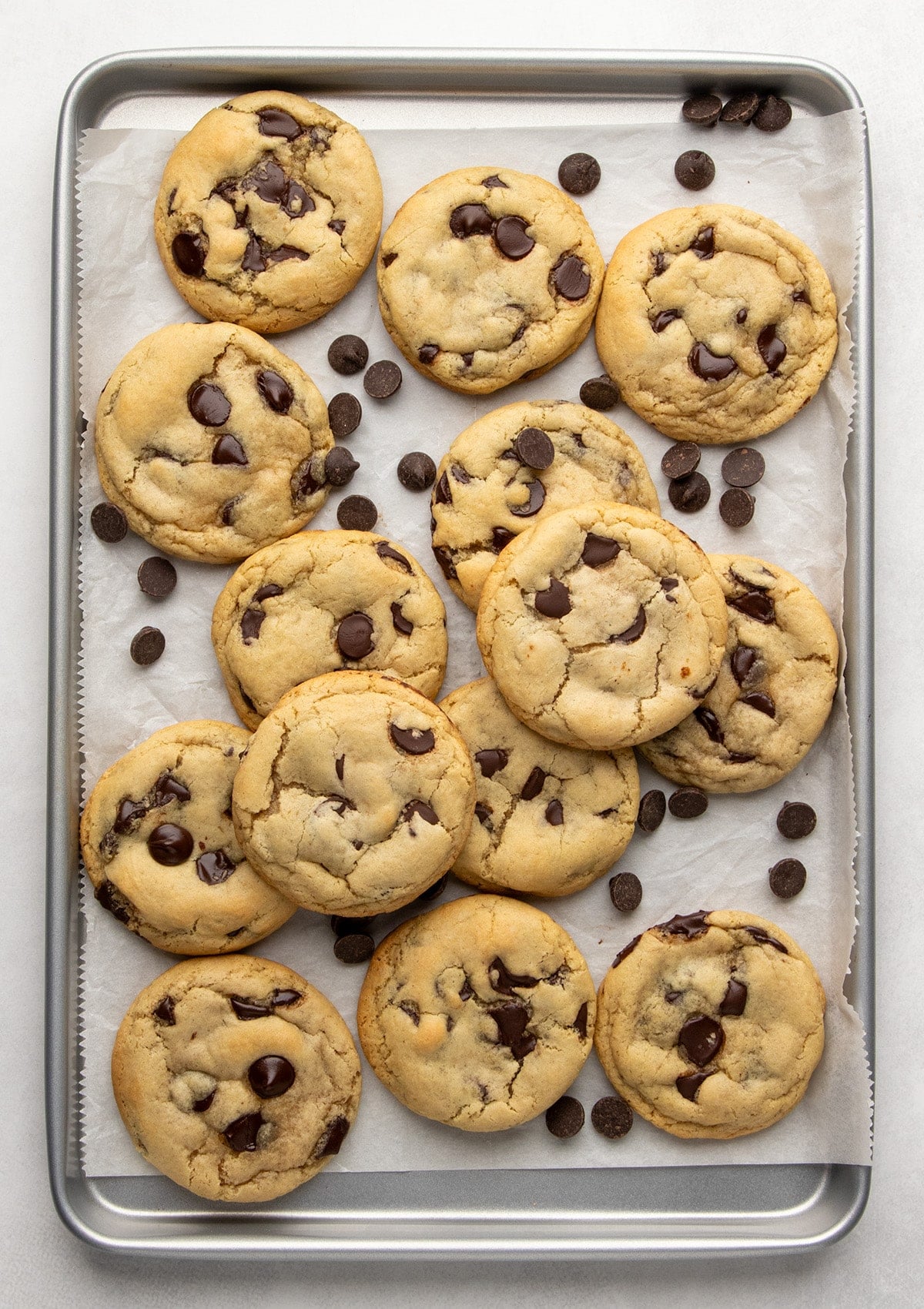
When asked why typical recipes fail, Hunn points to the "cold surface" trap. Many bakers make the mistake of placing chilled dough onto a cold baking sheet and then sliding it directly into the oven. This creates a thermal shock that forces the oven to work harder, causing temperature spikes that result in uneven baking. By using a room-temperature baking sheet, the cookies bake consistently from edge to center.
Another critical insight is the selection of the flour blend. A well-balanced blend is non-negotiable. For those who do not use pre-mixed brands like Better Batter or Bob’s Red Mill, Hunn suggests that the quality of the starch-to-grain ratio in a homemade blend can dictate the difference between a cookie that holds its own and one that falls apart.
Implications for Dietary Inclusion
The implications of this recipe extend beyond a single afternoon of baking. For families managing celiac disease or severe dairy allergies, the ability to produce a "normal" cookie is a significant milestone in culinary inclusion. Historically, "good for gluten-free" was the highest praise a recipe could hope for. By focusing on ingredient chemistry rather than just substitution, this recipe bridges the gap between dietary-restricted baking and the mainstream culinary experience.
Troubleshooting and Variations
For those looking to push the boundaries of this recipe, several modifications are possible:
- Egg-Free Options: For vegan purists, replacing eggs with a "chia egg" or a commercial liquid egg substitute like JustEgg is possible. However, the structural density may vary slightly compared to the standard version.
- Nut-Free Modifications: While almond flour is vital for the texture, those with tree nut allergies can substitute with finely ground, sifted oat flour. Note that this may result in a slightly less golden color, but the structural integrity remains largely intact.
- Storage Logic: The recipe emphasizes that raw dough portions can be frozen for up to three months. This provides a "bake-on-demand" solution for households that want to avoid the temptation of having two dozen fresh cookies sitting on the counter at once.
Conclusion: A New Standard
The modern home kitchen is increasingly becoming a laboratory, and the demand for inclusive, high-quality recipes has never been higher. By applying the principles of fat-to-flour ratios, cold-chain management, and thermal awareness, the barrier to entry for delicious, gluten-free, and dairy-free baking is effectively dismantled. Whether you are baking for medical necessity or simply exploring new textures, these cookies serve as a reminder that with the right technique, restriction does not have to mean sacrifice.