The Art of the Unfolding Landscape: A Journey Through De Theetuin
Some gardens command your attention with a singular, sweeping vista—a grand landscape designed to be absorbed in a single glance. Others, however, possess a more subtle, secretive temperament. They are gardens that refuse to give up their secrets all at once, preferring instead to whisper them to you as you walk their winding paths. De Theetuin in Weesp, the Netherlands, is a quintessential example of this latter philosophy: a masterclass in spatial choreography and the art of the garden room.
A Legacy of Surprise and Inspiration
Established in 1986, De Theetuin was conceived not merely as a collection of plants, but as a model garden designed to challenge, surprise, and inspire. The project was a collaborative triumph, brought to life by the visionary trio of Jacqueline van der Kloet, Stan Gall, and Niek Roozen.
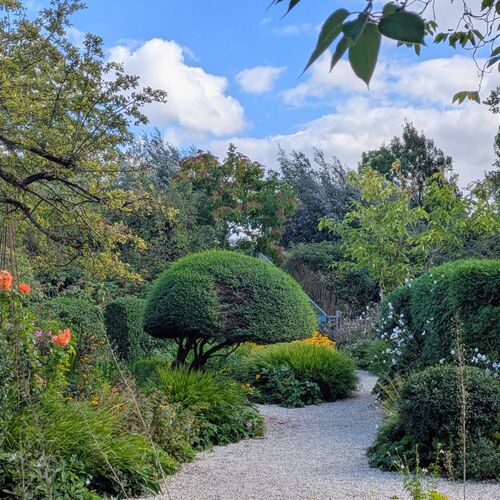
At the heart of the garden’s success is the masterful plant selection spearheaded by van der Kloet. Her design philosophy relies on a sophisticated tapestry of unusual perennials, bulbs, shrubs, and ornamental grasses. By carefully curating these elements, the design team ensured that the garden remains vibrant throughout the entire growing season, avoiding the "summer slump" that plagues many amateur borders. Each plant serves a specific purpose—be it structural, textural, or seasonal—creating a living, breathing composition that evolves from the first breath of spring until the cooling light of autumn.
The Architecture of Seclusion: The Role of Hedges
To understand the magic of De Theetuin, one must first understand its skeleton. The designers utilized hedges not as mere borders, but as essential architectural tools. By strategically placing clipped hedges, they successfully limited the visitor’s line of sight, creating a series of "garden rooms" that demand exploration.
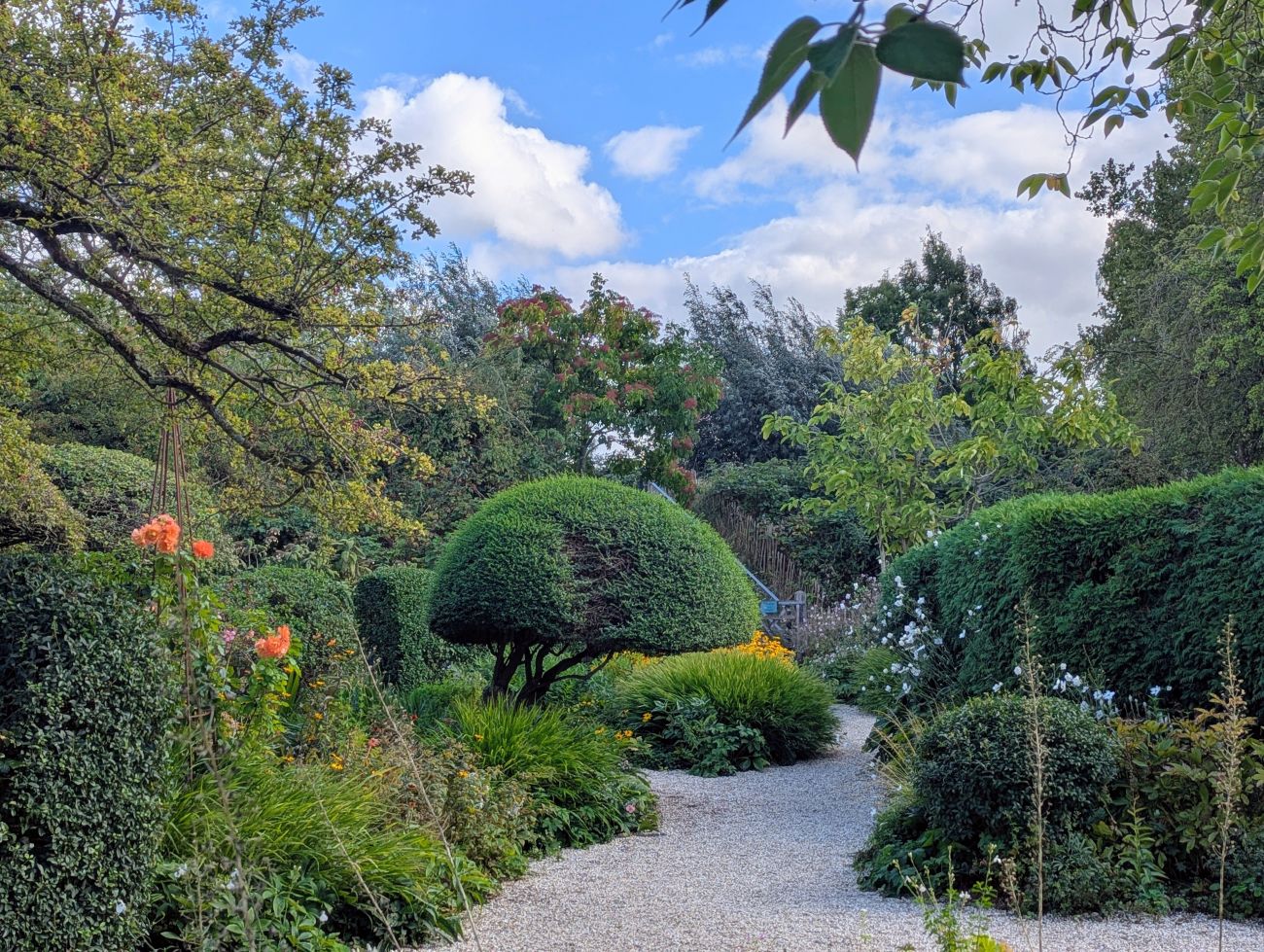
This approach transforms a walk through the garden into an unfolding narrative. One moment you are sheltered in a narrow, verdant corridor; the next, the path opens up into a sun-drenched, expansive border. This constant oscillation between compression and release keeps the visitor perpetually engaged. It encourages a slower pace, forcing a natural pause to appreciate the details of a specific vignette before moving on to the next discovery.
A Sanctuary at the Center
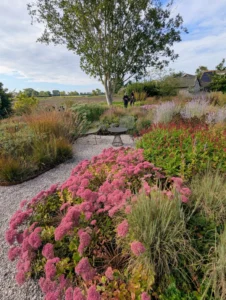
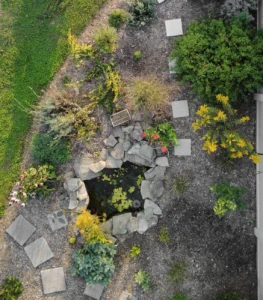
If the paths provide the momentum of the garden, the central pond acts as its anchor. At the heart of De Theetuin lies an elegant, oval, brick-edged pond, surrounded by towering arborvitae (Thuja cvs.). This space is widely regarded as the garden’s primary sanctuary—a place of quietude and reflection.
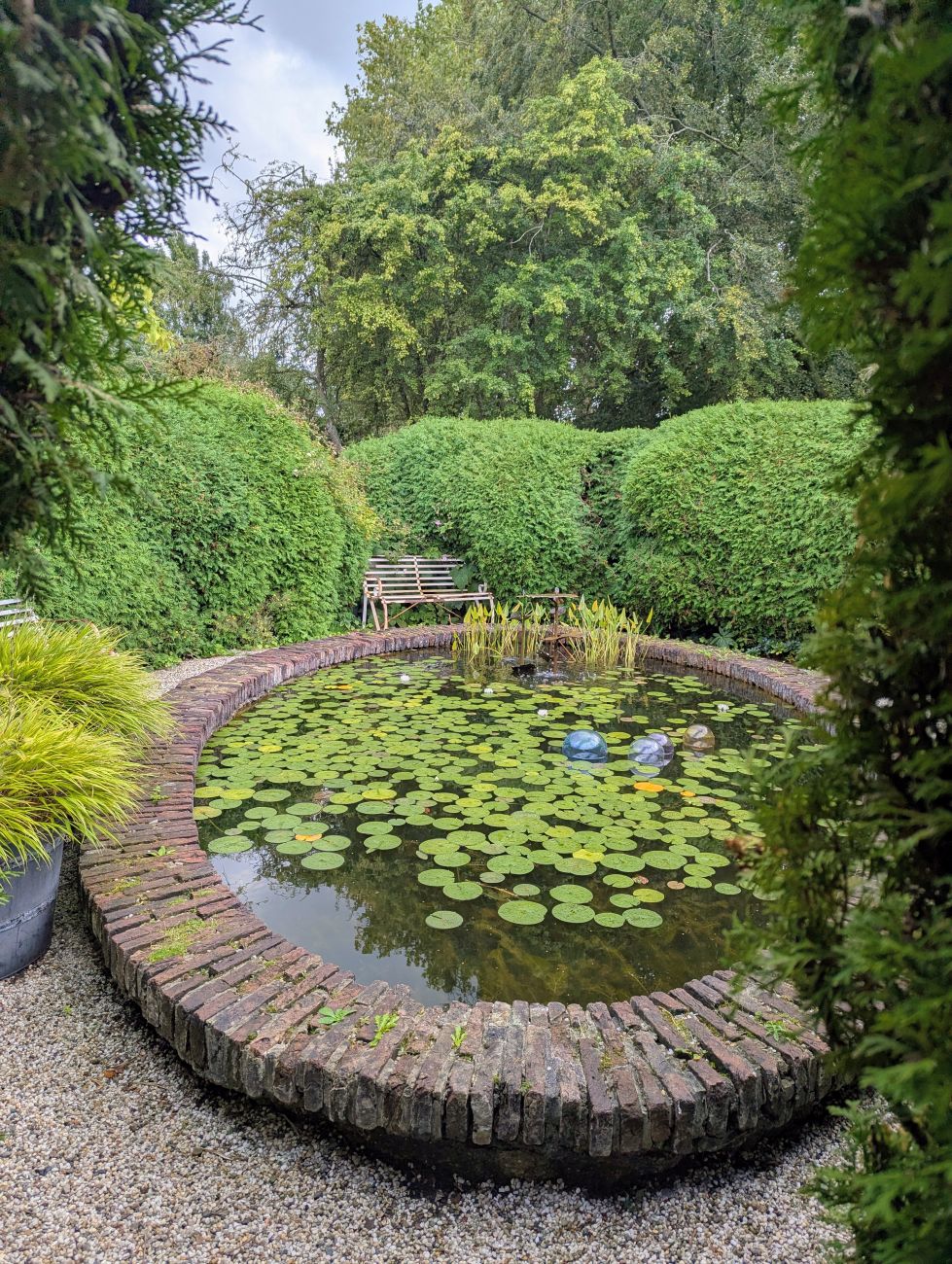
The choice of Thuja is significant; its dense, evergreen foliage creates a wall of privacy that detaches the pond area from the rest of the garden’s bustle. The reflective surface of the water, framed by the rigid geometry of the brickwork and the softness of the surrounding perennials, provides a central resting point that invites visitors to sit, breathe, and reset before continuing their journey through the landscape.
Seasonal Transitions: From Spring Bulbs to Autumn Blooms
While the garden’s structure is timeless, its personality is defined by its seasonal dynamism. The spring display at De Theetuin is legendary, featuring thousands of bulbs woven intricately through the perennial beds. However, the designers were careful not to leave the later months wanting.
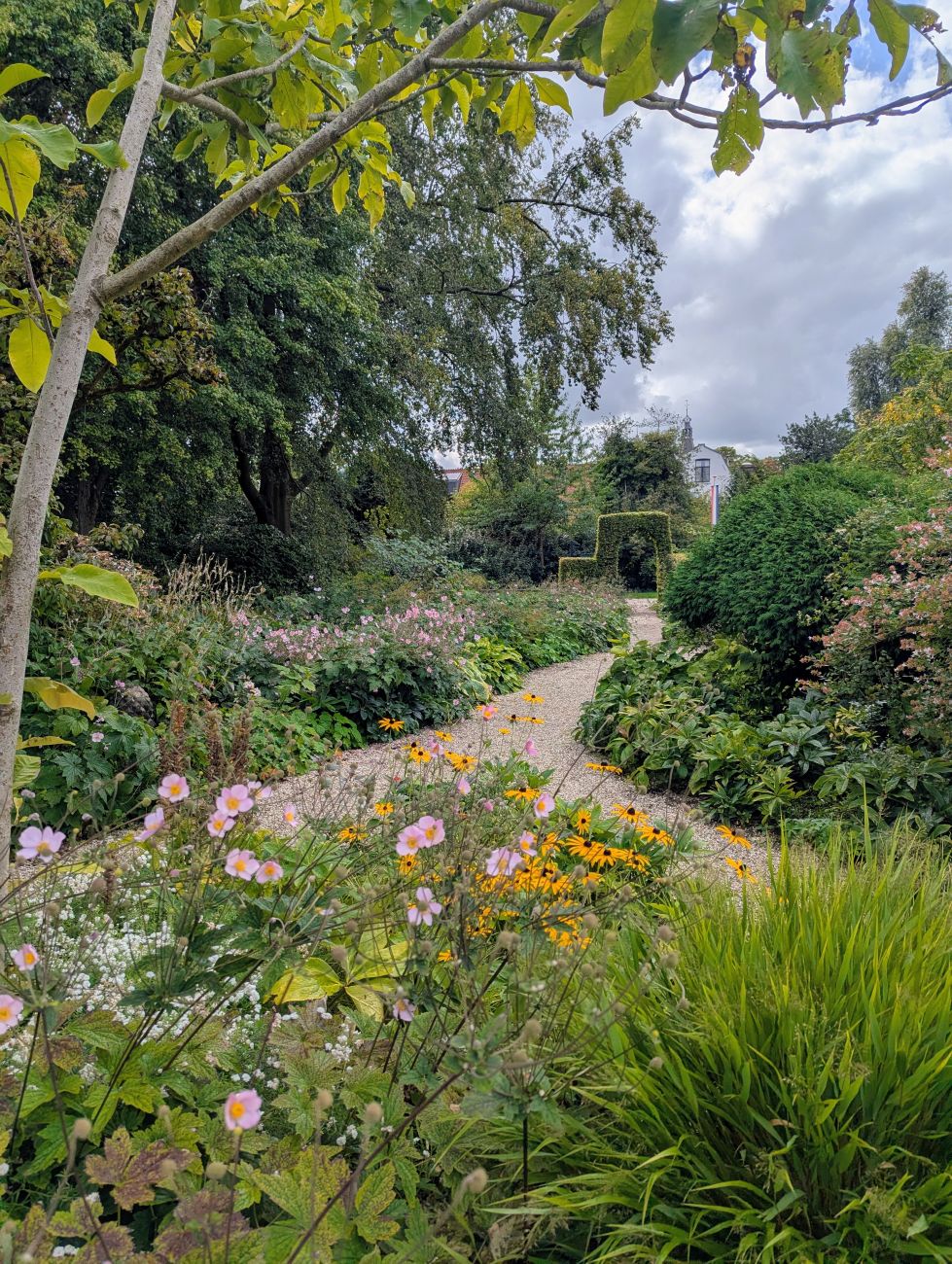
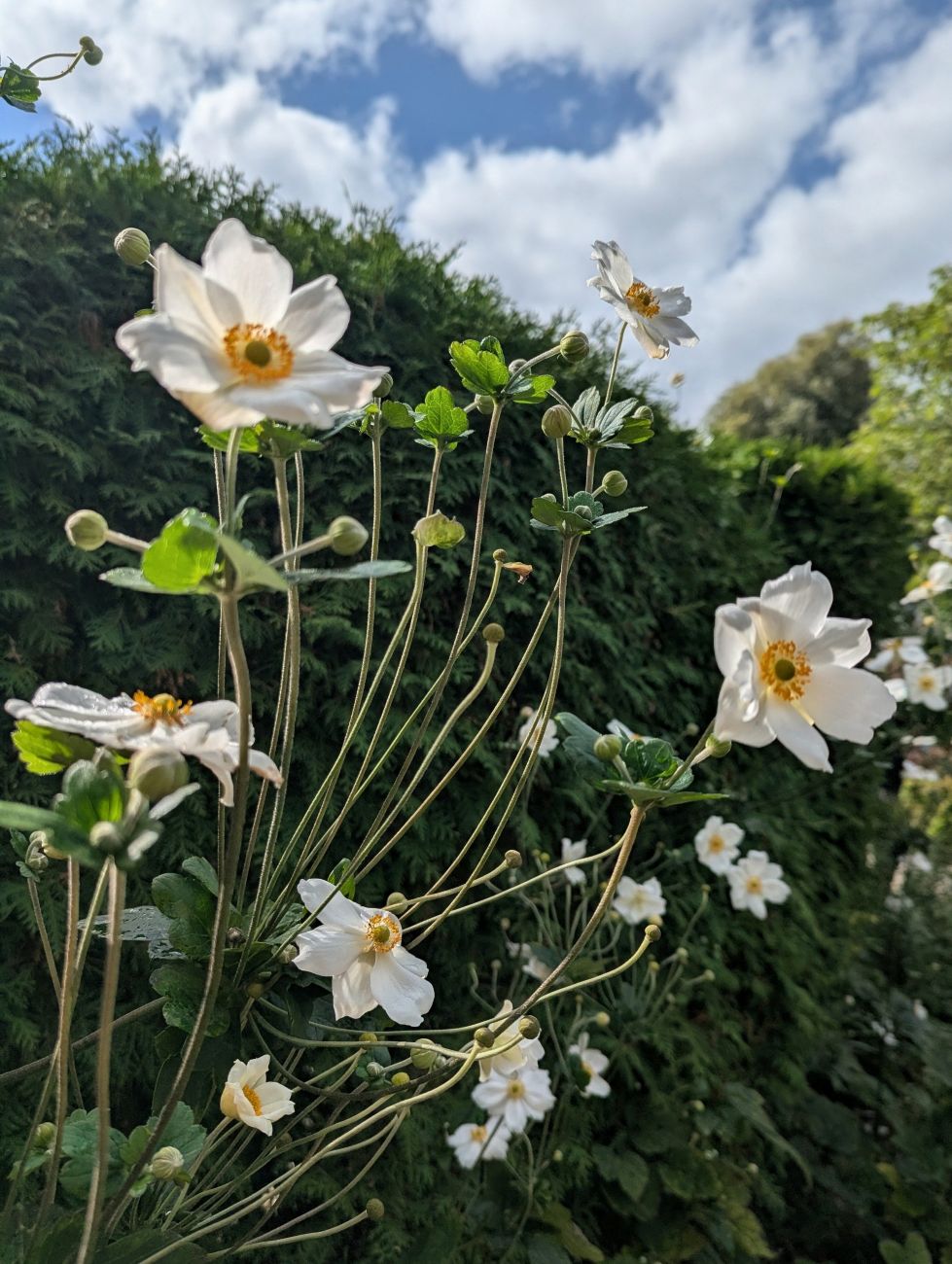
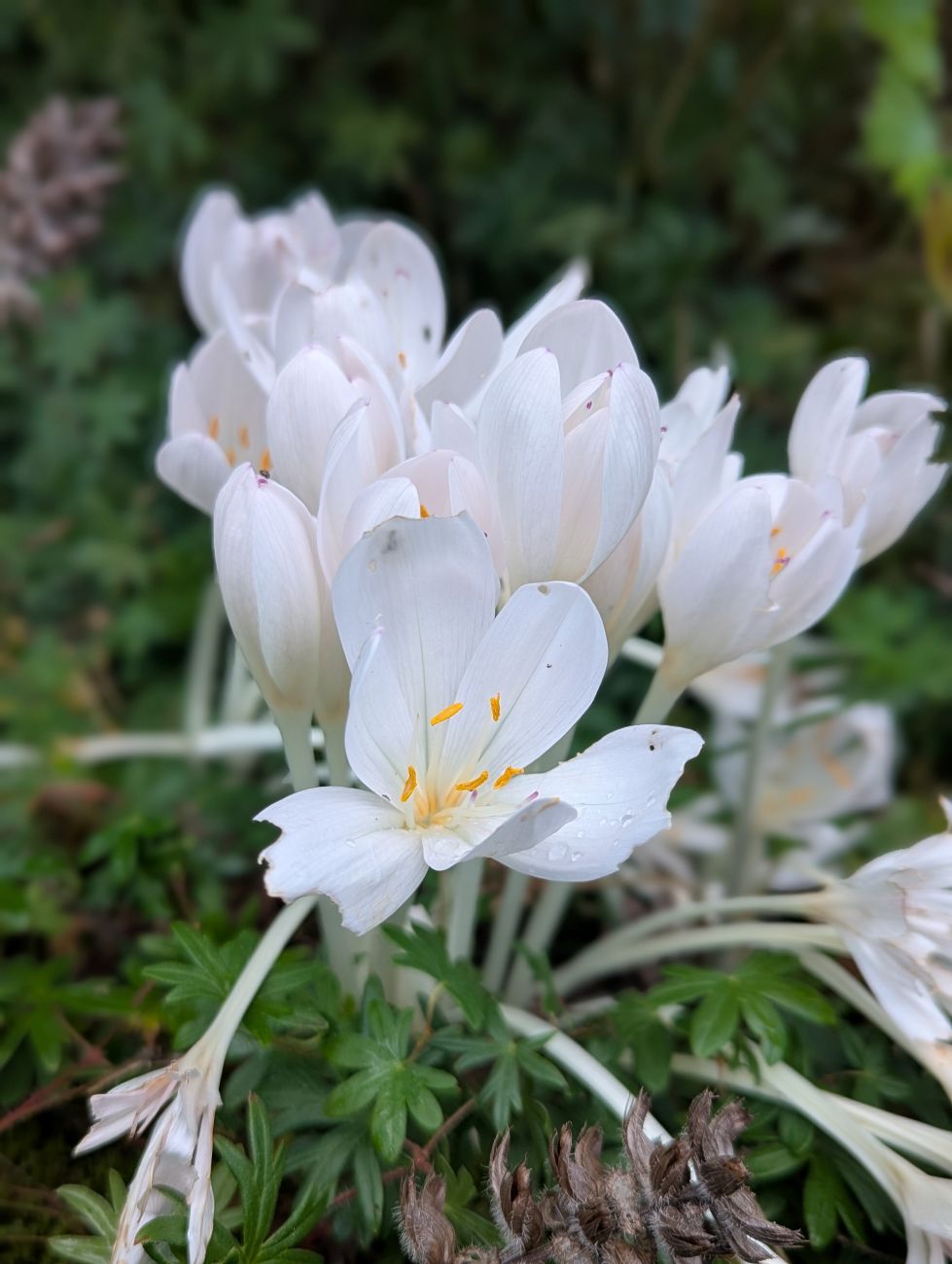
As the intensity of summer fades, the garden transitions into a softer, more reflective aesthetic. Currently, visitors are treated to the elegant, swaying white blooms of Japanese anemones (Anemone cvs.), which provide a clean, ethereal contrast to the deepening greens of the foliage. Further adding to the late-season interest are the white autumn crocuses (Colchicum cvs.). These botanical surprises act as a bridge, carrying the gardener’s interest deep into the fall.
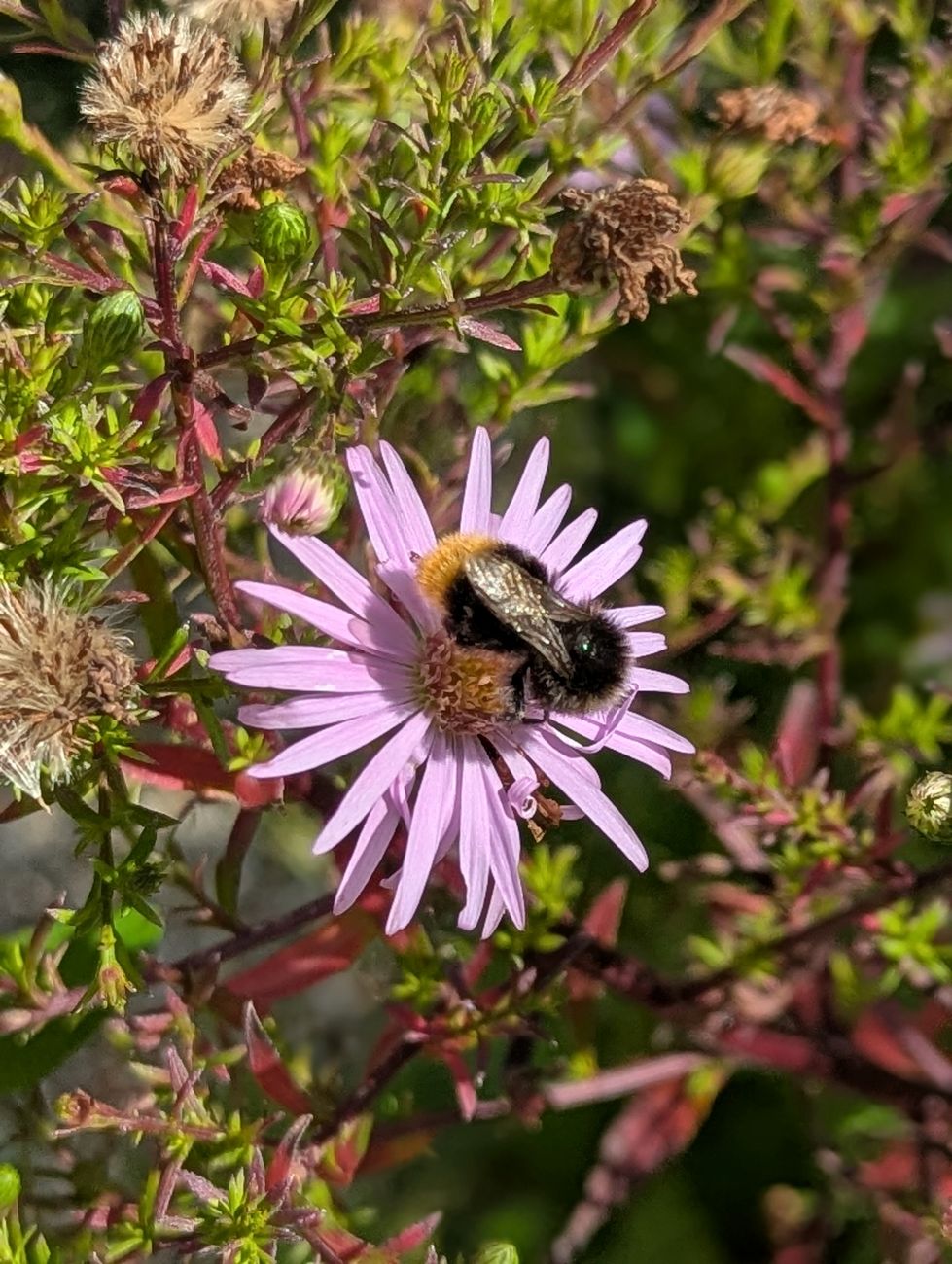
Even as the season wanes, the garden remains a vital ecosystem. Recent observations have highlighted the presence of bumblebees foraging on purple asters—a critical late-season food source. This attention to ecological function ensures that De Theetuin is as beneficial to local pollinators as it is beautiful to the human eye.
Chronicles of the "Stunning Gardens of the Netherlands" Tour
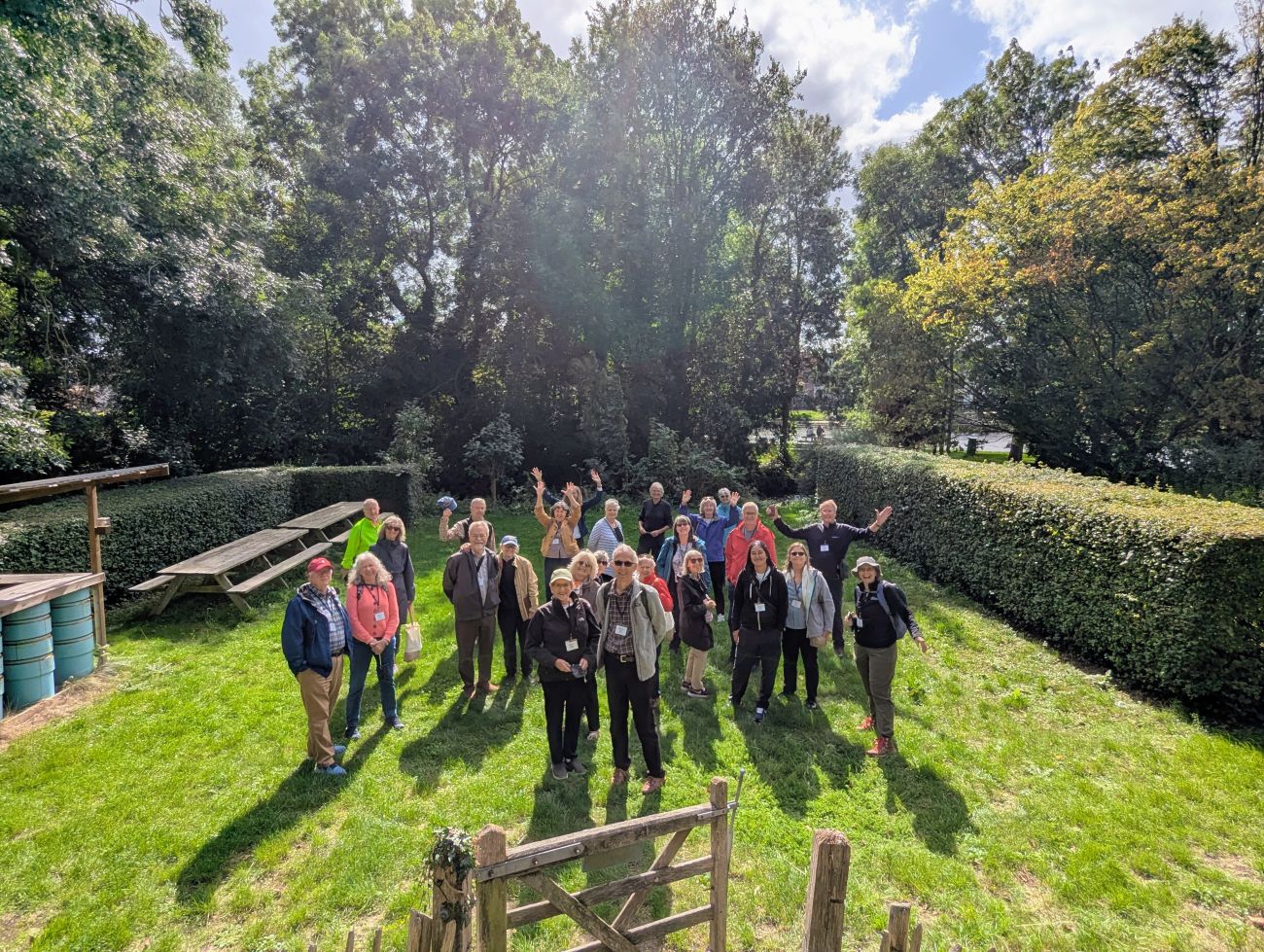
The current intrigue surrounding De Theetuin has been amplified by the recent "Stunning Gardens of the Netherlands" tour. Hosted by experts Danielle Sherry and Carol Collins, alongside renowned British garden designer Annie Guilfoyle, the tour has provided a unique opportunity for enthusiasts to experience these Dutch landscapes in the company of professionals.
"The experience of moving through these spaces with a group of like-minded enthusiasts highlights exactly what the original designers intended," notes one participant. "It’s not just about seeing a pretty flower; it’s about understanding the rhythm of the space."
The tour group’s visit to Weesp offered a masterclass in how to translate complex design theory into accessible, joyful gardening. The camaraderie shared by the group as they navigated the gravel paths, camera in hand, serves as a testament to the enduring appeal of the garden as a communal, educational space.
Implications for the Modern Gardener
The legacy of De Theetuin offers profound lessons for the modern home gardener. In an era where many landscapes are designed for high-maintenance, static beauty, this garden stands as a reminder that the most rewarding spaces are those that evolve.
Design Principles for the Home Gardener:
- The Power of the Reveal: Use vertical elements—hedges, trellises, or even tall, ornamental grasses—to create mystery. You don’t need a large property to create a "garden room." A simple change in elevation or a well-placed shrub can define a space.
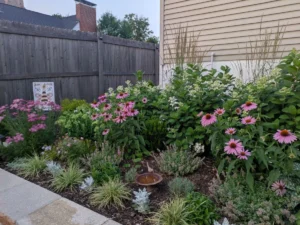
- Layering for Longevity: Think in layers. By mixing bulbs for spring, perennials for summer, and late-season bloomers like asters and anemones for fall, you create a garden that is never "finished."
- The Central Anchor: Every garden, regardless of size, benefits from a focal point. Whether it is a formal pond or a simple, comfortable bench, a designated space for reflection is essential.
- Ecological Awareness: Incorporate late-blooming nectar sources to support pollinators as they prepare for winter. A beautiful garden should be a functional one.
Conclusion: An Invitation to Explore
As the "Stunning Gardens of the Netherlands" tour continues, the images emerging from De Theetuin serve as a poignant reminder of the joy of discovery. Whether you are a professional designer or a weekend hobbyist, the lessons provided by the team of van der Kloet, Gall, and Roozen are clear: a garden should be a journey, not a destination.
For those inspired to document their own horticultural journeys, the call to action is simple. Gardening is a shared language. Whether it is a collection of rare plants, a successful experiment in sustainable design, or a simple, beloved patio container, every garden has a story to tell. By sharing these experiences, we contribute to a global dialogue that keeps the art of gardening alive, vibrant, and constantly unfolding.
Do you have a garden that reveals itself in layers? Are you documenting your own seasonal transformations? We invite you to share your experiences with our community. Submit your photos and the stories behind them to our Garden Photo of the Day series, and join us in celebrating the beauty of the cultivated landscape.