Beyond the Neon: Unlocking the Soul of Tokyo Through Immersive Local Experiences
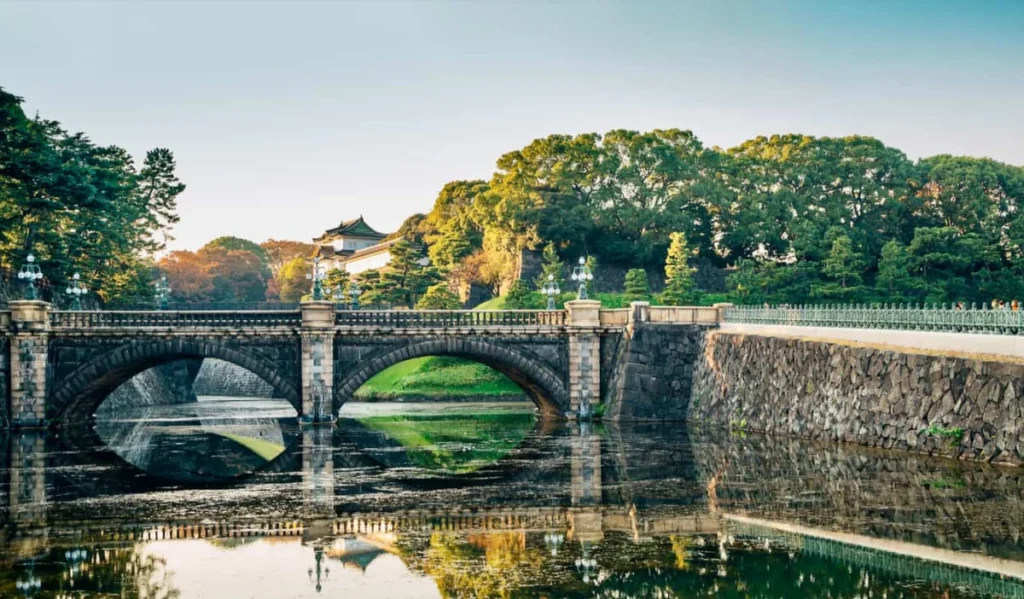
Tokyo is a city that defies easy categorization. It is a sprawling, multi-layered metropolis that demands more than just a passing glance. For the casual tourist, the capital of Japan might appear to be a dizzying landscape of neon lights, high-speed trains, and crowded intersections. Yet, for those who peel back the layers, Tokyo reveals itself as a collection of intimate villages, hidden shrines, and centuries-old traditions thriving in the shadow of skyscrapers. Having visited this city nearly a dozen times, I have come to realize that the true essence of Tokyo isn’t found on a tour bus—it is found in the hands of the locals who call it home.
In recent years, the rise of specialized, host-led travel platforms—most notably Airbnb Experiences—has revolutionized how travelers engage with the city. By stepping away from the "cookie-cutter" itineraries offered by large-scale operators and opting for intimate, curated sessions led by residents, visitors can access the city’s culinary, artistic, and historical underpinnings in a way that feels authentic and deeply personal.
The Shift Toward Immersive Tourism: A New Standard
The travel industry has seen a marked shift in consumer demand. Post-pandemic travelers are increasingly prioritizing "cultural immersion" over simple sightseeing. Data suggests that travelers are spending 30% more time researching activities that offer hands-on engagement rather than passive observation.
While traditional tour companies like Get Your Guide serve a purpose for general logistics, and specialists like Arigato Travel remain the gold standard for high-end culinary excursions, the peer-to-peer model of Airbnb Experiences has democratized access to niche local expertise. These tours allow for smaller groups, more flexible schedules, and a degree of social interaction that fosters genuine connection.
Curated Experiences: A Chronology of Discovery
To truly understand the heartbeat of Tokyo, one must participate in the city’s rhythms. Below is a curated look at the most impactful experiences that bridge the gap between visitor and local.
1. The Art of the Omakase: Sushi Mastery
Sushi is the culinary ambassador of Japan, but most visitors only ever experience it as a transactional meal. A professional sushi-making masterclass, held in a functional omakase restaurant, changes this dynamic entirely. Under the guidance of a seasoned chef, participants move beyond simple rice-shaping. They delve into the philosophy of shari (vinegared rice) preparation, the precise science of fish aging, and the aesthetic balance required for a perfect bite. This isn’t just a cooking class; it is an education in Japanese discipline and seasonal awareness.
2. Izakaya Culture: The Pulse of Shibuya and Shinjuku
To understand how Tokyo unwinds, you must enter an izakaya. These informal Japanese pubs are the bedrock of the city’s social fabric. Whether navigating the hidden alleyways of Shinjuku or the energetic nightlife of Shibuya, joining a guided tour led by a local—such as those who offer deep dives into sake pairings and menu-deciphering—removes the intimidation factor.
By learning the etiquette of ordering small plates to share and understanding the nuances of regional sake, visitors gain the confidence to explore the city’s nightlife on their own terms. These tours are more than social mixers; they are lessons in the "salaryman" culture that has fueled Tokyo’s post-war success.
3. Historical Depth: Beyond the Tourist Path
Tokyo’s history is often obscured by its relentless modernity. A historical walking tour, particularly one led by an academic or a specialist in the Edo period, acts as a time machine. Walking through neighborhoods like Yanaka—which miraculously survived the firebombing of WWII—allows visitors to see the city as it was before the modernization of the Meiji Restoration. Visiting the Nezu Shrine and exploring the remnants of samurai-era urban planning provides a vital context for the hyper-modernity found just a few train stops away.
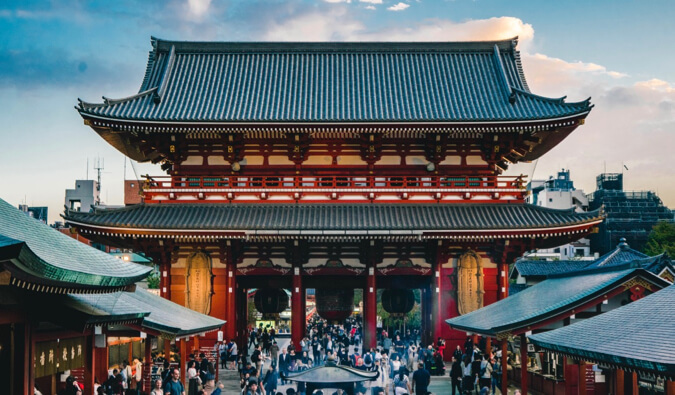
4. Third-Wave Coffee and Traditional Tea
Japan’s coffee scene is a fascinating hybrid of old-world kissaten (traditional coffee shops) and cutting-edge, third-wave micro-roasteries. A coffee culture tour through districts like Jimbocho reveals the meticulous, almost scientific approach the Japanese take toward brewing. Conversely, participating in an organic matcha tea ceremony offers a meditative contrast. By learning the history of the tea ceremony—a ritual that emphasizes harmony, respect, and tranquility—travelers gain a deeper appreciation for the Japanese concept of ichigo ichie (one time, one meeting).
5. Urban Aesthetics: Harajuku’s Underground Art
While Japan is often perceived as a rule-bound society, its street art scene tells a different story. In areas like Harajuku and Shibuya, murals and installations hidden in the urban sprawl showcase a vibrant, underground resistance. Exploring this scene with a local artist or enthusiast provides context to the city’s complex relationship with public space and self-expression.
Supporting Data: Why Small Group Tours Succeed
The success of these experiences is rooted in the "small group" dynamic. Research into group behavior in tourism shows that:
- Reduced Friction: Small groups (typically 6–8 people) allow for higher interaction with the guide, leading to better retention of cultural information.
- Economic Impact: A larger portion of the fees paid for Airbnb Experiences goes directly to the local host, supporting the local economy more effectively than large corporate tour packages.
- Safety and Comfort: For solo travelers, these experiences provide a built-in social network, reducing the anxiety of navigating a massive, language-dense city like Tokyo alone.
Official Perspectives: The Sustainability of Local Hosting
Tourism boards in Tokyo have begun to acknowledge the role of private hosts in managing visitor flow. By encouraging travelers to visit "under-visited" neighborhoods like Kanda or Yanaka, these small-scale tours help redistribute foot traffic away from the overwhelmed centers of Shibuya Crossing and Akihabara.
From an official standpoint, the goal is to promote "slow tourism." By encouraging visitors to spend three hours learning about tea or ramen rather than rushing through five shrines in a day, the city benefits from higher-quality interactions that leave both the visitor and the local resident more satisfied.
Implications for the Future of Travel
The implication of this trend is clear: the future of tourism is not about checking off bucket lists, but about building localized knowledge. When a traveler understands the history of a torii gate or the specific fermentation process of a local sake, they become stewards of that culture rather than just consumers of it.
For those planning a trip to Tokyo, the advice is simple: prioritize one "deep dive" experience for every three days of travel. Whether it is a ramen tour that explores the regional variations of tonkotsu and shoyu, or a historical walk that highlights the transition of the samurai class, these moments will likely be the ones that define your trip.
Logistical Checklist for the Discerning Traveler
Before you embark on your journey, ensure your logistical foundation is sound:
- Transportation: Utilize the Japan Rail Pass for intercity travel. It remains the most cost-effective method for covering long distances across the archipelago.
- Connectivity: Always keep a translation app and a digital map on hand. While many hosts speak excellent English, navigating the labyrinthine streets of Tokyo’s older districts remains a challenge.
- Insurance: Never underestimate the importance of comprehensive travel insurance. Whether it is a medical emergency or a flight cancellation, having a safety net is essential in a city as fast-paced as Tokyo.
- Accommodation: Use reputable booking platforms, but cross-reference them with local guides to ensure you are staying in a neighborhood that fits your desired pace of life—whether that is the high-energy pulse of Shinjuku or the quiet, residential charm of Bunkyo.
Tokyo is a city that rewards the curious. It does not give up its secrets to those who simply observe; it requires participation. By choosing to engage with local experts and stepping into the hidden corners of the metropolis, you aren’t just visiting Tokyo—you are becoming a part of its ongoing, ever-evolving narrative.