The Wine-Dark Sea: A Viticultural Odyssey Through Homer’s Epic
As Christopher Nolan’s sprawling, star-studded adaptation of The Odyssey captivates audiences in theaters worldwide, a subtle yet omnipresent character has once again stepped into the spotlight: wine. In Homer’s ancient epic, wine is far more than a beverage; it is a recurring motif that symbolizes the precarious balance between civilization and savagery, the warmth of home, and the divine reach of the gods.
Samuel Butler’s classic translation, now widely accessible through the Project Gutenberg archives, references wine no fewer than 176 times. Even the very sea—the central obstacle and the vessel for Odysseus’s arduous journey—is immortalized as "wine-dark" or "wine-faced," a metaphor that persists in literary analysis to this day.
While the Trojan War and the wandering hero’s supernatural encounters belong to the realm of mythology, the viticulture described in the Odyssey is grounded in tangible, historical reality. As we track the hero’s path across the Mediterranean, we find a landscape where history and myth bleed into one another, creating a viticultural map that modern drinkers can still traverse.

The Foundations of the Epic: Geography and Viticulture
The Mediterranean basin has long claimed the Odyssey as its own, with coastal communities from Greece to Sicily naming landmarks, towns, and geological wonders after the figures of Homeric legend. This deep-seated local lore has so thoroughly infused the language and culture of the region that separating the warrior-king from the historical reality of the Bronze Age has become an academic pursuit.
While archeological excavations at Hisarlik (ancient Troy) confirm the reality of multiple sieges and complex trade networks, the presence of a sophisticated wine trade is an indisputable fact of the era. To understand the Odyssey is to understand the Greek tenets of xenia—the sacred law of hospitality—which necessitated the offering of wine to guests. To trace the hero’s path is to explore the evolution of the very grapes that have defined Mediterranean identity for three millennia.
Chronology of a Wine-Soaked Journey
The Gift of Maron: Ismarus (Eastern Macedonia and Thrace)
Following the fall of Troy, the first stop for Odysseus and his crew is the city of Ismarus. After sacking the city, Odysseus demonstrates a rare moment of mercy, sparing Maron, a priest of Apollo. In gratitude, Maron bestows upon him twelve jars of "sweet wine, unblended, and of the most exquisite flavor."

Greek scholars identify Maron as a descendant of Dionysus, the god of wine, and an early "keeper of the vines." Today, the region of Maronia in Eastern Macedonia remains one of Greece’s most storied viticultural zones. Visitors can still sample the indigenous white grapes, Assyrtiko and Malagousia, alongside the bold, dark Mavroudi. Perhaps most notably, the region produces Limnio, one of the world’s oldest recorded grape varieties, mentioned in the Iliad as a vital supply for the Greek troops. To sip a PGI Ismaros wine is to drink from the same ancient lineage that fueled the heroes of the Trojan War.
The Cyclops’ Wrath: Aci Trezza, Sicily
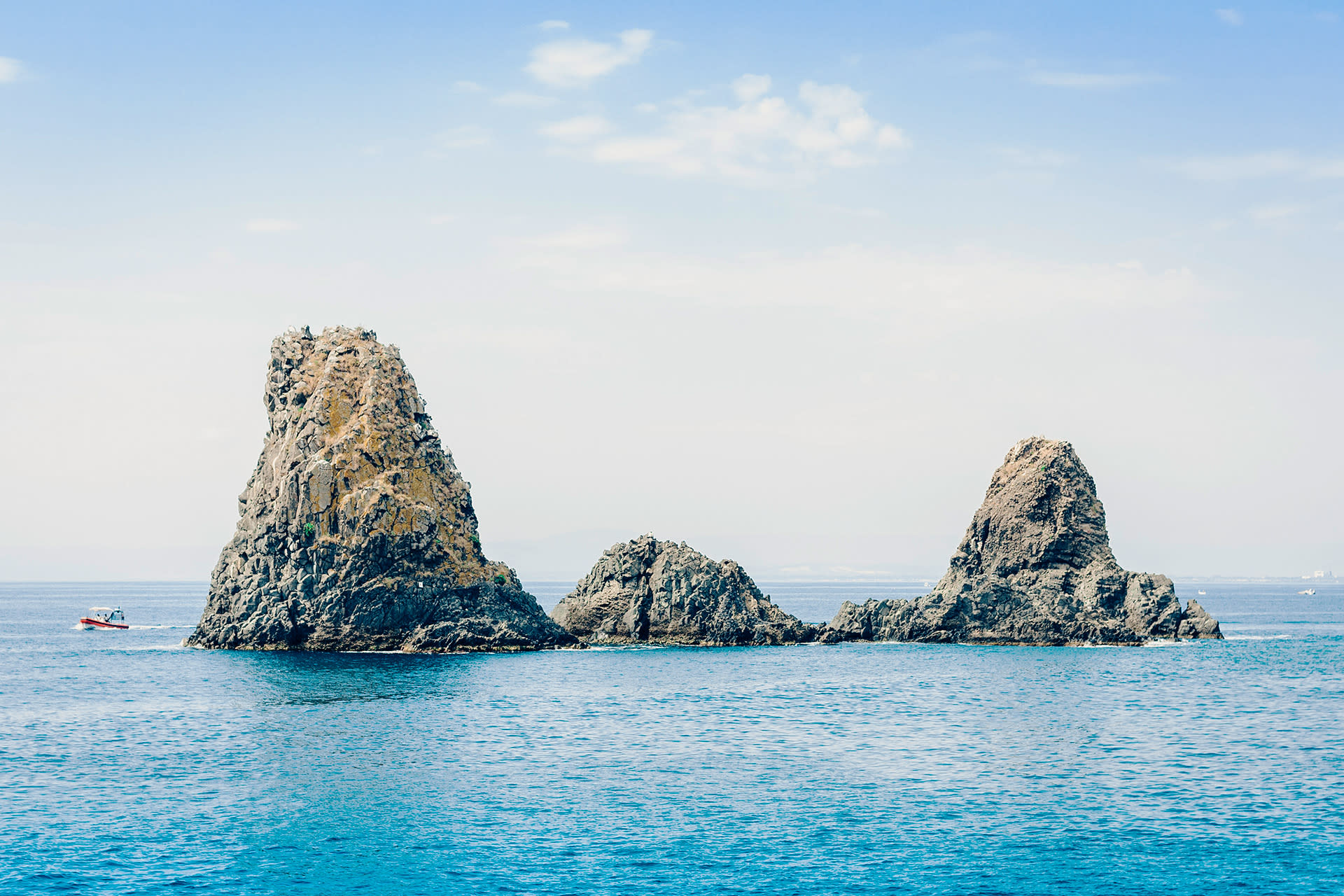
The journey turns darker at the base of Mount Etna, near the modern-day town of Aci Trezza. Here, according to legend, the one-eyed giant Polyphemus tended his flock and his vines. The jagged sea stacks known as i faraglioni are said to be the boulders thrown by the blinded giant in his drunken rage.
Odysseus, possessing the foresight to carry Maron’s potent wine, used it to intoxicate the beast. Polyphemus’s reaction is a testament to the quality of the vintage: "We have wine even in this country, for our soil grows grapes and the sun ripens them, but this drinks like Nectar and Ambrosia all in one."
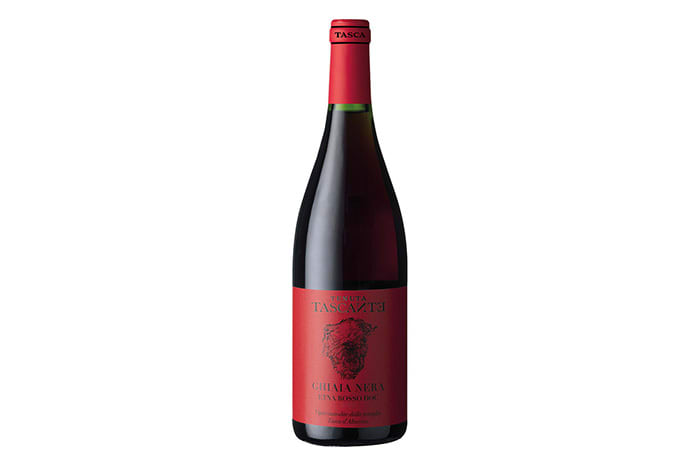
Modern drinkers can find the spiritual successor to this epic in the wines of Mount Etna. While the specific varieties of the Bronze Age remain a subject of debate, the terroir has not changed. The Nerello Mascalese and Nerello Cappuccio grapes, grown in volcanic soil, offer a smoky complexity that pairs perfectly with the salty pecorino cheese that Polyphemus guarded so zealously.
The Feasts of Aeolus: The Aeolian Islands
Escaping the Cyclops, the crew reaches the island of Aeolia, governed by Aeolus, the keeper of the winds. Here, the narrative shifts from survival to hedonism. Aeolus hosts the crew for a month of feasting, characterized by "every conceivable kind of luxury."
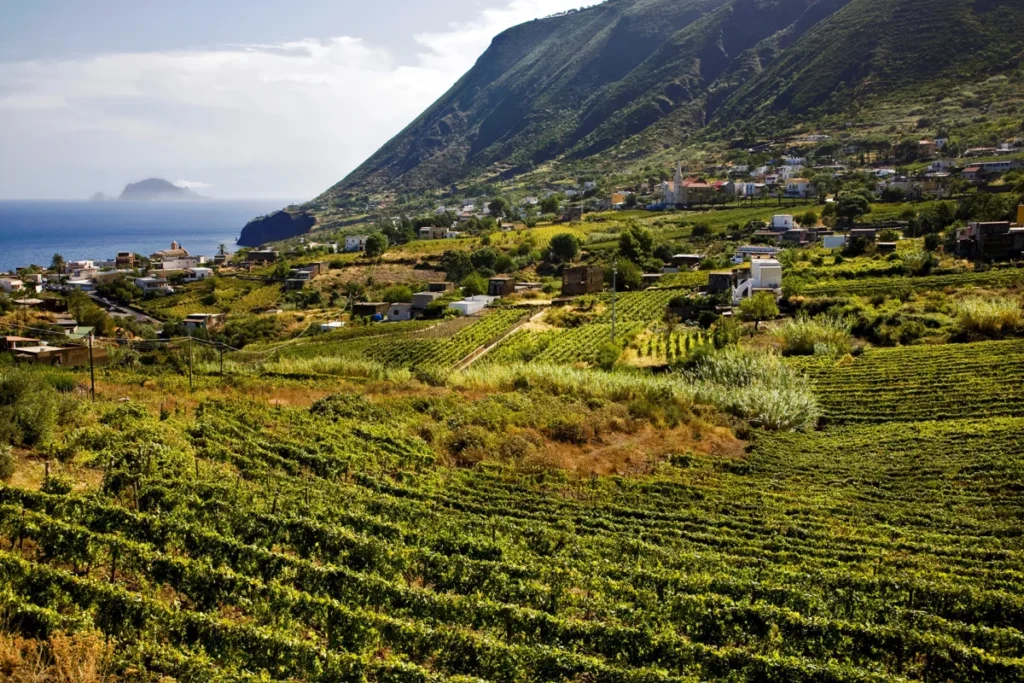
Given the geography of the Aeolian archipelago, it is highly probable that the wine flowing at these feasts was an early iteration of Malvasia. Today, Malvasia delle Lipari remains the region’s crown jewel. The dry, saline-kissed versions from Salina Island capture the essence of the Mediterranean breeze, while the dessert wines offer a depth that matches the epic scale of the Odyssey’s feasts.
Circe’s Enchantment: Monte Circeo
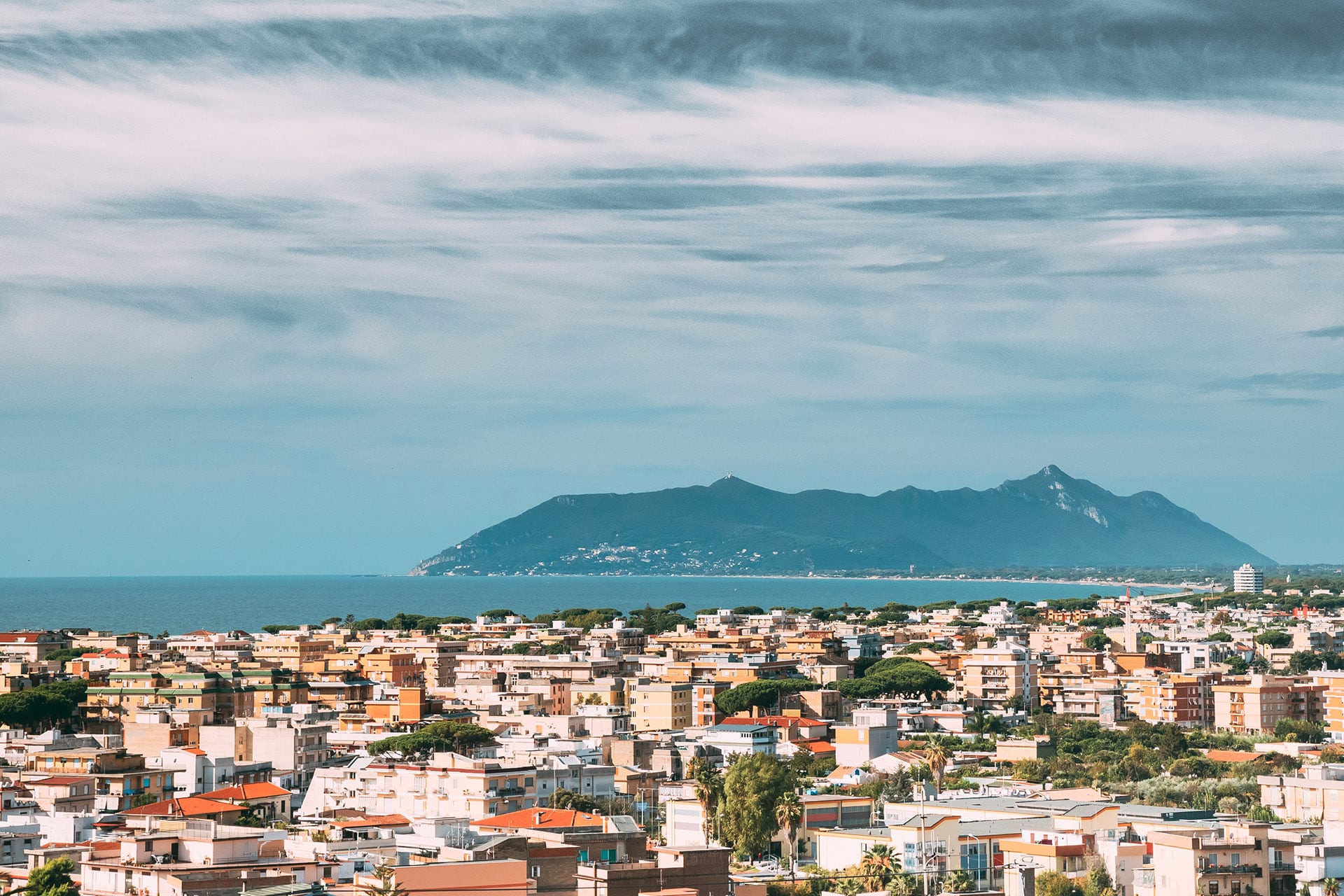
The sorceress Circe, who famously transforms Odysseus’s crew into swine, dwells at the foot of the looming Monte Circeo, south of Rome. It is here that she blends her "secret potion" into wine.
The region remains a hub for ancient viticulture. The Circeo DOC relies heavily on the Trebbiano grape, known for its crispness, and the Bellone grape, which provides floral, citrusy notes. The red Nero Buono di Cori, a variety with roots in antiquity, offers the dark, brooding profile one might associate with the dark magic of the island.
The Siren’s Call: The Amalfi Coast
As the crew navigates the treacherous waters near the Li Galli Islands—the historical Sirenusae—they face the temptation of the Sirens. While Odysseus was tied to the mast, a modern traveler is free to enjoy the fruits of this extreme, terraced landscape.

The volcanic terroir of the Amalfi Coast produces wines of extraordinary mineral character. Falanghina and the red Aglianico are the stars here, forged in the shadow of Vesuvius. These wines represent the resilience of the human spirit, much like the survivors of the shipwrecked crew who had to endure the song of the sirens to reach their destination.
The Return to Ithaca: The Ionian Archipelago
The final act of the epic is the return to Ithaca. After twenty years, the hero reunites with his family over a meal. The wine of choice for this homecoming is undoubtedly the mineral-driven Robola of Kefalonia. This indigenous variety, with its bright acidity and citrus notes, perfectly mirrors the relief and clarity of a long-awaited homecoming.
Supporting Data: The Viticultural Connection
Archaeological evidence from the Bronze Age indicates that the Mediterranean wine trade was not merely a local phenomenon but the backbone of the regional economy. Analysis of amphorae remnants discovered in shipwrecks across the Ionian and Tyrrhenian seas confirms that trade routes followed the same paths as the legendary voyages of Odysseus.
- Trade Stability: The frequency of "wine" in the Odyssey mirrors the actual trade volumes of the Mycenaean period.
- Varietal Continuity: DNA analysis of modern Greek and Italian indigenous grapes shows genetic markers that date back over 3,000 years, confirming that today’s Assyrtiko and Limnio are direct descendants of the vines known to the ancients.
Official Perspectives: The Intersection of Myth and Market
Industry experts and cultural historians argue that the "Odyssey effect" has significantly boosted interest in autochthonous (indigenous) grape varieties. According to the Wines of Greece and the Consorzio of Sicily, there has been a marked uptick in interest regarding "heroic viticulture"—the practice of growing vines on steep, rugged, or volcanic slopes—which aligns with the geography of Homer’s narrative.
"When people drink a glass of Etna Rosso or a crisp Robola, they aren’t just consuming a beverage," notes one industry analyst. "They are consuming a narrative. The Odyssey provides the context that makes the wine taste better. It connects the drinker to a deep, resonant history of struggle and triumph."
Implications for Modern Oenology
The enduring presence of the Odyssey in pop culture, refreshed by Nolan’s cinematic vision, acts as a bridge for the wine industry. By framing these ancient varieties through the lens of one of history’s greatest stories, producers are able to elevate "old world" wines to a status of cultural relevance.

The implication is clear: the market for wine is shifting away from generic global varietals and toward wines with a "sense of place." Whether it is the smoky volcanic earth of a Nerello Mascalese or the sea-sprayed citrus of a Robola, consumers are increasingly seeking stories in their glass.
As we look toward the future, the lessons of the Odyssey remain relevant for the modern drinker: enjoy the journey, respect the tradition, and, perhaps most importantly, as the Greeks were fond of saying—always temper your wine with water, and remember that moderation is the ultimate virtue.
In the final analysis, the Odyssey is not merely a tale of a man’s return to his palace; it is a testament to the persistence of culture. Through the simple act of pouring a glass of wine, we continue to participate in the same ritual that sustained Odysseus, Maron, and the very gods of Olympus.