Beyond the Recall: Addressing the Silent Crisis of the Cyclospora Outbreak
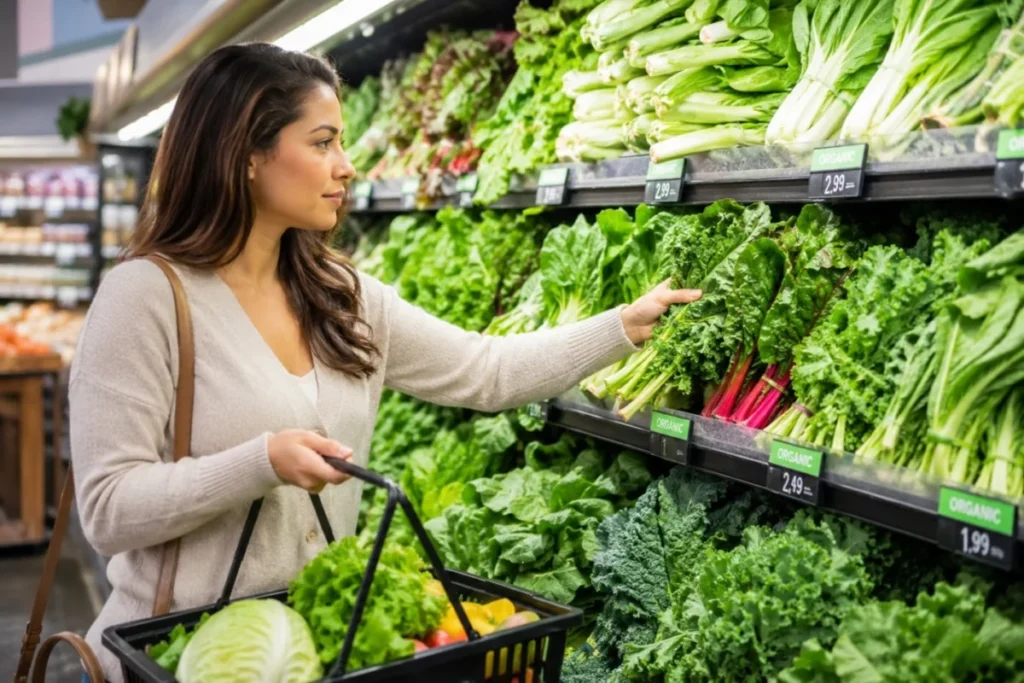
The summer of 2024 has become a sobering landmark in the history of American food safety. As of August 5, the U.S. Centers for Disease Control and Prevention (CDC) has documented more than 10,400 laboratory-confirmed cases of cyclosporiasis across 47 states. This surge represents one of the largest and most widespread outbreaks of the parasitic infection ever recorded in the United States. To put this in perspective, the CDC typically tracks between 200 and 1,000 cases annually; the current figures represent an order of magnitude increase that has strained public health resources and exposed critical vulnerabilities in the nation’s fresh produce supply chain.
At the heart of this crisis is Cyclospora cayetanensis, a microscopic parasite that causes a debilitating intestinal illness characterized by persistent watery diarrhea, cramping, and extreme fatigue. Unlike bacterial contaminants such as E. coli or Salmonella, Cyclospora is uniquely resilient. It does not appear on standard stool panels unless a physician specifically requests a specialized test, leading to a significant undercount of actual illnesses. Furthermore, the parasite is notoriously resistant to standard produce washing and typical sanitization methods. It requires thorough cooking—reaching an internal temperature of at least 158°F (70°C)—to be reliably neutralized, a standard that is rarely met for fresh, ready-to-eat commodities like leafy greens.
A Chronology of Uncertainty
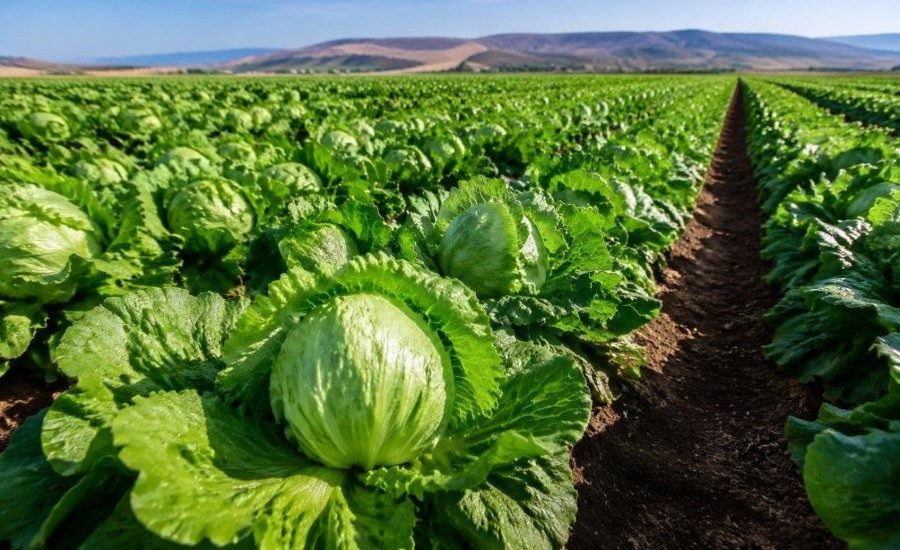
The outbreak gained national attention when epidemiological evidence began to point toward shredded iceberg lettuce sourced from Taylor Farms de Mexico. By mid-July, the data became actionable. On July 17, Taylor Farms issued a recall for all iceberg lettuce sourced from its central Mexico operations. This move followed findings that linked the product to clusters of illness at Taco Bell locations across five states: Indiana, Kentucky, Michigan, Ohio, and West Virginia.
However, the path to containment was anything but linear. Just days after the initial recall, the U.S. Food and Drug Administration (FDA) released a clarification that added a layer of complexity to the investigation: one of the specific lettuce samples initially implicated in the testing process was found to be a false positive for the parasite.
While the FDA was careful to emphasize that Taylor Farms remained epidemiologically linked to the broader outbreak regardless of that single test result, the incident highlighted the "fog of war" that characterizes modern outbreak response. For the average consumer, this nuance is often lost, leading to confusion. For those managing the supply chain—the wholesale distributors and retailers—it underscores the precarious nature of relying on singular data points during a rapidly evolving public health event.
The Invisible Layer: The Wholesale Distributor’s Dilemma
When news of an outbreak breaks, media coverage typically focuses on two poles: the grower or supplier where the contamination is suspected to have originated, and the government agencies conducting the investigation. This narrow focus misses the critical "middle layer" of the supply chain: the wholesale distributor.
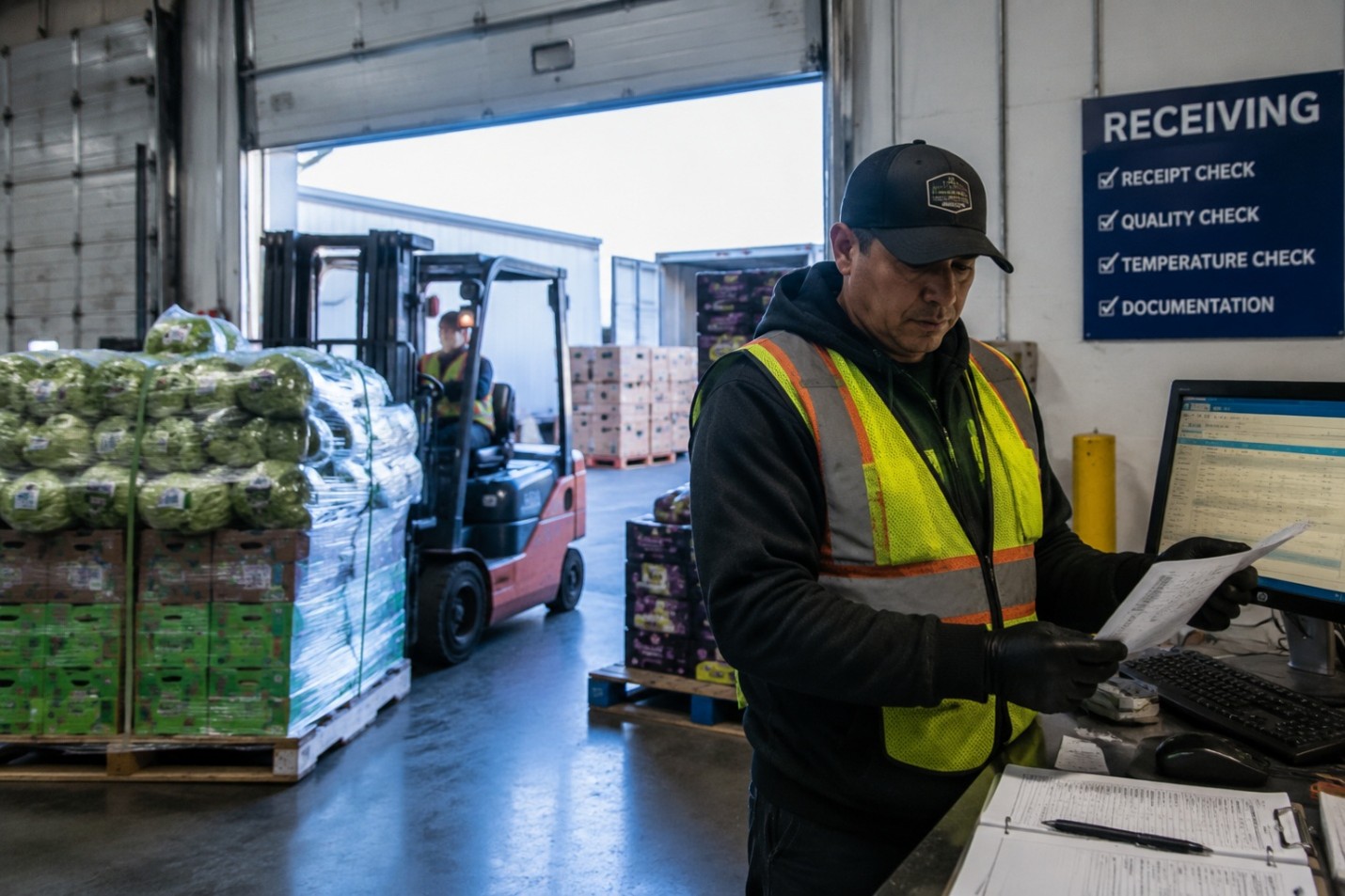
Wholesale distributors act as the nerve centers of the food system. A major distributor manages hundreds, if not thousands, of supplier relationships. When an outbreak is announced, these distributors face a high-stakes, time-sensitive challenge: they must determine, in real-time, which of their suppliers—and subsequently, which of their retail clients—are impacted.
At Affiliated Foods Inc., a member-owned wholesale cooperative, this process is an everyday reality. Managing a network of over 1,000 vendors requires more than just reactive recall management; it requires a proactive, data-driven approach to risk assessment. The question that keeps supply chain managers awake at night is not simply "Does this affect us?" but rather, "Which of our suppliers touch this commodity in this specific growing area, and what is our defensible, evidence-based answer for our retailers?"
Why Static Compliance Documentation Is Failing
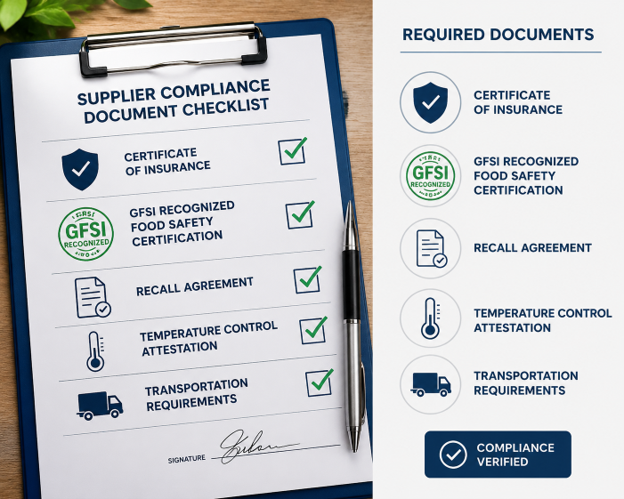
The traditional toolkit for food safety compliance is increasingly being viewed as inadequate for the modern supply chain. For decades, the industry has relied on a paper-heavy, static model: GFSI (Global Food Safety Initiative) certifications, letters of indemnification, and certificates of insurance. While these documents are foundational, they function as snapshots in time. They verify a supplier’s status on the day the document was signed, but they do not provide visibility into the dynamic, shifting risk profile of a supplier during an active outbreak.
Consider the recent history of major suppliers. Companies often maintain pristine compliance documentation while still experiencing sporadic recalls due to diverse issues ranging from undeclared allergens to bacterial contamination. A supplier might be "compliant" on paper, yet have a history of systemic failures that static files fail to capture. Because these documents are retrospective—they confirm what has already occurred—they are inherently non-predictive. They cannot alert a distributor to elevated risk before an outbreak begins.
The Regulatory Gap: FSMA Section 204
This systemic weakness is exactly why Section 204 of the Food Safety Modernization Act (FSMA)—the FDA’s Food Traceability Rule—is so pivotal. The rule aims to establish a standardized, lot-level tracking system that would allow for rapid identification of implicated products, with records accessible to the FDA within 24 hours of a request.
However, the implementation of this rule has been met with significant delays. Originally slated for January 2026, the enforcement deadline has been pushed back to July 20, 2028. This 30-month gap leaves the industry in a precarious position. Without a federally mandated, uniform traceability backbone, the responsibility falls squarely on the private sector to bridge the gap. Distributors are currently forced to build their own proprietary systems to manage risk, creating a fragmented landscape of safety protocols.
Building a Proactive Future: Risk-Tiering as the Solution
To move beyond the limitations of reactive management, distributors must pivot toward risk-tiered supplier compliance systems. At Affiliated Foods, this has involved shifting from a purely document-collection model to an automated, risk-stratified framework.
By tiering suppliers based on three pillars—volume of trade, commodity-specific risk, and historical compliance performance—distributors can create an automated "early warning" system. For example, a high-volume supplier of leafy greens (a high-risk commodity) would be subjected to more frequent and rigorous documentation audits than a low-volume supplier of shelf-stable goods. Automated escalation rules ensure that critical documentation never lapses, flagging discrepancies weeks before they become a liability.
The results of such a shift are measurable:
- Efficiency: Manual follow-up is reduced by upwards of 60 percent.
- Onboarding: New supplier verification times are cut in half.
- Compliance: The ability to maintain 100 percent compliance on critical documentation is significantly bolstered.
Most importantly, this approach changes the nature of the response during an outbreak. When a recall notice arrives, the distributor no longer starts from zero. They have an existing risk profile of their suppliers, allowing them to instantly filter their inventory and identify exactly where the risk concentrates.
Conclusion: A New Standard of Vigilance
The ongoing Cyclospora outbreak serves as a harsh reminder that the safety of the food supply is not a static state, but a continuous process of vigilance. As the industry grapples with the fallout of the current crisis, the focus must shift from "Were we affected?" to "Would we have known before the recall notice arrived?"
Distributors who invest in predictive, automated, and risk-aware systems are not just protecting their own bottom lines—they are safeguarding the health of the consumers who rely on them. While these systems do not replace the critical work of the FDA and CDC, they provide the precision and speed necessary to contain outbreaks before they spiral into public health catastrophes.
In the modern food economy, the true measure of a company’s food safety program is not how well it reacts to a recall, but how well it understands its own risk environment before the recall ever occurs. The era of relying solely on paper compliance is ending; the era of proactive, digital, and intelligence-driven supply chain management is here.