Beyond the Vines: How Wineries Are Bringing the Tasting Room to Your Backyard
By Oset Babür-Winter | August 6, 2026
For the modern traveler, the dream of a summer getaway often involves the rolling, sun-drenched hills of Tuscany, the rugged cliffs of the Amalfi Coast, or the iconic vineyard rows of Napa Valley. Yet, for the average American consumer, these dream vacations are increasingly colliding with the harsh realities of the current economy. With airfare costs surging by a staggering 26.7% over the past year—a direct result of volatile jet fuel prices and broader inflationary pressures—the traditional "destination wine trip" is becoming an inaccessible luxury.
As travel budgets tighten, the domestic wine industry faces a significant ripple effect. Wineries, which have long relied on the steady flow of foot traffic to their estate tasting rooms to drive direct-to-consumer (DTC) sales, are seeing a marked decline in visitors. In response, a creative, albeit unconventional, strategy is taking root: if the customers cannot come to the vines, the wineries are bringing the vines to the customers.
The Shrinking Map: Why the Industry is Shifting Gears
The pivot toward "remote" tasting rooms—facilities located dozens or even hundreds of miles from the actual vineyard—is no longer just a quirky experiment; it is a calculated response to a changing consumer landscape.
"There is an opportunity by reaching the customer where they live," notes Rob McMillan, EVP and founder of the Silicon Valley Bank (SVB) Wine Division, in the firm’s latest annual DTC report. "There aren’t dominant strategies that are pointing to a proven path, but they are emerging."
For decades, the wine industry adhered to a rigid geographic model: to sell the wine, one had to sell the place. The vineyard was the stage, and the tasting room was the front-row seat. However, as saturation in major wine hubs like Napa and Sonoma reaches a breaking point, wineries are finding that competing for the limited attention of a tourist is an uphill, expensive battle. By moving into urban centers or underserved markets, these brands are bypassing the "tourist trap" dynamic and meeting the modern consumer in their own neighborhood.
Chronology of a Trend: From Estate-Only to Urban Outposts
The evolution of the tasting room has been gradual but accelerated significantly post-2020.
- Pre-2020: The standard model remained strictly tethered to the vineyard. Wineries invested heavily in estate architecture, gardens, and hospitality staff, banking on the "destination" appeal.
- 2021–2023: As travel restrictions fluctuated and consumer behavior shifted, wineries experimented with pop-ups and partnerships to maintain engagement.
- 2024: A pivotal year for the industry, marked by the opening of unconventional satellite locations, such as the Napa-based Turks Head Wines launching a permanent, brick-and-mortar tasting room in West Chester, Pennsylvania.
- 2025–2026: The current era, where "away-from-home" tasting rooms have become a legitimate business strategy for mid-sized wineries looking to build brand loyalty without relying on the volatility of national travel trends.
Supporting Data: The Economic Case for Relocation
The logic behind these moves is backed by hard data. According to recent travel inflation reports, the cost of leisure travel has outpaced wage growth for many Americans, leading to a "stay-at-home" shift in spending.
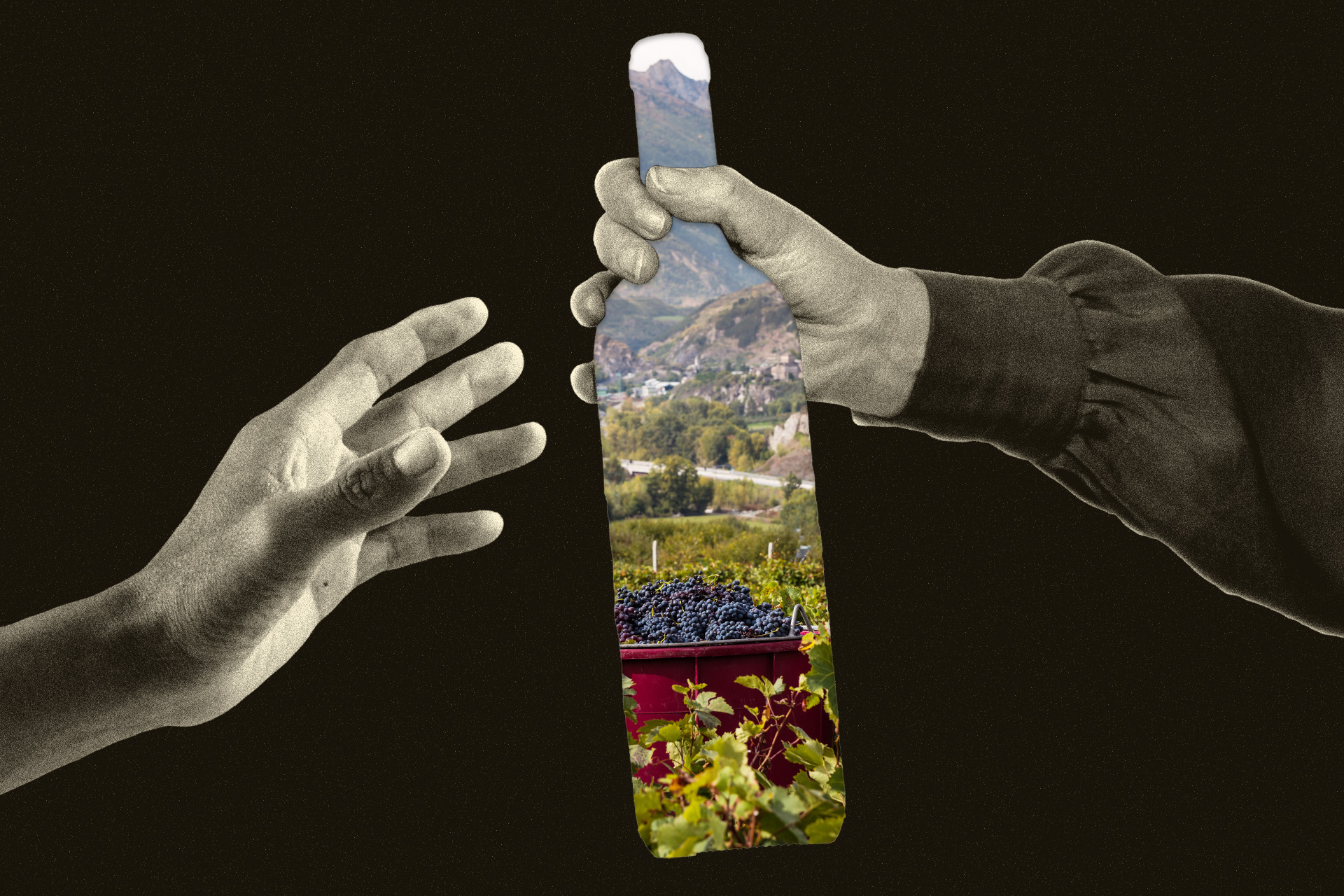
For a winery, the cost of acquiring a new customer at a rural estate includes the customer’s travel time, gas, hotel, and the inherent difficulty of competing with dozens of other nearby tasting rooms. By opening a facility in a bustling urban area—like Berkeley or downtown McMinnville—wineries are tapping into a pre-existing stream of foot traffic.
Furthermore, data suggests that "urban" tasting rooms see higher frequency of repeat visits. While a traveler might visit a Napa estate once every five years, a local resident living in a nearby city might visit an urban tasting room once every two months, fostering a deeper, more sustainable relationship with the brand.
The "Turks Head" Model: Bridging the Coastal Divide
Allison Owen, president and founder of Napa-based Turks Head Wines, recognized early on that the barrier to entry for many wine lovers was not a lack of interest, but a lack of resources. By opening a satellite tasting room in West Chester, Pennsylvania, she effectively collapsed the thousands of miles between her production site and her audience.
"We believe that there are a lot of people who are interested in exploring and learning about California wine, but might not have the time, money, and resources to travel across the country to experience it," Owen explains.
This model does not merely function as a store; it functions as a diplomatic outpost. "For those who are avid wine travelers, we have been able to bring the California wine experience home to them so they can enjoy it more often," she adds. For Owen, the competitive advantage is clear: in a saturated market like Napa, being one of hundreds is a disadvantage. In West Chester, being the only California tasting room makes her brand a unique, "different by design" destination.
The Role of the "Concierge" Winery
Interestingly, some wineries are finding that having a remote tasting room actually increases interest in visiting the original estate.
Troon Vineyard & Farm in Oregon’s Applegate Valley has mastered this paradox. By operating a tasting room in downtown McMinnville—the heart of the Willamette Valley—they act as a gateway for tourists.
"We are able to introduce guests to things they didn’t even know they were missing, and act as a concierge for them when they decide they are ready to make the trip to southern Oregon," says Meg Ordaz, director of consumer sales at Troon.

This symbiotic relationship is crucial. By showcasing unique varieties like Mourvèdre, Carignan, and Vermentino—grapes that thrive in southern Oregon but are distinct from the classic Pinot Noirs of the Willamette Valley—Troon creates a narrative hook. They aren’t just selling wine; they are selling a future journey.
Challenges and Implications: The Educational Burden
The shift toward remote tasting rooms introduces a significant challenge: how does a staff member effectively communicate the "terroir"—the sense of place—when the vineyard is 500 miles away?
Chris Brockaway, founder of Broc Cellars, notes that the burden of education falls heavily on the staff. "Location, climate, and soil type are hard to understand while in an urban setting," he admits. To bridge this gap, Brockaway implements a rigorous training program that includes group trips to the vineyards.
"We do group trips up to the vineyard multiple times per year to stay or camp overnight," Brockaway says. This ensures that when a staff member pours a glass of Brachetto in Berkeley, they aren’t reading from a spec sheet—they are sharing the memory of picking those grapes in the Fox Hill vineyard.
Looking Ahead: The Future of Wine Tourism
The emergence of these satellite tasting rooms signals a permanent change in the wine industry’s approach to customer experience. As wineries continue to grapple with the "new normal" of inflation and shifting travel habits, the physical distance between the producer and the consumer is no longer a static constraint.
Whether it is a California winery setting up shop in the suburbs of Pennsylvania, or an Oregon vineyard establishing a presence in a neighboring tourist hub, the goal remains the same: to create a compelling, accessible touchpoint for the consumer.
Ultimately, this trend challenges the traditional definition of wine country. It suggests that wine country is not merely a coordinate on a map, but an experience that can be curated and transported. As more wineries embrace this strategy, the industry may find that the most effective way to save the destination winery is to stop waiting for the world to come to it, and instead, go out into the world to meet the wine drinker where they are.
In a world where travel is becoming increasingly expensive and complex, the most luxurious thing a winery can offer its customers might just be convenience—and a glass of wine that tells a story, no matter how many miles away the vines may be.