Cultivating Resilience: Expert-Recommended Native Shrub Alternatives for the Midwest Landscape
In the evolving field of regional horticulture, a quiet revolution is taking place across the American Midwest. As gardeners grapple with the dual challenges of climate volatility and the proliferation of invasive ornamental species, landscape experts are increasingly championing a return to indigenous flora. Transitioning from common, overused nursery staples to native shrub alternatives is not merely an aesthetic choice; it is a vital strategy for fostering local biodiversity and ensuring long-term garden resilience.
Mark Dwyer, the esteemed garden manager for the Edgerton Hospital Healing Garden in Wisconsin and founder of Landscape Prescriptions by MD, asserts that the shift toward native plants is one of the most effective ways for homeowners to boost the ecological integrity of their properties. By selecting shrubs that have co-evolved with local pollinators and soil conditions, gardeners can reduce the need for supplemental irrigation, fertilizers, and chemical interventions.
The Case for Change: Why Native Matters
For decades, the Midwest landscape has been dominated by a handful of non-native cultivars—often selected for their uniformity and mass-market availability. However, many of these plants, such as Japanese barberry and various invasive honeysuckles, have escaped cultivation and are now choking out native woodland understories.
The implications of this trend are significant. Non-native shrubs often fail to provide the high-quality pollen, nectar, and larval host tissue required by native insects. Furthermore, as the climate fluctuates, these imported species may struggle with erratic freeze-thaw cycles or prolonged summer droughts, leading to high replacement costs and increased maintenance labor. By contrast, native shrubs offer a "return on investment" that includes superior wildlife habitat, drought tolerance, and the structural beauty necessary for a professional-grade landscape.
Four Native Shrub Powerhouses
To guide gardeners through this transition, we have curated a selection of four standout native shrubs that serve as ideal replacements for common garden workhorses.
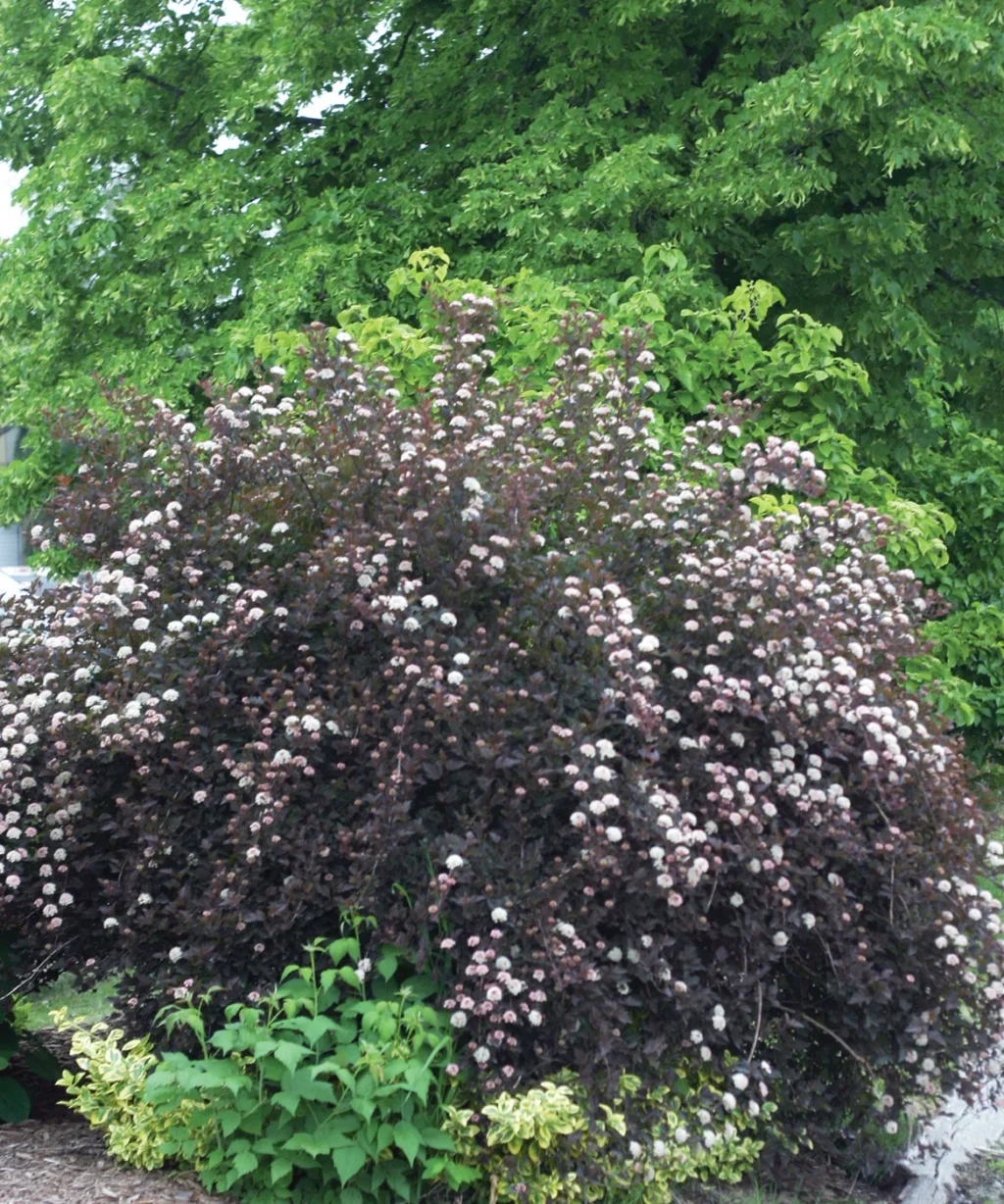
1. Tiny Wine® Ninebark (Physocarpus opulifolius): The Barberry Alternative
One of the most persistent issues in Midwest landscaping is the reliance on Japanese barberry (Berberis thunbergii), an invasive species that has become a major ecological concern. For gardeners drawn to the bold, dark foliage of these shrubs, Tiny Wine® ninebark offers a sophisticated, non-invasive alternative.
Ecological and Aesthetic Impact:
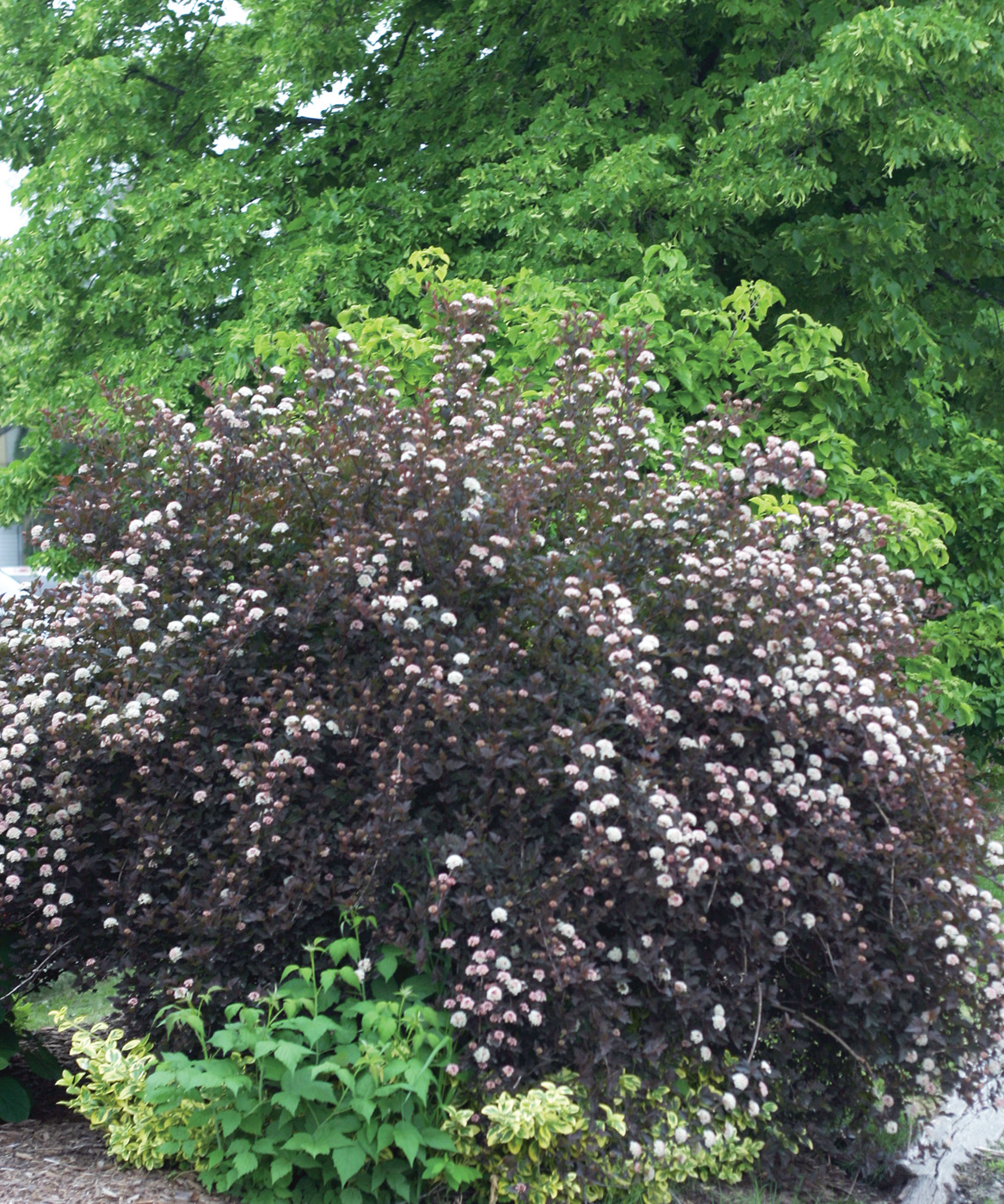
Tiny Wine® is celebrated for its smaller stature and dense, arching form, which provides structural interest throughout the year. Its deep, maroon-tinted foliage creates a dramatic focal point in any garden bed. Unlike the invasive barberry, which often spreads aggressively via bird-dispersed seeds, this cultivar is a refined, well-behaved choice. In spring, it produces clusters of whitish-pink flowers that provide a soft, airy contrast to the dark leaves.
Implementation:
This shrub is highly adaptable to a variety of soil types and is exceptionally hardy in Zones 4 through 8. It functions beautifully as a foundation plant, a solitary specimen, or when grouped together to form an informal, wildlife-friendly hedge.
2. Leatherwood (Dirca palustris): The Underused Woodland Gem
Leatherwood is perhaps the most underrated shrub in the Midwestern nursery trade. It is a slow-growing, long-lived woody plant that thrives in the dappled light of the forest floor—a perfect solution for gardeners struggling with shady corners that seem to attract invasive Asian honeysuckle.
Ecological and Aesthetic Impact:
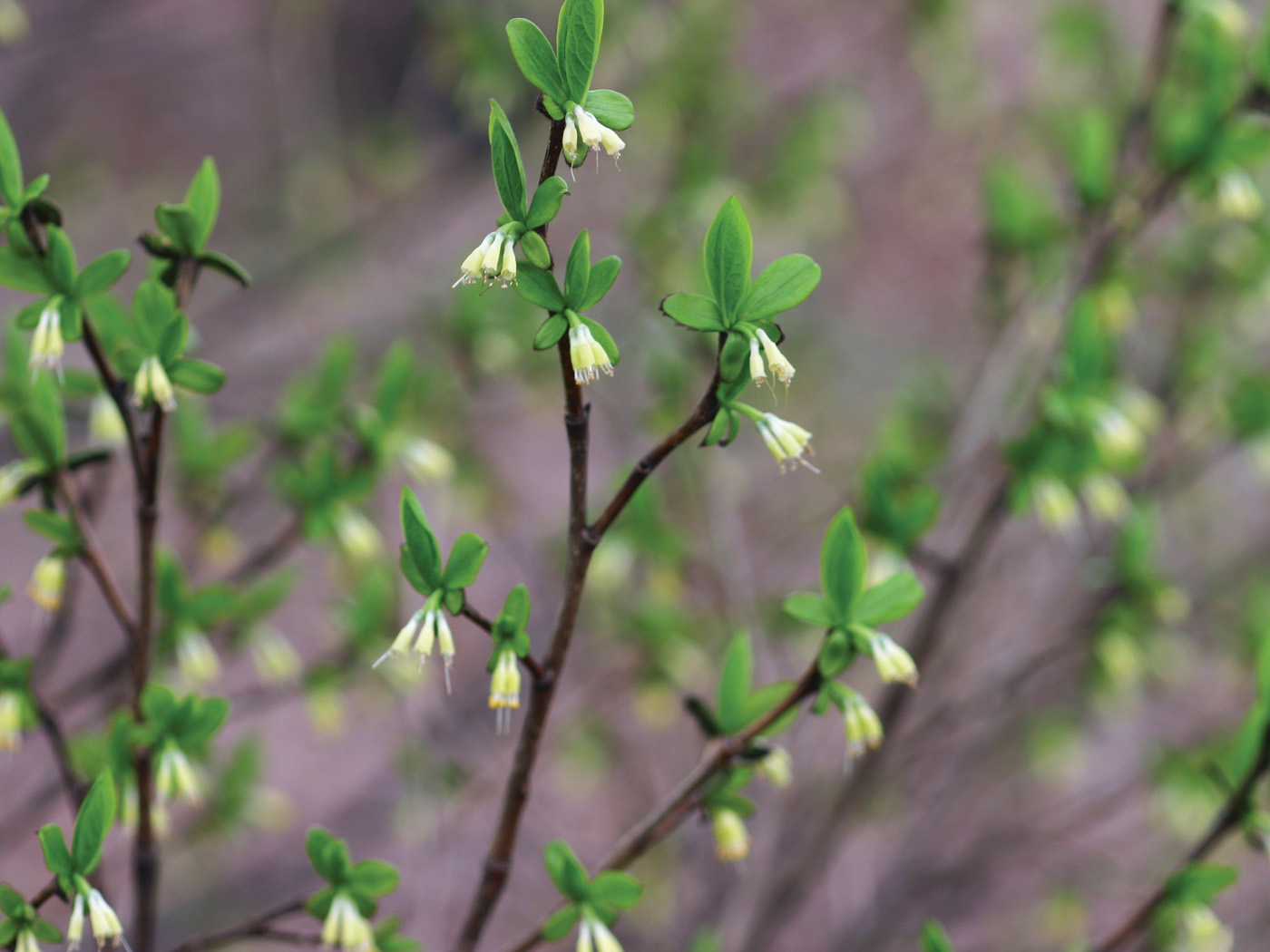
The allure of Dirca palustris lies in its distinctive, symmetrically rounded form and its understated elegance. It features elliptical, dusky green leaves that transition to a brilliant, clean yellow in the autumn. While its bell-shaped, pale yellow flowers are a welcome sight in early spring, the plant’s overall architecture is what truly commands attention.
Implementation:
The primary challenge with leatherwood is sourcing; it is not always available at big-box garden centers. However, for the patient gardener, the reward is substantial. It is remarkably resistant to insects and disease, making it a low-maintenance stalwart that offers beauty for decades. As it matures, it serves as a robust competitor against invasive shrubs that typically colonize shady habitats.
3. Gem Box® Inkberry (Ilex glabra): The Boxwood Substitute
With the rise of boxwood blight and the general fatigue associated with overused Buxus species, the search for a reliable, dense evergreen has led many to the native inkberry holly. Gem Box® is a standout selection that delivers the same formal, ball-shaped aesthetic as a traditional boxwood.
Ecological and Aesthetic Impact:
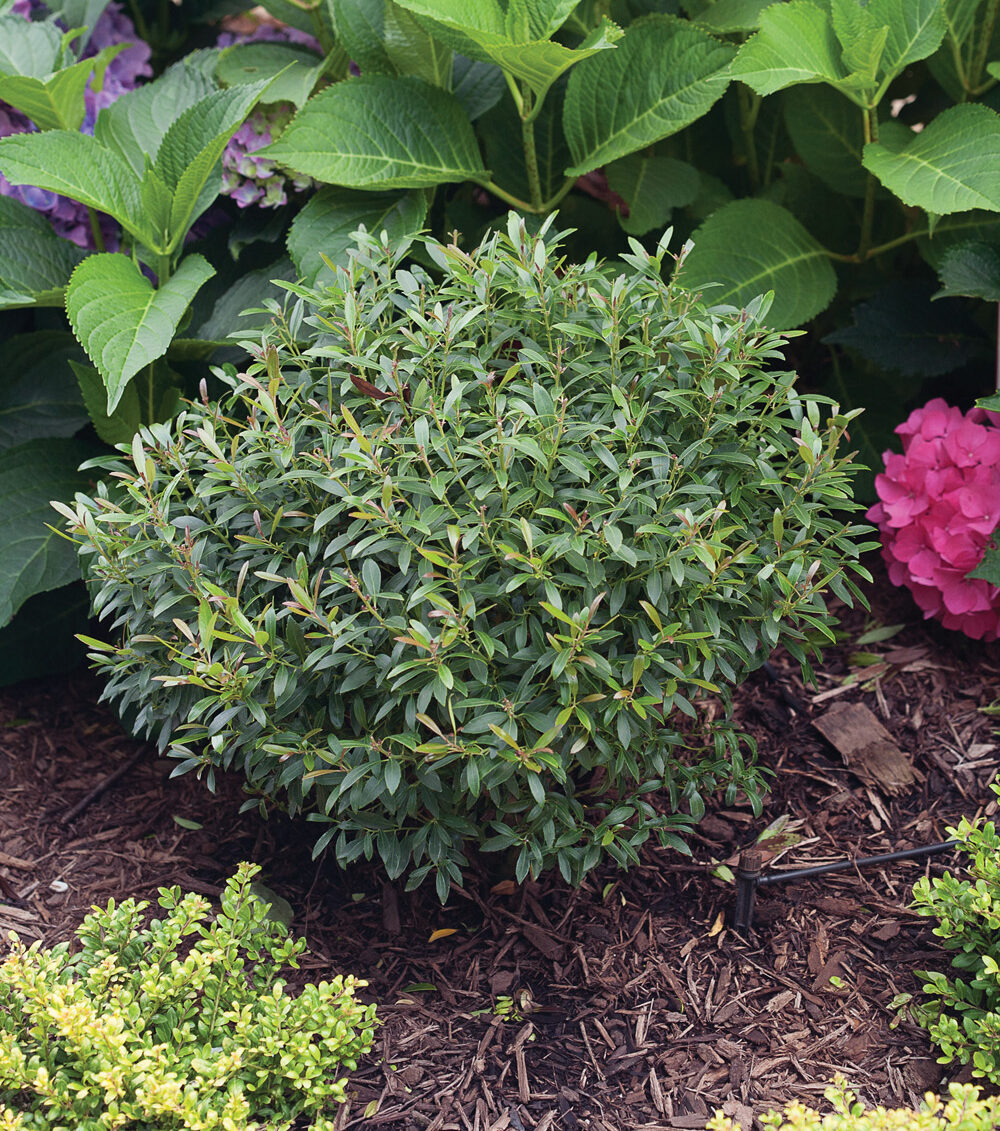
Gem Box® features small, glossy, dark green leaves and maintains a tidy, symmetrical habit without the need for constant, heavy pruning. It is an excellent choice for formal garden edges or as a structured element in mixed borders. In the spring, the foliage often displays charming reddish tips, while the winter brings a subtle, attractive bronzing.
Implementation:
This plant is particularly suited to moist, acidic soil conditions. It fills a critical niche for gardeners dealing with wet, heavy soils or those who require salt tolerance near driveways and pathways. Unlike boxwoods, which can be prone to winter burn and disease, inkberry is a resilient native that is largely ignored by deer, making it a superior choice for many Midwest locations.
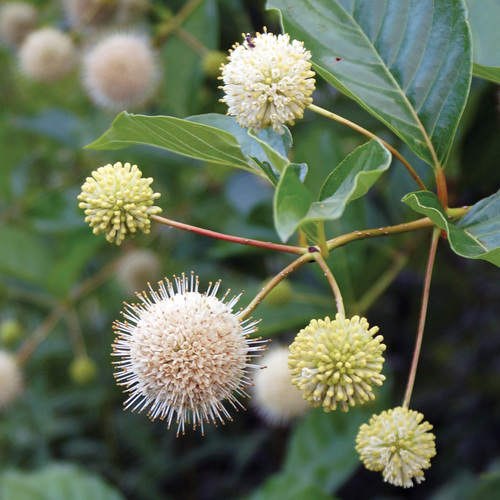
4. Buttonbush (Cephalanthus occidentalis): The Pollinator Magnet
If a garden serves as a sanctuary for wildlife, buttonbush is an essential inclusion. This large, deciduous shrub is gaining well-deserved popularity for its unique, otherworldly flower structures and its unmatched ability to support local insect populations.
Ecological and Aesthetic Impact:
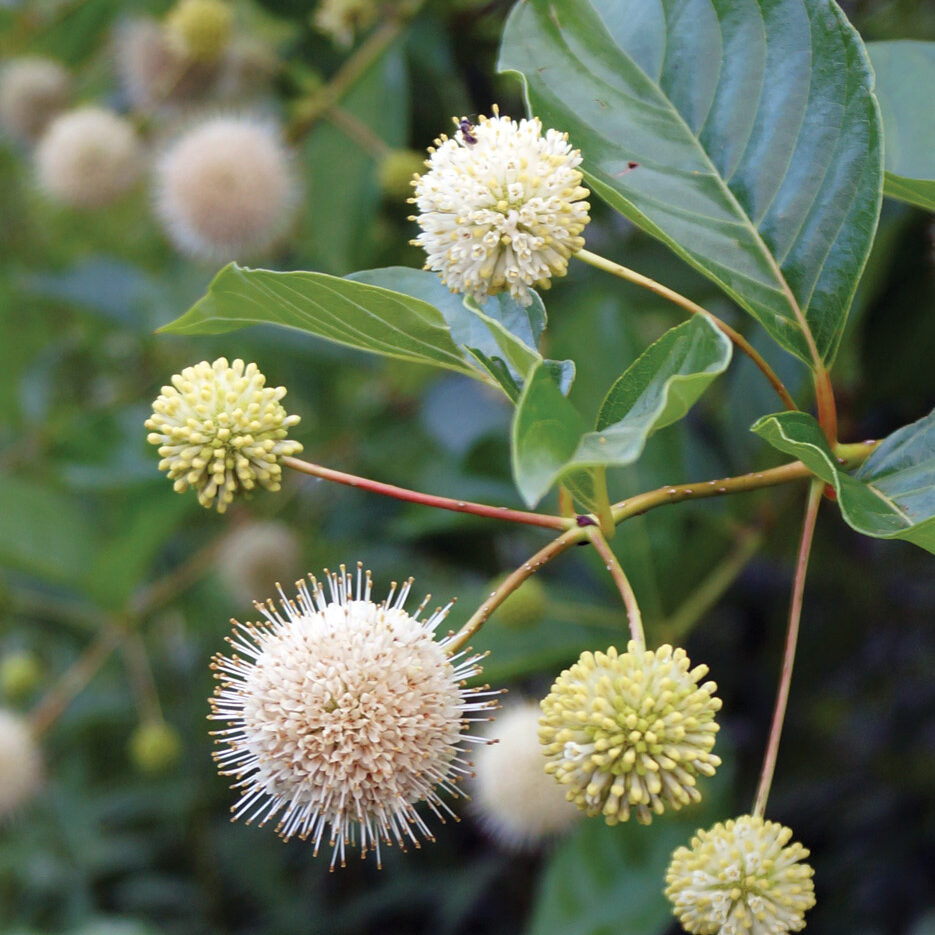
Buttonbush produces spherical, white flower heads—often described as "pin-cushions"—which are highly fragrant and packed with nectar. These blooms appear in the height of summer, attracting a vast array of butterflies, bees, and other pollinators. As the season progresses, the flowers give way to reddish-brown fruit, which serves as a vital food source for birds in the early fall.
Implementation:
While buttonbush is naturally found in wetlands and near stream banks, it has shown remarkable adaptability to average garden soils. It is an ideal candidate for rain gardens or low-lying areas that stay damp, but it will perform well in most landscape settings. It requires minimal pruning and is essentially free of the disease issues that plague many other ornamental shrubs.
Supporting Data: Why Biodiversity Matters
The transition to native shrubs is supported by a growing body of research regarding the "food web" approach to gardening. Native plants, unlike their non-native counterparts, are part of a closed-loop system. Insects have evolved specific biological requirements—often involving the leaves of native plants—to complete their life cycles. When we replace a non-native shrub like barberry with a native ninebark, we aren’t just changing the look of the garden; we are providing the essential fuel required by local songbirds and beneficial insect predators.
Official Guidelines for Invasive Management
Gardeners are strongly encouraged to consult their local agricultural extension offices regarding invasive plant lists. In many parts of the Midwest, species such as Berberis thunbergii and various Lonicera (honeysuckle) species are not just discouraged; they are legally restricted or classified as noxious weeds. The "invasive alert" status of these plants highlights the responsibility of the modern gardener to avoid purchasing or planting species that threaten the integrity of local woodlands.
Implications for Future Gardening
As we look toward the future of home horticulture, the integration of native shrubs represents a shift in philosophy. The "set it and forget it" mentality of the 20th century, which relied heavily on chemical inputs and non-native ornamentals, is giving way to a more nuanced, ecologically informed approach.
By choosing shrubs that are "tough as nails"—yet biologically connected to the local environment—gardeners are effectively climate-proofing their landscapes. Whether it is the shade-loving resilience of the leatherwood or the pollinator-heavy utility of the buttonbush, these plants provide the structure, seasonal interest, and environmental service that the modern Midwest garden requires.
For those ready to make the switch, the process can be gradual. Start by identifying one "trouble spot" in your yard where a non-native shrub is underperforming or requiring too much maintenance. Replace it with one of the aforementioned native alternatives. By doing so, you contribute to a larger regional effort to restore the Midwest’s natural beauty, one plant at a time.
For those looking to maintain their new, native-focused landscapes, professional-grade tools—such as long-reach pruners for delicate shaping or reciprocating saws for managing established hedges—can ensure that your garden remains both beautiful and easy to manage throughout the changing seasons.