Beyond the Window: Mastering the Art of Artificial Lighting in Food Photography

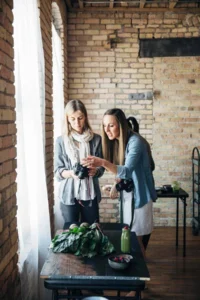
For decades, the golden rule of food photography has been simple: follow the sun. Aspiring photographers and seasoned professionals alike have long operated under the assumption that a north-facing window and a sliver of soft, natural light are the only ingredients required for a professional-grade shot. However, as the digital landscape evolves and the demand for high-quality, consistent content grows, the "natural light mandate" is being challenged.
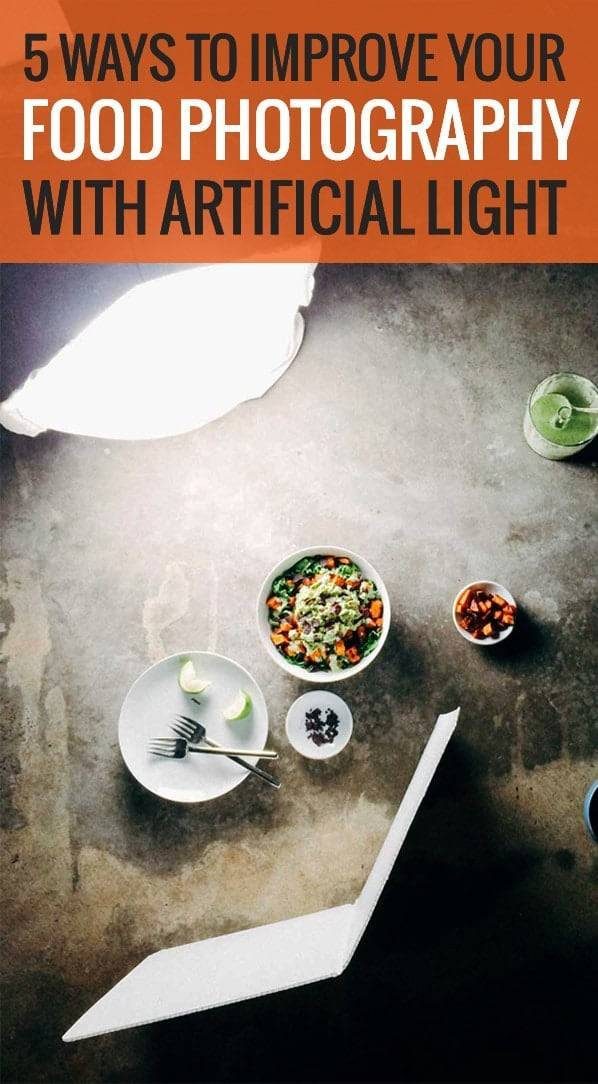
For many, the reliance on daylight is not just a stylistic choice; it is a significant barrier to entry. Whether you are a culinary professional with a 9-to-5 job or a content creator navigating the unpredictable climate of regions like the American Midwest, the availability of natural light is often a luxury, not a constant.
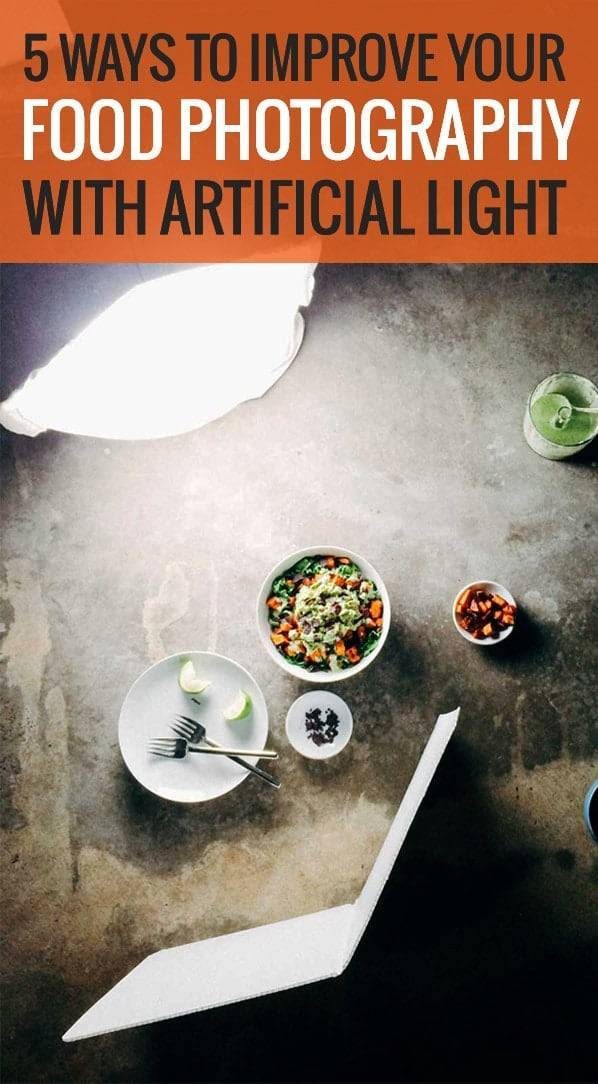
The Myth of the "Natural Light Only" Standard
The narrative that professional food photography requires natural light is often debunked the moment a creator attempts to work on a schedule. For years, many photographers have felt trapped, waiting for that fleeting window of "golden hour" perfection, only to have the sky turn a murky gray, rendering their session a failure. Even for full-time professionals, the lack of control over the sun’s position and intensity creates an unpredictable workflow.
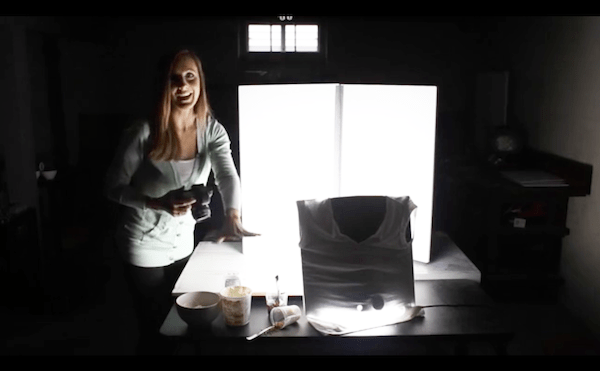
As the industry shifts toward higher production standards, the ability to replicate or replace natural light has become a necessary skill set. Transitioning to artificial lighting is no longer about "faking" a look; it is about reclaiming autonomy over one’s creative schedule.
A Chronology of the Shift Toward Studio Lighting
Historically, high-end commercial food photography relied heavily on artificial strobe systems. It was only with the rise of the blogging era that the "natural light" aesthetic became the dominant trend, largely because it was accessible and inexpensive.
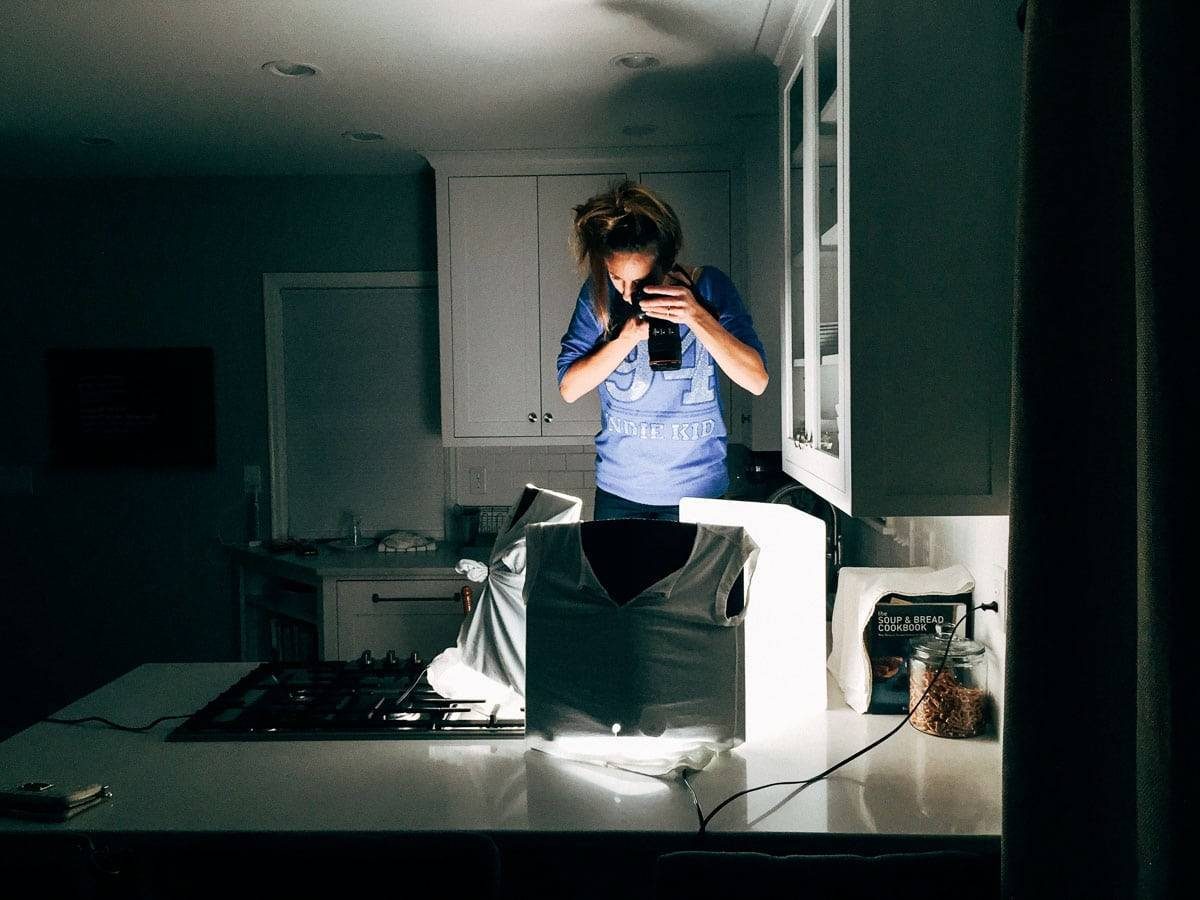
However, we are currently witnessing a "second wave" in food photography. Influenced by the need for efficiency and the desire for consistent brand aesthetics, creators are moving back to controlled environments.
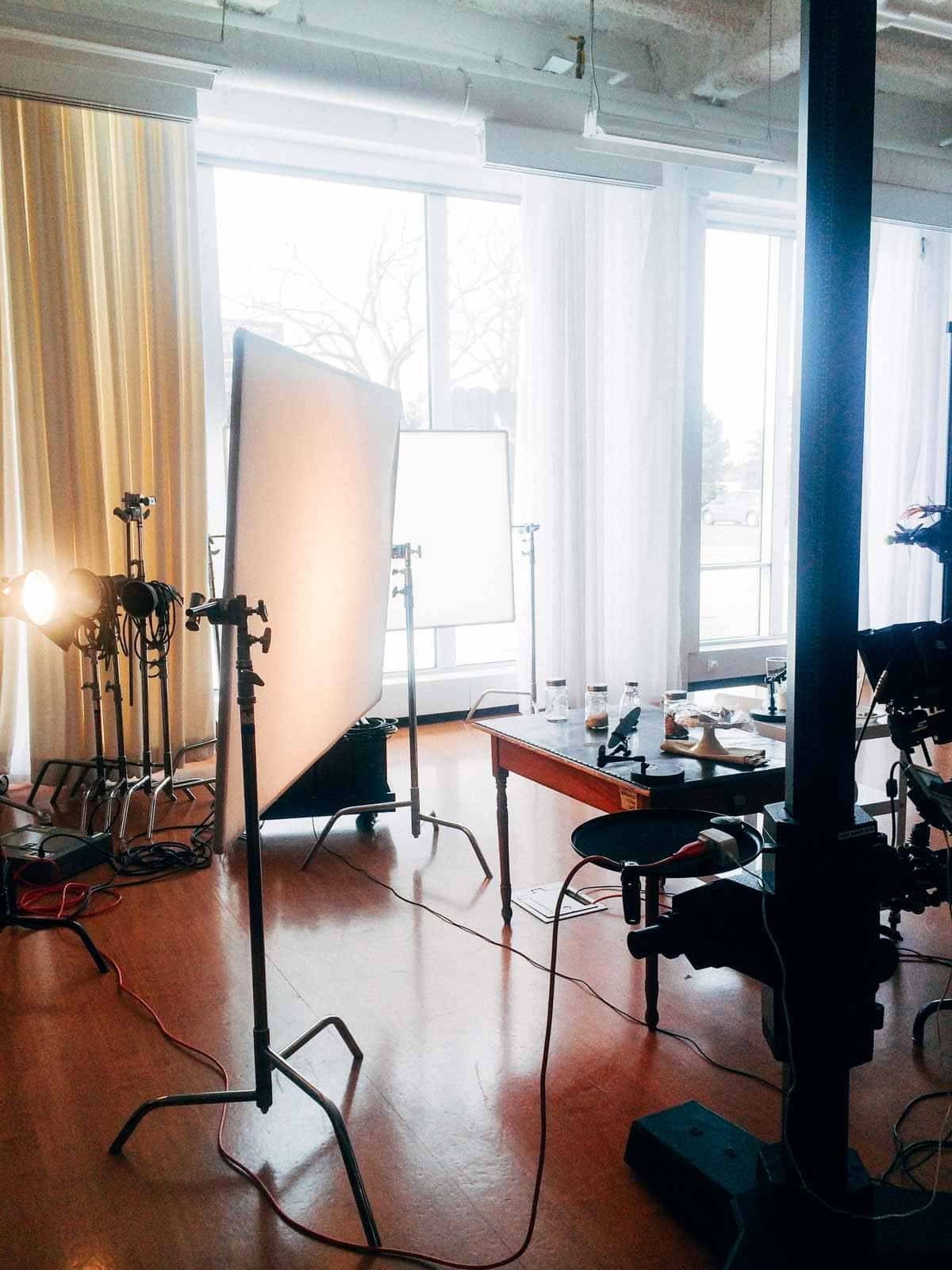
- The Early Years (Pre-2010): Professional studios relied exclusively on complex, expensive flash systems.
- The Rise of the Blogger (2010–2014): Small-scale creators prioritized natural light due to budget constraints and the "authentic" aesthetic it provided.
- The Modern Pivot (2015–Present): With the democratization of high-quality, affordable LED and strobe lighting kits (such as those from Neewer or Godox), the barrier to entry has vanished. Today, the most successful food photographers use a hybrid approach or rely entirely on artificial setups to ensure their portfolio remains consistent regardless of the weather.
Supporting Data: Why Artificial Light Wins on Consistency
The argument for artificial lighting is rooted in three pillars: control, consistency, and color accuracy.
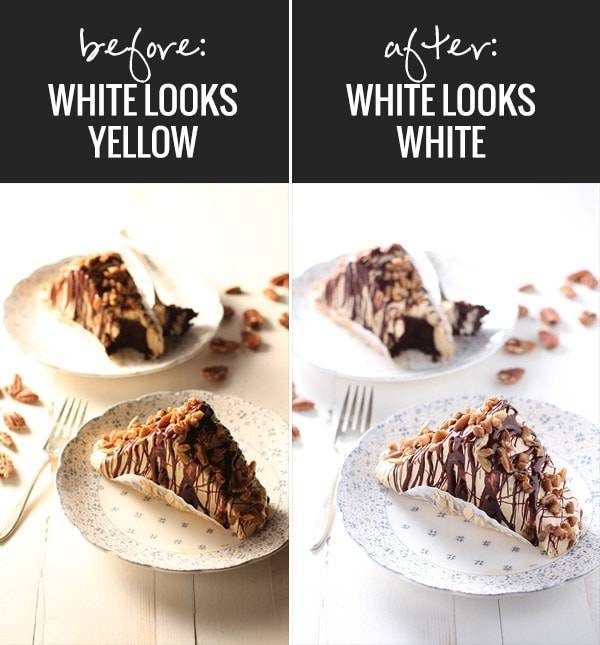
1. Eliminating Ambient Contamination
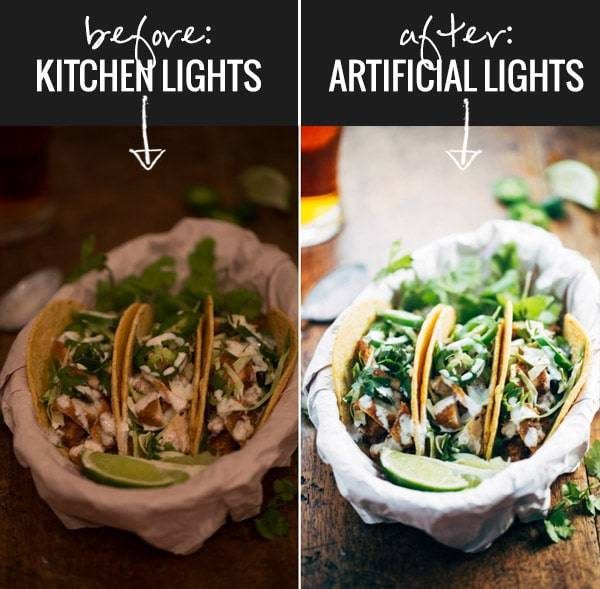
The most common mistake amateur photographers make is relying on overhead kitchen lights while trying to incorporate artificial setups. Standard kitchen bulbs often carry a yellow or orange tint (high Kelvin temperature), which conflicts with professional-grade photography lights. By turning off all overhead sources and sealing a room from competing window light, the photographer gains total control over the color temperature of the scene.
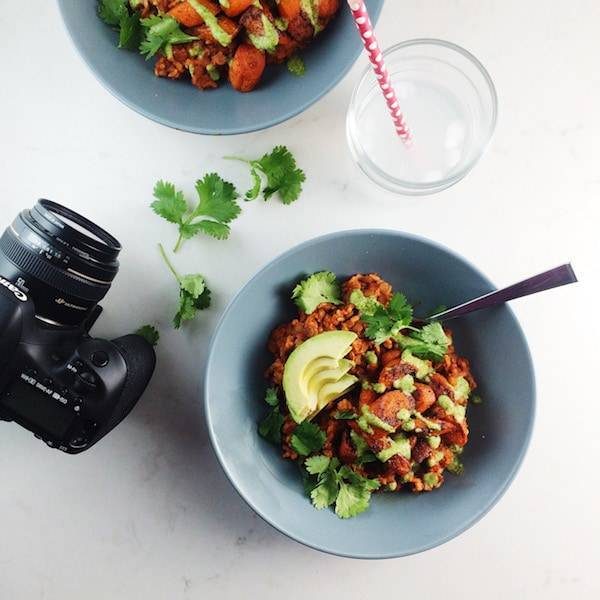
2. Manipulating Texture and Depth
Natural light is often "flat" when it comes from a single direction. Artificial lighting allows for the use of diffusers, grids, and reflectors to sculpt light around the subject. By controlling the angle of incidence, photographers can highlight the crunch of a crust or the steam rising from a soup, adding a tactile quality that is difficult to achieve with ambient daylight.

3. The Science of White Balance
Shooting on a white surface serves as a diagnostic tool for white balance. If a light source is casting an unwanted hue, a white background makes it immediately apparent. Photographers are increasingly finding that it is technically superior to shoot with a slight bias toward "cool" (blue) tones, which are much easier to warm up during post-processing than "warm" (yellow) tones are to neutralize.
Expert Perspectives and Professional Standards
Industry experts note that the transition to artificial light is not merely a convenience—it is a professional requirement for those who need to scale their output.
"The goal is not to abandon the look of natural light, but to replicate its best qualities," says one leading instructor in the Food Blogger Pro community. "When you understand the physics of light—how it bounces, how it is diffused, and how it hits a surface—you no longer need to look at the clock or the weather report before picking up your camera."

Professional food photographers emphasize that the equipment is only half the battle. A lighting unit is a tool, not a solution. The true skill lies in the orchestration of the entire scene: the placement of the light, the use of scrims to soften the output, and the strategic positioning of reflectors to fill in shadows.
Implications for the Future of Food Content
The pivot toward artificial lighting has significant implications for the future of culinary media:
- Increased Productivity: Creators are no longer limited to shooting during the 10:00 AM to 2:00 PM window. High-quality work can be produced at 8:00 PM or in the dead of winter.
- Branding Consistency: Brands require a uniform look across their social media and marketing channels. Artificial light ensures that a photo taken on a Tuesday in July looks identical to a photo taken on a Friday in December.
- Education and Skill Development: As the market becomes more saturated, the demand for technical expertise is rising. Learning to master manual camera settings—ISO, shutter speed, and aperture—alongside lighting is separating professional-grade content from amateur snapshots.
Conclusion: Achieving Photography Freedom
The journey from being a "slave to the window" to a master of the studio is a transformative process for any food photographer. While the initial investment in lighting gear and the learning curve of manual camera operation may seem daunting, the payoff is unparalleled creative freedom.
By embracing artificial light, photographers can finally stop chasing the sun and start creating the perfect light whenever and wherever they choose. Whether you are working on a kitchen countertop, in a basement, or a professional studio, the principles of light manipulation remain the same. The future of food photography is not found in the weather forecast; it is found in the deliberate, calculated, and creative control of the light you place upon your subject.
As the industry continues to evolve, those who master these techniques will find themselves at a distinct advantage, capable of delivering stunning, high-quality imagery regardless of external circumstances. It is time to step out of the shadows of the window and into the bright, consistent world of artificial lighting.