Bridging the Gap: How Peer-to-Peer Training is Transforming Produce Safety for Small-Scale Growers
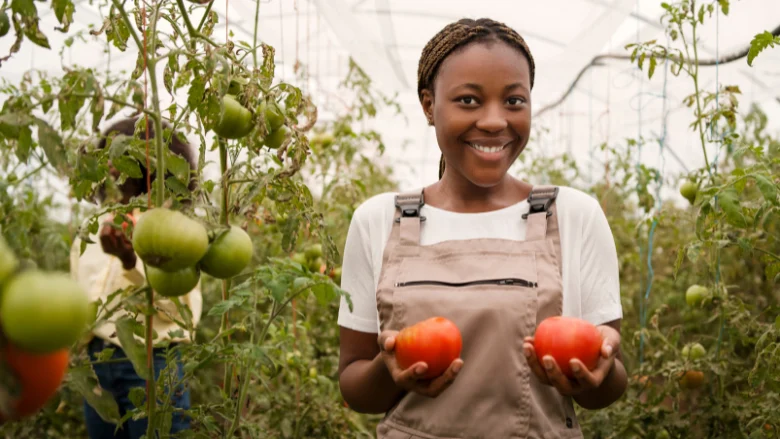
For the small and mid-sized produce farmer, the mandate to ensure food safety is not merely a regulatory hurdle; it is a profound moral commitment to the health of their community. Yet, for many of these operations, the path to compliance is fraught with logistical, financial, and administrative barriers. A growing body of research, coupled with innovative outreach programs, is now shedding light on how to bridge the gap between complex federal requirements and the day-to-day realities of farming.
The Landscape of Constraint: Understanding the Small-Grower Challenge
A recent study conducted by researchers at Purdue University has illuminated the unique hurdles faced by smaller agricultural operations. The survey, which focused on Indiana growers, revealed a paradox: while small-scale farmers possess a high degree of commitment to producing safe, high-quality food, they are often hamstrung by the "three pillars of limitation"—time, labor, and technical accessibility.
The Purdue findings suggest that small growers are largely motivated by intrinsic values, such as a deep sense of responsibility to their neighbors and their local reputation. However, when faced with the intricacies of the FDA’s Produce Safety Rule, these farmers often find that existing guidance is designed for larger industrial operations with dedicated food safety staff. This leaves the small-scale grower to navigate a maze of recordkeeping requirements and technical standards while simultaneously managing the volatile demands of harvest, weather, and market logistics.
The researchers concluded that the traditional "top-down" approach to regulatory outreach is insufficient. Instead, they advocate for a shift toward decentralized, trust-based support systems that leverage local Extension services. The goal is to transform food safety from a burdensome administrative task into a manageable component of daily farm operations.
The Jumpstart to Produce Safety: A Collaborative Response
Recognizing these systemic challenges, the University of New Hampshire (UNH) and the University of Maine (UMaine) Cooperative Extension launched the "Jumpstart to Produce Safety" program. Funded by the U.S. Department of Agriculture’s National Institute of Food and Agriculture (USDA-NIFA) Food Safety Outreach Program, the initiative was specifically architected to address the pain points identified by the Purdue study.
Mary Saucier Choate, a Food Safety Field Specialist with the UNH Cooperative Extension, notes that the Purdue study resonated deeply with her team’s experience in the field. "The Purdue study painted a picture that felt very familiar to us," says Choate. "We see growers who genuinely want to do the right thing but are up against the daily challenges of limited labor, recordkeeping headaches, and the difficulty of finding guidance that actually applies to a small-scale, diversified farm."
The Jumpstart Program was designed as a direct answer to these frustrations, focusing on "microlearning"—a strategy that breaks down complex safety protocols into small, actionable, and digestible segments.
Chronology of the Program: From Engagement to Empowerment
The success of the Jumpstart initiative was rooted in a structured, three-phase methodology that prioritized relationship-building over punitive auditing:
Phase I: Needs Assessment and Trust Building
Extension specialists began by meeting farmers "where they are." Instead of classroom-style lectures, specialists conducted on-farm visits. By physically walking the fields and packinghouses with growers, they were able to provide tailored technical assistance that accounted for the specific infrastructure and limitations of each farm. This phase was crucial for establishing the trust necessary to discuss sensitive operational gaps.
Phase II: Incremental Risk Reduction
Once the trust was established, the program moved into a collaborative phase of implementation. Specialists worked with growers to identify high-impact, low-cost modifications. This phase emphasized "incremental improvement"—the idea that a farm does not need to be perfect overnight, but rather consistently safer than it was yesterday.
Phase III: Peer-to-Peer Knowledge Sharing
The final phase involved capturing these success stories on camera. By documenting real-world improvements made by participating farmers, the program created a library of visual, practical resources. These videos serve as a "peer-to-peer" bridge, allowing a farmer in Maine to see how a farmer in New Hampshire solved a specific storage or sanitization issue, thereby democratizing access to technical knowledge.
Supporting Data: Quantifiable Improvements in Farm Safety
The effectiveness of the Jumpstart Program is not merely anecdotal; the data gathered during the implementation phase reveals significant shifts in on-farm culture and infrastructure. In New Hampshire alone, 28 farms completed the intensive program, resulting in a measurable increase in food safety preparedness.
The most common improvements were centered on packinghouse sanitation and the management of agricultural chemicals. However, the scope of the impact was much broader:
- Worker Health and Hygiene: Improved protocols for handwashing and employee training.
- Environmental Control: Enhanced pest and animal exclusion strategies.
- Harvest Practices: Adoption of food-grade, easily cleanable harvest containers.
- Documentation: Implementation of simplified, consistent recordkeeping systems.
Perhaps most significantly, more than 50 percent of the enrolled growers reported implementing between one and five distinct, permanent safety modifications. These changes, while often "deceptively simple"—such as relocating a handwashing sink or installing bird netting—have had a profound impact on reducing the risk of contamination.
One particularly telling success story involved a grower who, through the program’s water testing initiative, discovered that their water source required treatment. Without the access and technical guidance provided by the Jumpstart specialists, this critical safety risk might have gone undetected for years, potentially endangering both the consumer and the viability of the farm itself.
Official Responses and the "Ripple Effect"
The implications of the Jumpstart Program extend far beyond the immediate goal of passing a food safety inspection. As Mary Saucier Choate points out, the program triggered a "ripple effect" of operational benefits.
"Growers reported that having written Standard Operating Procedures (SOPs) helped them maintain consistent practices even during staff turnover or owner absences," Choate explains. This administrative stability is a significant boon for small businesses, which are notoriously vulnerable to the loss of institutional knowledge when a key employee leaves.
Furthermore, these improvements have opened new market doors. Many wholesalers and food hubs require rigorous food safety documentation before they will accept produce. By helping farmers formalize their safety practices, the Jumpstart Program has effectively acted as a business accelerator, positioning these small-scale farms to compete in markets that were previously inaccessible to them.
Implications: The Future of Decentralized Outreach
The success of the Jumpstart to Produce Safety program serves as a blueprint for the future of agricultural extension services. By focusing on practical, low-cost, and, most importantly, relatable content, the program has proven that compliance does not have to be a burden.
The project’s microlearning video series, which now features over 70 short videos, has been integrated into the resource libraries of state departments of agriculture in Maine and New Hampshire. This indicates a growing trend toward "centralized, yet accessible" information. Regulators and educators are increasingly realizing that the most effective way to reach the modern farmer is not through dense, 200-page manuals, but through the digital medium of short-form, peer-led instruction.
As the industry moves forward, the "Jumpstart" model offers a compelling case for shifting the focus from "policing" to "partnership." The philosophy—that the best proof of feasibility is watching a peer succeed—is a powerful catalyst for change. As these resources become more widely distributed, the hope is that they will empower a new generation of growers to prioritize food safety not because they are forced to, but because they have been equipped with the tools to do so effectively and efficiently.
A Call to Action for the Agricultural Community
The journey toward a safer food system is iterative. For small and mid-sized growers, the path is no longer a solitary one. Through the continued development of resources like the Jumpstart video series, available via the UNH Extension YouTube channel, the goal is to create a national network of knowledge.
Whether you are a farm manager, an agricultural educator, or a food hub representative, the message is clear: the most impactful safety improvements are often the ones that fit seamlessly into the existing rhythm of the farm. By fostering a culture where growers are encouraged to share their challenges and celebrate their "deceptively simple" successes, the agricultural community can build a more resilient, transparent, and safe food supply chain—one harvest at a time.
For those looking to explore these resources, the library of videos stands as a testament to the power of collaboration, proving that when farmers are supported with trust and practical guidance, they are more than capable of leading the charge in food safety innovation.