Can Healthy Foods Mitigate the Damage of Unhealthy Indulgences? A Deep Dive into Vascular Health
The modern diet often presents a paradox: the allure of indulgent, often unhealthy, foods versus the undeniable imperative of maintaining good health. This tension raises a crucial question for many: if one succumbs to an unhealthy meal, is there anything that can be consumed alongside it to lessen the potential damage to the body, particularly to our cardiovascular system? Emerging scientific research suggests that while a consistently healthy diet remains paramount, certain plant-based foods possess remarkable protective properties that can, to varying degrees, counteract the immediate detrimental effects of less-than-ideal dietary choices.
Main Facts: The Startling Reality of Dietary Impact on Arteries
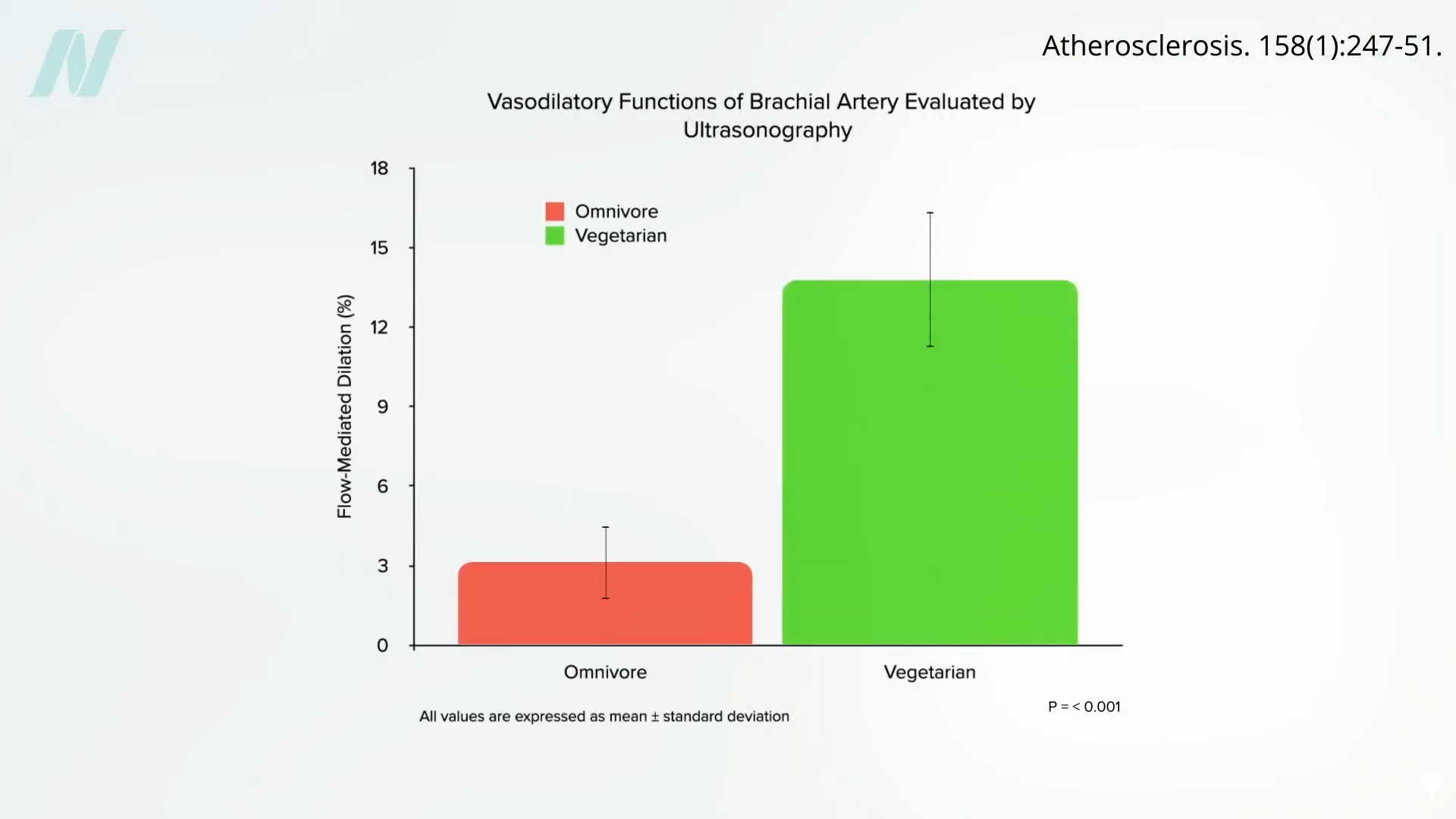
At the heart of this inquiry lies the critical function of our arteries – their ability to dilate and contract, ensuring optimal blood flow to every organ and tissue. This endothelial function is a key indicator of cardiovascular health. Research has consistently shown a stark disparity in this vital function between different dietary groups. For instance, studies comparing vegetarians and meat-eaters reveal that those adhering to a vegetarian diet exhibit significantly superior artery function, capable of dilating and increasing blood flow up to four times more effectively. This substantial difference persists even when accounting for other lifestyle factors such as age, smoking habits, body mass index, and pre-existing conditions like diabetes, high cholesterol, and high blood pressure.
The implications of these findings are profound. They suggest that dietary patterns directly influence the health and flexibility of our blood vessels, hinting at the potential for specific foods to either harm or protect. While the absence of harmful components in a vegetarian diet undoubtedly plays a role, a growing body of evidence points to the active protective mechanisms offered by certain whole plant foods, such as particular nuts and a variety of berries, which can actively improve vascular health, even in the face of dietary challenges.
Chronology: Unpacking Decades of Research on Diet and Vascular Health
The journey to understanding the intricate relationship between diet and vascular health has been a progressive one, built upon a series of illuminating studies that have gradually refined our knowledge.
Early Discoveries: The Undeniable Vegetarian Advantage
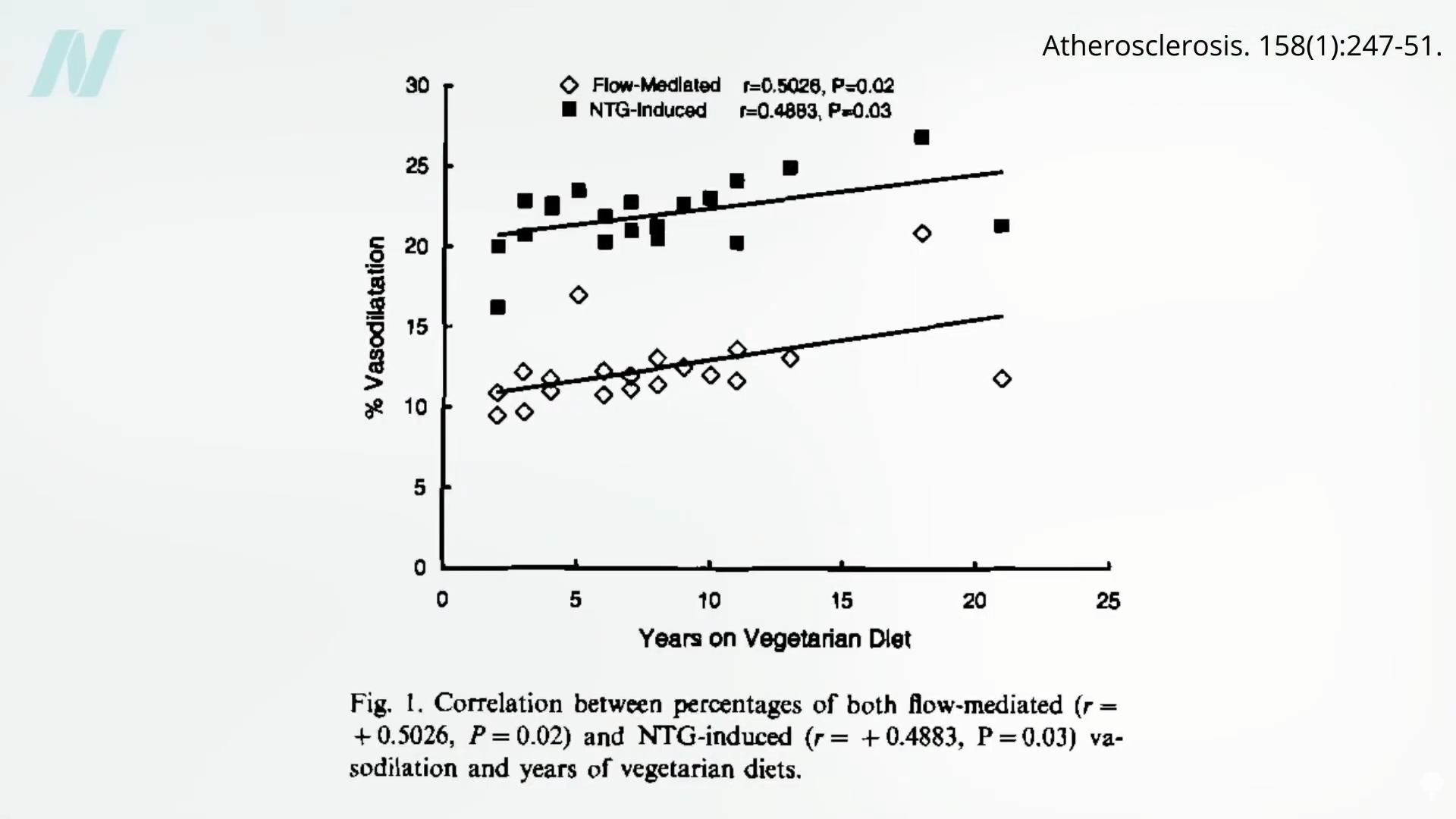
One pivotal study, published in 2001, laid a strong foundation by directly comparing the artery function of vegetarians and meat-eaters (pubmed.ncbi.nlm.nih.gov/11500198/). Researchers meticulously controlled for confounding variables, ensuring that only healthy non-smokers participated. Furthermore, they carefully recruited a group of omnivores who were similarly slim, had comparable blood pressure readings, and nearly identical cholesterol levels to their vegetarian counterparts. Despite these efforts to equalize baseline health, the results were unequivocal: the omnivore group’s arteries were significantly outperformed by those of the vegetarians.
What made these findings particularly compelling was the observed "dose-response" relationship. The longer an individual had maintained a meat-free diet, the better their artery function appeared to be. Instead of the natural decline in artery function often associated with aging, long-term vegetarians showed continuous improvement over time. This suggested that a vegetarian diet wasn’t merely preventing damage but actively fostering superior vascular health, thereby offering a plausible explanation for the lower rates of atherosclerosis and cardiovascular mortality consistently observed in vegetarian populations. The researchers hypothesized that this benefit stemmed either from the absence of harmful effects typically associated with meat consumption or from the increased intake of whole, healthy plant foods.

Identifying the Culprit: Animal Fat Versus Plant Fat
Further investigations sought to pinpoint the specific dietary components responsible for arterial impairment. A revealing experiment compared the immediate effects of two distinct "junky" meals on artery function. Participants consumed either a fatty fast-food meal consisting of an Egg McMuffin, Sausage McMuffin, and hash brown patties, or a sugary cereal meal of Frosted Flakes (pubmed.ncbi.nlm.nih.gov/9036757/). The results were clear: the high-fat fast-food meal significantly impaired artery function within hours, whereas the sugary cereal meal did not.
Initially, fat was blamed as the primary culprit. However, subsequent research introduced a critical nuance: it appeared to be animal fat, specifically saturated fat, that posed the greatest threat. High-fat whole plant foods, such as nuts, were found not to elicit the same detrimental effects. In fact, a systematic review of randomized controlled trials on nut consumption and artery function demonstrated precisely the opposite; nuts consistently led to significant improvements in artery health over time (bmjopen.bmj.com/content/7/11/e016863). This distinction was crucial, shifting the focus from fat in general to the type of fat consumed.
The Rise of Berry and Nut Studies as Mitigators
With a clearer understanding of the harm caused by animal fats, researchers began exploring whether specific plant foods could actively mitigate this damage.
-
Walnuts: The "Blueberries of Nuts": A compelling study investigated whether nuts could counteract the artery-crippling effects of a less-than-healthy meal, specifically a salami sandwich (pubmed.ncbi.nlm.nih.gov/30170643/). The answer was a resounding yes for walnuts, but notably, no for almonds. This highlighted that not all healthy foods are created equal, much like some fruits are nutritionally superior to others (e.g., blueberries over bananas). Walnuts, rich in omega-3 fatty acids and powerful antioxidants, emerged as the standout "blueberries of nuts," demonstrating a unique ability to protect vascular function.
-
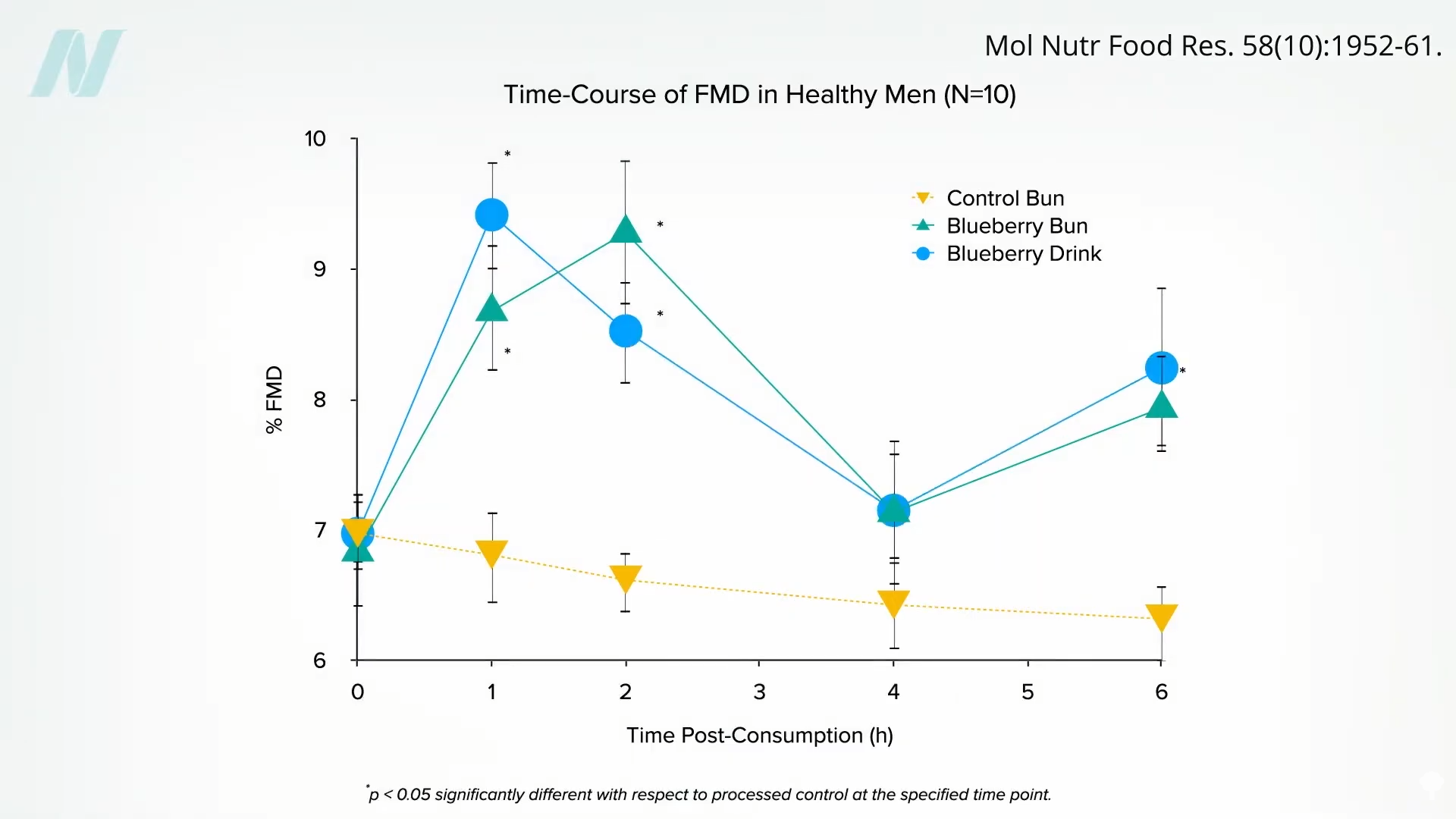
Blueberries: A Potent Shield: The "blueberry of berries" itself, blueberries, proved to be an exceptionally potent vascular protector. A randomized, controlled crossover trial tested the effects of raw and cooked blueberries on artery function when consumed with an unhealthy base meal (pubmed.ncbi.nlm.nih.gov/25044909/). Participants ate buns made from white flour, eggs, butter, and salt, heavily laden with sugar and eggs, which predictably led to a gradual drop in artery function over six hours. However, when the equivalent of a cup of wild blueberries was added to the same bun, a remarkable boost in artery function was observed. The blueberries almost entirely negated the negative effects, performing nearly as well as if they had been consumed with water alone. This demonstrated the immediate, powerful protective effect of blueberries.
-
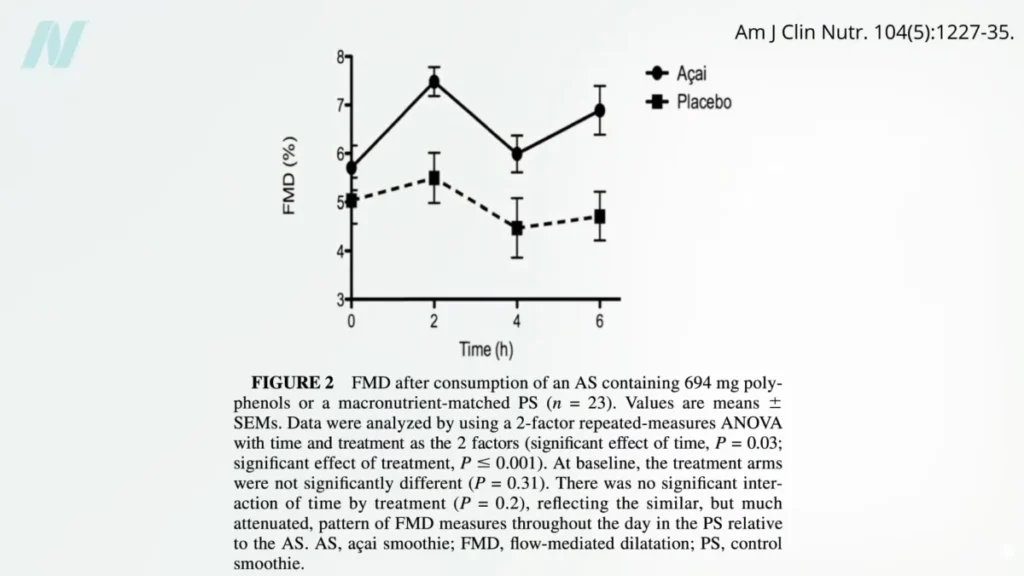
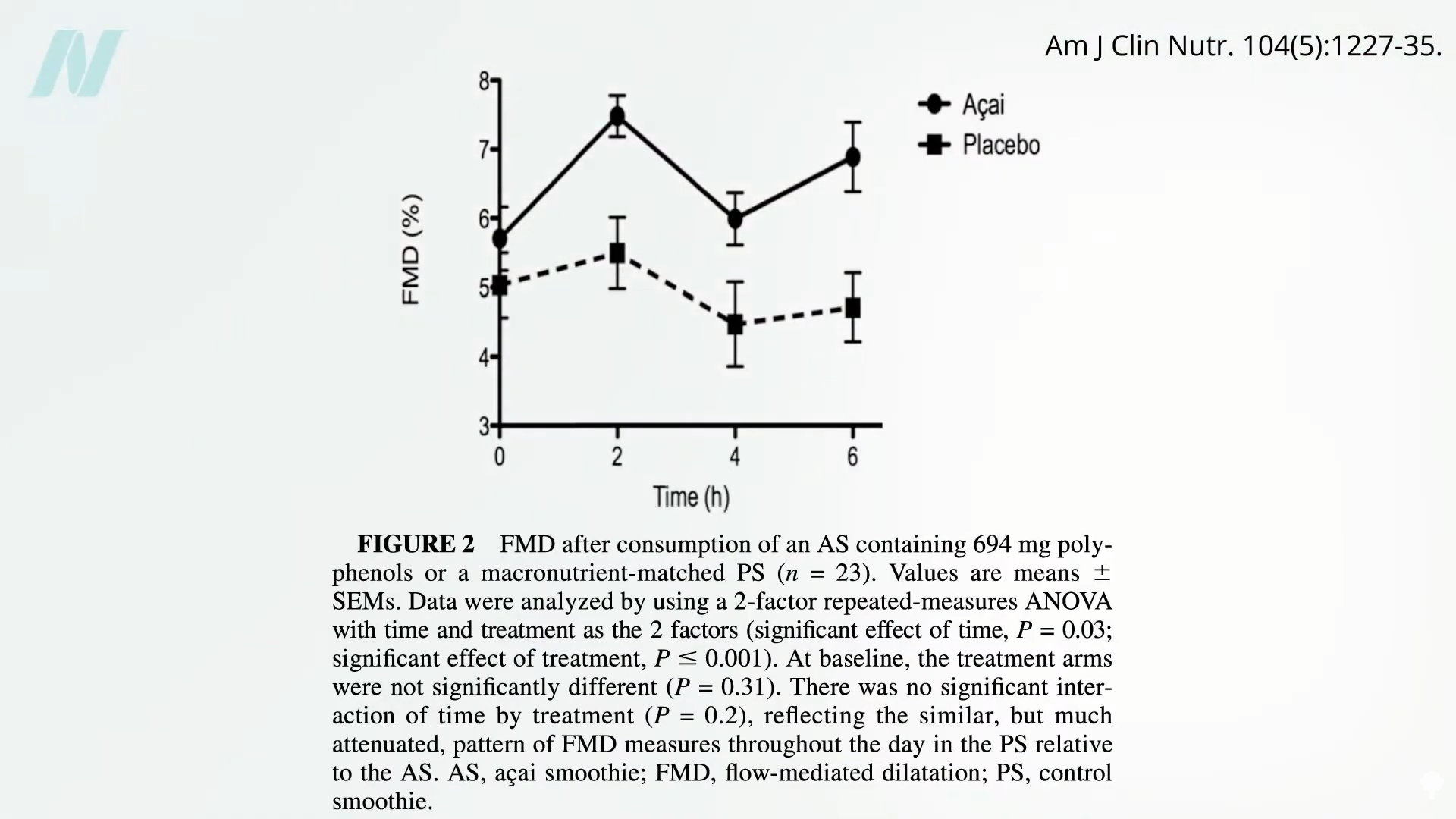
Acai and Raspberries: Extending the Berry Benefit: Other berries also showed promise. A study on acai berries found that one and a half frozen acai smoothie packs, blended with half a small banana in water, significantly rehabilitated arterial function compared to a control smoothie (pubmed.ncbi.nlm.nih.gov/27680990/). The effect was substantial, illustrating acai’s restorative potential.
Even more rigorously, a double-blind, randomized, controlled trial investigated the effects of raspberries. Participants drank smoothies containing either a smaller dose (about ¾ cup) or a larger dose (about 1½ cups) of frozen red raspberries, or a placebo drink matched for color and taste (pubmed.ncbi.nlm.nih.gov/29802820/). Both raspberry doses significantly improved artery function, with effects observed at 2 hours and still present at 24 hours. Interestingly, the ¾ cup dose proved as effective as the 1½ cup dose, suggesting a plateau in benefits after about a cup, similar to findings with blueberries (pubmed.ncbi.nlm.nih.gov/24004888/). The bottom line: "dietarily achievable amounts of red raspberries acutely improves" artery function for up to 24 hours. Even a modest 1% increase in artery function is statistically significant, associated with a 12% reduction in the risk of cardiovascular events like heart attack or stroke at a population level.
-
Cranberry Juice: A Concentrated Effect: The benefits of berries extended to their juice forms, albeit with considerations. Researchers tested five different concentrations of cranberry juice against a placebo (pubmed.ncbi.nlm.nih.gov/27242317/). The 25% cranberry juice drink provided a small bump in artery function at two hours, while the 50% juice showed benefits lasting eight hours. Higher concentrations (75%, nearly pure, and ultra-concentrated) also improved artery function within hours of consumption. However, it’s crucial to note that this study, like the raspberry study, involved consuming berries or juice without an accompanying "artery-crushing" meal.
Limitations and What Doesn’t Work: The Limits of Mitigation
While certain plant foods demonstrate impressive protective capabilities, the research also clearly delineates the limits of mitigation.
-
Overwhelming the System: Some meals are simply too detrimental for even powerful plant foods to completely offset. About the same amount of strawberries that showed promise in other contexts failed to rescue artery function from the likes of two cheese blintzes, whipped cream, sugary syrup, egg, and bacon (pubmed.ncbi.nlm.nih.gov/28003205/). This illustrates that there’s a threshold beyond which even potent antioxidants struggle to cope.
-
Mixed Berry Cocktails and High-Fat Meals: A cocktail of various berries (grapes, blueberries, strawberries, lingonberries, and black aronia berries) consumed with a high-fat meal showed no significant change in artery dysfunction (pubmed.ncbi.nlm.nih.gov/31208093/). While consuming these berries alone would likely improve artery function, their combined power wasn’t enough to counteract the immediate negative impact of a very high-fat meal.
-
Common Beverages and Fatty Meals: The notion that common beverages like orange juice, green tea, or red wine might offer protection against unhealthy meals was also tested. Participants consuming ham and cheese croissants alongside water, orange juice, green tea, or red wine found their arteries equally distressed; none of the beverages offered any significant protective effect (pubmed.ncbi.nlm.nih.gov/31681007/). The conclusion remains clear: it’s best to avoid such unhealthy meals altogether.
-
The Paradox of Orange Juice: Perhaps most surprisingly, drinking orange juice with a fatty meal could actually exacerbate the problem. When participants ate bacon and cheese muffins with or without orange juice, the juice led to a longer period of elevated fat levels in the blood (pubmed.ncbi.nlm.nih.gov/27901186/). This phenomenon is likely due to the body preferentially burning the rapidly absorbed free sugars in the juice (sugars not encased in cell walls as they are in whole fruit) for energy, leaving the dietary fats to linger longer in the bloodstream and potentially cause more damage. This highlights the critical difference between whole fruit and fruit juice.
Supporting Data: The Science Behind Vascular Endothelium and Diet
To fully appreciate these findings, it’s essential to understand the underlying physiological mechanisms. Artery function, specifically endothelial function, refers to the health and responsiveness of the endothelium – the thin layer of cells lining the interior surface of blood vessels. A healthy endothelium produces nitric oxide, a crucial molecule that signals the surrounding smooth muscle cells to relax, allowing blood vessels to dilate and increase blood flow. Impaired endothelial function, often an early sign of atherosclerosis, reduces nitric oxide availability, leading to stiffer, less responsive arteries and contributing to cardiovascular disease progression.
Phytochemicals and Antioxidants: The Protective Powerhouses
Many of the beneficial effects observed with walnuts and berries are attributed to their rich content of phytochemicals, particularly polyphenols, flavonoids, and anthocyanins. These compounds are potent antioxidants and anti-inflammatory agents.
- Antioxidant Action: They neutralize free radicals, which are unstable molecules that can damage endothelial cells and impair nitric oxide production.
- Anti-inflammatory Effects: They reduce chronic low-grade inflammation, a key driver of atherosclerosis.
- Nitric Oxide Enhancement: Some phytochemicals directly stimulate nitric oxide synthase, the enzyme responsible for producing nitric oxide, thus enhancing vasodilation. Walnuts, with their unique blend of alpha-linolenic acid (an omega-3 fatty acid) and various polyphenols, are particularly effective in this regard. Berries, especially blueberries and raspberries, are bursting with anthocyanins, which are responsible for their vibrant colors and powerful vascular benefits.
Fiber’s Holistic Role
While not directly tested for acute mitigation in all the studies, the high fiber content of whole plant foods plays a crucial, albeit indirect, role in long-term vascular health. Dietary fiber promotes a healthy gut microbiome, which in turn produces beneficial metabolites (like short-chain fatty acids) that can reduce systemic inflammation and improve metabolic health, indirectly supporting endothelial function.
The Harmful Mechanism of Saturated Fat
In contrast, saturated fat, especially from animal sources, contributes to vascular dysfunction through several pathways:
- Oxidative Stress: Saturated fat can increase the production of reactive oxygen species, leading to oxidative stress and damage to endothelial cells.
- Inflammation: It triggers inflammatory responses within the arterial walls.
- Impaired Nitric Oxide: It can directly inhibit nitric oxide production and bioavailability, leading to vasoconstriction and reduced blood flow.
- Postprandial Lipemia: As seen with orange juice, high-fat meals can lead to prolonged elevation of fat (triglycerides) in the blood, which is independently associated with endothelial dysfunction.
The "Whole Food" Advantage
The distinction between whole fruits and fruit juices is paramount. Whole fruits retain their fiber, which slows down sugar absorption, preventing rapid spikes in blood glucose and insulin that can stress the cardiovascular system. The intact cell walls of whole fruits also ensure that sugars are released gradually. In contrast, fruit juices, even 100% juice, lack this fiber, delivering a concentrated dose of free sugars that are rapidly absorbed, potentially leading to the detrimental effects observed when orange juice was paired with a fatty meal.
Statistical Significance: A Call to Action
The finding that a mere 1% increase in artery function is associated with a 12% reduction in the risk of a cardiovascular event is a powerful public health message. It underscores that even small, consistent dietary improvements can translate into significant long-term health benefits at a population level, making the regular consumption of berries, walnuts, and other beneficial plant foods a worthwhile endeavor.
Official Responses and Expert Perspectives
The scientific community generally embraces these findings as further evidence supporting well-established dietary guidelines. Leading health organizations, such as the American Heart Association and the Dietary Guidelines for Americans, consistently advocate for diets rich in fruits, vegetables, whole grains, nuts, and legumes. The research presented here provides a deeper mechanistic understanding of why these recommendations are so critical for cardiovascular health.
Experts emphasize that while specific foods like walnuts and berries can offer protective benefits, they should not be viewed as a "magic bullet" or a license to indulge in unhealthy eating without consequence. The primary strategy for vascular health remains a holistic approach centered on a predominantly whole-food, plant-based diet. Dr. Michael Greger, founder of NutritionFacts.org, whose work often highlights these studies, frequently reiterates this point: "The best defense against unhealthy food is not to eat it in the first place."
However, these findings do offer practical advice for those occasional indulgences. Incorporating a handful of walnuts or a cup of berries alongside a less-than-optimal meal can provide a measurable degree of protection against immediate vascular impairment. This doesn’t negate the damage, but it might lessen its severity or duration.
The emphasis on whole foods over juices is also a consistent message from nutrition experts. While cranberry juice showed benefits in studies without an accompanying unhealthy meal, the potential for free sugars in juice to exacerbate the negative effects of a fatty meal highlights the superior nutritional profile of whole fruits.
Implications: Shifting Dietary Paradigms and Public Health
The implications of this research are far-reaching, influencing individual dietary choices, public health messaging, and even the food industry.
Empowering Individual Choices
For individuals, these findings provide actionable insights. While prioritizing a consistently healthy diet is paramount, the knowledge that certain foods can offer a degree of mitigation during occasional indulgences can be empowering. If faced with an unavoidable or desired unhealthy meal, pairing it with a handful of walnuts or a cup of berries might be a wise tactical move for immediate vascular protection. However, this strategy should not replace the fundamental commitment to a balanced, nutrient-dense diet.
Refining Public Health Messaging
Public health campaigns can leverage this nuanced understanding to craft more effective messages. Beyond general advice to "eat your fruits and vegetables," specific recommendations for incorporating foods like blueberries, raspberries, and walnuts, known for their potent vascular benefits, can be highlighted. Emphasizing the immediate and measurable impact these foods have on arterial function can make health advice more tangible and motivating for the public. The statistical link between even small improvements in artery function and significant reductions in cardiovascular event risk provides a powerful rationale.
Opportunities for the Food Industry
These insights also present opportunities for the food industry. Research into incorporating beneficial plant extracts or whole plant components into processed foods, or developing healthier snack options rich in these protective ingredients, could lead to more health-conscious products. However, such efforts must be transparent and genuinely beneficial, avoiding "healthwashing" that merely adds a token ingredient to an otherwise unhealthy product.
Future Research Directions
Despite the progress, further research is needed. Scientists can delve deeper into identifying the specific compounds in walnuts and berries responsible for their protective effects and understand their precise molecular mechanisms. Long-term studies on the cumulative effects of these mitigation strategies are also crucial. Personalized nutrition, exploring how individual genetic variations or gut microbiomes might influence responses to these protective foods, represents another exciting frontier.
Beyond Arteries: A Holistic View
It’s also important to remember that the benefits of a plant-rich diet extend far beyond arterial health. The same polyphenols and antioxidants that protect our cardiovascular system also contribute to brain health, reduce cancer risk, support immune function, and promote overall longevity. Therefore, embracing a diet rich in these protective plant foods is not just about mitigating occasional damage but about fostering a robust and resilient body from the inside out.
In conclusion, the science is increasingly clear: a plant-forward diet is fundamental for optimal vascular health. While no single food can completely undo the damage of an unhealthy meal, specific powerhouses like walnuts and various berries offer a measurable degree of immediate protection. This understanding refines our approach to dietary choices, urging us towards a proactive embrace of whole plant foods as both a primary defense and a strategic ally in the ongoing quest for cardiovascular well-being.