The Unraveling Strand: Deconstructing Myths Around Biotin, Zinc, and Hair Loss
Introduction
Hair loss, a pervasive concern affecting nearly half of all individuals by the age of 50, stands as a common yet often distressing dermatological challenge. While myriad factors contribute to the thinning crown or receding hairline, public discourse and commercial interests frequently point towards nutritional deficiencies and their supposed remedies. Among the most popular contenders in the battle against hair loss are biotin and zinc supplements, marketed with promises of thicker, stronger hair. Yet, beneath the veneer of anecdotal success stories and aggressive advertising lies a complex interplay of genetics, lifestyle, environmental toxins, and a scientific consensus that often contradicts popular belief. This article aims to disentangle the facts from the fiction, providing a comprehensive, evidence-based exploration of hair loss and the role – or lack thereof – of common supplements.
Main Facts
Hair loss, medically known as alopecia, is a widespread phenomenon that affects both men and women. By the age of 50, approximately 50% of the global population will experience some form of hair thinning or loss. Contrary to persistent myths, excessive hair washing or brushing does not cause hair loss. The primary driver, for the vast majority, is genetic predisposition. Research, particularly studies involving twins, indicates a high heritability rate for baldness; for men, this figure stands at an astonishing 79%, meaning nearly 80% of variations in hair loss among men are genetically determined.
However, genetics is not the sole determinant. A significant "wiggle room" exists, where environmental and lifestyle factors exert a profound influence. Stress, smoking, hormonal fluctuations (such as those associated with childbirth or menopause), and even underlying health conditions like high blood pressure or cancer can accelerate or exacerbate hair loss, even in individuals with identical genetic blueprints.
The market for hair loss solutions is enormous, with countless products, including dietary supplements, promising miraculous regrowth. Biotin (Vitamin B7) and zinc are consistently among the top-selling ingredients in these products. The prevailing narrative suggests that these micronutrients are essential for hair health and that supplementation can reverse hair loss. However, scientific evidence largely refutes these claims, asserting that such supplements are beneficial only in cases of genuine, clinically diagnosed deficiency – a rarity in healthy individuals consuming a balanced diet.
Furthermore, the unregulated nature of the dietary supplement industry poses significant risks. High doses of supplements, particularly biotin, can interfere with crucial medical diagnostic tests, leading to misdiagnoses with potentially life-threatening consequences. Other supplements have been found to contain dangerously high levels of certain elements, resulting in toxicity that paradoxically causes hair loss rather than preventing it. Understanding the true causes of hair loss and the evidence behind potential interventions is crucial for individuals seeking effective and safe solutions.
Chronology
The human fascination with hair, its presence, and its loss, dates back millennia, with historical records reflecting various attempts to prevent baldness or stimulate growth.
Ancient Remedies and Early Observations (Pre-18th Century):
From ancient Egypt, where concoctions of iron rust, red lead, onions, and honey were applied to the scalp, to traditional Chinese medicine and Ayurvedic practices, humanity has long sought remedies for hair loss. These early efforts were largely empirical, based on observation and folklore, with little understanding of the underlying biological mechanisms. Early physicians, such as Hippocrates, observed patterns of baldness but lacked the tools to delve into its causes. The historical anecdote of William Shakespeare, whose hair loss was potentially linked to mercury poisoning from syphilis treatment in the 16th century, illustrates the unintended consequences of medical practices of the time, long before the scientific understanding of heavy metal toxicity.
The Dawn of Scientific Inquiry (18th-19th Century):
The Enlightenment brought a more systematic approach to medicine. While genetics as a field was still nascent, physicians began to classify different types of hair loss. The concept of "pattern baldness" began to emerge, distinguishing it from other forms of alopecia. Nutritional science also started its slow development, identifying essential vitamins and minerals, though their specific roles in hair health were not yet fully understood.
Genetic Discoveries and Modern Medicine (20th Century):
The early to mid-20th century saw significant advancements in genetics. The discovery of DNA and the mapping of the human genome revolutionized our understanding of inherited traits, including predispositions to hair loss. Twin studies, a cornerstone of genetic research, became instrumental in quantifying the heritability of conditions like male and female pattern baldness. This era also saw the development of the first scientifically proven pharmaceutical treatments for hair loss, such as minoxidil and finasteride, marking a shift from anecdotal remedies to evidence-based interventions. Simultaneously, the understanding of micronutrient deficiencies, like severe vitamin C deficiency (scurvy) causing hair loss, became clearer, though the link between normal nutrient levels and hair growth remained largely unproven.
The Supplement Boom and Regulatory Challenges (Late 20th – 21st Century):
The late 20th century witnessed an explosion in the dietary supplement industry, fueled by increasing consumer health consciousness and a desire for "natural" solutions. Biotin and zinc, known for their roles in various metabolic processes, were quickly championed as hair growth enhancers. This period also brought to light the significant regulatory gaps for supplements compared to pharmaceutical drugs. The U.S. FDA, for instance, does not require supplements to undergo the same rigorous pre-market testing for safety and efficacy as drugs. This lack of oversight led to a proliferation of products with unsubstantiated claims and, in some cases, dangerous formulations. Concerns about high-dose biotin interfering with laboratory tests became particularly prominent in the early 21st century, prompting official warnings from regulatory bodies. The selenium toxicity outbreak and other cases of nutrient overdose further highlighted the inherent risks of a poorly regulated industry. Today, the challenge remains to navigate a landscape filled with both scientific advancements and pervasive misinformation regarding hair loss prevention and treatment.
Supporting Data
The scientific understanding of hair loss is multifaceted, highlighting a complex interplay of genetic predispositions, hormonal influences, environmental exposures, and nutritional status. While the allure of simple supplement solutions persists, robust data consistently points to a more nuanced reality.
Genetic Predisposition vs. Environmental Modifiers
The foundational understanding of hair loss firmly places genetics at its core. Studies have demonstrated that for male pattern baldness (androgenetic alopecia), heritability can be as high as 79%, indicating that genetic factors are overwhelmingly responsible for who experiences hair loss and to what extent. This doesn’t mean fate is sealed, however. The "wiggle room" observed in research points to the critical role of environmental and lifestyle factors in modulating genetic expression and influencing the onset and severity of hair loss.
Twin Studies as Evidence
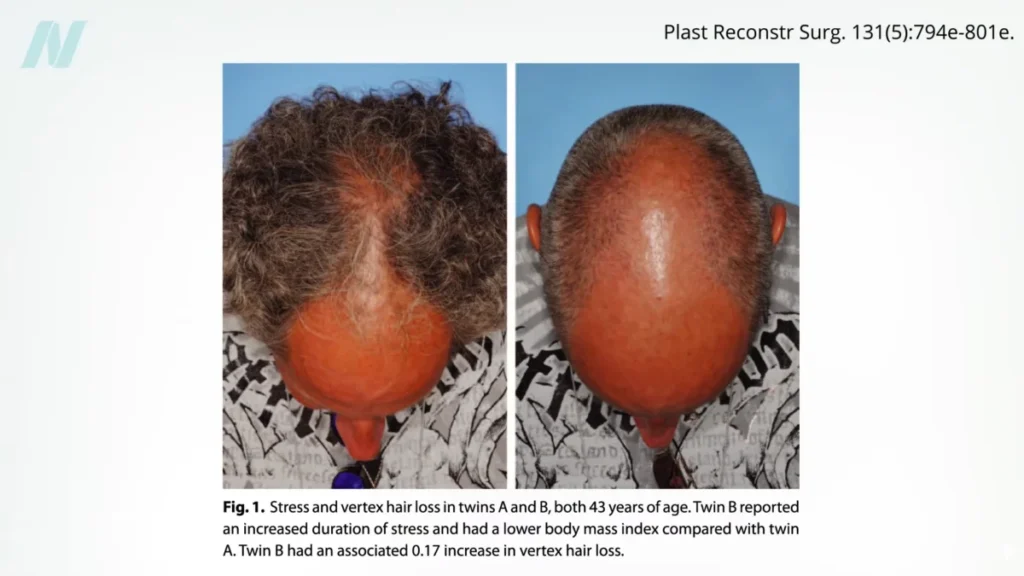
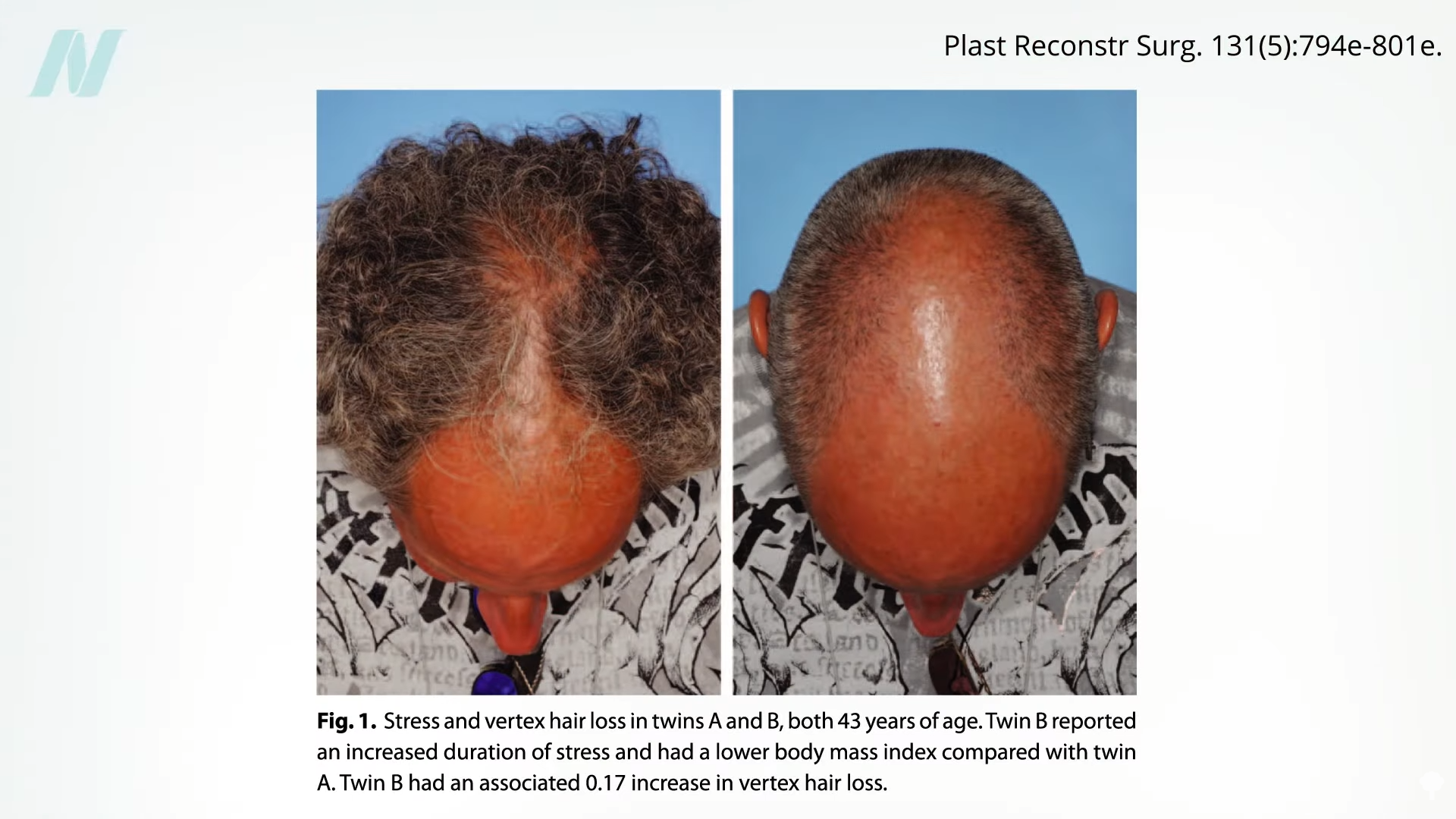
Identical twin studies provide compelling evidence for this gene-environment interaction. Despite sharing nearly identical DNA, differences in hair density and loss are frequently observed between twins. For instance, one study highlighted identical twin brothers with the same genes, where the twin reporting higher levels of life stress exhibited more significant hair loss. Stress, through the release of hormones like cortisol, can push hair follicles prematurely into the resting phase (telogen effluvium), leading to widespread shedding.
Another compelling example involved identical twin brothers where the twin who was a smoker and consumed more alcohol displayed greater hair loss. This underscores the detrimental impact of lifestyle choices on hair health, even in the face of genetic similarity. These studies are crucial because they control for genetic variance, allowing researchers to isolate the effects of external factors.
Lifestyle Factors and Hair Health
Beyond genetics, several lifestyle elements significantly impact hair follicle health:
- Smoking: Tobacco smoke contains numerous genotoxic compounds that can directly damage the DNA within hair follicles. Furthermore, smoking impairs microcirculation, restricting blood flow and nutrient delivery to the hair bulb, essentially starving the follicles. This dual assault contributes significantly to both male and female pattern baldness.
- Alcohol Consumption: Excessive alcohol intake can lead to general nutritional deficiencies, including zinc and B vitamins, which are vital for healthy hair growth. It can also exacerbate oxidative stress within the body, further compromising follicular health.
- Stress: Chronic psychological stress can trigger telogen effluvium, a condition where a large number of hair follicles prematurely enter the resting phase, leading to noticeable hair shedding a few months after a stressful event. The precise mechanisms involve stress hormones and inflammatory pathways disrupting the normal hair growth cycle.
- Medical Conditions: Conditions such as high blood pressure, certain cancers, and their treatments (e.g., chemotherapy) can also contribute to hair loss. Hormonal imbalances, particularly those associated with menopause or thyroid disorders, are well-known causes of hair thinning in women.
Diet and Nutrition – The Micronutrient Puzzle
While severe nutrient deficiencies undeniably impact hair health, the notion that supplemental vitamins and minerals will universally promote hair growth in otherwise healthy individuals is largely unfounded.
- Biotin (Vitamin B7): Biotin is a water-soluble B vitamin crucial for various metabolic processes, including the synthesis of fatty acids, amino acids, and glucose. It plays a role in keratin infrastructure, a key protein in hair. Indeed, severe biotin deficiency does cause hair loss, along with dermatitis and neurological symptoms. However, such severe deficiencies are exceedingly rare in healthy individuals consuming a varied diet. Exceptions include individuals with specific genetic disorders affecting biotin metabolism or those consuming large amounts of raw egg whites, which contain avidin – a protein that binds to biotin and prevents its absorption. Despite its prevalence in hair loss supplements, there is a significant lack of evidence-based data supporting the efficacy of biotin supplementation for promoting hair growth in individuals with normal biotin levels.
- Zinc: Zinc is an essential trace element involved in over 300 enzymatic reactions, including cell division, immune function, and protein synthesis – all critical for hair follicle development and repair. Zinc deficiency can lead to various symptoms, including hair loss, impaired wound healing, and weakened immunity. However, like biotin, zinc supplementation has only been shown to be effective in reversing hair loss when a genuine deficiency is present, such as in cases of severe alcoholism or malabsorption disorders. In individuals with normal zinc levels, taking additional zinc supplements offers no proven benefit for hair growth and can even lead to adverse effects.
- Vitamin C: Severe vitamin C deficiency, known as scurvy, has been recognized for centuries to cause hair loss due to its role in collagen synthesis, which is vital for hair follicle structure. However, once a baseline sufficiency of vitamin C is achieved (enough to prevent scurvy symptoms), there’s no evidence that higher doses correlate with increased hair growth.
- Iron: Iron deficiency anemia is a common cause of hair loss, particularly in women. Iron is essential for oxygen transport and cellular growth, including that of hair follicles. In diagnosed cases of iron deficiency, supplementation can be highly effective in reversing hair loss. However, like other nutrients, supplementation in the absence of deficiency is not beneficial and can be harmful due to the risk of iron overload.
In general, the scientific consensus is clear: vitamin and mineral supplementation benefits individuals only if they are actually deficient in that specific nutrient. The human body is remarkably efficient at regulating nutrient levels, and introducing excess without need can disrupt this delicate balance.
Heavy Metal Toxicity
Beyond lifestyle and general nutrition, environmental toxins, particularly heavy metals, represent a less commonly recognized but significant cause of hair loss.
-
Mercury: Mercury is a potent neurotoxin that can also severely impact hair follicles. It has a remarkable propensity to concentrate in growing scalp hair, sometimes up to 250 times its concentration in blood. Mercury toxicity disrupts protein synthesis and can induce oxidative stress, both of which are detrimental to hair growth. Historically, mercury was used in medical treatments, for example, for syphilis, which may explain Shakespeare’s potential mercury-induced hair loss. In contemporary society, the primary route of mercury exposure is through the consumption of seafood, particularly large predatory fish like tuna, swordfish, and shark, which accumulate methylmercury.
A compelling case study involved a 43-year-old woman experiencing hair loss, initially attributed to early menopause. Blood tests, however, revealed elevated mercury levels, directly linked to her diet high in tuna. Crucially, after abstaining from fish, her mercury levels plummeted, and within two months, her hair began to regrow, achieving complete restoration after seven months on a fish-free diet. This case highlights the treatable nature of some forms of hair loss when the underlying cause, such as heavy metal toxicity, is identified and addressed. It underscores the importance for clinicians to screen for mercury toxicity in patients presenting with unexplained hair loss.
- Other Heavy Metals: While mercury is a notable culprit, other heavy metals like lead and arsenic, when present in toxic levels, can also contribute to hair loss by interfering with cellular processes and nutrient absorption essential for hair growth.
Official Responses
The landscape of dietary supplements and their purported benefits for hair loss is often characterized by a stark contrast between scientific evidence and marketing claims. Official bodies, particularly in highly regulated countries, have taken steps to address these discrepancies and protect public health.
Regulatory Landscape of Supplements
In many countries, including the United States, dietary supplements are regulated differently from prescription drugs. The U.S. Food and Drug Administration (FDA) treats supplements more like food than drugs. This means that manufacturers are not required to obtain FDA approval before marketing their products. Instead, they are responsible for ensuring the safety and efficacy of their products, and the FDA steps in primarily after a product is on the market if it is found to be unsafe or makes false claims. This "post-market" regulation creates a significant challenge, as it allows numerous products with unsubstantiated claims and potentially harmful ingredients to reach consumers. The lack of rigorous pre-market testing means that the burden of proof for safety and effectiveness often falls on consumers or regulatory bodies only after adverse events occur.
FDA Warnings on Biotin
The widespread use of high-dose biotin supplements, often far exceeding the recommended daily intake (RDI) of 30 micrograms, prompted a crucial safety communication from the FDA. Many dietary supplements marketed for hair, skin, and nail health contain biotin levels up to 650 times the RDI. The FDA issued a warning because excess biotin in the blood can significantly interfere with a wide array of laboratory tests, leading to inaccurate results.
- Affected Tests: This interference primarily affects tests that use biotin-streptavidin technology, including:
- Thyroid Function Tests: Leading to falsely low TSH (thyroid-stimulating hormone) levels and falsely high thyroid hormone levels, which could misdiagnose hyperthyroidism or mask hypothyroidism.
- Cardiac Troponin Tests: Used to diagnose heart attacks. Biotin interference can result in falsely low troponin levels, potentially leading to a missed or delayed diagnosis of a heart attack, with potentially fatal consequences.
- Other Hormone Assays: Including pregnancy tests and tests for reproductive hormones, leading to incorrect diagnoses or management.
- Vitamin D Tests: Potentially giving inaccurate readings of vitamin D levels.
The FDA urged healthcare providers to consider biotin interference when lab test results do not match the clinical picture of a patient and to inquire about biotin supplement use. Patients were advised to inform their doctors and lab personnel about all supplements they are taking, especially biotin, before any blood tests. This demonstrates a critical public health concern stemming directly from the "can’t hurt, might help" attitude towards supplements.
Cases of Supplement Toxicity
The unregulated nature of the supplement industry has, on occasion, led to severe health crises.
- Selenium Toxicity: A notable example involved an outbreak of selenium toxicity where hundreds of individuals suffered adverse effects, including hair loss, brittle nails, and neurological symptoms. The cause was traced to a manufacturing error that resulted in a dietary supplement containing 200 times the labeled dose of selenium. This incident starkly illustrates how poor quality control and regulatory oversight can transform a beneficial trace element into a dangerous toxin. Ironically, one of the symptoms of selenium overdose is hair loss, the very condition many users were trying to prevent.
- Vitamin A Toxicity (Hypervitaminosis A): While Vitamin A is crucial for vision and immune function, excessive intake, often from high-dose supplements, can lead to hypervitaminosis A. Symptoms include dry skin, cracked lips, bone pain, and significantly, hair loss. This is another instance where the "more is better" approach to vitamins can have detrimental effects on hair health.
Medical Community Stance
The medical and dermatological communities generally advocate for an evidence-based approach to hair loss. Professional organizations and expert guidelines emphasize:
- Diagnosis First: The importance of a thorough medical evaluation to identify the underlying cause of hair loss (e.g., androgenetic alopecia, telogen effluvium, alopecia areata, nutritional deficiencies, thyroid disorders, heavy metal toxicity) before initiating any treatment.
- Targeted Treatment: Recommending treatments that have proven efficacy for the diagnosed condition. For common forms of hair loss, this often involves FDA-approved medications like minoxidil and finasteride, or other dermatological interventions.
- Caution Against Unproven Supplements: Physicians and dermatologists generally advise against the use of biotin, zinc, or other vitamin supplements for hair loss unless a specific deficiency has been clinically confirmed through blood tests. They highlight the lack of scientific evidence for efficacy in healthy individuals and underscore the potential risks, including cost, side effects, and interference with medical tests.
- Patient Education: Healthcare providers are increasingly tasked with educating patients about the limitations and potential dangers of the supplement market, encouraging them to prioritize professional medical advice over marketing claims.
In essence, official responses and medical guidance underscore the need for scientific rigor and patient safety in an industry often driven by profit and unsubstantiated promises.
Implications
The comprehensive understanding of hair loss, moving beyond simplistic explanations to embrace genetic, environmental, and nutritional complexities, carries significant implications for individuals, healthcare professionals, and the supplement industry alike.
For Individuals Experiencing Hair Loss
The most crucial implication for anyone experiencing hair loss is the imperative to seek professional medical diagnosis. Self-diagnosing and self-medicating with over-the-counter supplements can not only be ineffective but also potentially harmful.
- Prioritize Diagnosis: A dermatologist or a general practitioner can perform a thorough evaluation, including a medical history, physical examination, and blood tests (checking for nutrient deficiencies, hormonal imbalances, thyroid function, or heavy metal toxicity). This diagnostic step is critical because hair loss can be a symptom of underlying health issues that require specific medical attention.
- Embrace Evidence-Based Approaches: Instead of relying on unproven supplements, individuals should explore treatments with established efficacy. While this article focuses on supplements, it’s important to be aware that options like topical minoxidil, oral finasteride (for men), Platelet-Rich Plasma (PRP) therapy, and hair transplantation are available and have scientific backing for specific types of hair loss. The subsequent parts of this series will delve into pharmaceutical options and dietary strategies with proven benefits.
- Adopt Healthy Lifestyle Modifications: Recognizing the "wiggle room" from genetic predisposition, individuals can proactively manage controllable risk factors. This includes stress management techniques (mindfulness, exercise, adequate sleep), quitting smoking, moderating alcohol intake, and maintaining a balanced diet. These lifestyle changes not only benefit hair health but also contribute to overall well-being.
- Be Mindful of Diet and Heavy Metals: For those who consume seafood, understanding which fish have lower mercury levels (e.g., salmon, cod, light canned tuna) and moderating intake of high-mercury species (e.g., swordfish, shark, bigeye tuna) can be a preventative measure. Regular consumption of a varied, plant-rich diet ensures a broad spectrum of essential nutrients, minimizing the risk of rare deficiencies.
- Exercise Supplement Caution: The "can’t hurt, might help" mentality surrounding supplements is a dangerous fallacy. Individuals should be acutely aware of the lack of robust regulation, the potential for toxicity (as seen with selenium or vitamin A overdose), and critically, the risk of high-dose biotin interfering with vital medical tests. Always inform healthcare providers about all supplements being taken, especially before any diagnostic blood work.
For Healthcare Professionals
Healthcare providers play a pivotal role in guiding patients through the complexities of hair loss.
- Thorough Screening: Physicians should routinely consider a broader differential diagnosis for hair loss, including nutrient deficiencies (iron, zinc), hormonal imbalances (thyroid, sex hormones), and heavy metal toxicity (especially mercury, given dietary trends). Comprehensive blood panels are often warranted.
- Patient Education and Counseling: Educating patients about the limited efficacy and potential risks of popular hair loss supplements, particularly biotin and zinc, is crucial. Providers should explain the regulatory landscape of supplements and advocate for evidence-based treatments.
- Interdisciplinary Approach: Recognizing that hair loss can stem from various causes, collaboration between general practitioners, dermatologists, endocrinologists, and nutritionists may be necessary for optimal patient care.
- Stay Updated: The field of hair loss research is continually evolving. Healthcare professionals must stay informed about new diagnostic tools, treatment modalities, and emerging safety concerns related to supplements.
For the Supplement Industry
The implications for the dietary supplement industry are clear: a pressing need for greater accountability, transparency, and ethical marketing practices.
- Stricter Regulation: There is a strong argument for more stringent regulatory oversight akin to pharmaceuticals, particularly concerning product safety, accurate labeling, and substantiation of health claims. This would protect consumers from potentially harmful products and misleading advertising.
- Evidence-Based Marketing: Companies should be held to higher standards regarding the scientific evidence supporting their product claims. Marketing should be truthful and not exploit consumer vulnerabilities or fears about hair loss.
- Transparency and Quality Control: Manufacturers must implement robust quality control measures to prevent errors in ingredient dosage and ensure product purity, thereby avoiding incidents like the selenium toxicity outbreak. Clear warnings about potential interactions with medications or lab tests should also be mandatory.
Future Research
Continued research is vital to further unravel the intricacies of hair loss. This includes:
- Deeper Genetic and Epigenetic Studies: Exploring how environmental factors interact with genetic predispositions to influence hair follicle behavior.
- Novel Therapeutic Targets: Identifying new pathways and molecules that can effectively and safely promote hair growth or prevent loss.
- Nutritional Interventions: More rigorous studies are needed to understand the precise roles of various nutrients in hair health and to identify specific dietary patterns that may support hair growth, beyond simply addressing deficiencies.
In conclusion, while hair loss is a common and often emotionally challenging experience, the path to effective management is paved with informed choices and professional guidance, not unproven supplements. By understanding the true causes and relying on scientific evidence, individuals can make empowered decisions that prioritize their health and well-being over marketing hype. The journey to addressing hair loss effectively begins with knowledge and ends with a personalized, evidence-based approach.