Cultivating Connection: A Deep Dive into Small-Space Gardening with Marisa Reyes
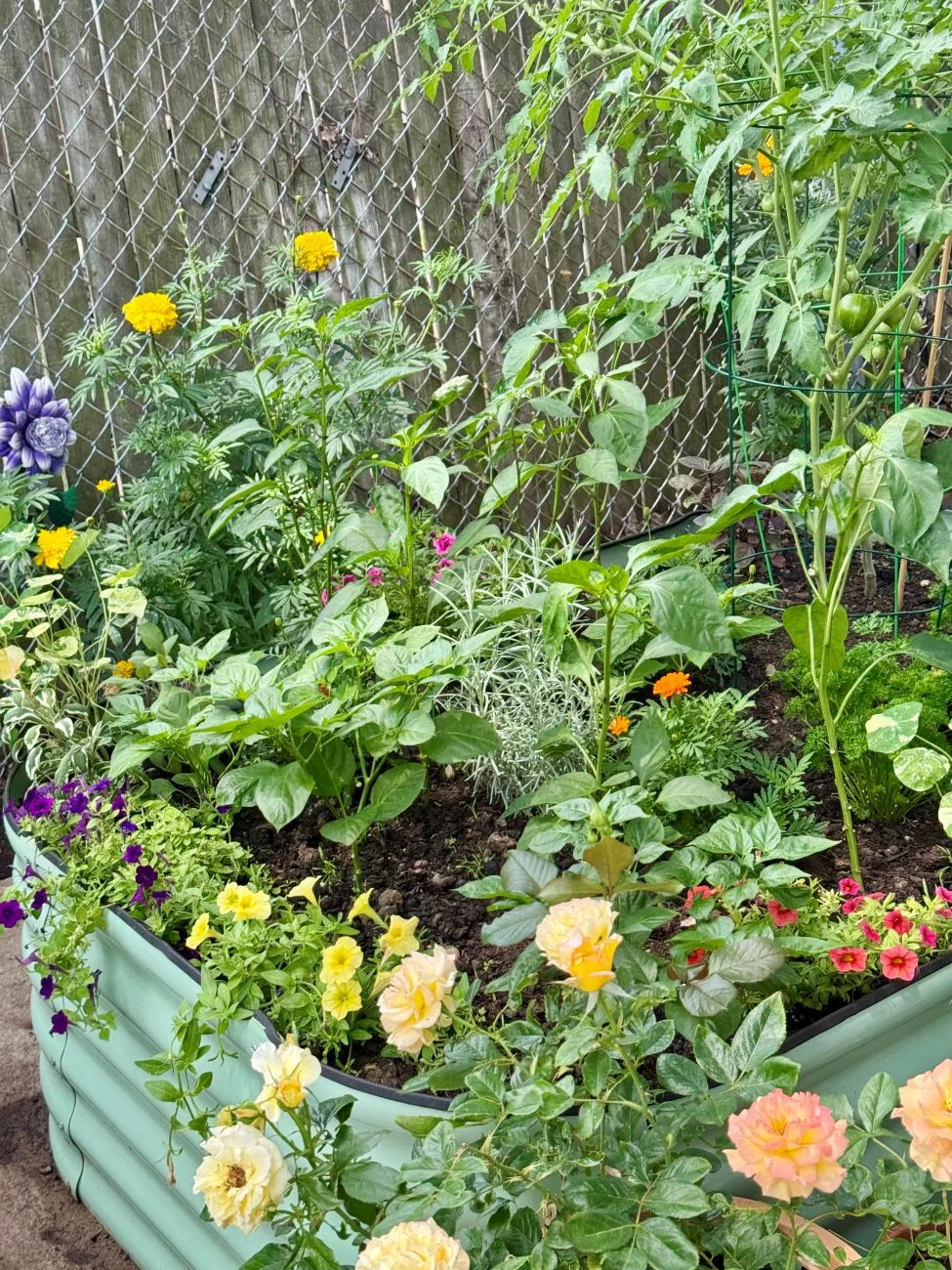
In the world of horticulture, the size of one’s plot is rarely a reflection of the depth of one’s passion. For Marisa Reyes, the newly appointed editor of Garden Photo of the Day (GPOD), gardening is not merely a hobby—it is a philosophy of integration. Based in Milwaukee, Wisconsin, Reyes has transformed a challenging urban environment into a lush, productive sanctuary, proving that even the most constrained spaces can foster an extraordinary abundance of life.
The Foundations of an Urban Oasis
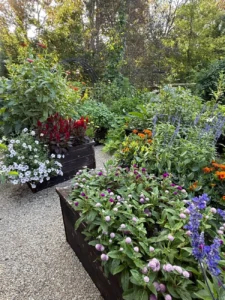
The genesis of Reyes’s garden project was born of necessity and ambition. Confronted with a standard urban concrete slab, she faced a classic small-space dilemma: how to create a fertile ecosystem on an impermeable surface. Her solution was to construct three modular raised beds, effectively bypassing the limitations of the concrete and allowing for complete control over soil composition and drainage.
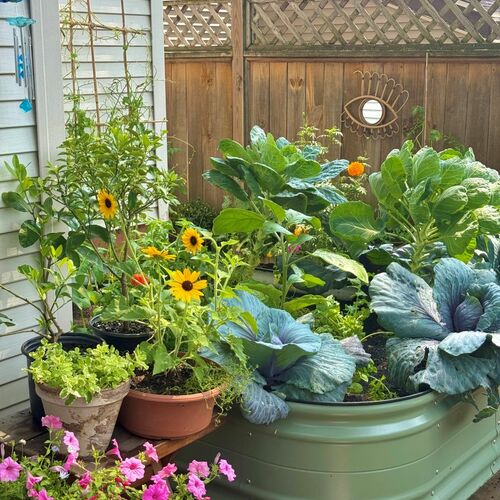
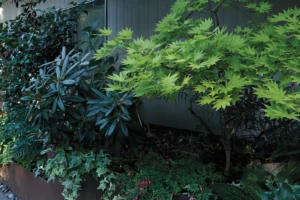
However, the site presented significant ecological hurdles. The garden is flanked by two formidable mature trees: a black walnut (Juglans nigra) and an eastern cottonwood (Populus deltoides). These giants, while providing shade and vertical drama, cast a constant shower of debris across the fence line. For most gardeners, such conditions might prove discouraging. For Reyes, they became a catalyst for a disciplined, rhythmic maintenance routine—a testament to the patience required to manage a thriving urban garden.
A Chronology of Growth: From Soil to Seed
The seasonal trajectory of the Reyes garden is a study in succession and synergy. Early in the spring, the beds are prepared with nutrient-rich amendments, setting the stage for a diverse array of plantings that blur the line between ornamental and edible.
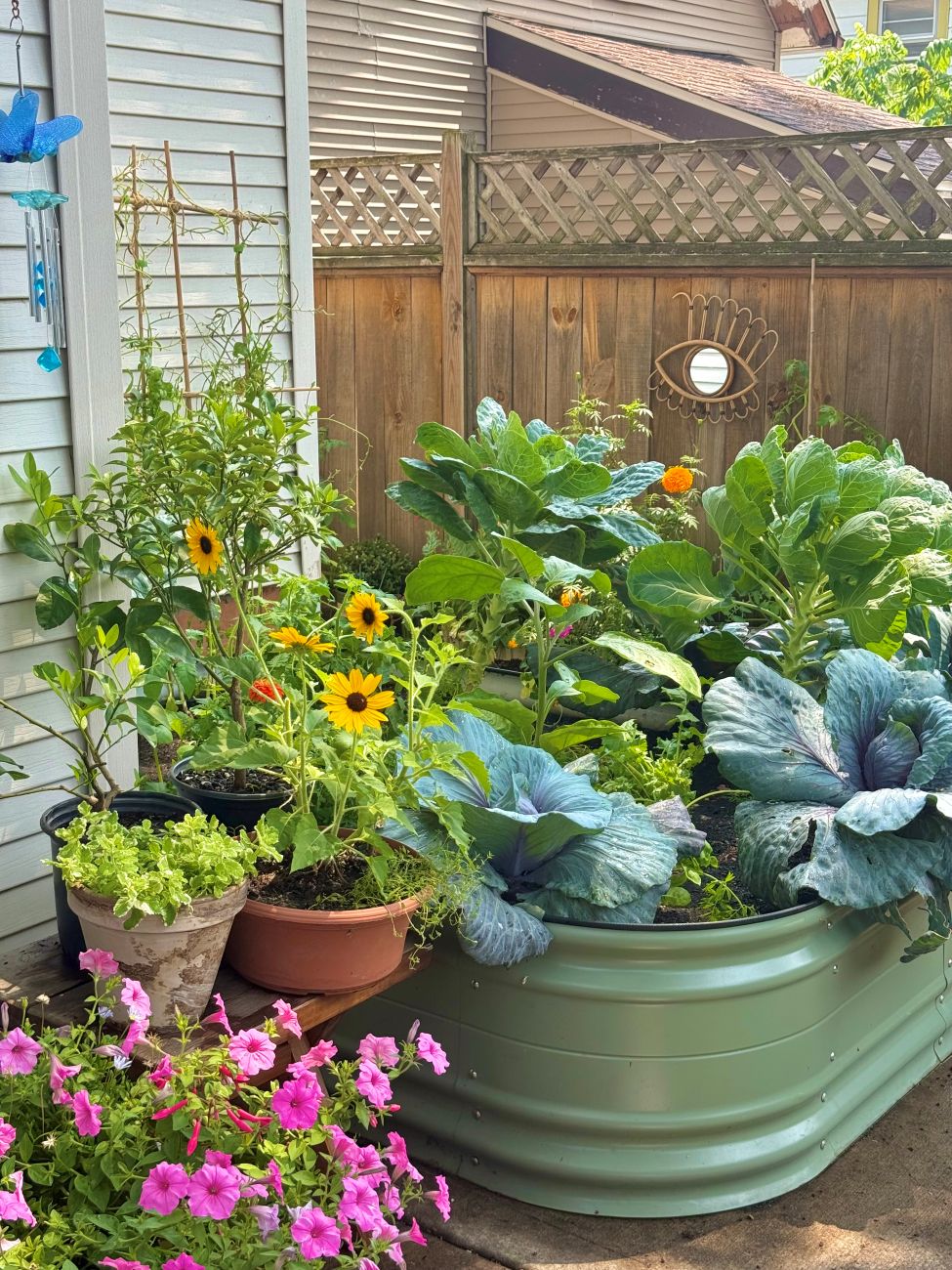
- Spring Planting: As the frost recedes, the focus shifts to cool-weather crops and early-blooming annuals. The integration of edible greens with early-season flowers creates a structural tapestry that serves both the eye and the kitchen.
- Summer Peak: By mid-summer, the garden reaches its zenith. The "always sunny" aesthetic is achieved through a deliberate selection of African marigolds and Helianthus ‘Always Sunny Gold’. These are not merely decorative; they serve as critical anchors for pollinators.
- Late-Season Stewardship: As the cycle turns toward autumn, the garden shifts from production to preservation. Seed saving, particularly from poppies and delphiniums, represents the final stage of the annual cycle, bridging the gap between the current season and the next.
Supporting Data: The Science of Layered Planting
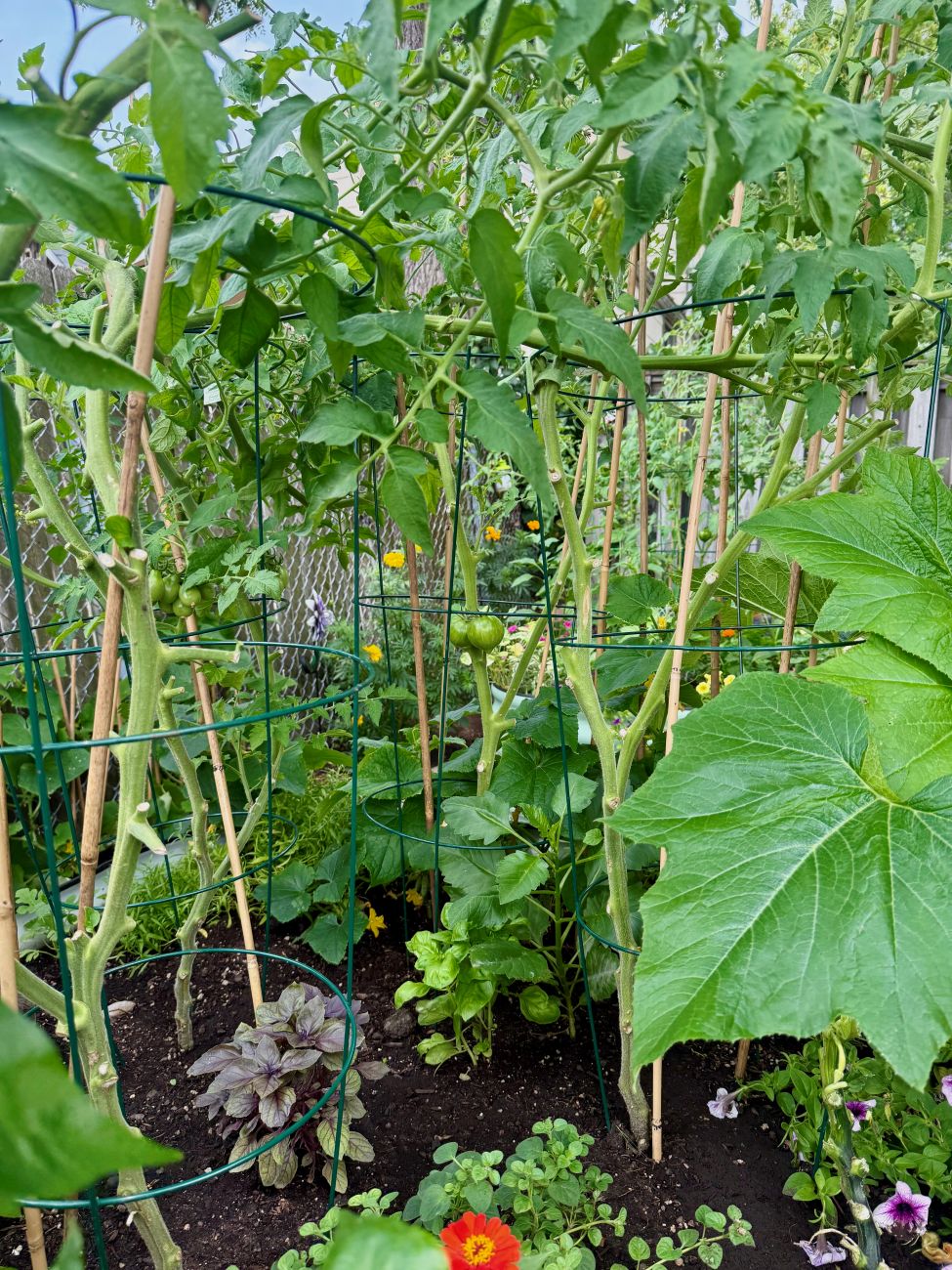
Reyes’s success relies on the horticultural technique of vertical layering. By training tomatoes (Solanum lycopersicum) upward, she maximizes the utility of her vertical space, effectively doubling the production potential of a single square foot. Beneath the tomato canopy, low-growing herbs and flowers thrive in the dappled shade, creating a micro-environment that maintains moisture and suppresses weed growth.
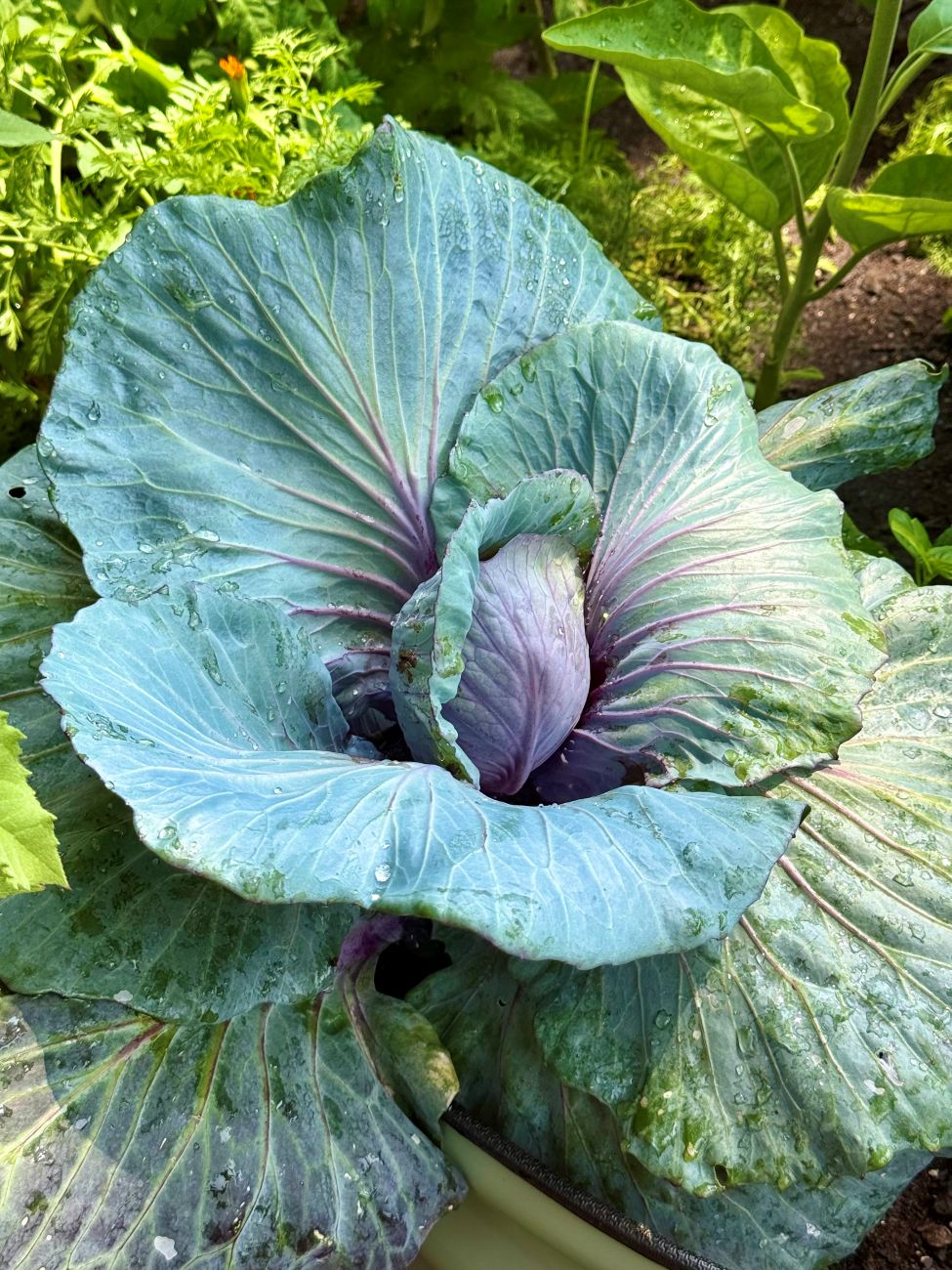
This method does more than increase yield; it improves airflow, a critical factor in mitigating fungal diseases common in the humid Midwest. Her use of compact varieties, such as the ‘Red Acre’ cabbage, demonstrates an expert understanding of "spatial efficiency." By selecting cultivars that are bred for smaller footprints, she ensures that no inch of soil is wasted, creating a dense, jungle-like effect that feels intentional rather than crowded.
Ecological Implications: Gardening as Habitat
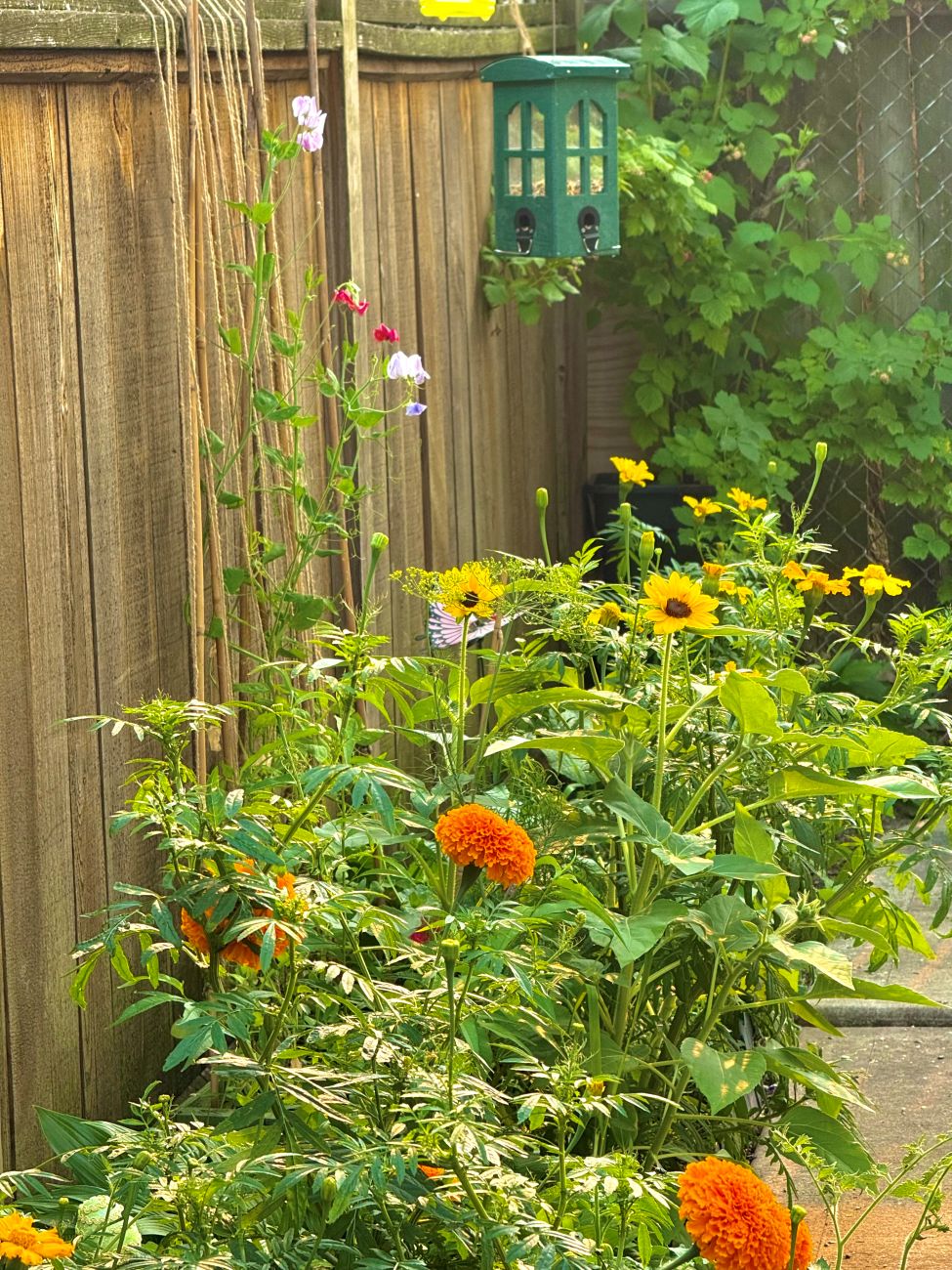
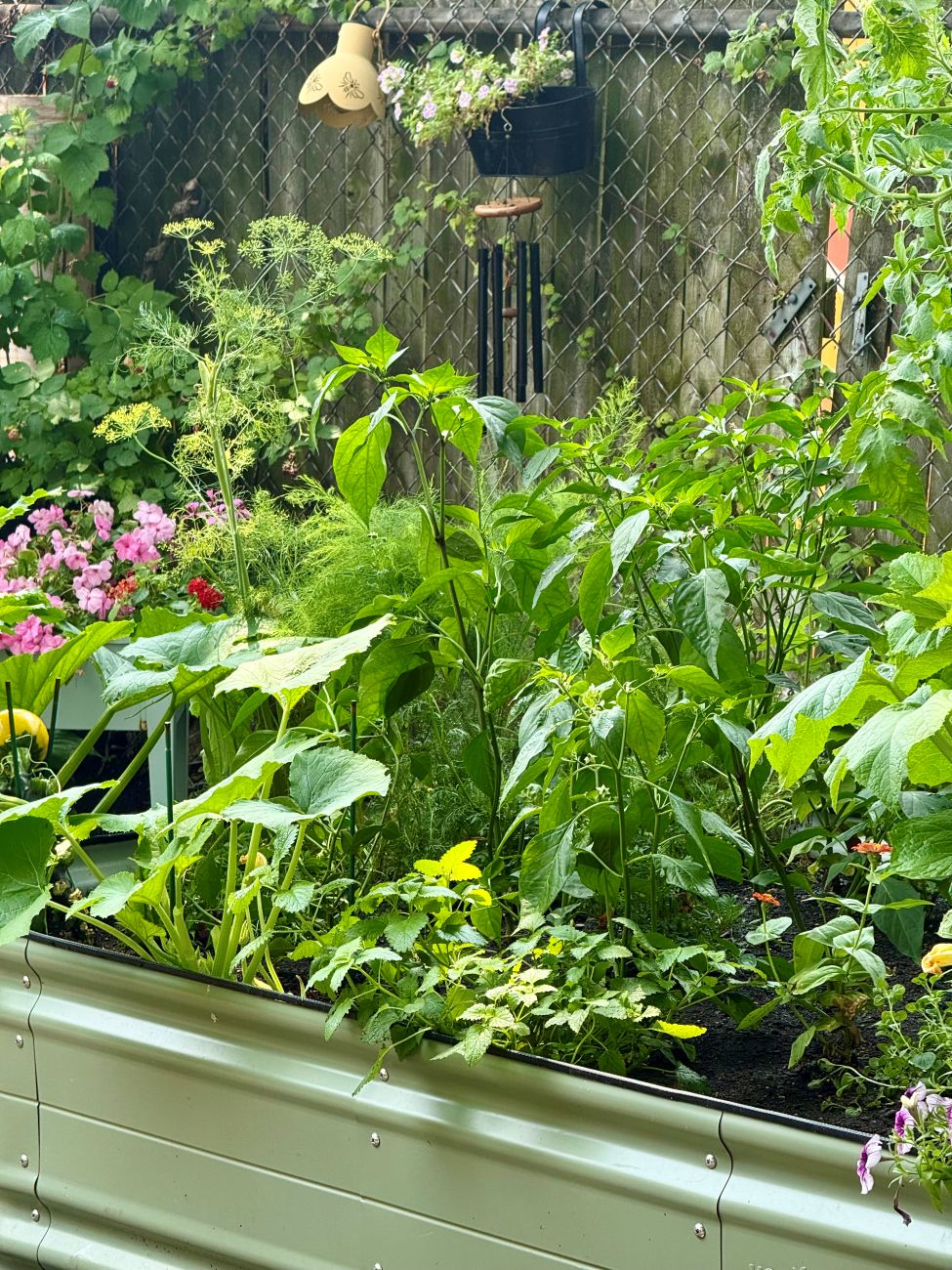
Perhaps the most significant aspect of the Reyes garden is its role as an urban pollinator corridor. The intentional inclusion of dill (Anethum graveolens) has turned the space into a nursery for swallowtail caterpillars. This has had an impact beyond simple aesthetics; it has provided an educational laboratory for her young son, connecting the next generation to the life cycles of local lepidoptera.
The garden’s biodiversity is further supported by the presence of a thornless ‘Glencoe’ raspberry bush, which provides food for local birds and a sweet harvest for the gardener. This "harmony with nature" approach is essential for urban environments where fragmented habitats often leave pollinators and birds struggling to find sustenance. By treating the garden as a living system rather than a static display, Reyes has created a self-sustaining loop of ecological health.
Expert Perspectives on Small-Space Management
The industry at large is seeing a shift toward the "Reyes Model"—a move away from large-scale monoculture lawns toward high-density, mixed-use edible landscapes. Horticultural experts note that the primary challenge for new gardeners is the "fear of crowding." However, as seen in the Milwaukee plot, dense planting is actually a strategy for success. By crowding out bare soil, the gardener limits the germination space for weeds and creates a cooler root zone for vegetables.
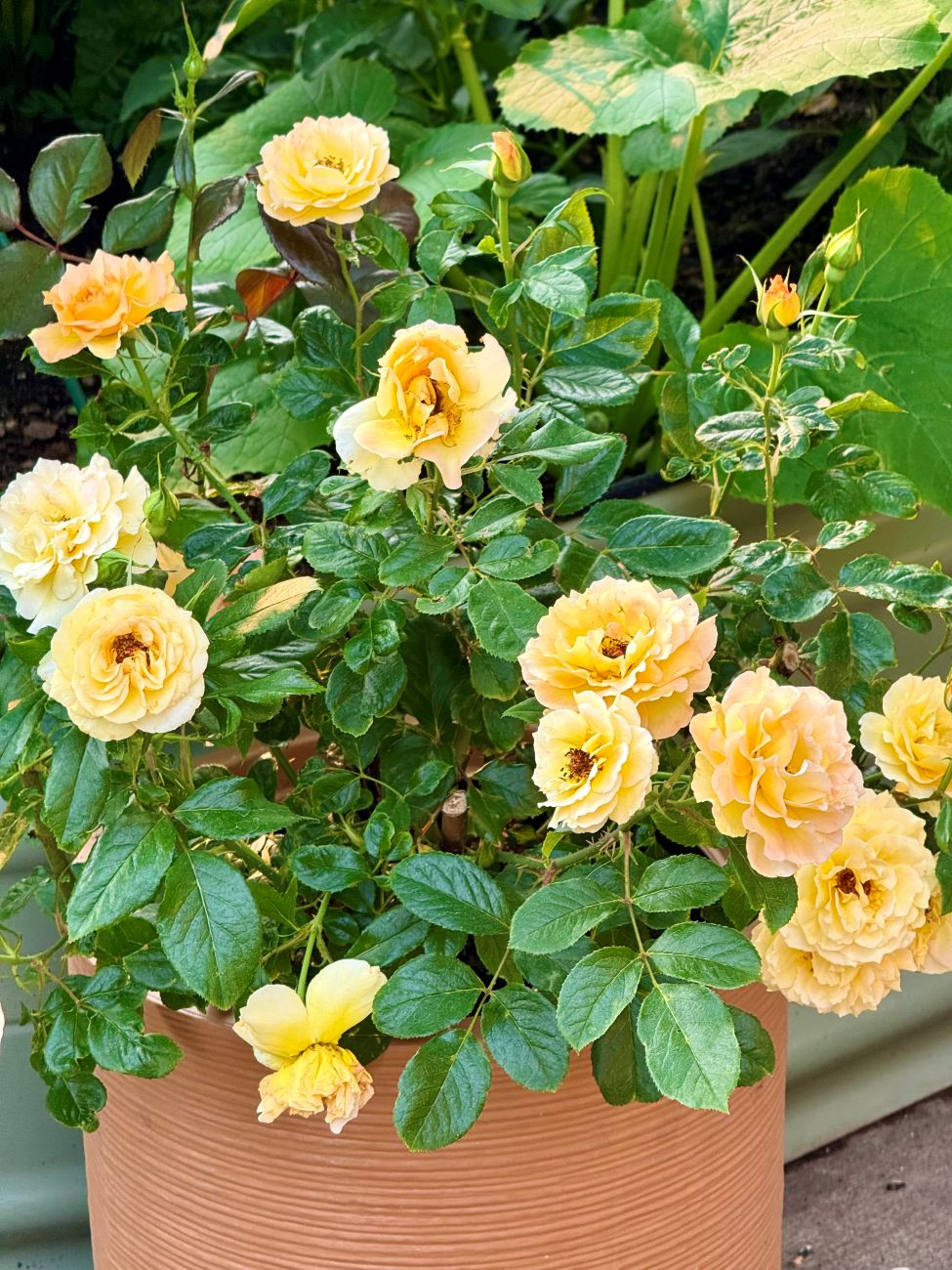
Furthermore, the integration of fragrant ornamentals like the ‘Ruffled Romance’ floribunda rose serves a sensory purpose. Gardening is often reduced to the physical harvest, but the inclusion of scent and color in the edible patch elevates the garden from a utilitarian food source to a restorative retreat.
The Philosophy of the "Total Gardener"
When asked about her classification of gardening style, Reyes is clear: she is not a flower gardener or a vegetable gardener, but simply a gardener. This distinction is vital. It acknowledges that the separation of "beauty" and "utility" is a construct that limits the potential of the home landscape.
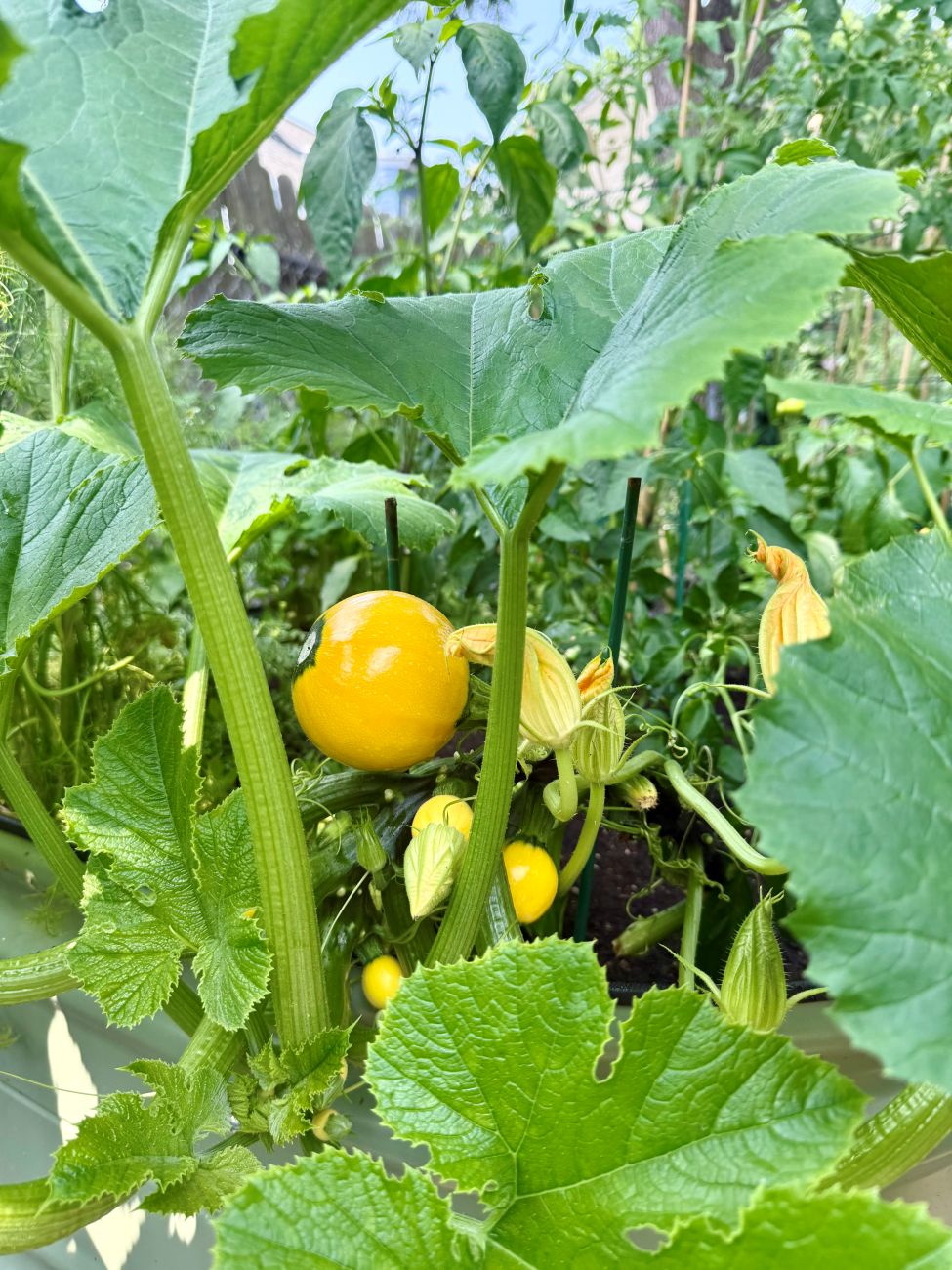
By placing the silver foliage of the curry plant (Helichrysum italicum) against the vibrant greens of summer squash, she creates a visual interest that rivals any dedicated flower bed, while simultaneously enjoying the aromatics and harvest potential of the herbs. This holistic approach is the hallmark of the modern urban gardener.
Essential Tools for the Small-Space Practitioner
Maintaining a garden of this complexity requires the right equipment. Based on the practices demonstrated in the Reyes garden, several tools emerge as essential for the high-density grower:
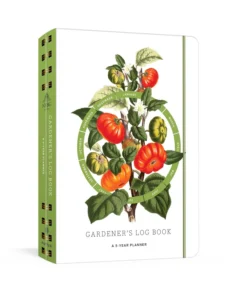
- The Weatherproof Logbook: Keeping track of planting dates, harvest yields, and observations (such as the arrival of caterpillars) is key to long-term success. A five-year logbook allows the gardener to compare annual cycles and adjust for climate variability.
- Precision Spraying Systems: In small spaces, managing pests without broad-spectrum chemicals is paramount. A high-quality, adjustable trigger sprayer that can operate at awkward angles allows for targeted applications of organic pest controls only where necessary.
- High-Quality Seed Stock: The reliance on open-pollinated, non-GMO seeds is the foundation of the seed-saving cycle. By starting with genetically diverse seeds, the gardener ensures a healthier, more resilient crop that is more likely to adapt to the specific conditions of a private backyard.
Future Outlook: The Growing Movement
The rise of social media platforms and digital gardening communities—such as the one fostered by Garden Photo of the Day—has accelerated the exchange of these small-space techniques. As urban populations continue to grow, the need for decentralized, home-based food production becomes more critical.
The lessons from the Milwaukee garden are clear: with thoughtful design, a commitment to soil health, and a willingness to embrace the chaos of a mixed-use plot, the suburban or urban yard can be transformed into a productive powerhouse. As Marisa Reyes looks toward the next season, her focus remains on the cyclical nature of her craft. The act of saving seeds is not just a thrifty practice; it is a way of ensuring that the specific adaptations of her plants—their hardiness against the black walnut debris, their resilience in the raised beds—are carried forward.
For the aspiring gardener, the message is one of empowerment. You do not need an acre of land to participate in the cycle of life. You need only a few square feet, a bit of soil, and the curiosity to see what happens when you let the vegetables and the flowers grow together.
For those interested in following Marisa Reyes’s gardening journey or seeking inspiration for their own plots, follow her on Instagram at @mindful_gardener. To share your own garden story with the community, please visit the Fine Gardening website and submit your photos via the Garden Photo of the Day portal.