The Living Bouquet: Inside the Masterful Garden of Marieke Nolsen
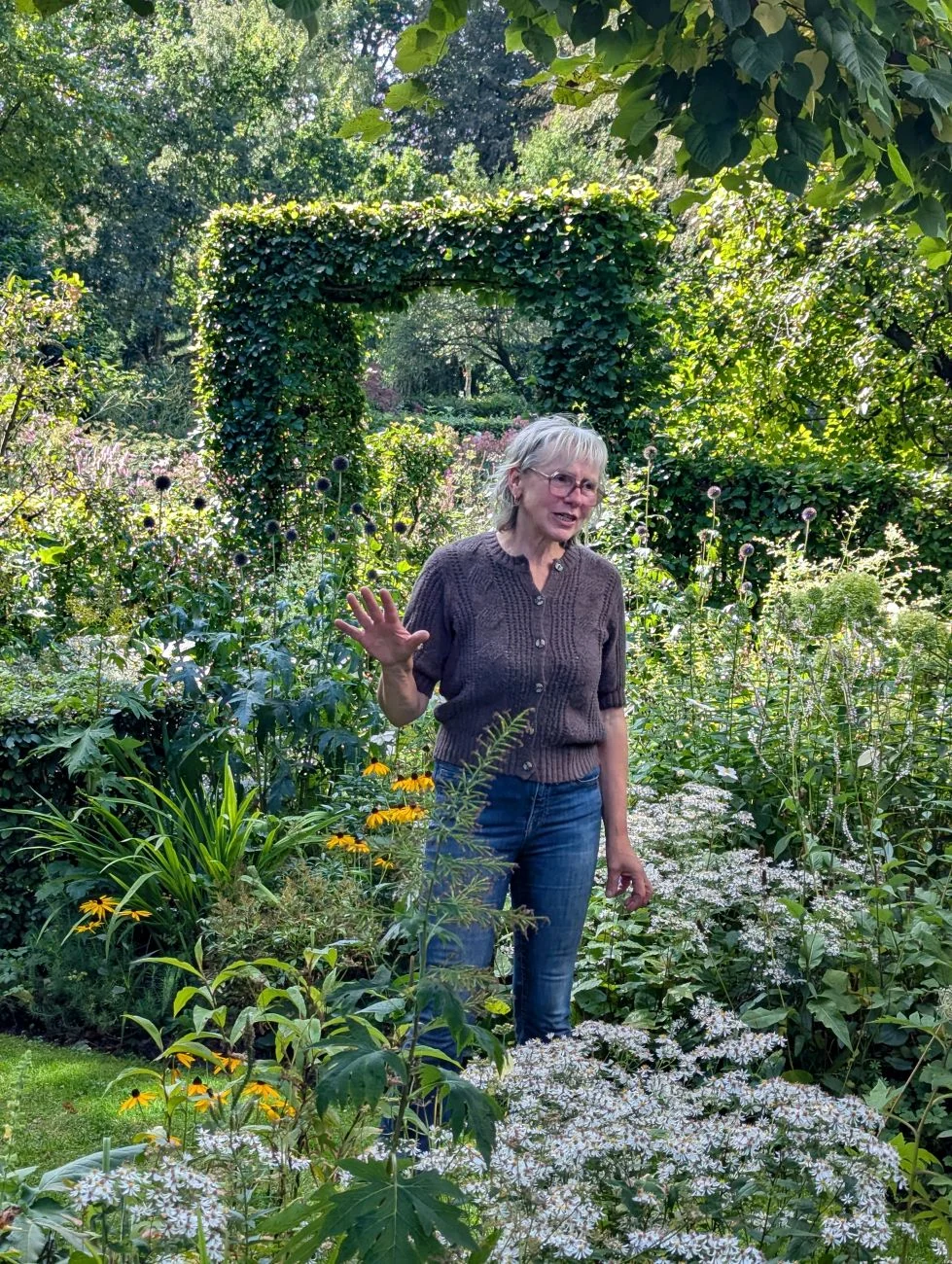
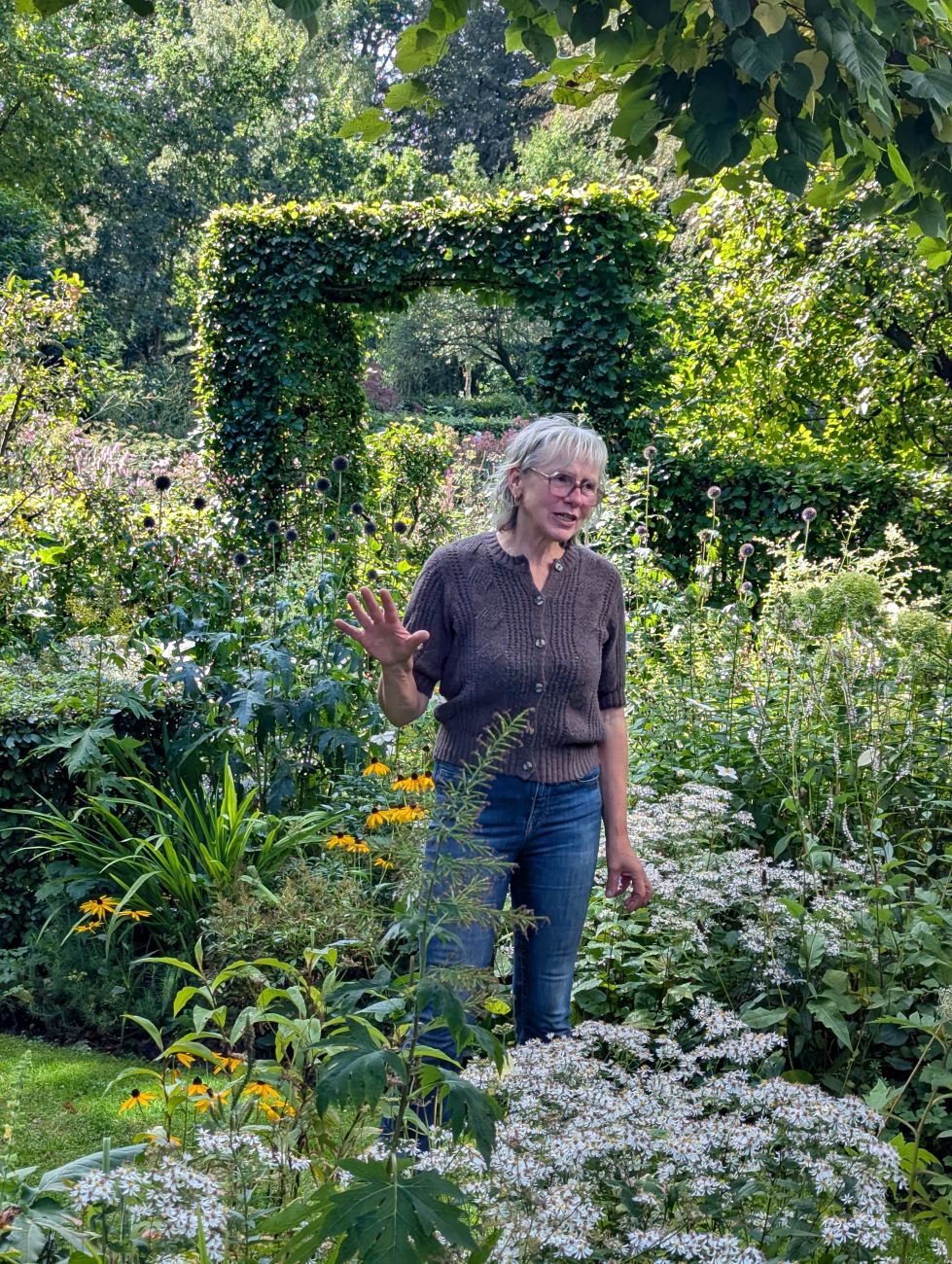
As the Fine Gardening "Stunning Gardens of the Netherlands" tour prepares for its next installment, all eyes are turning toward the picturesque town of Leusden. Here, nestled within the lush landscape of Landgoed Den Treek-Henschoten, lies the private sanctuary of Marieke Nolsen—a renowned flower stylist, gardener, and lecturer whose horticultural philosophy has redefined the concept of a "cutting garden." To step into Nolsen’s 1,600-square-meter (approximately 17,200 square feet) property is not merely to view a collection of plants, but to experience a meticulously curated living bouquet.
A Vision Realized: The Evolution of a Landscape
The story of this garden began in 2002, when Nolsen and her family first acquired the property. At that time, the landscape was conventional and lacked character, defined primarily by a standard lawn, a scattering of conifers, formal paving, and traditional hedging.
Driven by her professional background in floral design, Nolsen saw past the limitations of the existing plot. She embarked on a long-term project to redesign the space, dividing the expansive grounds into a series of interconnected "garden rooms." By utilizing strong structural lines, thoughtful path placement, and a backbone of beech and boxwood hedging, she created a sense of discovery. Within these structured frames, she filled the borders with a rich, layered tapestry of perennials and shrubs.
Unlike a traditional gardener who might prioritize bloom color alone, Nolsen’s approach is inherently utilitarian. Every selection—whether a flowering perennial, a structural shrub, or a plant prized for its berries and foliage—is vetted for its potential in natural arrangements. This deliberate integration ensures that the boundary between the garden’s growth and the floral work she performs indoors is perpetually blurred.
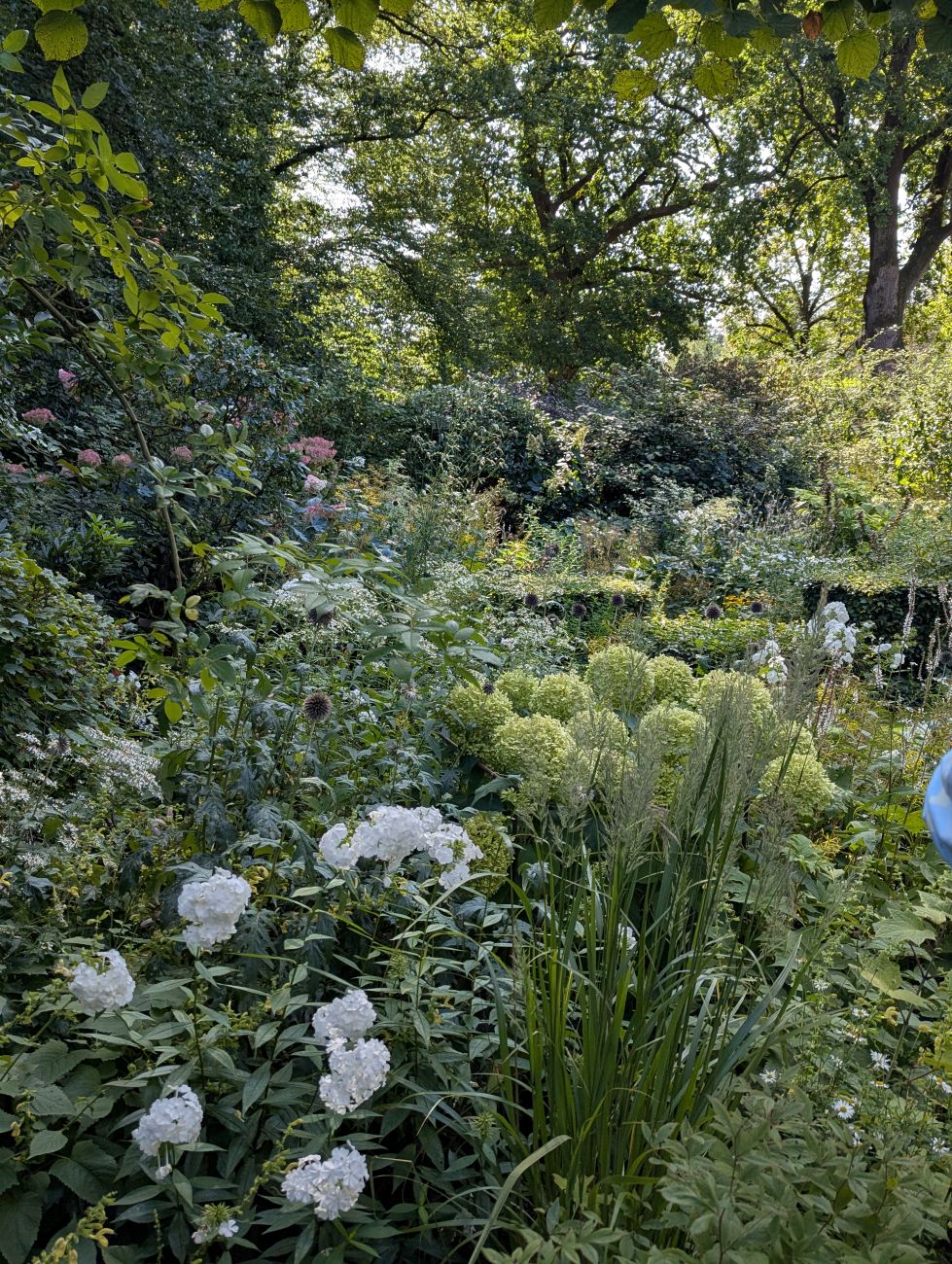
The Aesthetic of "Weelderige, Transparante Borders"
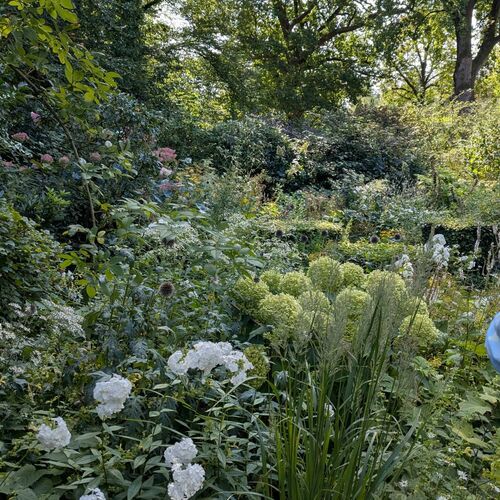
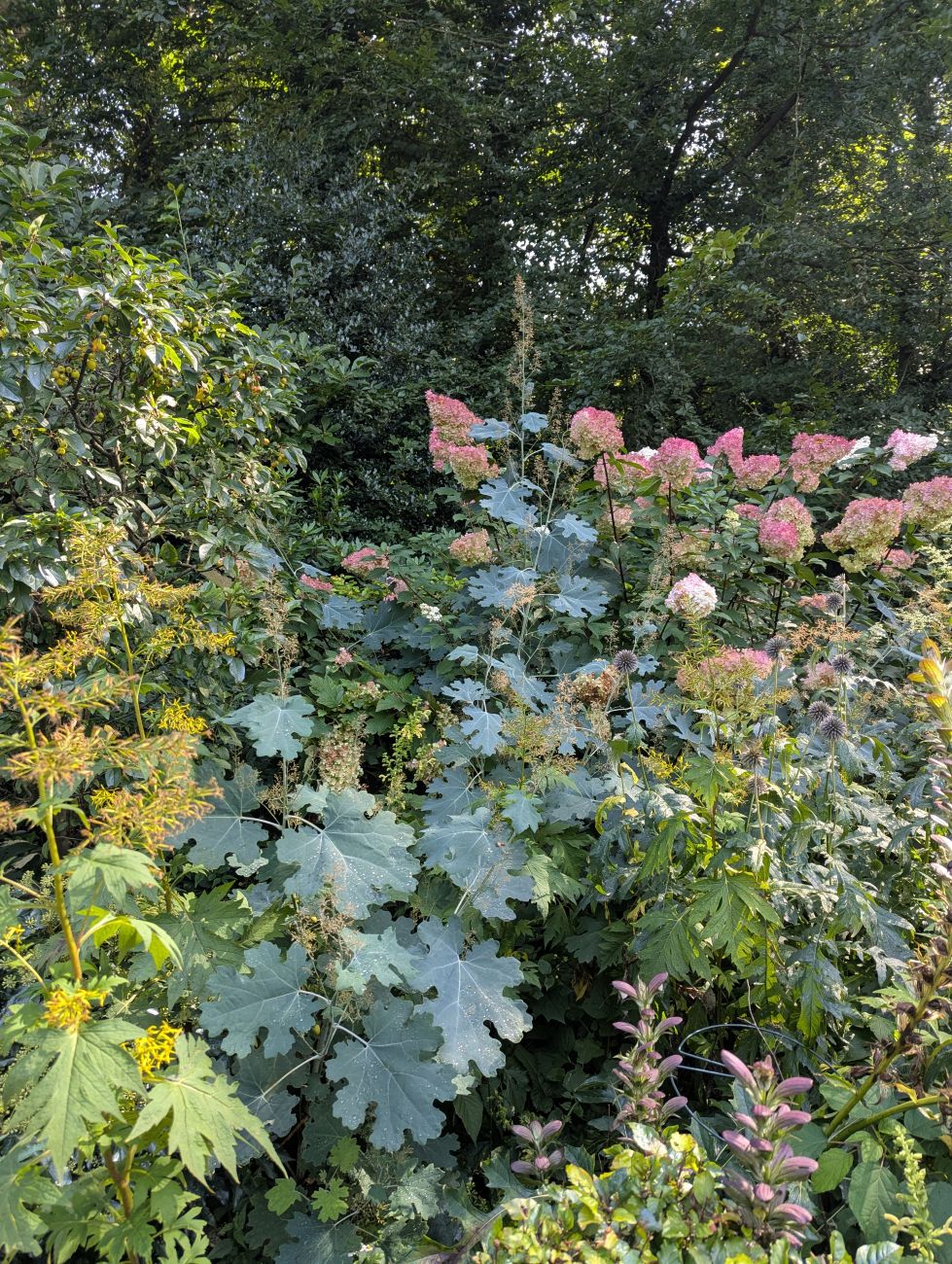
A hallmark of Nolsen’s design is her mastery of what she describes as weelderige, transparante borders—or "lush, airy borders." In these areas, the garden feels alive with movement. White blooms and delicate seed heads emerge through a dense, tiered understory of foliage, while taller trees and shrubs provide a soft, billowing backdrop.
This technique creates a sense of depth that is difficult to achieve in flatter, more static planting schemes. By allowing plants to grow through one another, Nolsen achieves a "natural" look that is actually the result of sophisticated, intentional layering. It is a lesson in restraint and composition: the garden is designed to be experienced from within, with sightlines that offer only partial glimpses of the spaces ahead, encouraging visitors to wander and explore.
The Cutting Garden: A Marriage of Art and Agriculture
One of the most transformative elements of the property is the cutting garden. Originally a simple vegetable patch, it was reimagined following an inspirational visit to Sarah Raven’s famous Perch Hill Farm in the United Kingdom.
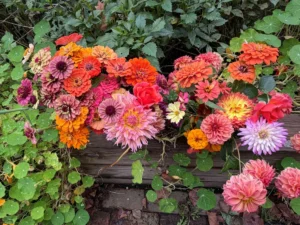
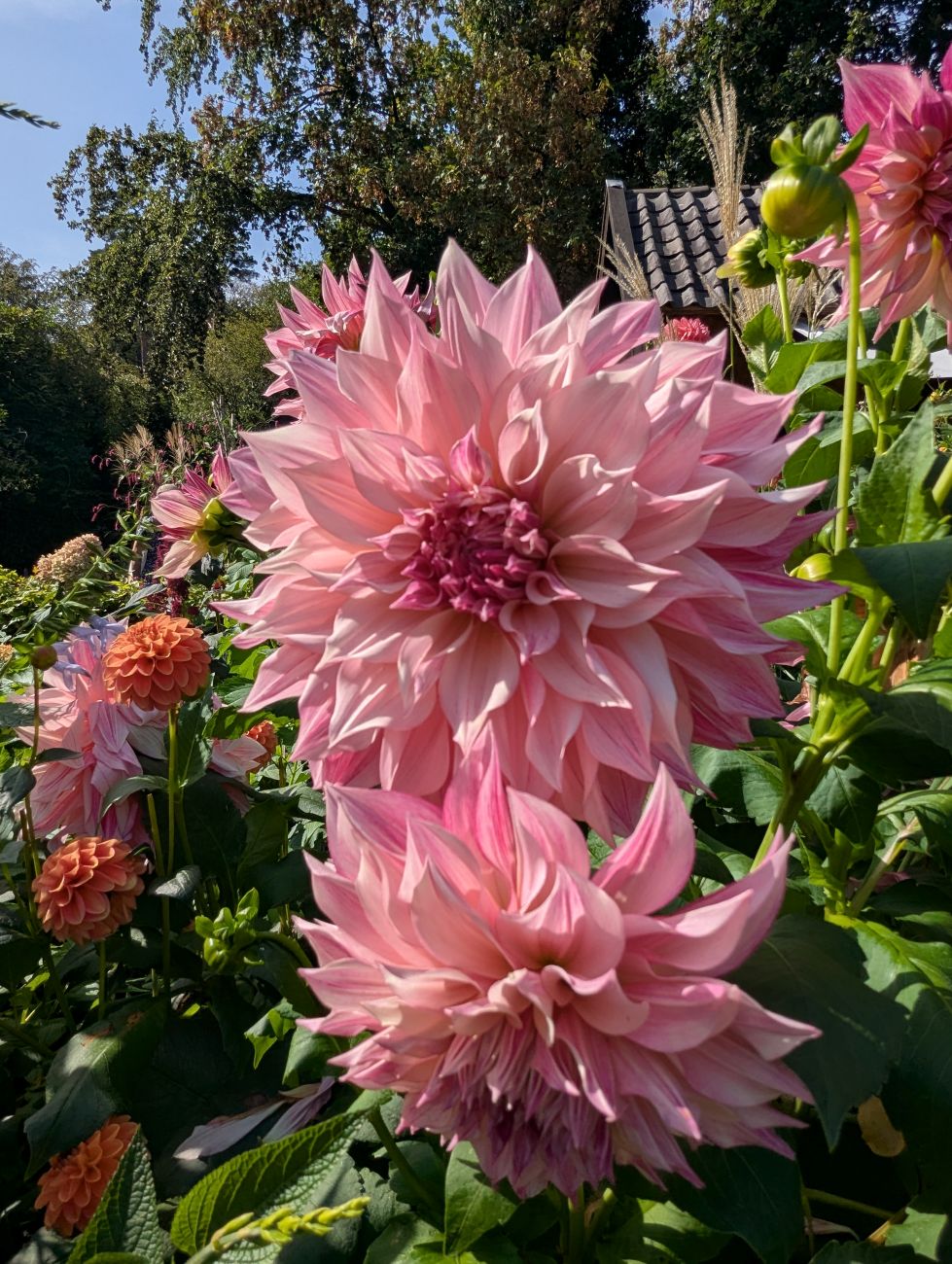
In this space, the traditional row-planting method is discarded in favor of color-coordinated groupings. Nolsen plans her planting schedules with the final bouquet in mind, ensuring that textures, shapes, and hues will harmonize when cut. The stars of this section are undoubtedly her dahlias, which flourish alongside a variety of hydrangeas—her admitted personal favorite.
To support these heavy-blooming specimens, Nolsen and her husband, Martin, have eschewed unsightly plastic stakes. Instead, they utilize natural supports, including posts fashioned from hazel branches and woven birch twigs. These supports are not only functional but visually integrate into the garden, maintaining a rustic, organic aesthetic that respects the wild nature of the plants.
Structural Elements and Seasonal Compositions
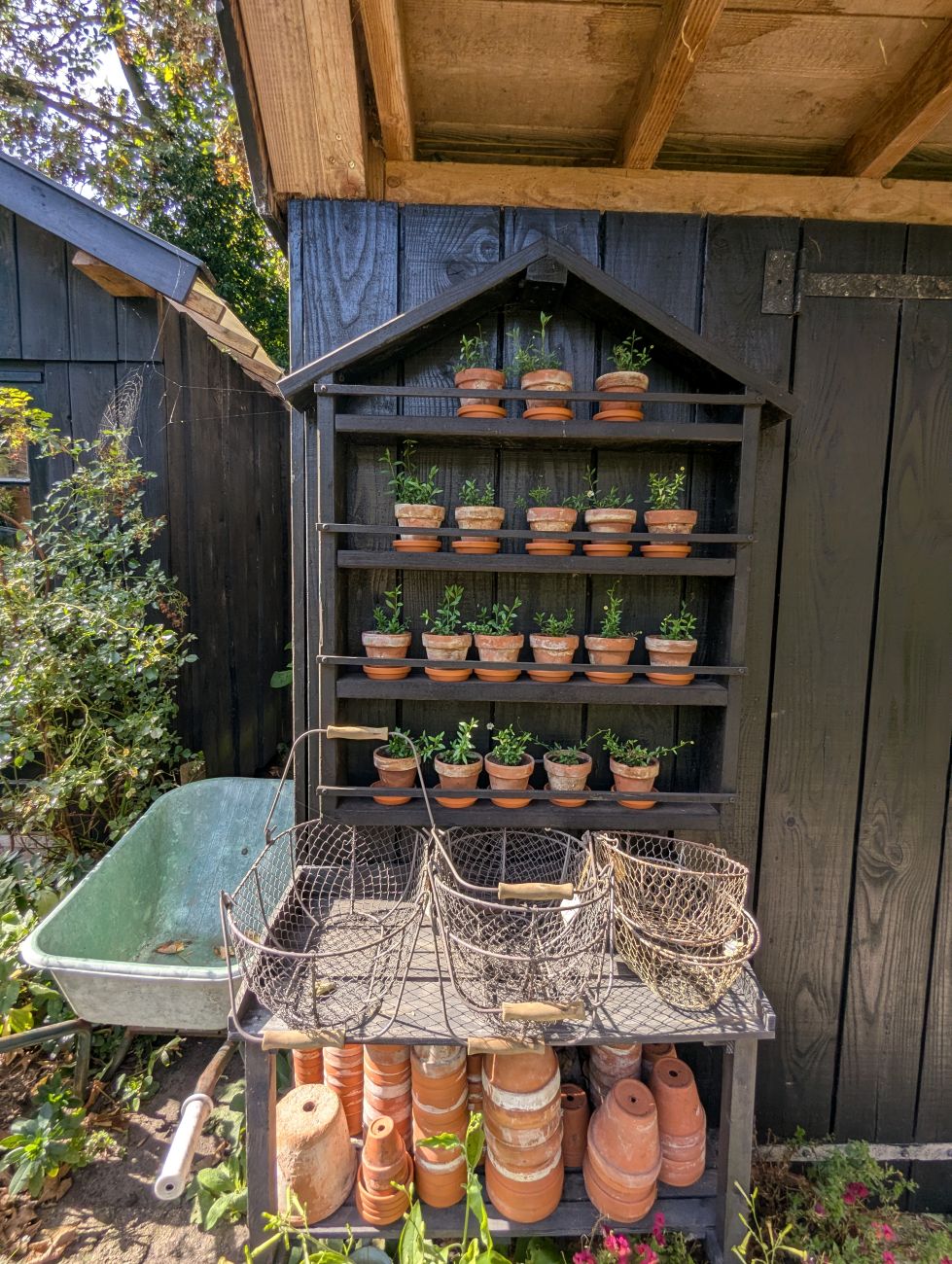
The garden is punctuated by thoughtful structural additions. A small garden house, built by Martin, serves as the heart of the garden’s operations. This space is used for potting seedlings and storing terracotta pots through the harsh Dutch winter.
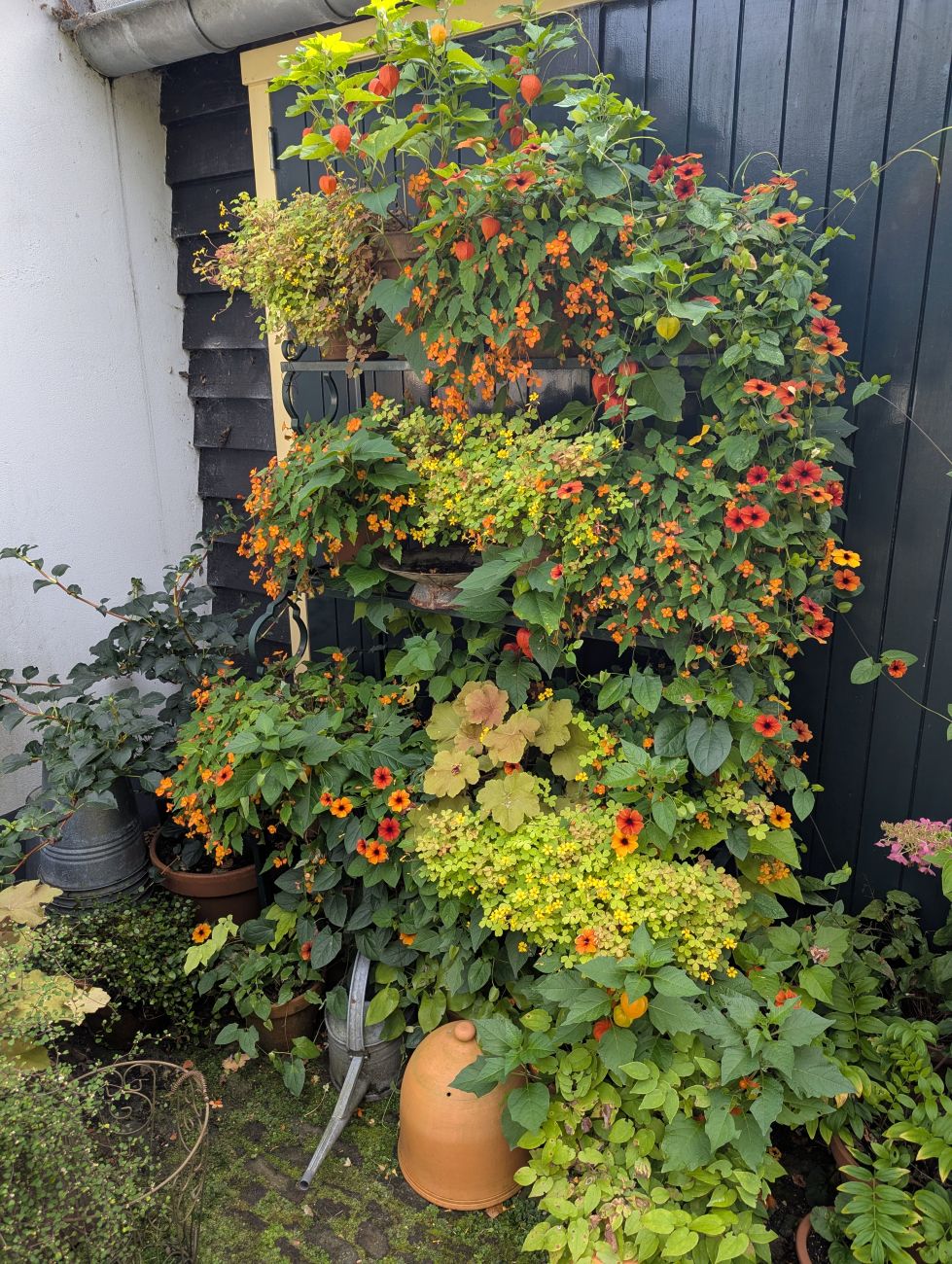
Beyond the beds, Nolsen’s approach to container gardening reflects her floral design expertise. She treats groups of pots—often a mix of terracotta and weathered zinc—as a single composition. By varying heights and grouping them according to warm, complementary palettes of orange, salmon, yellow, red, and pink, she ensures the display feels cohesive.
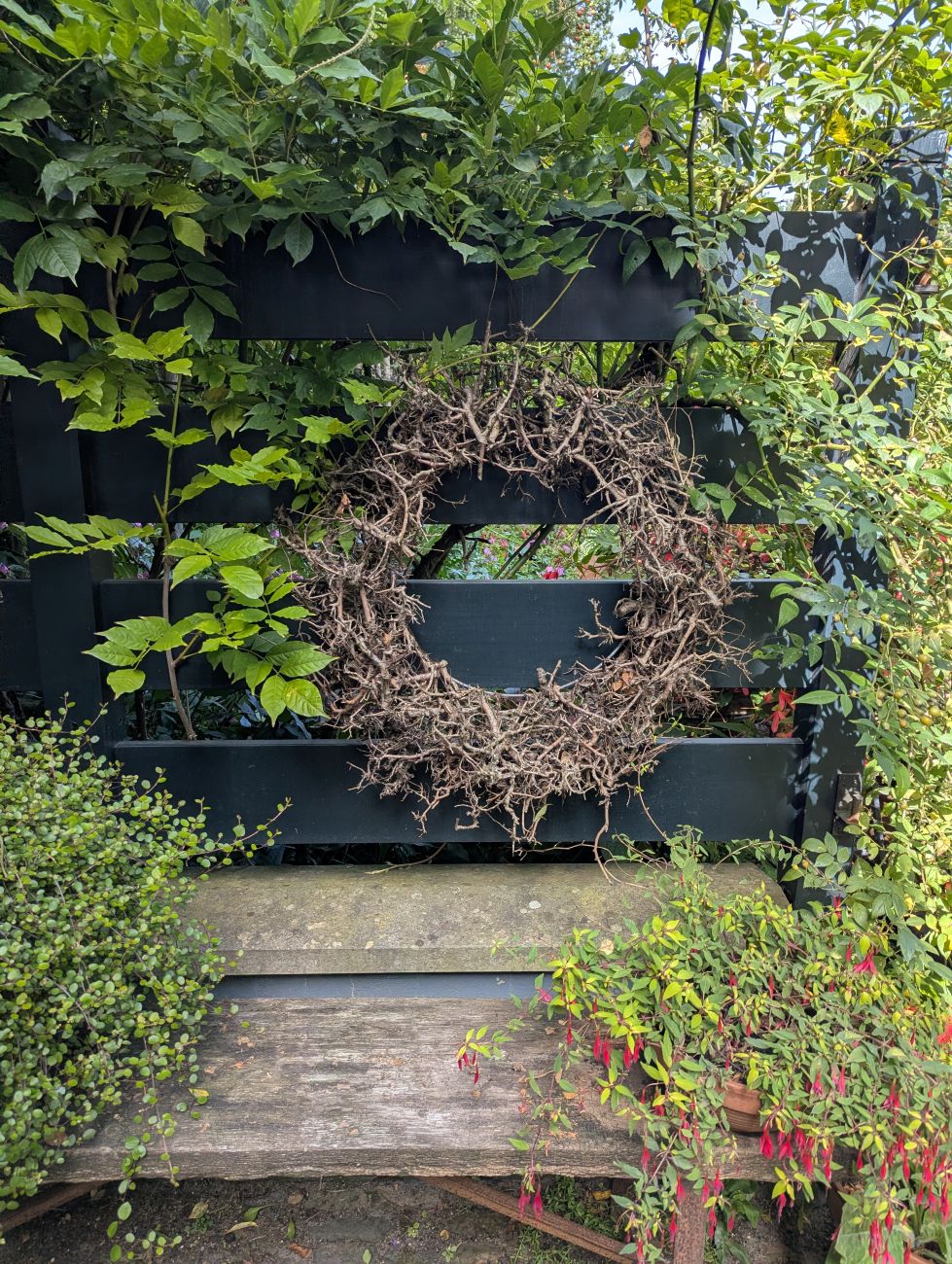
Her creative use of materials extends to the garden gates and entrances, where she frequently hangs natural wreaths crafted from clippings taken directly from the garden. These seasonal decorations, which she teaches in her workshops, serve as a bridge between the outdoor environment and the interior of the home.
The Philosophy of the "Cutting Fear"
Despite her professional expertise, Nolsen maintains a deeply human relationship with her garden. She candidly discusses the concept of "cutting fear"—a phenomenon well-known to many gardeners. When the garden is in peak bloom, the prospect of removing flowers for a bouquet can feel like an act of vandalism against a perfect scene.
However, she frames this tension as part of the garden’s cycle. By removing blooms for indoor arrangements, she not only enjoys the beauty of the flowers in a different setting but often encourages the plants to produce further growth. Her workshops emphasize this transition, demonstrating how the garden provides for the home, and how that cycle of harvest and renewal is the ultimate purpose of the land.
Implications for Modern Garden Design
Nolsen’s garden serves as a compelling model for the modern homeowner. It challenges the notion that a "productive" garden (one meant for cutting or eating) must be ugly or relegated to a hidden corner of the property. Instead, by prioritizing aesthetics alongside utility, she demonstrates that a cutting garden can be a destination in its own right—a place of beauty that nourishes both the soul and the vase.
For those interested in visiting or learning from her techniques, Nolsen continues to offer lectures and workshops, sharing her secrets on everything from perennial combinations to the art of natural floral arrangement.
Conclusion: A Living Legacy
As the Fine Gardening tour highlights this season, Marieke Nolsen’s garden stands as a testament to the power of intentional design. It is a place where every branch, seed head, and petal has a role to play. By bridging the gap between the wild, natural look of the Dutch landscape and the refined art of floral styling, Nolsen has created something truly timeless.
Whether one is a professional florist or a casual home gardener, the lessons from her property in Leusden are clear: plant for the senses, design for the seasons, and never be afraid to bring a little bit of the garden inside.
Quick Reference: Key Plants in the Nolsen Garden
- Hydrangeas (Hydrangea spp.): Nolsen’s favorite; used extensively for late-summer and autumn arrangements.
- Plume Poppy (Macleaya cordata): Valued for its height and unique foliage, adding a structural element to the borders.
- Globe Thistle (Echinops cvs.): Provides architectural interest and excellent texture for dried or fresh arrangements.
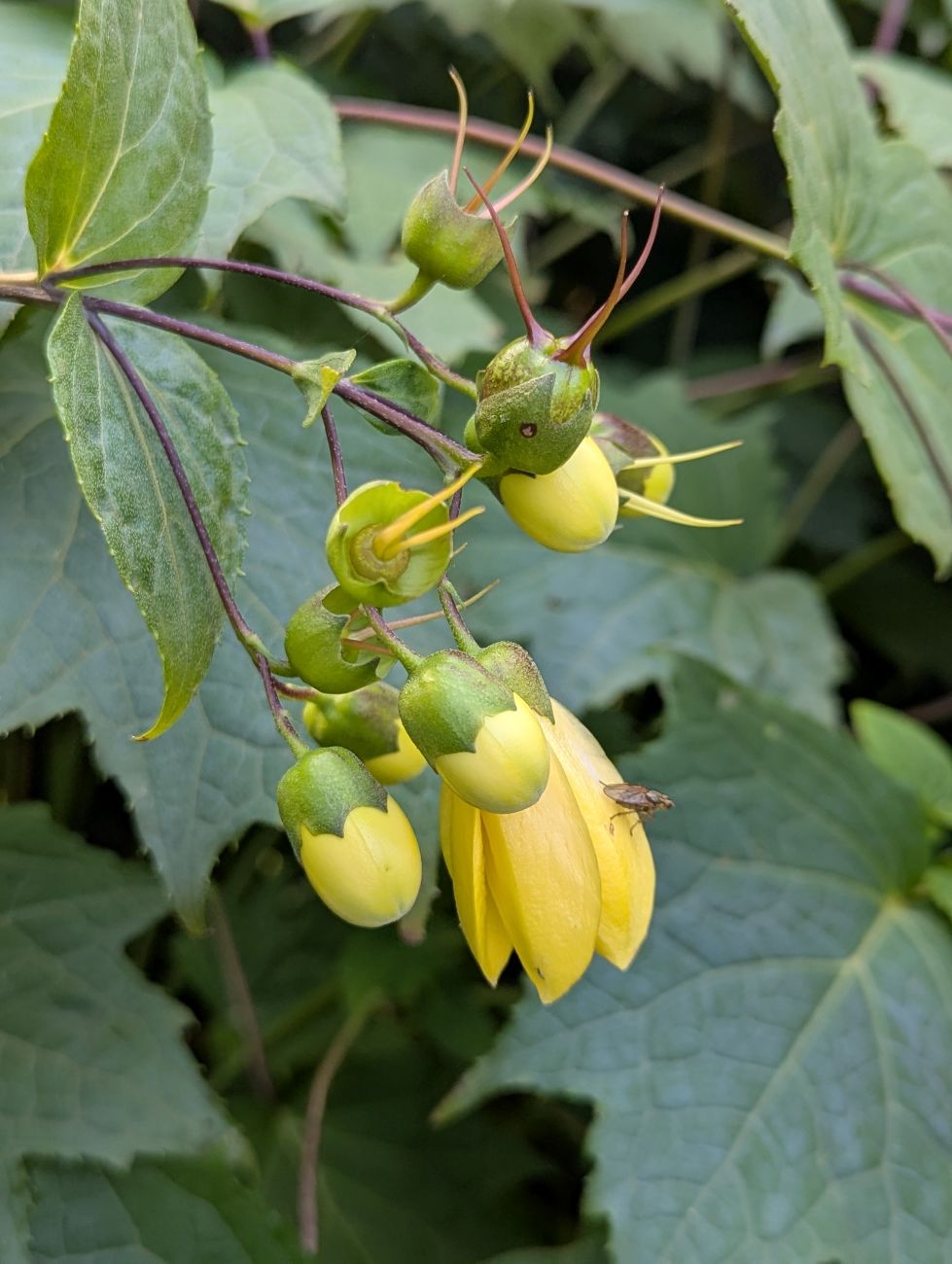
- Yellow Wax-bells (Kirengeshoma palmata): Prized for its broad, maple-like foliage and late-season yellow, nodding flowers.
- Dahlias (Dahlia cvs.): The cornerstone of the cutting garden, selected for color harmony and long-lasting blooms.
Gardening Resources Recommended by Fine Gardening
For those inspired to cultivate their own resilient landscapes, we recommend:
- "The Nature of Oaks" by Doug Tallamy: A deep dive into the ecological significance of oak trees and their role in a healthy backyard ecosystem.
- "Planting in a Post-Wild World" by Thomas Rainer and Claudia West: A foundational text for those looking to design plant communities that balance the wild with the cultivated.
- ARS Telescoping Long Reach Pruner: A professional-grade tool essential for maintaining high-reaching shrubs and perennials without damaging delicate surrounding growth.