The Science of Hydration: Navigating the Best Electrolyte Powders and Supplements
In an era where “optimization” is the buzzword for everything from sleep to productivity, the hydration market has exploded. What was once the domain of serious marathon runners and professional athletes is now a crowded aisle of colorful, flavor-packed powders promising everything from improved cognitive function to instant hangover relief. But does the average person actually need to supplement their water intake? And if so, how do you distinguish between a genuine performance tool and expensive, sugar-laden flavored water?
To cut through the marketing noise, I spent weeks testing dozens of electrolyte powders and supplements, speaking with pediatricians, registered dietitians, and sports medicine experts to determine which options are truly worth sipping.
The Core Fundamentals: What Are Electrolytes?
At their simplest, electrolytes are minerals that carry an electric charge when dissolved in fluid. Your body relies on them to regulate nerve function, muscle contractions, and—most importantly—fluid balance. The primary electrolytes include sodium, potassium, magnesium, calcium, and phosphorus.
While plain water is the gold standard for daily hydration, it doesn’t always contain the necessary mineral balance to replenish what is lost during intense physiological stress. When you sweat, you aren’t just losing water; you are losing sodium and other vital minerals. Without these, simply chugging plain water can lead to hyponatremia (low blood sodium levels) in extreme scenarios.
Chronology of a Hydration Strategy
Understanding when to use an electrolyte supplement requires a shift in mindset. It is not a "magic powder" meant to replace a healthy diet or adequate water intake.
- The Baseline: For the vast majority of people, a balanced diet rich in fruits and vegetables provides sufficient electrolytes for daily life.
- The 30-Minute Threshold: Experts like Melissa Jaeger, head of nutrition at MyFitnessPal, suggest the "3H" rule: if you are active for an hour or more, exercising in high heat, or working hard enough to break a significant sweat, that is the moment electrolyte supplementation becomes a performance tool rather than a dietary gimmick.
- The Recovery Phase: Electrolytes also play a role in post-exertion recovery. For those recovering from illness or the occasional hangover, a mix containing a balance of sodium and glucose can assist the body in rapid rehydration.
Top Picks: The Best Electrolyte Powders
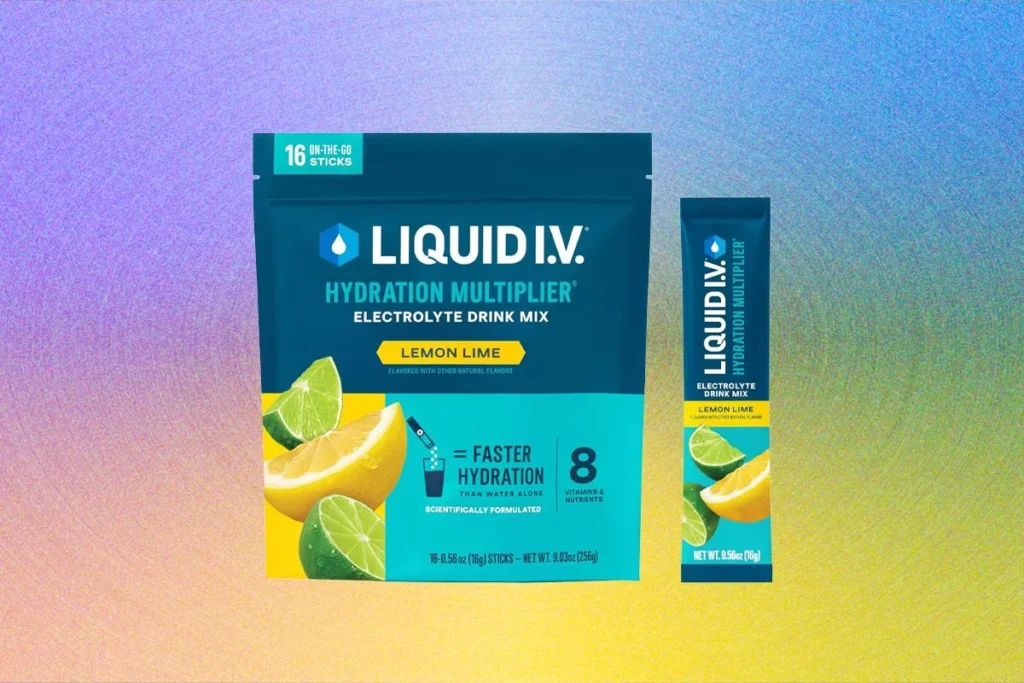
1. Best for Most: Liquid I.V. Hydration Multiplier
Liquid I.V. has become a household name for good reason. It offers a reliable, well-researched concentration of electrolytes and carbohydrates. I found the packets easy to open and the flavor profiles broad enough that even the pickiest palate will find a match. It is an excellent middle-ground option: effective enough for a long day at a music festival or a light workout, but balanced enough to be used occasionally in daily life without over-supplementing.

2. Best for Athletes: Skratch Labs Hydration Sport Drink Mix
For those pushing their bodies to the limit, Skratch Labs stands out. It is higher in carbohydrates and sugar, which sounds counterintuitive to the "zero-sugar" trend, but for athletes, these are vital. Carbohydrates are the fuel that prevents premature fatigue. This mix is designed to be absorbed quickly, providing an energy boost that is noticeable within minutes of consumption.
3. Best for Hangovers: Electrolit Powder Packets
When dealing with the specific dehydration associated with a hangover, Electrolit provides a reliable, high-sodium, and high-carb profile. It is essentially a clinical-grade rehydration solution disguised as a sports drink. While the use of artificial colors is a drawback for some, its ability to mitigate headache and fatigue makes it a go-to for many.
4. Best Less-Flavored Option: DryWater Complete Hydration Powder
For those who despise the "syrupy" taste of typical sports drinks, DryWater offers a more nuanced approach. It tastes more like enhanced, fruit-infused water. It is less about a massive dose of salt and sugar and more about subtle, daily-friendly hydration.
5. Best Caffeinated: Klar Energy + Hydration
For the athlete who needs a kickstart, Klar combines electrolytes with 150mg of caffeine. It serves a dual purpose: hydration and energy. While the stevia-heavy flavor profile won’t win awards, it is a cost-effective way to get both your stimulants and your minerals in one bottle.
Supporting Data and Expert Consensus
The consensus among experts—including Shelley Balls, RDN, and Dr. Hallie Zwibel—is that the consumer must be cautious.
- Sodium Caution: Most Americans already exceed the daily recommended 2,300mg of sodium through their regular diet. Using high-sodium electrolyte powders (like LMNT or certain Bodyarmor formulations) daily without exercising intensely can lead to unnecessary spikes in blood pressure.
- Sugar and Glycogen: While sugar is often vilified, it is a functional component of hydration. Glucose is required for the "sodium-glucose cotransport" mechanism in the small intestine, which actually speeds up water absorption. Therefore, an electrolyte mix with zero sugar may be less effective at rapid rehydration than one with a small amount of glucose.
- The "White Residue" Test: A practical way to determine your salt needs is the observation test. If you notice white, chalky residue on your skin or clothes after a workout, you are a "salty sweater" and likely need a higher-sodium formulation.
Official Responses and Medical Implications
Medical professionals emphasize that electrolytes are not a substitute for water. Dr. Heather Gosnell, a pediatrician, warns that while supplements are safe for most healthy adults, they should not be the primary source of fluid.

"Electrolyte drinks are helpful after intense exercise or heat exposure," Dr. Gosnell says. "For everyday hydration, simple water and healthy foods are best."
Furthermore, the rise of "over-supplementation" poses risks. Many powders contain high concentrations of zinc or magnesium. If you are already taking a multivitamin, you could be doubling up on these minerals, leading to toxicity or, more commonly, gastrointestinal distress. Always read the back of the label and check if the product is third-party tested for purity.
Implications for the Consumer
When choosing an electrolyte, ask yourself: What is my goal?
- If you are a high-performance athlete: Prioritize carbohydrate and sodium content. Look for formulas like Skratch Labs or Tailwind.
- If you are looking for daily support: Look for lower-sodium, lower-sugar options like DryWater or Thorne’s Daily Electrolytes.
- If you have specific dietary needs: Be wary of the "multilevel marketing" (MLM) brands, as their scientific backing can be inconsistent. Always look for products with clear, transparent ingredient lists and verify them against your existing supplement regimen.
Conclusion: Drink with Intention
Hydration is a personal science. The best electrolyte powder for a marathon runner in the Arizona heat is fundamentally different from what a sedentary office worker needs on a Tuesday. By focusing on your actual activity levels and ignoring the aggressive marketing of "optimal" hydration for everyone, you can save money and improve your health.
If you are just plain thirsty, reach for a glass of water first. If you are pushing your body to new limits, reach for an electrolyte. Your body—and your wallet—will thank you.
Disclaimer: This article is for informational purposes and does not constitute medical advice. Always consult with your primary care physician before adding new supplements to your diet, especially if you have existing health conditions such as high blood pressure or kidney issues.