Cultivating Resilience: Inside a Suburban Oklahoma Oasis Built for Extreme Heat
In the heart of the Oklahoma City suburbs, where the relentless summer sun often tests the mettle of even the most seasoned horticulturists, Janelle has transformed her backyard into a living, breathing laboratory of botanical resilience. What began as a modest attempt to cultivate a vegetable patch has blossomed into a sophisticated, multi-layered ecosystem. By marrying the utilitarian needs of an edible garden with the aesthetic and ecological benefits of native perennials, Janelle has created a blueprint for sustainable suburban gardening in regions prone to intense heat and prolonged drought.
The Evolution of a Suburban Ecosystem
The story of Janelle’s garden is one of trial, error, and an eventual shift in philosophy. Like many suburban gardeners, she initially focused on the "production" aspect of horticulture—vegetables, herbs, and fruits. However, she quickly encountered the harsh reality of the Oklahoma climate.
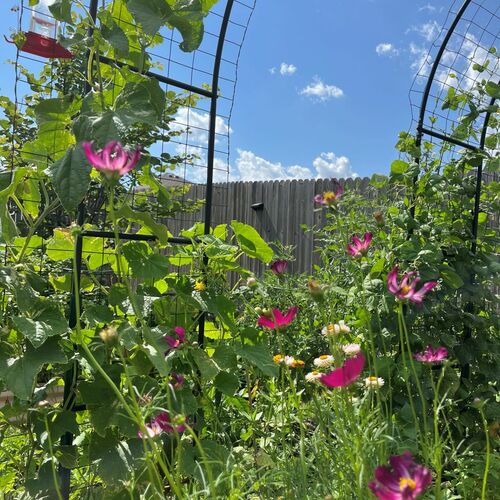
"I started by growing only vegetables," Janelle explains. "But I quickly realized that a garden cannot exist in a vacuum. To thrive, it must function as an entire ecosystem. When you monocrop vegetables, you invite pests and struggle against the heat. By integrating annual flowers and native perennials, I’ve created a space that sustains itself."
This shift in strategy was not merely aesthetic; it was an act of survival. By interplanting vegetables with native species, Janelle invited a host of beneficial insects to her yard, naturally managing pest populations and improving pollination rates. Today, her garden is a testament to the fact that ornamental beauty and agricultural production are not mutually exclusive—in fact, they are mutually reinforcing.
Chronology: From Bare Earth to Biodiversity
The transformation of the space occurred over several seasons, dictated by the unforgiving rhythm of the Oklahoma calendar.
Phase 1: The Foundation (Years 1-2)
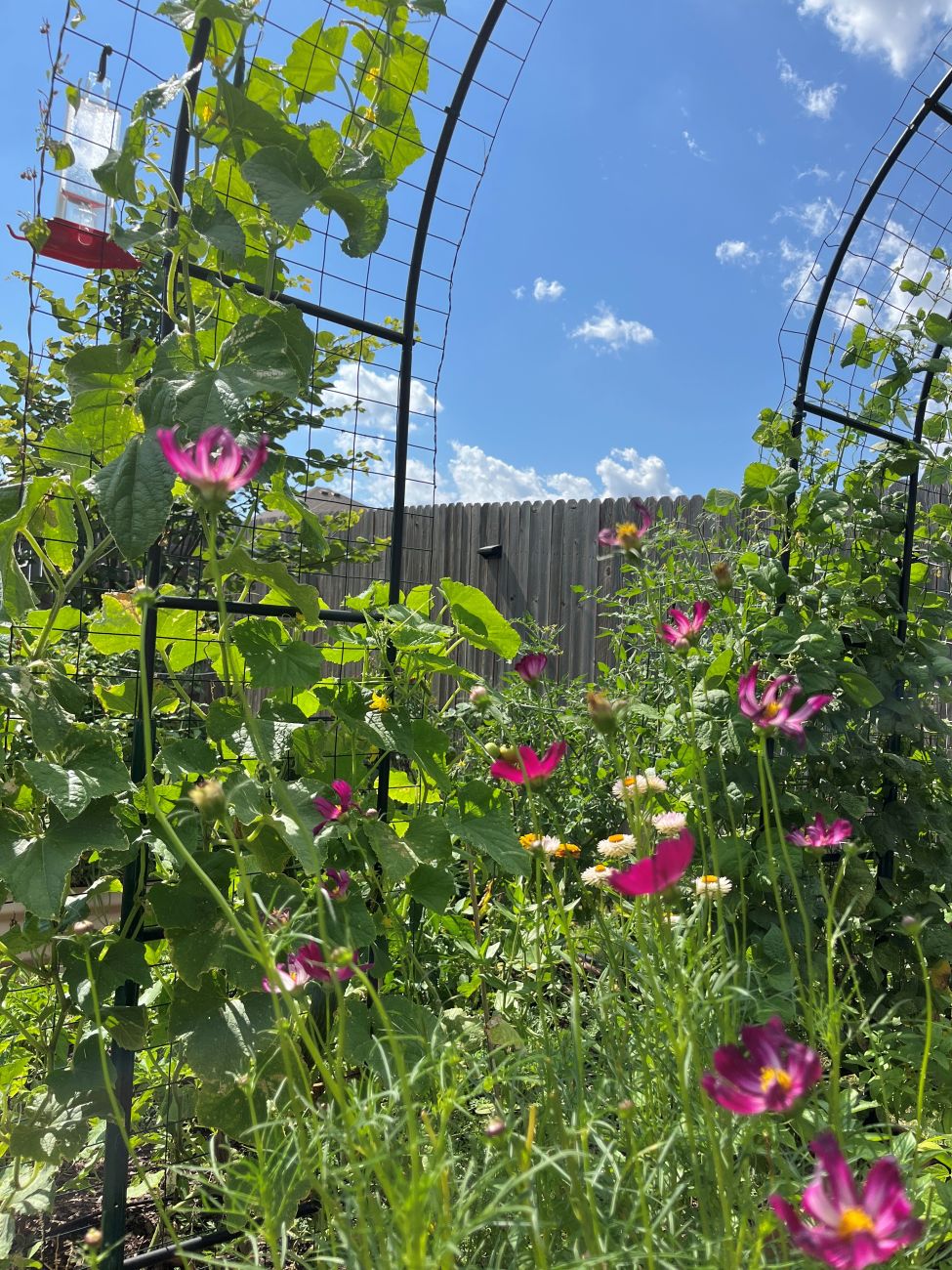
Initially, the focus was on soil amendment and infrastructure. Janelle prioritized raised beds to gain better control over soil quality. It was during this period that she installed double garden arches to support climbing cucumbers. These vertical structures served a dual purpose: they maximized limited square footage in the suburban footprint and provided necessary airflow for the vines, which is critical in preventing fungal issues during humid spells.
Phase 2: The Integration of Natives (Years 3-4)
Recognizing that her vegetable beds were isolated islands, Janelle began introducing native perennials. The goal was to establish a "pollinator highway" that would bridge the gap between her edible crops. This period saw the introduction of pink muhly grass (Muhlenbergia capillaris) and Russian sage (Salvia yangii), both of which were chosen for their drought-hardiness and their ability to provide year-round visual interest.
Phase 3: Fine-Tuning for Extreme Heat (Year 5 to Present)
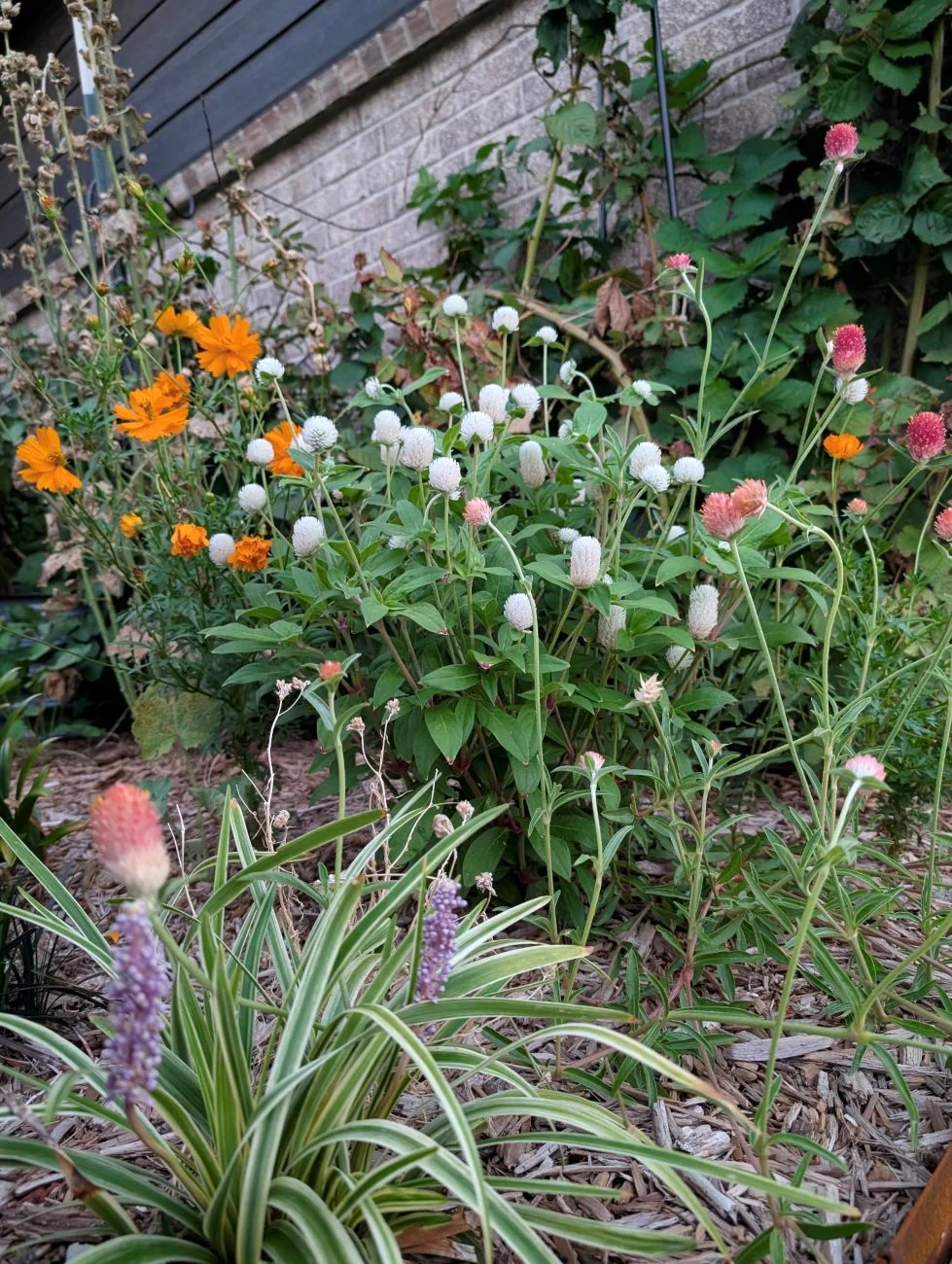
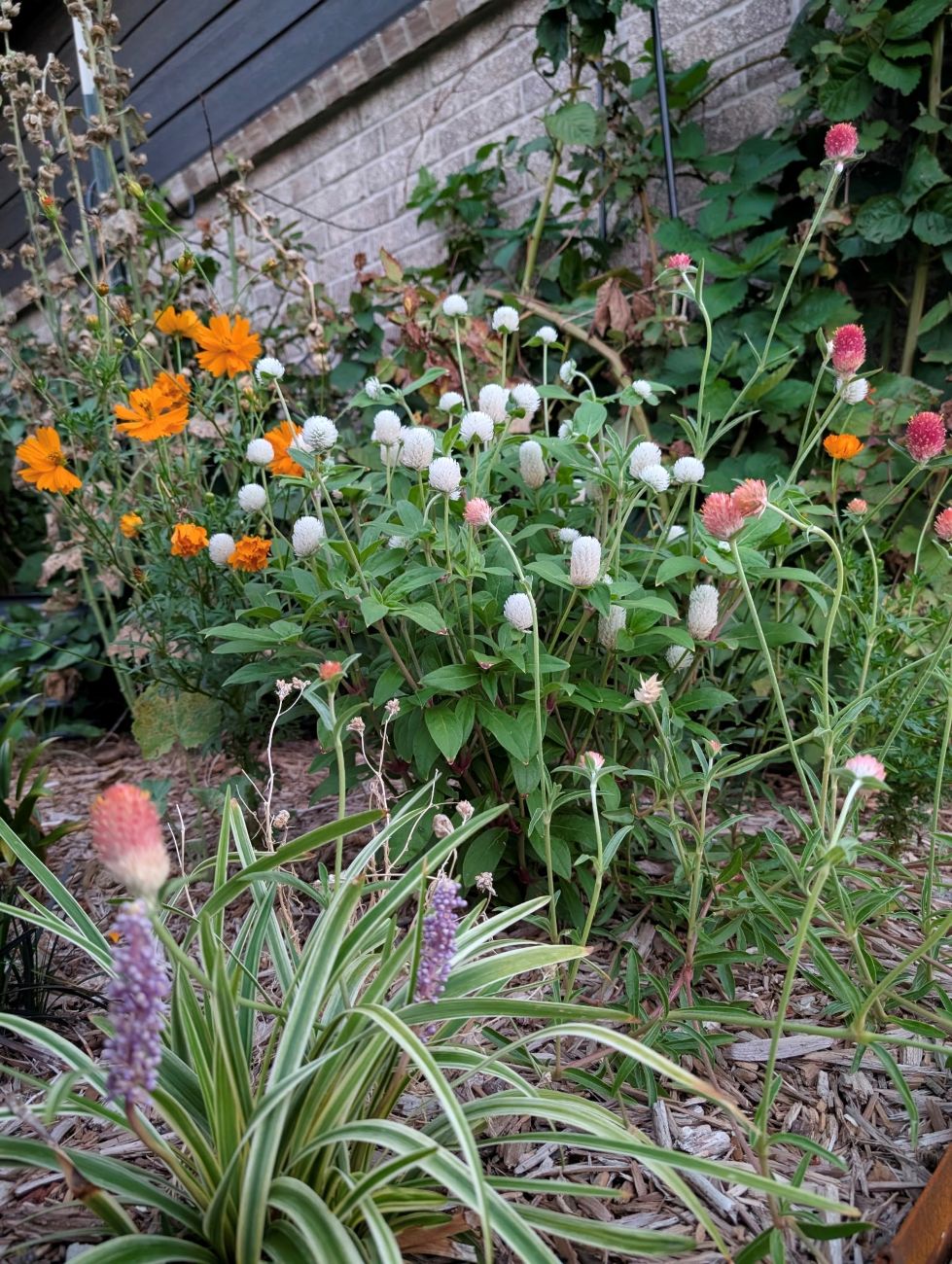
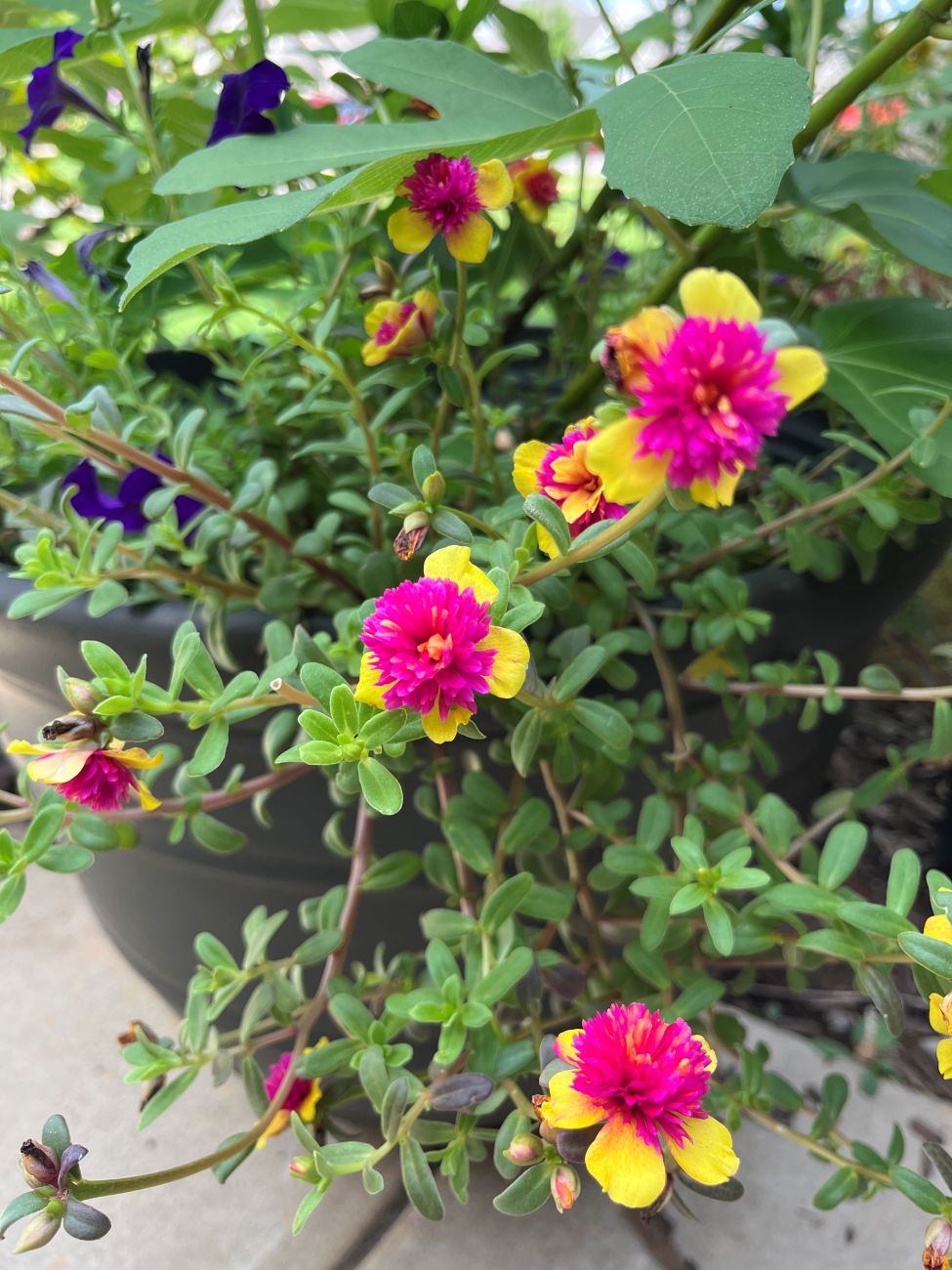
With the ecosystem now established, the focus shifted to refining the plant palette to withstand the "dog days" of an Oklahoma summer. Through rigorous testing, Janelle identified specific annuals—such as zinnias, portulaca, and globe amaranth—that could maintain vibrant blooms despite temperatures consistently climbing into the triple digits.
Supporting Data: The Heat-Hardy Plant Palette
The success of this garden is rooted in a data-driven selection of flora. Janelle’s plant list reads like a manual for arid-climate survival.
Essential Annuals for Summer Color
- Zinnia (Zinnia elegans): A workhorse of the summer garden, prized for its drought tolerance and ability to draw butterflies.
- Portulaca (Portulaca grandiflora): Often called "moss rose," this succulent annual thrives in the most intense, baking sun, making it perfect for container gardening.
- Globe Amaranth (Gomphrena globosa): Highly heat-tolerant with long-lasting blooms that serve as a nectar source well into autumn.
- Cosmos (Cosmos bipinnatus): Provides a delicate, airy aesthetic that contrasts with the heavier textures of the vegetable leaves.
Perennials for Structural Integrity
- Pink Muhly Grass (Muhlenbergia capillaris): Known for its spectacular late-season plumes, it offers a soft, ornamental texture that requires very little supplemental water once established.
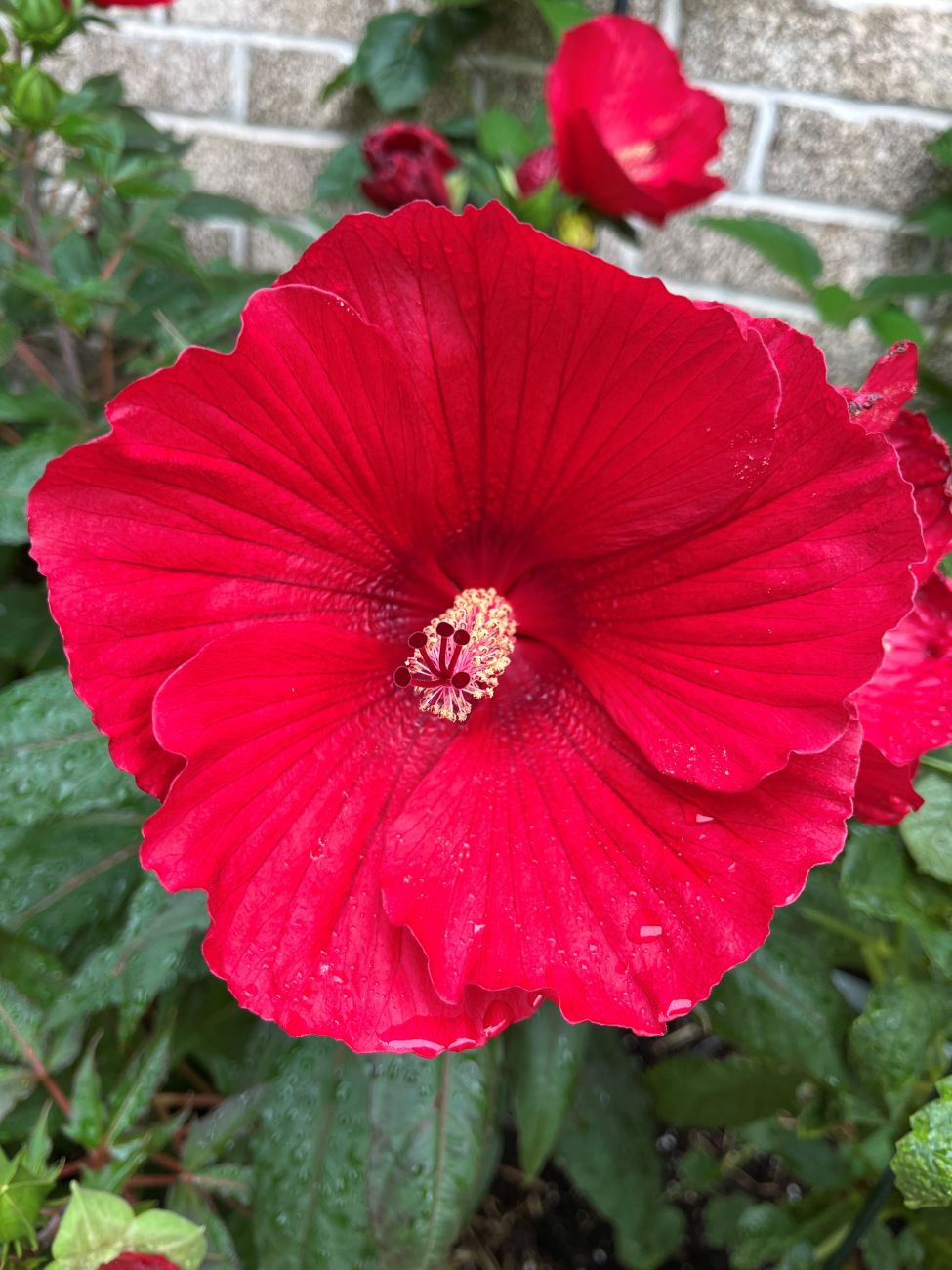
- Hardy Hibiscus (Hibiscus moscheutos): A showstopper in the midsummer garden, particularly the ‘Midnight Marvel’ variety with its deep burgundy foliage and plate-sized blooms.
- Russian Sage (Salvia yangii): A staple for xeriscaping, its silvery foliage and purple spikes provide a cooling visual effect against the heat of the summer sky.
The Role of Infrastructure and Design
Janelle’s success is not just about plant choice; it is about design efficiency. The use of double garden arches for cucumbers is a masterclass in space management. By training plants to grow upward, she keeps the foliage off the hot soil, reducing evaporation and allowing for better circulation.
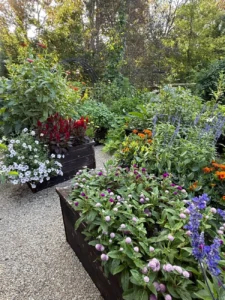
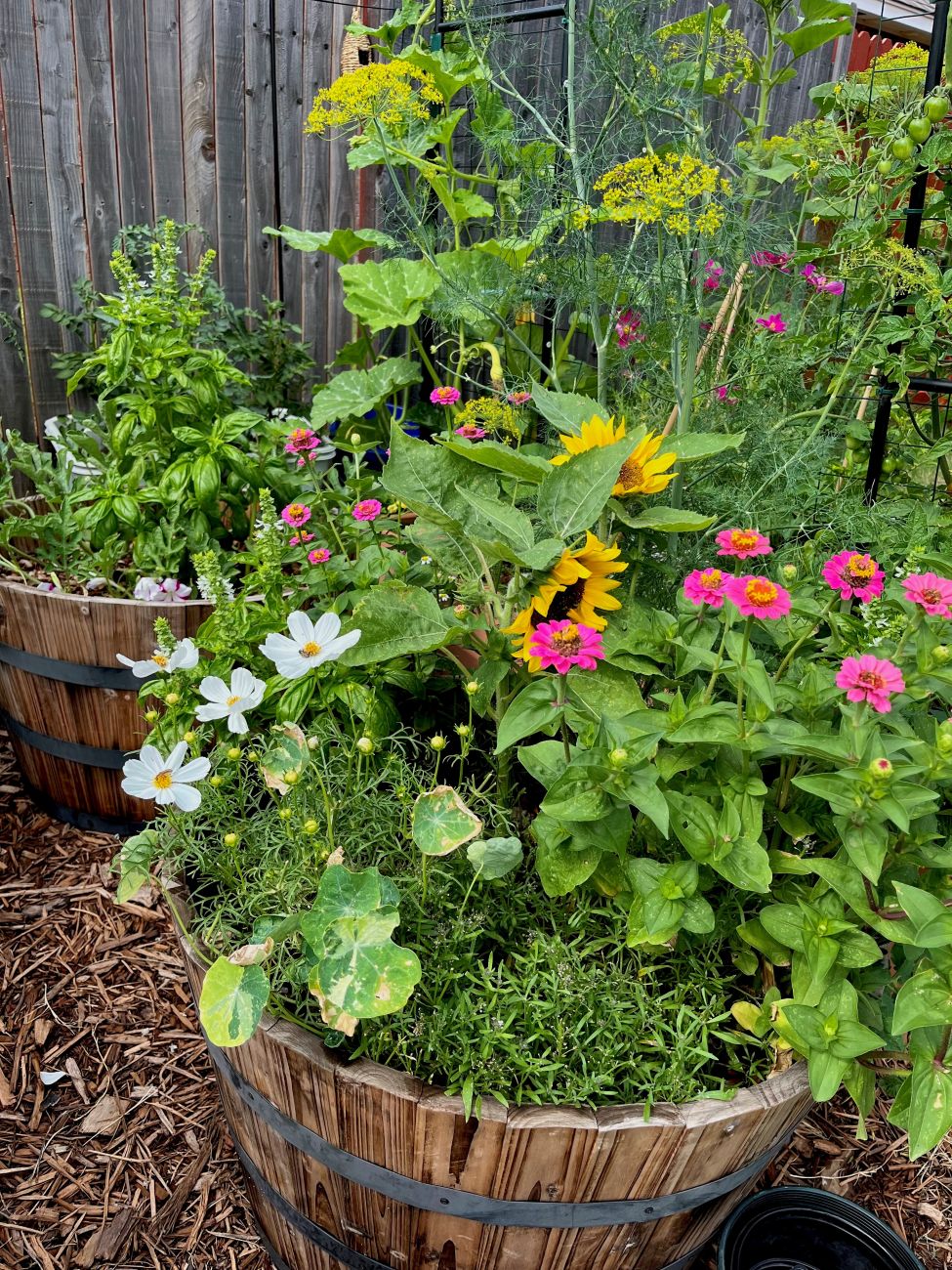
Furthermore, her use of barrel planters for a mix of cosmos, zinnias, dill, and sunflowers illustrates a "companion planting" approach. By grouping these species in containers, she creates micro-habitats that attract beneficial insects—such as lacewings and parasitic wasps—which then venture into the main vegetable garden to keep aphids and other pests in check.
Official Perspectives: The Value of Native Biodiversity
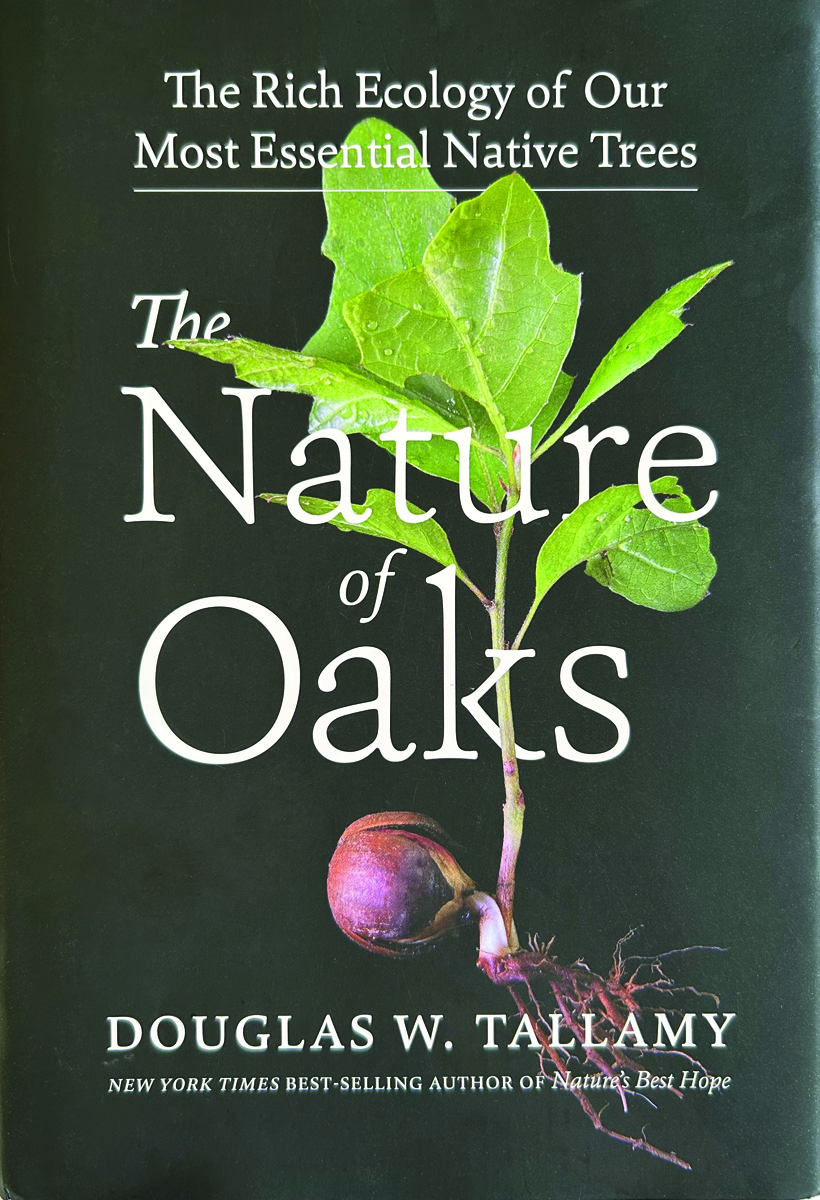
Experts in horticulture, such as renowned ecologist Doug Tallamy, often emphasize the critical importance of native plant integration in suburban settings. As highlighted in The Nature of Oaks, the seasonal cycles of life, death, and renewal are accelerated and more visible when we invite native species into our backyards.
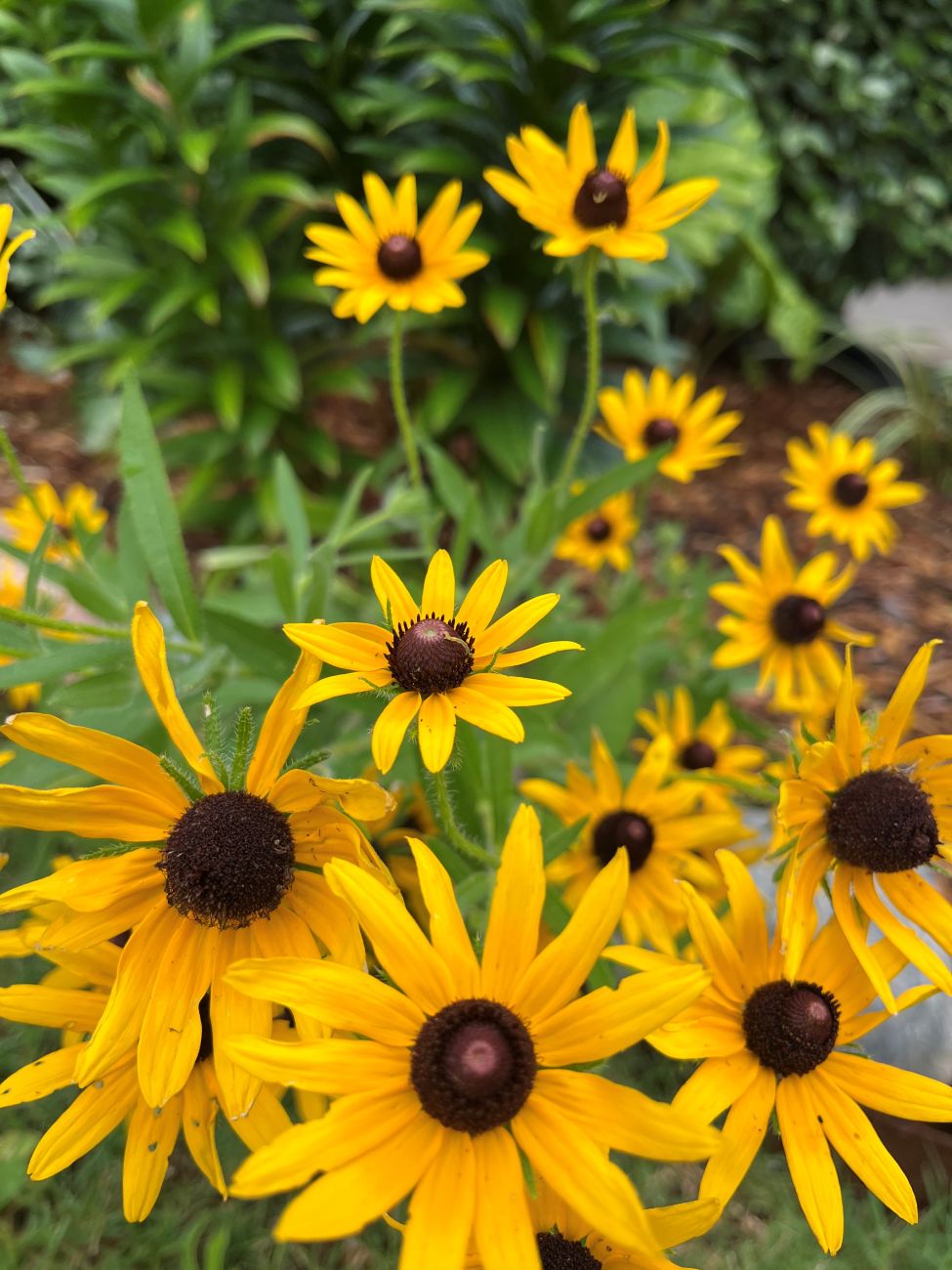
Janelle’s experience aligns with the broader movement toward "ecological gardening." By moving away from water-intensive, non-native lawns and toward a diverse, plant-rich landscape, she is contributing to a larger regional effort to conserve water and protect local pollinator populations. The inclusion of nectar-rich plants like black-eyed Susans (Rudbeckia hirta) acts as a vital fuel station for bees and butterflies, which are currently facing habitat loss across the Great Plains.
Implications for the Future of Suburban Gardening
The "Janelle Method" provides several key takeaways for gardeners operating in extreme climates:
- Prioritize Drought Tolerance: Do not fight the climate; adapt to it. Choosing plants that are naturally suited to your region’s moisture levels is the single most effective way to reduce maintenance labor.
- Think in Layers: A garden should have verticality. Using trellises and arches not only increases yield but also protects plants from ground-level heat radiation.
- The Ecosystem Approach: A vegetable garden is a magnet for pests. By surrounding it with a diverse array of flowers and perennials, you create a natural defense system that reduces the need for chemical intervention.
- Container Versatility: Barrel planters allow for flexibility. If a particular area of the yard gets too much shade or too much direct, scorching sun, containers can be moved to optimize the health of the plants within them.
Encouraging a New Generation of Gardeners
Janelle’s garden serves as an invitation to the community. Her willingness to share her successes and her failures—the "hopes and the losses"—is the hallmark of the modern gardening community. The call to action is clear: whether you have a sprawling backyard or a few pots on a porch, there is an opportunity to cultivate a slice of nature that is both beautiful and sustainable.
As the climate continues to shift, the lessons learned in an Oklahoma City suburb become increasingly relevant to gardeners nationwide. We are learning that the most successful gardens are those that mirror the resilience of the natural world.
How to Get Involved
For those inspired by Janelle’s journey, there are numerous ways to contribute to the growing body of knowledge regarding domestic ecosystems. Whether through local master gardener programs, plant swaps, or participating in national garden showcases, every participant helps strengthen the network of native-focused gardening.
For readers interested in optimizing their own outdoor spaces, the following resources remain essential:
- Irrigation Control: Utilizing smart technology, such as the RAINPOINT sprinkler timer, ensures that water is used efficiently, specifically during the peak heat of the day.
- Attracting Wildlife: Investing in simple infrastructure, such as shallow birdbaths, creates a hospitable environment that encourages birds to frequent the garden, further balancing the local insect population.
Janelle’s oasis is a poignant reminder that while we cannot change the intensity of the summer sun, we can certainly change how we respond to it. Through careful selection, thoughtful design, and a deep respect for the ecological web, we can all turn our backyards into sanctuaries that thrive in the heat.