The Dinner Table Crisis: Navigating the Chaos of Modern Family Mealtimes
For many parents, the "witching hour" is not just the time before bed—it is the chaotic transition into the dinner hour. As families settle into new school-year routines, the struggle to get everyone to the table, let alone to agree on a meal, has become a pervasive source of domestic stress.
Recent inquiries from the Yummytoddlerfood (YTF) Community highlight a growing frustration among parents: the feeling that family dinner has devolved into a "circus." With children refusing to remain seated and conflicting dietary preferences tearing households apart, many parents report feeling ready to abandon the concept of a shared meal entirely. This article explores the mechanics of why these power struggles occur and provides a framework for reclaiming the dinner table.
The Anatomy of the Dinner Table Crisis: Main Facts
The primary issue facing modern families is not just the food on the plate, but the environment in which it is served. Experts in child development and nutrition suggest that when mealtime becomes a battleground, the nutritional intake of the child often takes a backseat to the behavioral conflict.
Laney, a mother of three and a prominent voice in the YTF community, recently articulated the common plight: "Not only do my three kids not agree on any dinners they all like, but they will not sit down at meals. I feel like it’s a circus in our house at dinner and I want to just give up."
This sentiment is shared by thousands of households. The "circus" effect is typically driven by three factors:
- Decision Fatigue: Parents, exhausted by a full day of labor, struggle to curate a menu that satisfies everyone.
- Behavioral Autonomy: Children, especially toddlers and young school-aged kids, use the dinner table as a primary location to assert their independence.
- Environmental Distractions: The presence of screens, high-stimulation environments, and lack of routine makes sitting still a physiological challenge for developing children.
A Chronological Look at Mealtime Evolution
The evolution of the family dinner has shifted significantly over the past three decades. Historically, the "family meal" was a rigid, non-negotiable event. In the early 2000s, the rise of the "on-the-go" culture saw a decline in shared dining as extracurricular activities surged.
Today, we are seeing a "post-modern" return to the family meal, but with a twist: parents are now more aware of the psychological impacts of feeding.
- The Early Years (Ages 1–3): This period is defined by high-intensity exploration. Parents often find that children are physically incapable of staying seated for more than 10–15 minutes.
- The Middle Years (Ages 4–8): The conflict shifts from physical movement to verbal negotiation. This is the era of "I don’t like this" and "Can I have something else?"
- The Current Crisis: We are currently in a cycle where parents are attempting to balance the need for nutrition with the need for harmony. The "circus" atmosphere is often a symptom of mismatched expectations between adult desires for a quiet meal and a child’s need for movement and sensory engagement.
Supporting Data and Psychological Insights
Data from pediatric nutritionists indicates that children who eat with their families at least three times a week perform better in school and have higher self-esteem. However, the quality of that time matters.
Research into the "Division of Responsibility" (a model developed by Ellyn Satter) suggests that the parent’s role is to decide what, when, and where food is served, while the child’s role is to decide whether and how much to eat. When parents attempt to control the child’s intake or behavior too strictly, they inadvertently increase the "circus" factor.
Furthermore, sensory processing plays a huge role. For many children, sitting in a chair for 30 minutes is physically painful due to their developing nervous systems. Integrating movement—or allowing a child to eat in a "kneeling" position—can often resolve the behavioral issues that parents mistake for defiance.
Expert Perspectives and Official Approaches
In addressing the "Laney" case study, family feeding experts emphasize the importance of the "One Meal" rule. The objective is to serve one meal that contains at least one "safe" food that every family member is known to enjoy. By removing the need for a separate "short-order cook" menu, the pressure on the parent is significantly reduced.
Official guidelines from organizations like the American Academy of Pediatrics emphasize that mealtime should be a positive experience rather than a performance of manners. If a child is a "floater" (someone who gets up and down), experts suggest setting a "timer" for the meal, keeping it short, and encouraging engagement rather than forced stillness.
"The goal," says the YTF editorial board, "is not to create a Michelin-star restaurant experience, but to create a space where the family connects. If the kids are eating, that is a success. If they are sitting, that is a bonus."
Implications for the Modern Household
The implications of the current dinner crisis are far-reaching. When parents feel they must "give up," the household loses one of the most critical windows for emotional regulation and social bonding.
To mitigate these issues, families are encouraged to:
- Lower the Bar: Reduce the time expectations for dinner. A 15-minute meal is better than a 45-minute standoff.
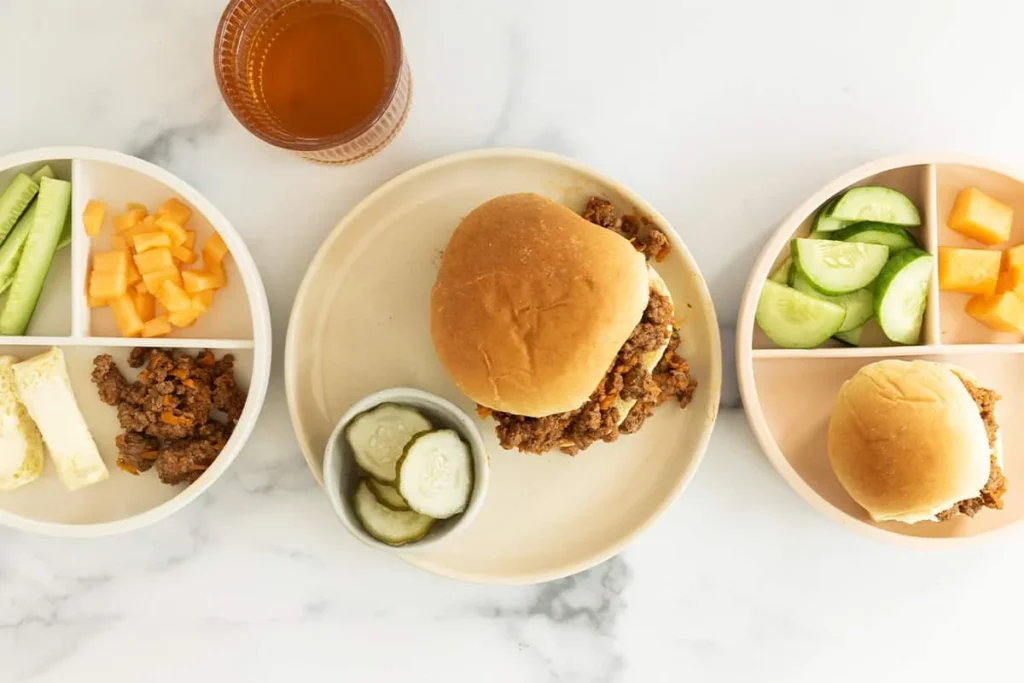
- Standardize the Menu: Use a rotation of "base meals" (like the "Easy Sloppy Joes" featured in recent YTF archives) that can be deconstructed into individual components.
- Engage the Kids: Allow children to participate in the preparation or the serving. When a child has a stake in the meal, they are statistically more likely to engage with the process.
The "circus" is not a sign of failure; it is a sign that the current system is not aligned with the children’s developmental needs. By shifting the focus from "compliance" to "connection," parents can begin to dismantle the chaos.
Building a Sustainable Strategy
Ultimately, the transition to a calmer dinner table requires a blend of patience and logistical foresight. Utilizing tools like custom meal planning and organized shopping lists can help remove the friction of the "what’s for dinner" question.
For those looking to deepen their approach, community support remains essential. Accessing shared experiences—and acknowledging that every family struggles with these same milestones—remains the most effective way to combat the isolation that often accompanies the "circus" dinner hour.
As the school year progresses, remember that every night is a new opportunity to iterate. If tonight is loud, messy, and disorganized, tomorrow offers a chance to shorten the duration, change the seating, or simplify the menu. The goal is progress, not perfection.
For those seeking further guidance, the YTF Community offers extensive resources, including weekly customizable meal plans, deconstructed recipe collections, and forums to discuss these challenges with peers. By investing in these systems, parents can move away from the "circus" and toward a more manageable, and eventually enjoyable, evening routine.