The Secret to Guilt-Free Snacking: Why Chickpea Cookies Are Transforming the Modern Kitchen
In an era where parents and health-conscious individuals are increasingly scrutinizing the ingredient labels of their favorite snacks, the search for a perfect "middle ground" treat has become a culinary quest. Enter the Chickpea Cookie: a deceptively simple innovation that manages to pack fiber, plant-based protein, and wholesome nutrients into a format traditionally reserved for sugar-laden indulgence. By blending humble legumes with pantry staples, home bakers are discovering that they can satisfy a sweet tooth without the typical "sugar crash" associated with conventional desserts.
Main Facts: The Anatomy of a Nutrient-Dense Cookie
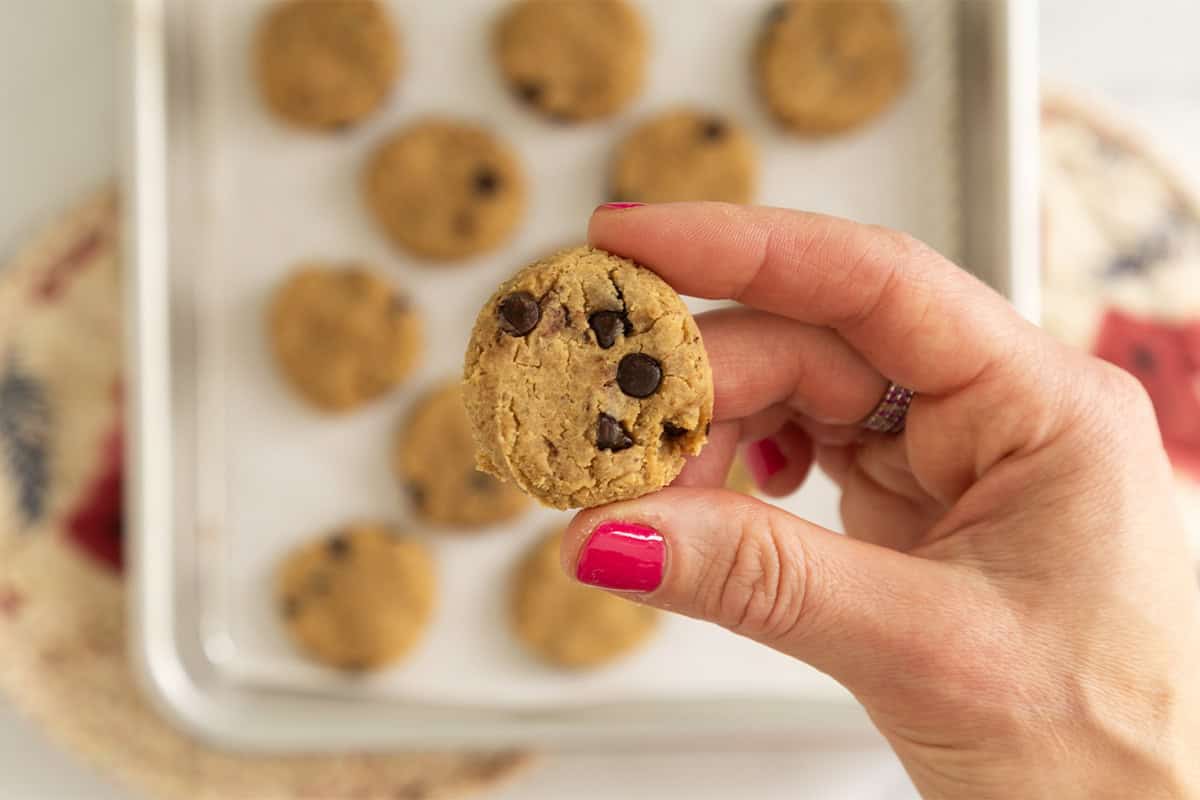
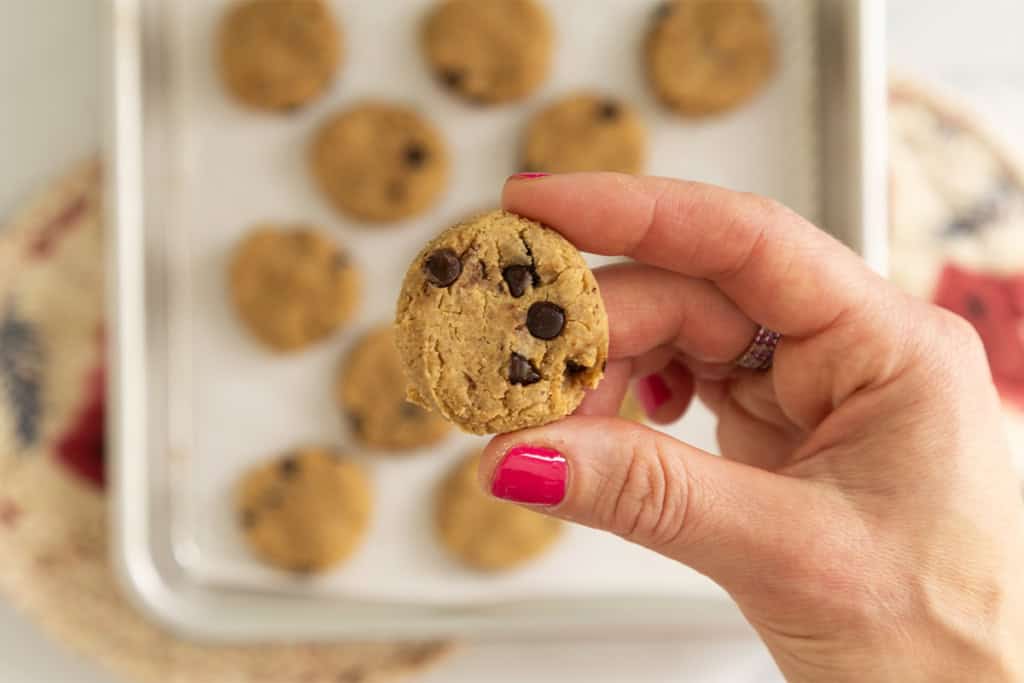
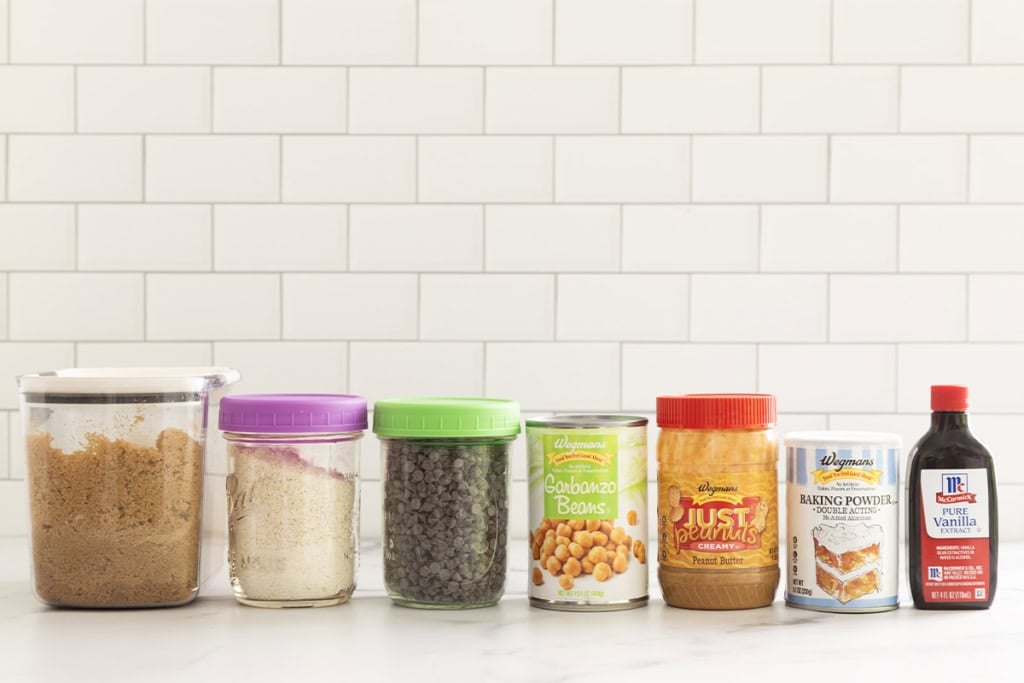
At its core, the Chickpea Cookie is a triumph of culinary versatility. The recipe relies on five foundational ingredients—chickpeas, peanut butter, oat flour, a sweetener (typically brown sugar, though adaptable to maple syrup or honey), and chocolate chips—to create a texture that mimics traditional flour-based cookies.
The genius of this recipe lies in the utilization of the chickpea (garbanzo bean). When properly processed, the bean loses its distinct, savory profile, effectively becoming a blank canvas that absorbs the richness of nut butter and the sweetness of chocolate. From a nutritional standpoint, the implications are significant. Unlike standard cookies, which are often high in refined carbohydrates and low in satiety-inducing nutrients, these cookies offer:
- Fiber: Derived from the chickpeas, supporting digestive health.
- Plant-Based Protein: Providing a sustained energy release that prevents rapid blood sugar spikes.
- Lower Glycemic Load: By utilizing oat flour and minimal added sugar, the recipe offers a more balanced metabolic response.
Chronology: From No-Bake Dough to Oven-Ready Treat
The evolution of the Chickpea Cookie did not happen overnight. It began as an extension of the popular "Chickpea Cookie Dough" trend—a no-bake, spoonable snack that gained traction in healthy-living communities for its safety and nutritional profile.
- The Exploratory Phase: Initially, health food enthusiasts experimented with blending chickpeas for edible, raw cookie dough, appreciating that it eliminated the risks associated with raw flour and eggs.
- The Baking Breakthrough: Once the consistency was perfected for raw consumption, home chefs discovered that the dough possessed enough structural integrity to hold its own in a hot oven.
- Refinement: Through iterative testing, the ratio of oat flour to peanut butter was adjusted to ensure that the cookies achieved a soft, chewy interior rather than a dense, crumbly texture.
- Mainstream Adoption: With the rise of "hidden vegetable" recipes for children, these cookies transitioned from niche health food blogs to mainstream kitchen staples, celebrated for their ability to introduce legumes to picky eaters without the usual resistance.
Supporting Data: Understanding the Nutritional Shift
When comparing a standard chocolate chip cookie to a chickpea-based alternative, the data presents a compelling case for the latter. A typical commercial cookie relies heavily on all-purpose flour, butter, and refined sugar, often resulting in a high-calorie, low-nutrient profile.
In contrast, the Chickpea Cookie provides roughly 7 grams of protein and 4 grams of fiber per serving. The presence of monounsaturated fats from the peanut butter adds a layer of heart-healthy lipids that are missing from butter-based recipes. Furthermore, because the fiber content is significantly higher, the satiety factor is increased. Studies on fiber-rich diets suggest that individuals who consume fiber-heavy snacks are less likely to experience the "hunger cycle" that often follows the consumption of high-glycemic treats. This makes the chickpea cookie an ideal candidate for school lunches, post-workout snacks, or late-night cravings.
Expert Perspectives and Community Feedback
Nutritional experts often point to "stealth health"—the practice of incorporating nutrient-dense foods into meals without altering the flavor profile—as a key strategy for improving public health.
"The Chickpea Cookie is a perfect case study in culinary engineering," notes one pediatric nutritionist. "By leveraging the creamy texture of pureed chickpeas, you are effectively trading refined starch for complex carbohydrates and protein. For children who are averse to the texture of whole beans, this is a non-threatening way to normalize their presence in the diet."
Community feedback has been overwhelmingly positive. On various digital platforms, parents report that the cookies are often indistinguishable from "the real thing." The most common question among home bakers remains the issue of customization. Can they be made vegan? Can they be made gluten-free? The answer, according to the culinary community, is a resounding yes. By swapping honey for maple syrup or ensuring the oat flour is certified gluten-free, the recipe can be tailored to meet almost any dietary restriction.
Implications for Future Snacking Trends
The rise of the Chickpea Cookie is not an isolated phenomenon; it represents a broader shift toward "functional indulgence." Consumers are no longer willing to settle for snacks that offer only empty calories. The demand for products that serve a dual purpose—pleasure and nutrition—is reshaping the food industry.
The Role of Technology in the Home Kitchen
The accessibility of high-speed food processors has been a major catalyst for this trend. Fifteen years ago, achieving the smooth consistency required to disguise a chickpea was a labor-intensive process. Today, the ubiquity of efficient kitchen technology allows even novice cooks to produce bakery-quality results in under twenty minutes.
Sustainability and Plant-Based Protein
Beyond the personal health benefits, there are broader environmental implications. Legumes, such as chickpeas, are among the most sustainable crops on the planet. They require significantly less water than traditional dairy or animal-based proteins and improve soil health through nitrogen fixation. As consumers become more environmentally conscious, the preference for plant-based, legume-derived treats is likely to accelerate.
How to Successfully Implement the Recipe
For those looking to master these cookies, consistency is key. The process is straightforward, but attention to detail in the blending stage is paramount:
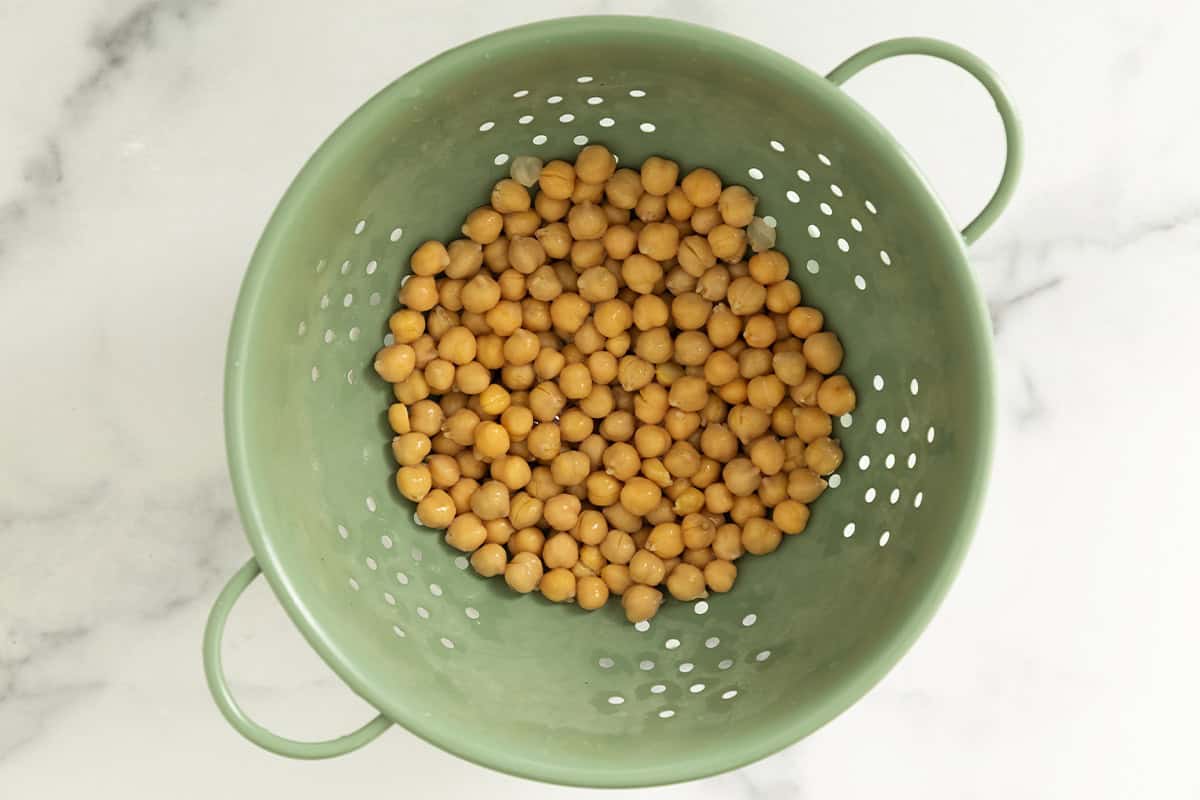
- Rinsing is Mandatory: Ensure that the chickpeas are thoroughly rinsed and drained. Excess starch from the can can lead to a gummy, unpleasant texture.
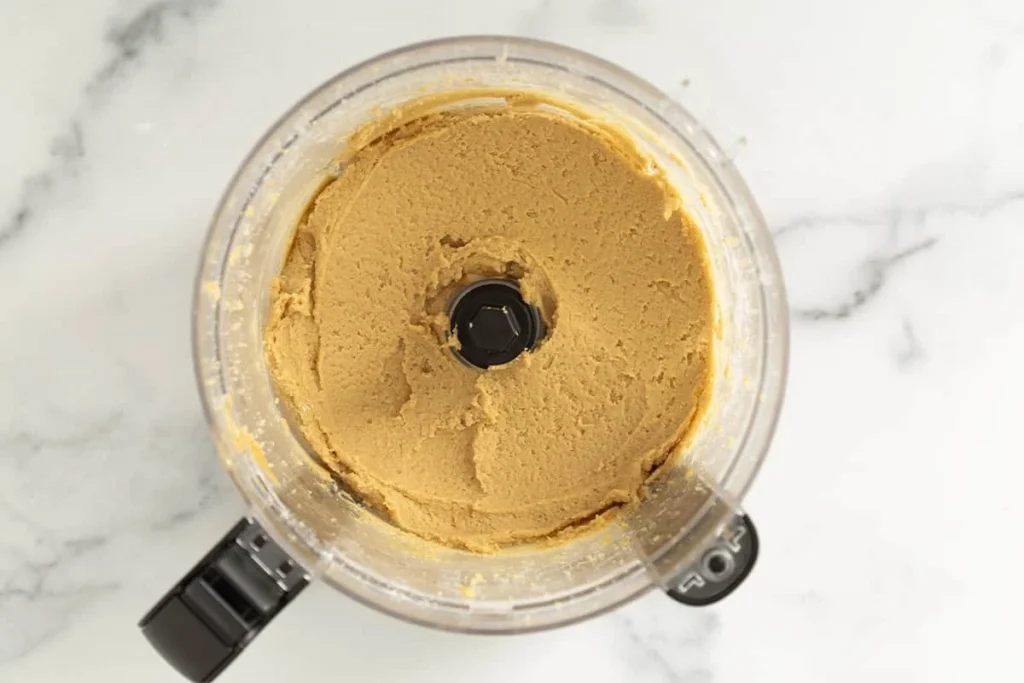
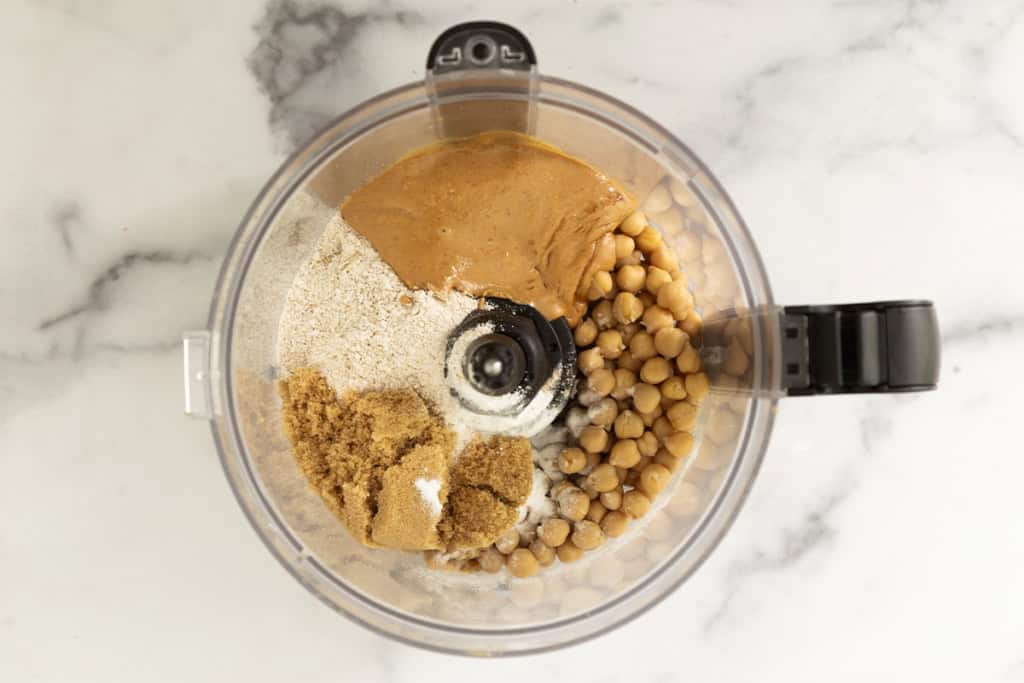
- Texture Control: When blending, pulse the chickpeas with the peanut butter and sweetener until completely smooth. Any remaining chunks of chickpea will be immediately identified by sensitive palates.
- The Cooling Process: Because these cookies do not contain traditional gluten structures, they are fragile when they first emerge from the oven. Allowing them to cool completely on the baking sheet is not optional—it is essential for the structure to "set."
- Storage: Given their high moisture content, these cookies thrive in the refrigerator. In fact, many fans claim they taste even better after a night in the cold, as the flavors have time to meld and the texture becomes firmer.
Final Considerations: A Culinary Paradigm Shift
The Chickpea Cookie is more than just a recipe; it is a manifestation of the modern dietary philosophy. It challenges the binary thinking that categorizes food into "healthy" (and therefore boring) or "tasty" (and therefore unhealthy). By bridge-building between these two categories, the Chickpea Cookie offers a sustainable path forward for families who want to enjoy the ritual of baking without compromising their long-term health goals.
As we look toward the future of food, it is likely that we will see more recipes of this nature. Whether it is black bean brownies or avocado-based mousses, the trend of utilizing legumes and whole-food fats to recreate classic comfort foods is here to stay.
If you are looking to start your journey into this realm, the Chickpea Cookie is the perfect entry point. It is forgiving, efficient, and, above all, delicious. Whether you are a parent looking to sneak an extra boost of fiber into your child’s lunchbox or an athlete seeking a protein-rich treat, these cookies offer a versatile solution that proves that eating well doesn’t have to feel like a chore.
Join the conversation: Have you tried baking with chickpeas yet? The versatility of this legume continues to surprise even the most seasoned chefs. Share your modifications—whether you’ve added flaxseed for an omega-3 boost or experimented with almond butter for a richer flavor profile—and join the growing movement of home bakers redefining the modern cookie.