Elevating the High Desert: Expert Strategies for Sustainable Southwest Landscaping
In the American Southwest, the traditional suburban landscape—defined by thirsty lawns and high-maintenance, non-native hedges—is increasingly viewed as an ecological liability. As regional temperatures rise and water scarcity becomes a permanent fixture of life in the high desert, landscape professionals are pivoting toward a more resilient aesthetic. Mark G. Brotton, a certified landscape designer and owner of Living Water in Santa Fe, New Mexico, suggests that the key to a thriving garden lies not in fighting the environment, but in selecting native species that have evolved to master it.
By replacing common, resource-heavy landscape plants with native alternatives, homeowners can create gardens that provide year-round structure, seasonal beauty, and, most importantly, a critical haven for local wildlife. This transition represents a shift from "ornamental maintenance" to "ecological stewardship," where the landscape functions as an active participant in the regional ecosystem.
The Core Philosophy: Why Native Shrubs Matter
The Southwest presents a unique set of challenges: intense solar radiation, extreme temperature fluctuations, and volatile precipitation patterns. Non-native plants often require significant irrigation, soil amendments, and chemical fertilizers to survive these conditions. In contrast, native shrubs have spent millennia developing biological adaptations—such as deep root systems, specialized leaf structures, and symbiotic relationships with soil microbes—that allow them to thrive on minimal inputs.
When we integrate these native species into our backyards, we are doing more than just gardening; we are participating in a restoration effort. These plants provide the specific nectar, pollen, seeds, and shelter that local insects, birds, and small mammals require to survive.
The Four Pillars of a Resilient Southwest Landscape
Mark G. Brotton identifies four essential native shrubs that serve as the backbone for a sustainable, low-water garden. Each of these selections offers a distinct contribution to the landscape, from nitrogen fixation to pollinator support.
1. The Power of Dwarf Leadplant (Amorpha nana)
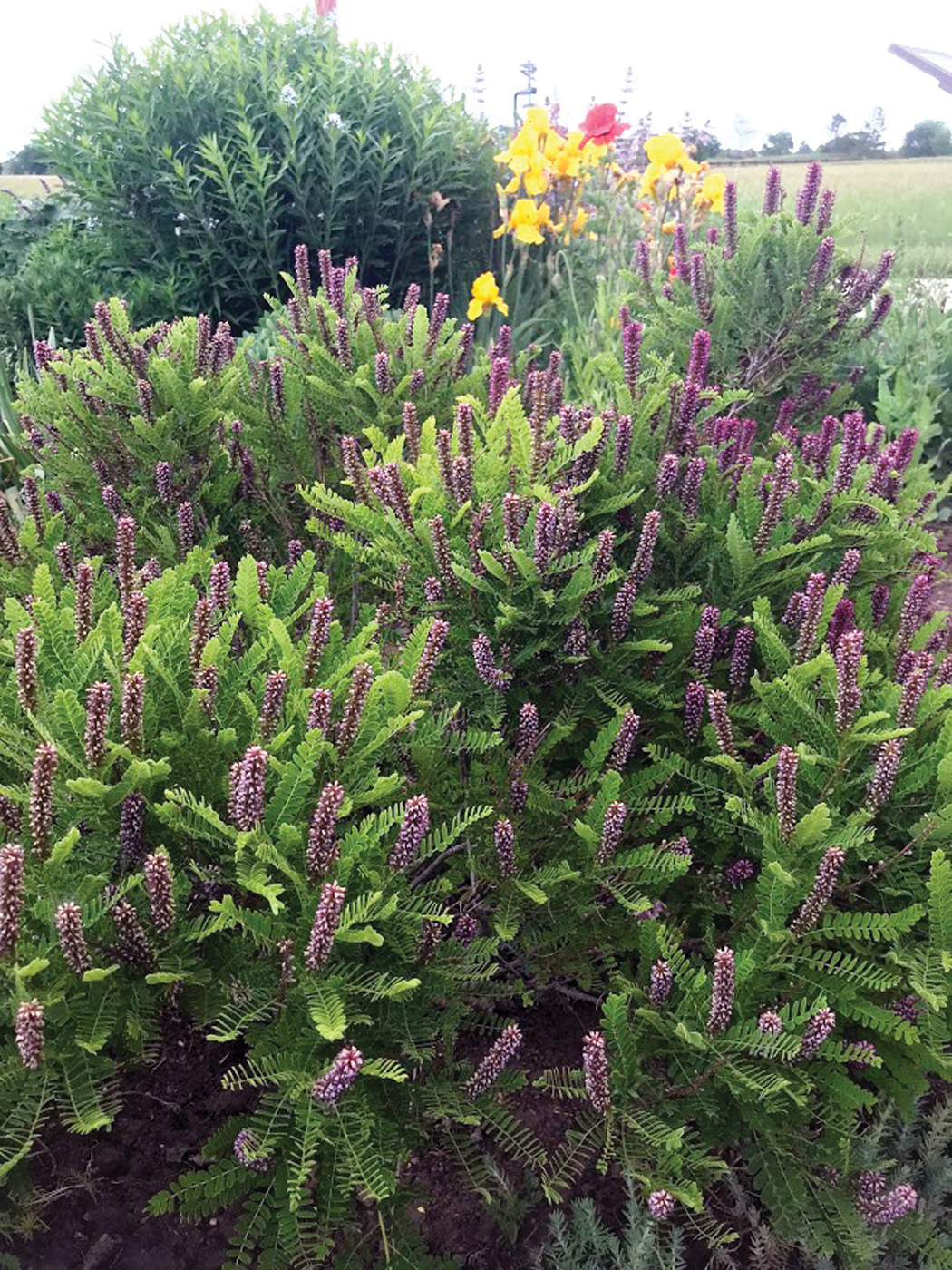
For gardeners struggling with poor soil quality, the dwarf leadplant is a miracle worker. This native legume possesses an extraordinary biological mechanism: it extracts nitrogen from the atmosphere and, through a symbiotic relationship with specific soil microbes, converts it into organic nitrate fertilizer. This built-in nutrient supply allows the plant to remain vibrant and lush even in the most depleted desert soils.
- Aesthetic Appeal: With its erect, arching stems and airy, gray-green compound leaves, the dwarf leadplant offers a soft, sophisticated texture. Its honey-scented, purple-hued blooms arrive in mid-to-late summer, providing a late-season nectar source for bees and butterflies.
- Hardiness: Thriving at elevations up to 8,150 feet, this shrub is remarkably cold-hardy and deer-resistant. It serves as an excellent replacement for traditional, high-water flowering shrubs that struggle under the intense summer heat of the high desert.
2. The Versatile Pawnee Buttes® Sand Cherry (Prunus besseyi)
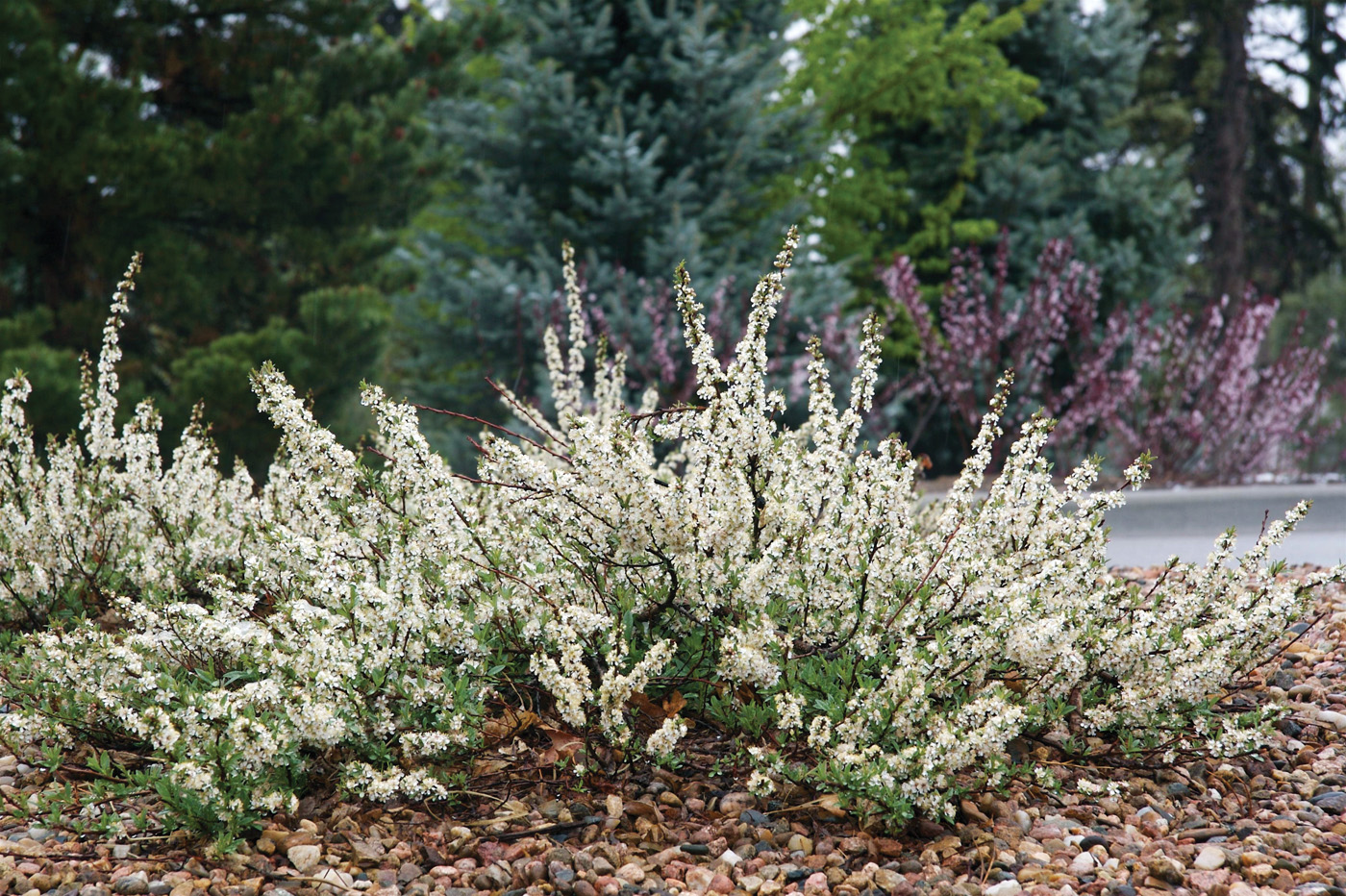
Discovered on the rugged, arid plains of northeastern Colorado, the Pawnee Buttes® sand cherry is a testament to the resilience of Western flora. This low-growing, spreading shrub is prized for its dependability and its ability to weave seamlessly into existing garden beds.
- Seasonal Evolution: The plant’s lifecycle is a performance in itself. In early spring, it produces a profusion of white flowers that provide essential nectar for emerging honeybees. As summer transitions into fall, the foliage undergoes a dramatic shift, moving from a bright, summer-ready green to a stunning, deep mahogany-red that provides winter interest long after other perennials have gone dormant.
- Wildlife Utility: The fruit produced by this shrub is a magnet for local birds and small mammals, ensuring that your garden remains a center of activity throughout the year. Its low, spreading habit makes it the perfect "filler" to place beneath taller, upright specimens.
3. Curl-Leaf Mountain Mahogany (Cercocarpus ledifolius)
For those seeking privacy without the need for constant trimming and water, the curl-leaf mountain mahogany is the ultimate solution. This shrub is a workhorse, capable of forming dense, natural hedges that provide significant screening while doubling as a critical habitat for songbirds.
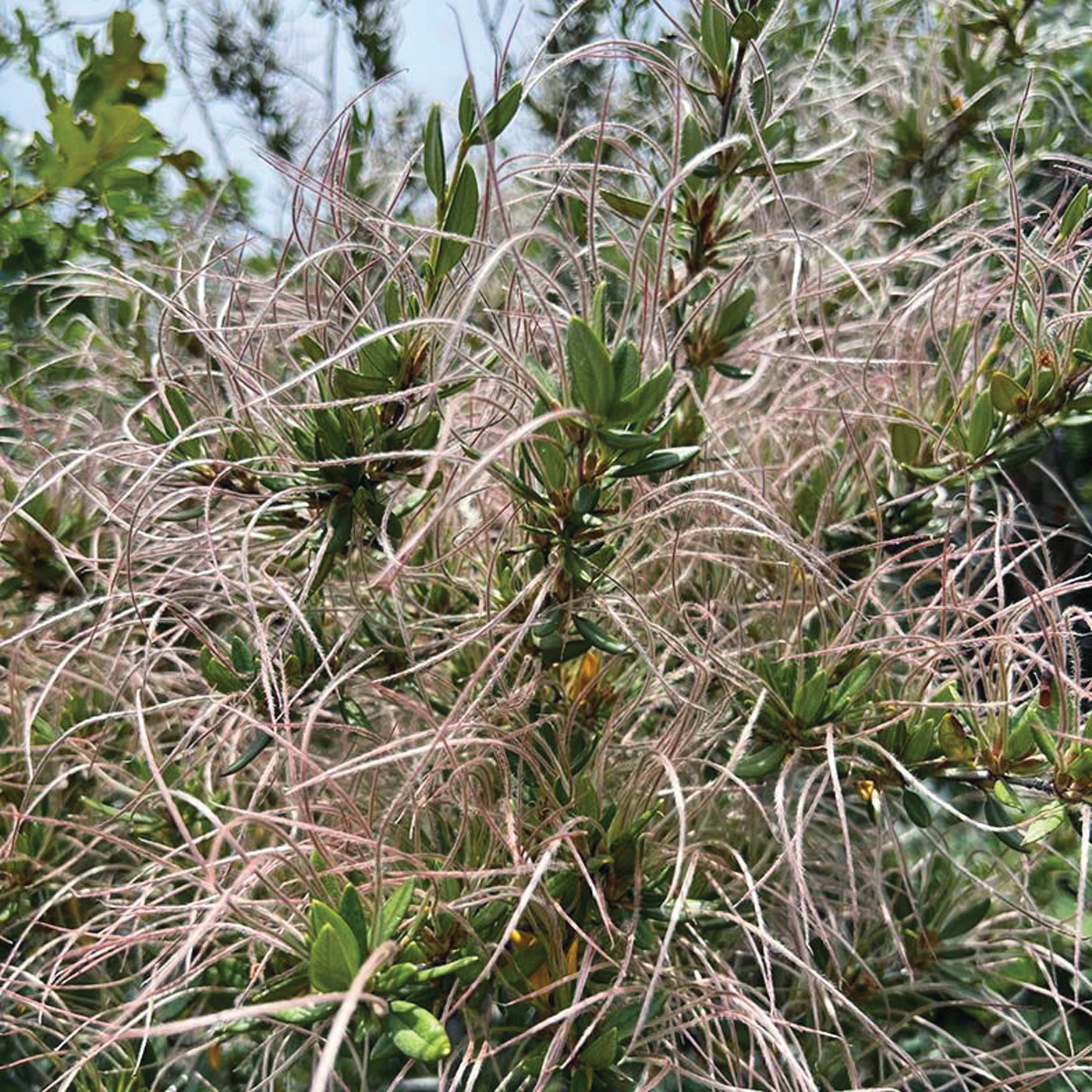
- Ecological Impact: The dense, multi-branched structure of the mountain mahogany provides a necessary refuge for small birds, protecting them from predators such as raptors and coyotes. It is also a nitrogen-fixer and an excellent tool for erosion control on sloped, south-facing sites.
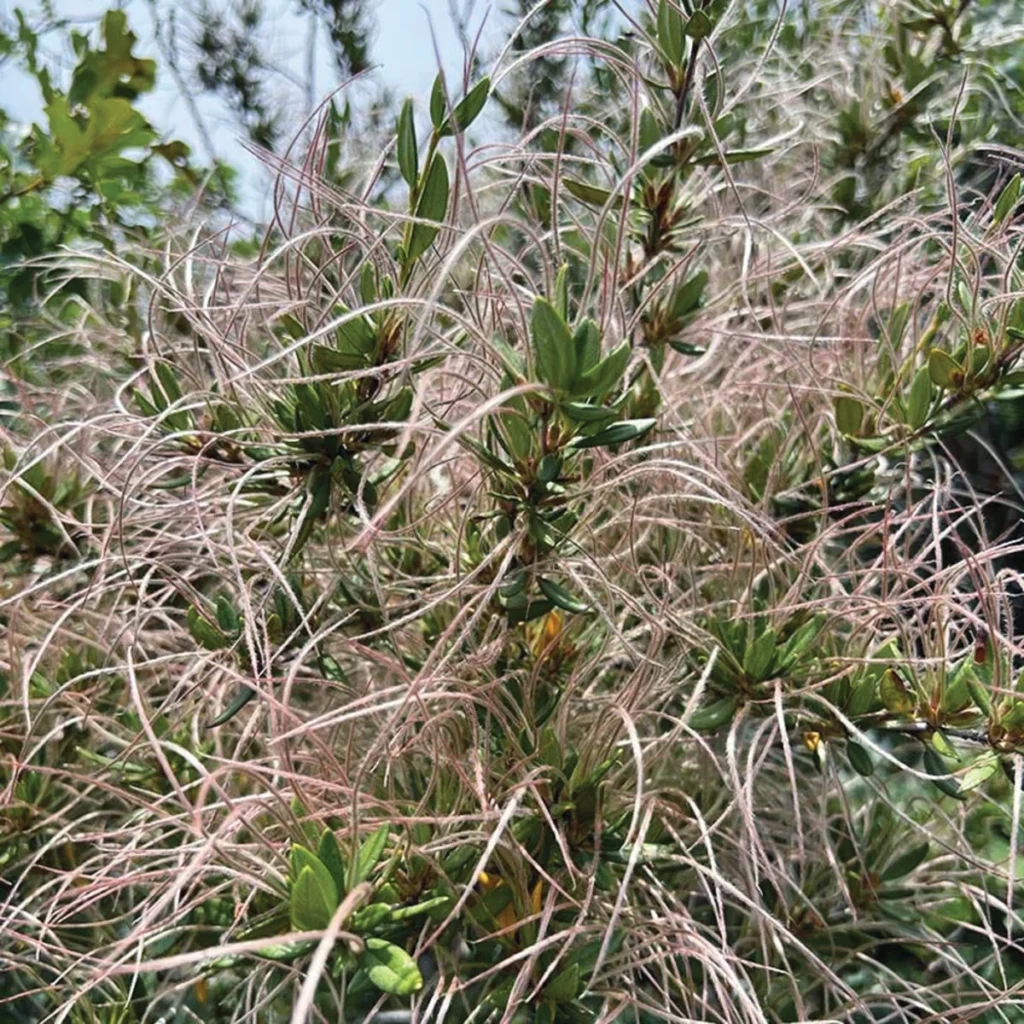
- Winter Beauty: Whether it behaves as a semi-evergreen or a true evergreen depends on local elevation and moisture, but the real star of the winter landscape is the plant’s light gray bark and the quirky, corkscrew-shaped seed plumes. It requires no maintenance other than the space to spread and thrive, just as it has in the wild for millennia.
4. The Resilient Fernbush (Chamaebatiaria millefolium)
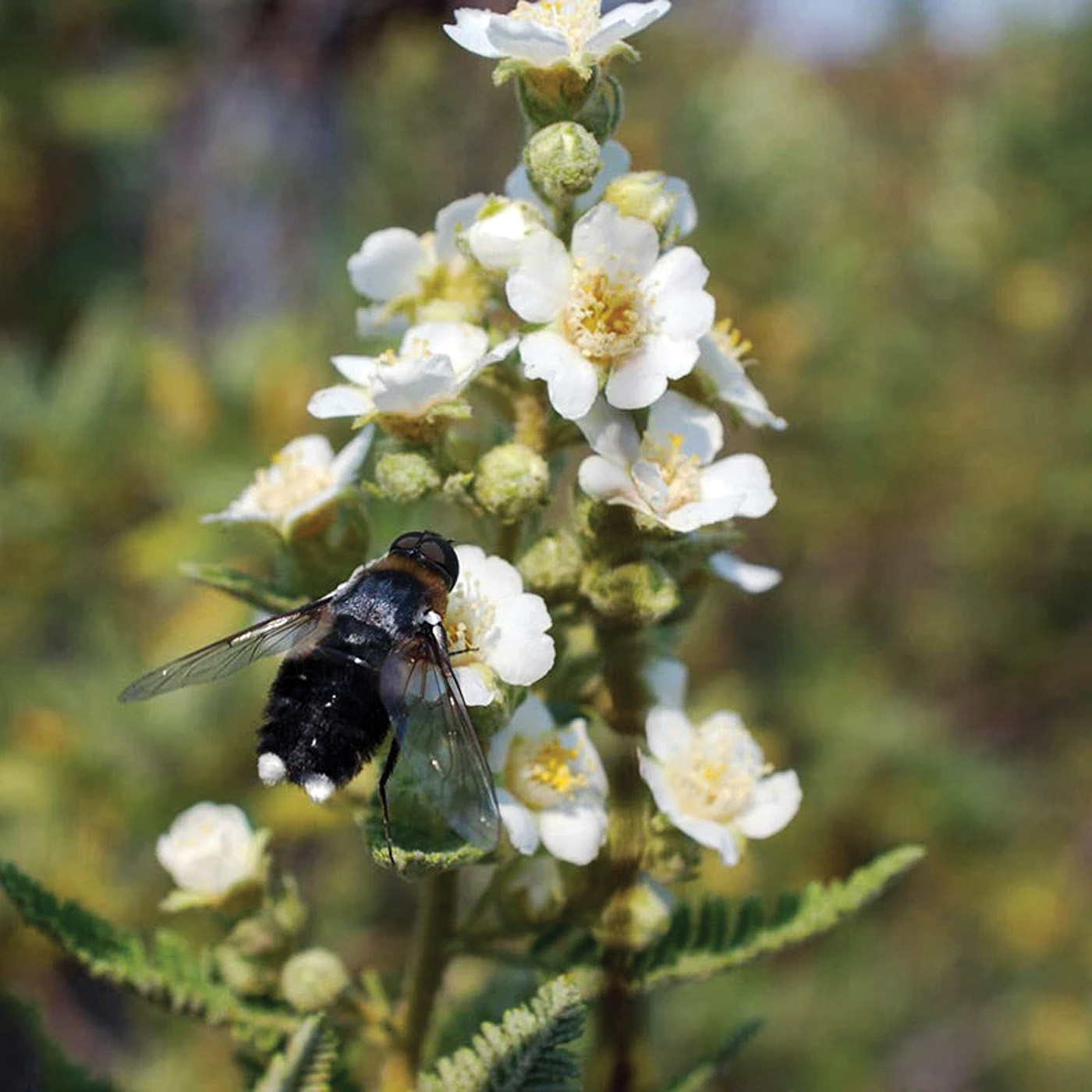
The fernbush is perhaps the most adaptable of the bunch. It handles a wide range of soil types, from heavy, alkaline clays to rich, well-draining loams, with equal ease. While its growth habit is somewhat naturalistic and can appear "rangy" to those accustomed to manicured boxwoods, its appeal is undeniable once it begins its long, showy bloom cycle.
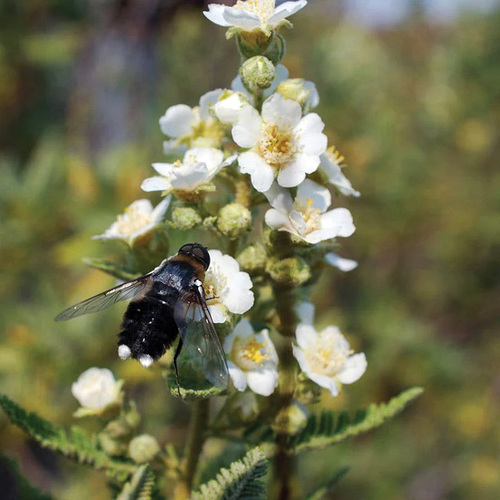
- Bloom and Texture: Between June and August, the fernbush produces pyramidal clusters of white flowers that contrast beautifully with its aromatic, fern-like, gray-green foliage. Even in the winter, the plant maintains a sense of presence, as the bud scales that protected the leaves in spring persist to give the plant an evergreen appearance.
- Wind Tolerance: One of the most remarkable qualities of the fernbush is its ability to withstand high winds and exposed, sun-drenched sites. It is an ideal candidate for those difficult-to-plant areas of the yard where irrigation is minimal or nonexistent.
Supporting Data and Best Practices
When shifting toward a native-focused landscape, the transition is rarely an overnight process. It requires a fundamental understanding of soil health and plant placement.
- Nitrogen Fixation: As noted with the leadplant and mountain mahogany, native legumes act as natural fertilizing agents. This reduces the need for synthetic nitrogen, which can lead to runoff and water contamination—a critical concern in the arid Southwest.
- Water Conservation: By replacing high-water-need plants (such as non-native roses or turf grasses) with these four shrubs, homeowners can reduce their outdoor water consumption by as much as 60% to 80% once the plants are established.
- Pollinator Corridors: Fragmentation is a significant threat to regional biodiversity. By planting species like the Pawnee Buttes® sand cherry, gardeners create "stepping stones" that allow pollinators to navigate through urbanized areas, ensuring the survival of species that are essential for the health of our regional food systems.
The Implications of "Rewilding" the Backyard
The adoption of native-first landscaping is not merely a stylistic preference; it is an economic and environmental imperative. As municipal water districts across the Southwest implement stricter watering restrictions and tiered pricing, the financial benefits of xeriscaping with native plants are becoming impossible to ignore.
Furthermore, there is a profound psychological benefit to designing with native flora. A garden that reflects the natural landscape of the region fosters a sense of place. It connects the homeowner to the history of the land, acknowledging the indigenous species that have adapted to the unique climatic rhythms of the high desert over thousands of years.
Conclusion: A Path Forward
Landscape design is moving away from the era of "control" and toward the era of "cooperation." Mark G. Brotton’s recommendations serve as a roadmap for this transition. Whether you are aiming for a private sanctuary, a haven for local bird populations, or a low-maintenance, drought-tolerant aesthetic, the integration of these four native shrubs provides a sustainable foundation.
As we look toward a future characterized by hotter, drier summers, our gardens must be more than just pretty displays; they must be functional, resilient, and life-sustaining. By choosing to plant native, we ensure that our backyards remain vibrant, healthy, and beautiful, regardless of what the climate holds in store.
Quick Reference: Choosing the Right Native Shrub
| Plant Name | Primary Benefit | Soil/Water Needs | Key Feature |
|---|---|---|---|
| Dwarf Leadplant | Soil Improvement | Poor/Low | Nitrogen-fixing |
| Pawnee Buttes® Cherry | Pollinator/Color | Dry/Low | Fall Color/Spring Fruit |
| Curl-Leaf Mahogany | Privacy/Wildlife | Hot/Dry | Winter Bark Interest |
| Fernbush | Adaptability | Diverse/Low | Long Summer Bloom |
Note: Always consult local agricultural extension offices or native plant societies before beginning a major landscaping project to ensure species compatibility with your specific microclimate. Check for any regional invasive plant alerts before purchasing nursery stock.