Elevating the Southeast Garden: Four Essential Plants for Resilience and Beauty
In the ever-evolving landscape of Southeast horticulture, gardeners are increasingly seeking a balance between high-impact aesthetics and ecological stewardship. As climate patterns fluctuate and the demand for native, low-maintenance landscapes grows, the search for the "perfect" plant becomes more than a hobby—it becomes a contribution to local biodiversity.
Brie Arthur, a renowned North Carolina-based horticulturist, author, and advocate for the "foodscape" movement, has spent years cultivating a garden that thrives under the unique pressures of the Southeast. From the humid, heavy-clay soil of the Piedmont to the sandy, salt-sprayed expanses of the coast, Arthur’s selections offer a masterclass in regional gardening. Whether you are looking to fill a gap in a perennial border or build a habitat for native pollinators, these four plants—Fiber Optics® buttonbush, Chinese snowball viburnum, seashore mallow, and spotted bee balm—represent the gold standard for Southern gardens.
The Core Philosophy: Why Regional Selection Matters
To understand the significance of these selections, one must first understand the Southeast environment. The region is defined by its long, sweltering summers, high humidity, and the periodic extremes of both drought and intense, localized flooding.
For many years, the industry relied on non-native, high-maintenance shrubs that required consistent chemical inputs and frequent irrigation. Arthur’s approach marks a shift toward "ecological intelligence." By selecting plants that are not only beautiful but also adapted to the specific soil chemistry and moisture cycles of the Southeast, gardeners can reduce their carbon footprint, minimize water consumption, and create a self-sustaining ecosystem that supports local wildlife.
1. Fiber Optics® Buttonbush: The Pollinator Powerhouse
The Cephalanthus occidentalis species, commonly known as buttonbush, has long been a staple of natural wetlands. However, the introduction of the ‘Fiber Optics’ cultivar has revolutionized how we utilize this native shrub in residential landscapes.
Characteristics and Ecological Impact
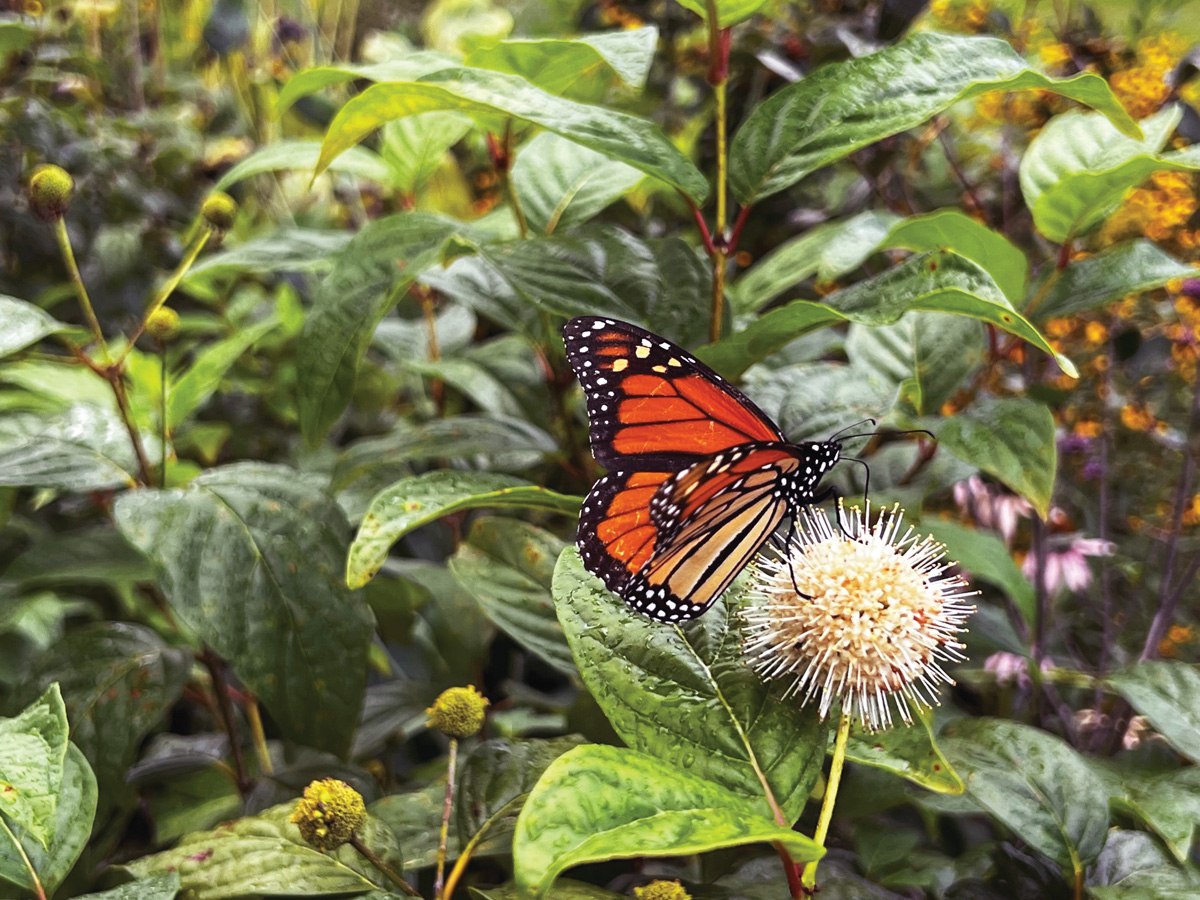
Fiber Optics® is a compact iteration of the North American native, making it ideal for the average homeowner who may not have a vast acreage of wetlands. In early to midsummer, the plant produces distinctive, spherical white blooms that resemble pin-cushions or, fittingly, fiber-optic lights. These blooms are dense with nectar, serving as a magnet for bees, butterflies, and beneficial wasps.
Cultivation and Resilience
What truly sets this shrub apart is its adaptability. While it naturally thrives in the moist soils of rain gardens or along the banks of a pond, it is remarkably forgiving in drier landscape settings. It handles the "wet-dry" cycle common in Southern urban environments with ease. Its glossy, deep green foliage remains lush and ornamental throughout the heat of the summer, providing a structural backdrop even when the blooms have faded.
2. Chinese Snowball Viburnum: A Springtime Spectacle
If Fiber Optics® provides the ecological backbone, the Chinese snowball viburnum (Viburnum macrocephalum) provides the theatrical flair. Often confused by the casual observer with a spring-blooming hydrangea, this shrub is a titan of the garden.
A Chronology of Bloom
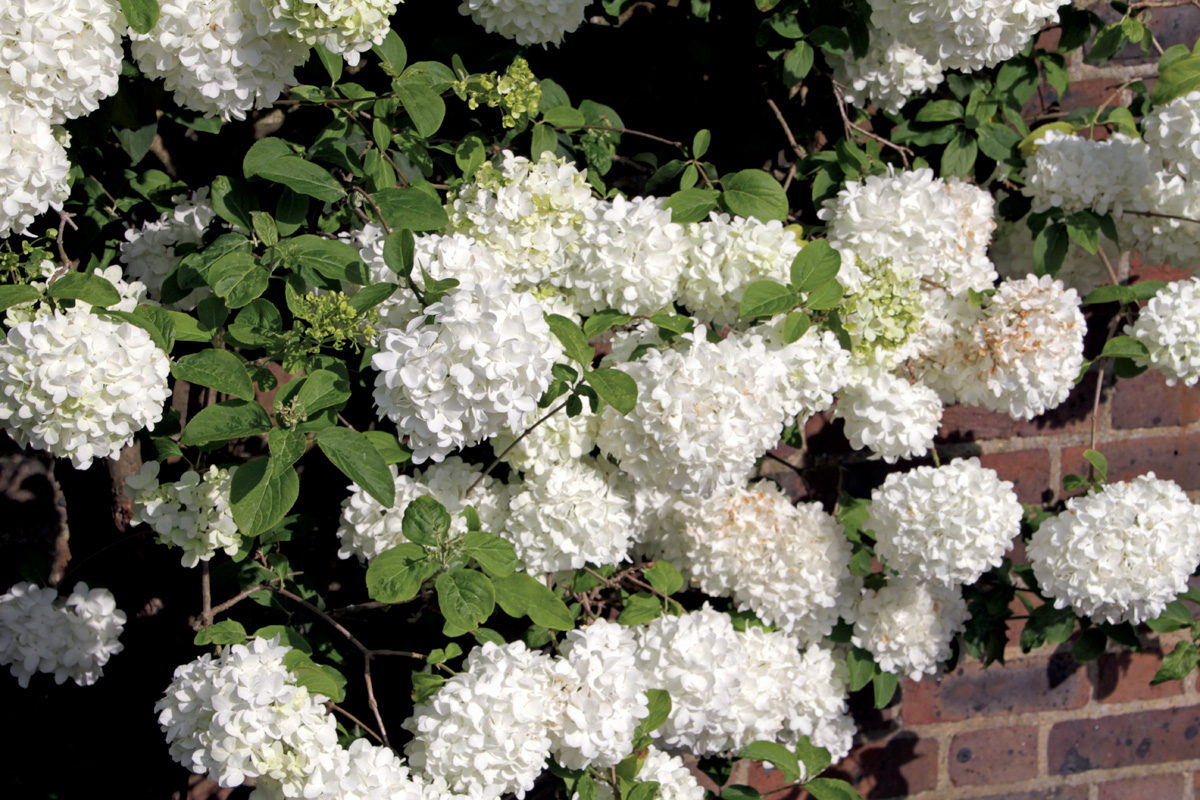
The transformation of the Chinese snowball viburnum is one of the most anticipated events in the Southern spring calendar. As temperatures begin to rise in March, the shrub erupts with enormous, globe-shaped blooms that can easily reach the size of a softball.
- Phase 1 (The Apple Green Stage): The flowers emerge with a vibrant, lime-green hue, providing a fresh, crisp color palette that signals the arrival of spring.
- Phase 2 (The Luminous White Peak): As the season progresses, the flowers transition into a brilliant, snow-white display, creating a high-contrast focal point that can be seen from across the yard.
Maintenance and Structural Design
With its arching branches and bold, textured foliage, the Chinese snowball viburnum creates a natural "fountain" effect. To ensure the best performance, it requires a site with sufficient sun exposure—though it appreciates some protection from the harsh, late-afternoon summer heat. Proper pruning is essential; by shaping the shrub immediately after its bloom cycle concludes, gardeners ensure that they do not inadvertently remove the flower buds for the following year.
3. Seashore Mallow: The Coastal Champion
The Southeast is home to an extensive coastline, and gardening near the Atlantic or Gulf creates a unique set of challenges, including high salinity and sandy, nutrient-poor soil. The seashore mallow (Kosteletzkya virginica) stands as a testament to the resilience of native flora in these harsh conditions.
Environmental Adaptability
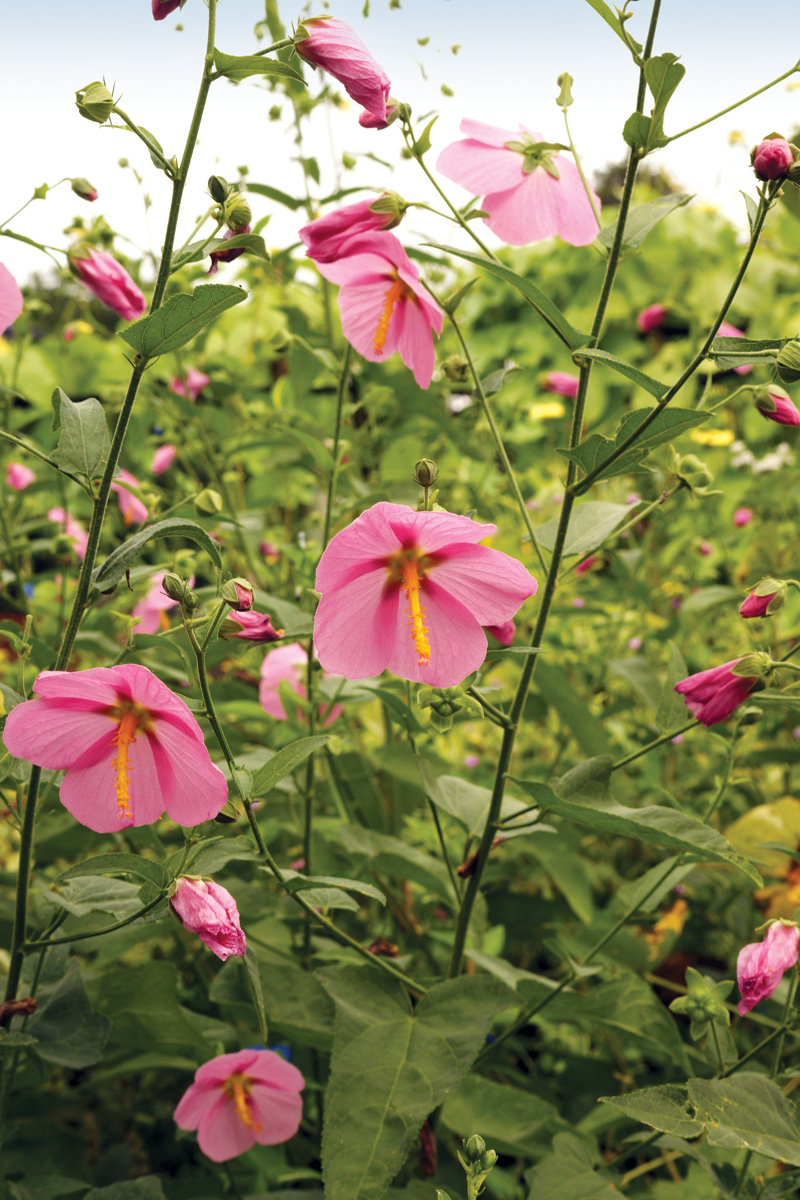
Seashore mallow is rapidly gaining traction among horticulturists because it defies the conventional wisdom that beautiful plants must be fragile. Its soft pink, hibiscus-like flowers appear in succession from midsummer through the early weeks of autumn. This long bloom window is critical for the Southeast, where many traditional spring perennials go dormant or become ragged under the relentless summer sun.
Landscape Utility
Beyond its ornamental value, the seashore mallow is a workhorse in the landscape. Its tolerance for salt spray makes it a primary candidate for coastal gardens, while its ability to withstand periodically saturated soils makes it a perfect occupant for rain gardens or low-lying areas that collect runoff. The plant forms an airy, upright clump that provides excellent vertical interest in a perennial border, swaying gracefully in the summer breeze. For those looking for a monochromatic or elegant aesthetic, the white-flowered cultivar ‘Immaculate’ is a highly recommended acquisition.
4. Spotted Bee Balm: The Aromatic Marvel
No discussion of Southern gardening would be complete without addressing the Monarda genus. However, spotted bee balm (Monarda punctata) offers a departure from the moisture-loving, mildew-prone monardas of the past.
Unique Morphology
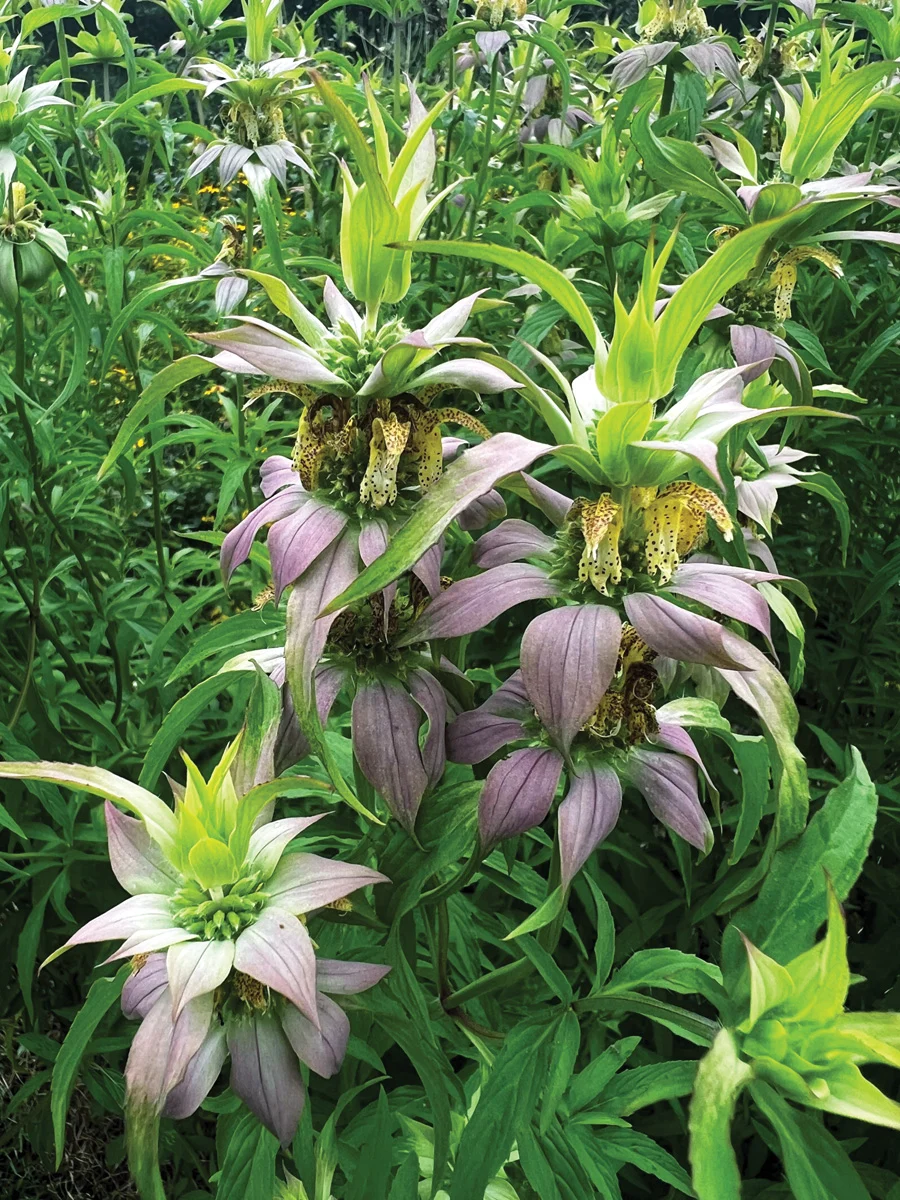
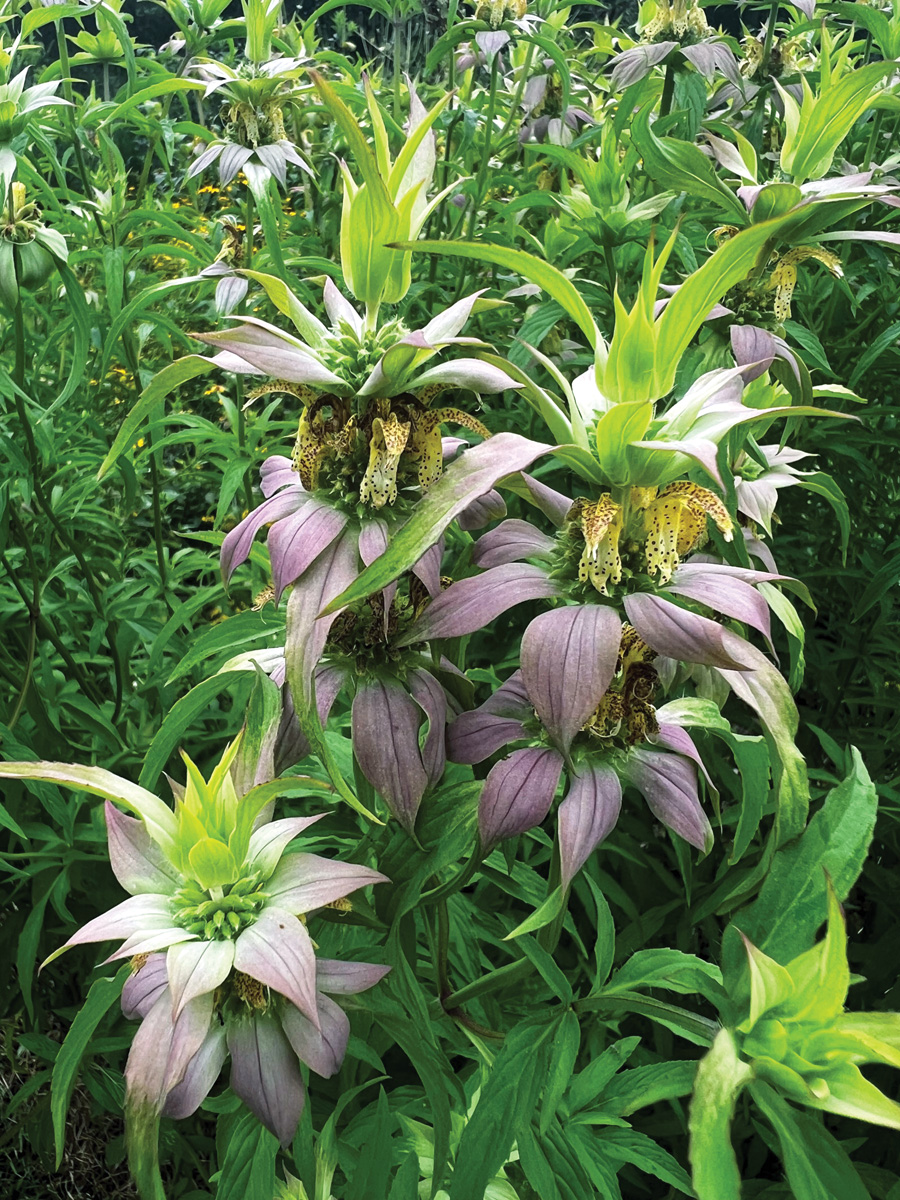
Spotted bee balm is an architectural delight. It features stacked tiers of creamy yellow flowers, each delicately marked with purple spots. These are surrounded by vibrant lavender-pink bracts that provide long-lasting color. It is a plant that demands attention, not through sheer size, but through its intricate, detailed beauty.
The Science of Survival
Unlike many garden perennials that require heavy fertilization and frequent watering, spotted bee balm prefers "lean" conditions. It thrives in dry, sandy soils where other plants might wither. Furthermore, its foliage is highly aromatic, packed with thymol. This natural chemical compound serves a dual purpose: it acts as a deterrent against deer and provides a natural resistance to the powdery mildew that plagues so many other members of the mint family.
In Zone 8 and similar climates, this plant often behaves as a self-seeding annual. Rather than viewing this as a nuisance, savvy gardeners treat it as a renewable resource, transplanting the seedlings each spring to fill gaps in the garden that require a late-summer boost.
Implications for the Future of Gardening
The selection of these four plants by a horticultural expert like Brie Arthur reflects a broader, urgent trend: the "re-wilding" of the American home garden.
Supporting Data: The Shift in Consumer Preference
Industry data from the past five years indicates a 30% increase in the purchase of native or "native-adjacent" cultivars. Homeowners are increasingly moving away from high-maintenance turf grass and "thirsty" exotics, favoring landscapes that offer:
- Pollinator Support: Increasing the presence of native bees and butterflies is now a primary goal for many suburban gardeners.
- Resource Efficiency: Reducing reliance on municipal water systems and synthetic fertilizers is a priority as water scarcity becomes a more frequent conversation in the Southeast.
- Climate Resilience: Plants that can withstand both drought and deluge are becoming mandatory for long-term garden survival.
Official Responses and Expert Consensus
Horticultural societies across the Southeast, including the North Carolina Botanical Garden and various Extension offices, have echoed Arthur’s sentiments. The consensus among professionals is that the "ideal" garden of the 21st century is one that works in tandem with the local climate rather than attempting to force a different environment upon it.
The inclusion of plants like the Fiber Optics® buttonbush and spotted bee balm is not merely a stylistic choice; it is an endorsement of biodiversity. These plants provide essential services—nectar for pollinators, habitat for beneficial insects, and soil stabilization—that are vital for the health of the broader environment.
Conclusion: Starting Your Garden Journey
Transitioning your garden to include these species is a long-term investment. Whether you are using a tool like the A.M. Leonard Deluxe Soil Knife to precisely transplant your spotted bee balm or carefully pruning your Chinese snowball viburnum after its spring debut, every action in the garden contributes to a larger, more resilient landscape.
By integrating these four selections, gardeners can ensure their outdoor spaces remain vibrant, productive, and ecologically sound throughout the changing seasons of the Southeast. As Brie Arthur demonstrates, the most beautiful gardens are those that allow nature to take the lead, providing a sanctuary for both the gardener and the local wildlife.
For those interested in further expanding their horticultural knowledge, the "foodscape" movement—championed by Arthur—continues to grow, emphasizing the integration of edible plants into traditional ornamental landscapes. As you curate your shopping list for the upcoming season, remember that every plant is a choice—a choice to sustain, to support, and to flourish.