Elevating Your Craft: The Definitive Guide to Capturing Viral Food Photography
In the digital age, where visual appeal often dictates the success of culinary content, food photography has evolved from a niche hobby into a critical skill for bloggers, influencers, and professional chefs alike. The ability to make a dish "pop" off the screen—transforming a simple recipe into an internet sensation—is no longer a matter of mere luck; it is a discipline grounded in technique, styling, and intentional composition.
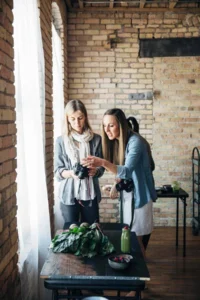
As interest in high-quality food content surges, industry leaders like the team at Pinch of Yum have stepped into the role of educators. By hosting intensive, two-day food photography workshops, they are helping creators bridge the gap between amateur snapshots and professional-grade imagery. This article explores the core principles of viral food photography and the growing trend of hands-on, professional mentorship in the digital age.
The Rise of Professional Food Photography Workshops
The demand for specialized training has led to the emergence of immersive workshops that move beyond theoretical instruction. These programs focus on the practical application of manual camera settings, complex food styling, and efficient post-production workflows.
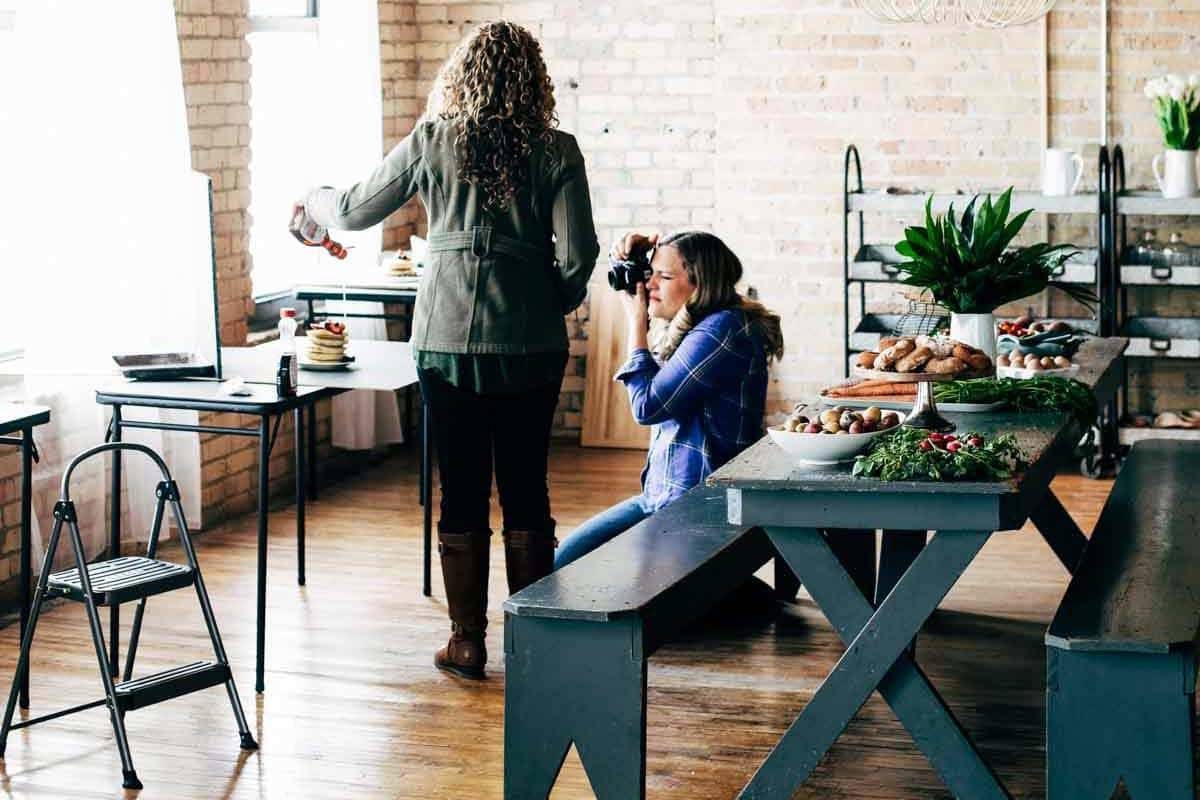
The philosophy behind these workshops is rooted in the "Teach-Model-Practice" framework. By providing participants with a dedicated studio environment, ample natural light—often featuring multiple stations for individual work—and an array of props, these courses provide a sandbox for creative experimentation. The objective is simple: to demystify the artistic process, making it accessible and actionable for those looking to monetize their creative output or simply elevate their digital presence.
Chronology of Skill Acquisition: From Amateur to Pro
The journey toward creating "viral-worthy" content typically follows a predictable trajectory. For most, the initial phase involves grappling with the technical limitations of standard hardware.
- The Foundational Phase: Beginners often start by relying on automatic settings, which frequently result in flat, uninspired imagery. The first milestone in professional development is mastering "Manual Mode," allowing the photographer to control aperture, shutter speed, and ISO to manipulate depth of field and exposure.
- The Stylization Phase: Once technical proficiency is achieved, the focus shifts to composition. This involves learning how to fill a frame without creating clutter—a common challenge for those new to food styling.
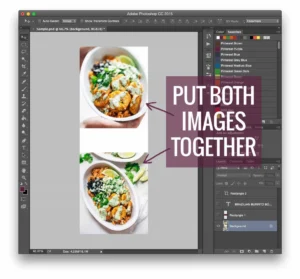
- The Workflow Phase: Professionals distinguish themselves through efficiency. Editing techniques that once took hours are condensed into streamlined processes, allowing creators to maintain a consistent output without sacrificing quality.
- The Mastery Phase: The final stage is the development of a unique aesthetic or "signature look," which builds brand recognition and fosters a loyal audience.
Supporting Data: The Impact of Professional Training
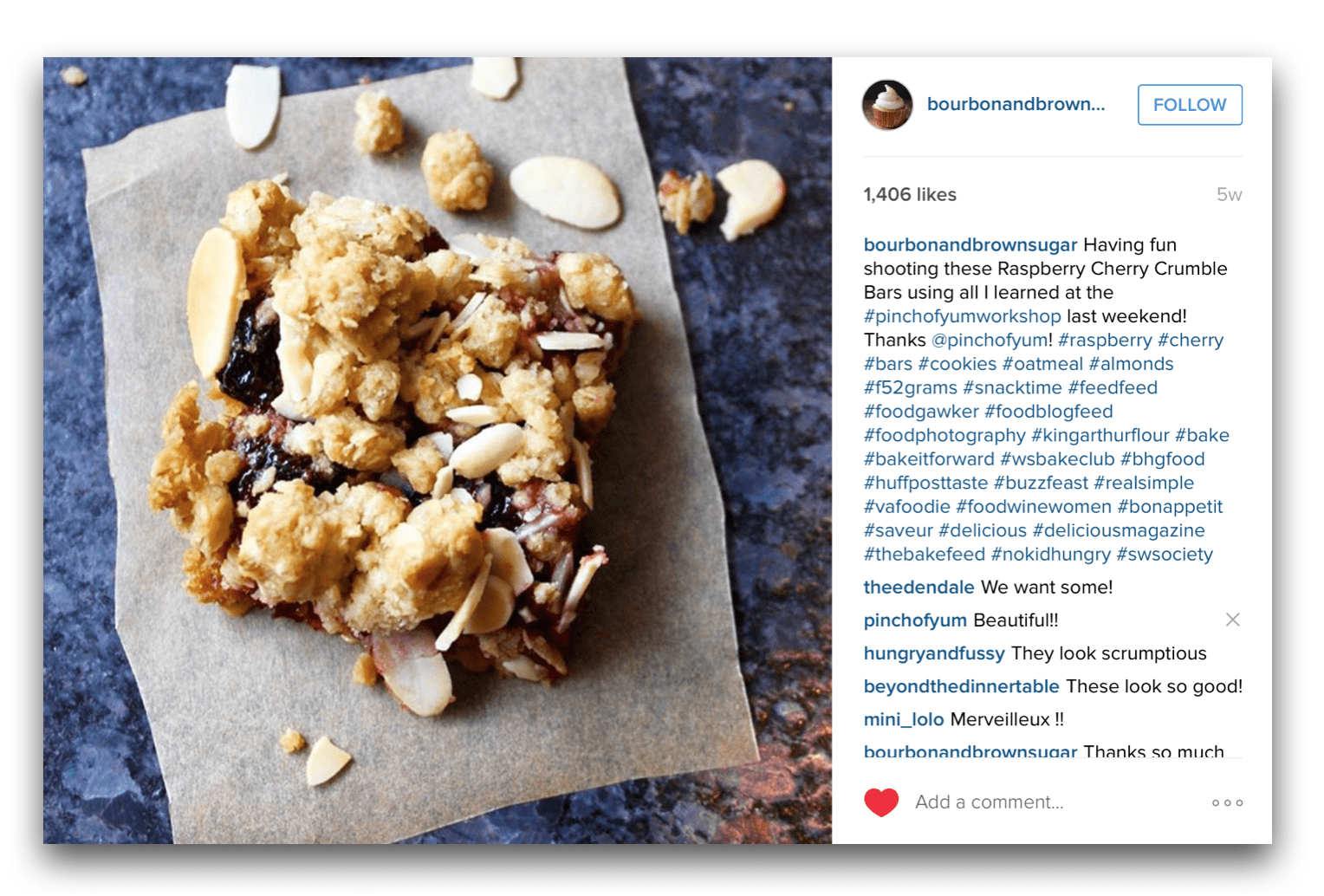
The effectiveness of these workshops is best illustrated through the success of past attendees. Consider the case of MB, a content creator from Virginia, who attended a workshop seeking to refine her visual storytelling.
Prior to the training, her social media engagement was stagnant. However, by applying the principles learned—specifically regarding lighting, composition, and intentional styling—her post-workshop performance saw a dramatic shift. Her very first Instagram post following the training garnered nearly 1,400 likes, an increase of roughly 1,100 interactions compared to her previous average.
This data underscores a critical reality: audience engagement is directly correlated with the quality of the visual presentation. When content is elevated, the "shareability" of the work increases, which is the primary driver of viral growth on platforms like Instagram and Pinterest.
Seven Pillars of Viral Food Photography
To achieve the kind of engagement that leads to virality, photographers must adhere to specific technical and artistic guidelines. Here are the seven most impactful strategies:
1. Mastering the Angle
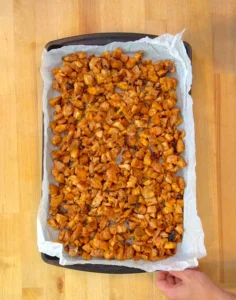
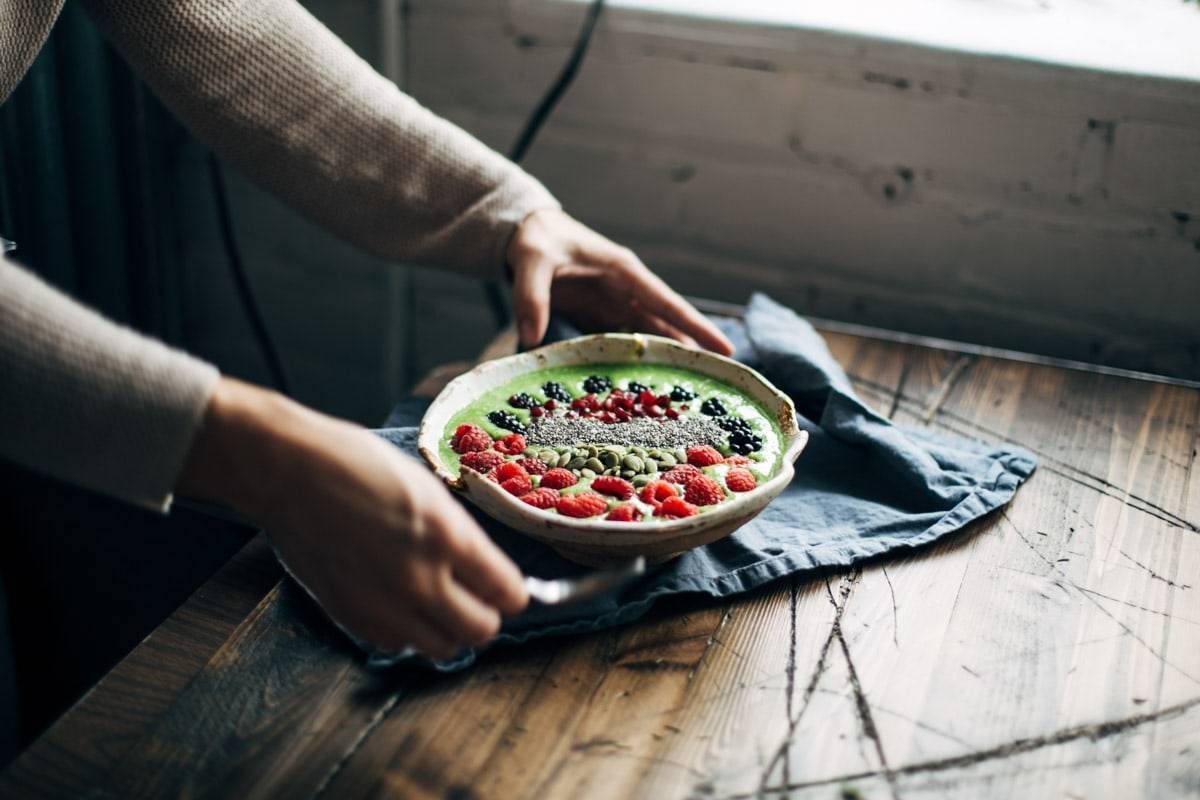
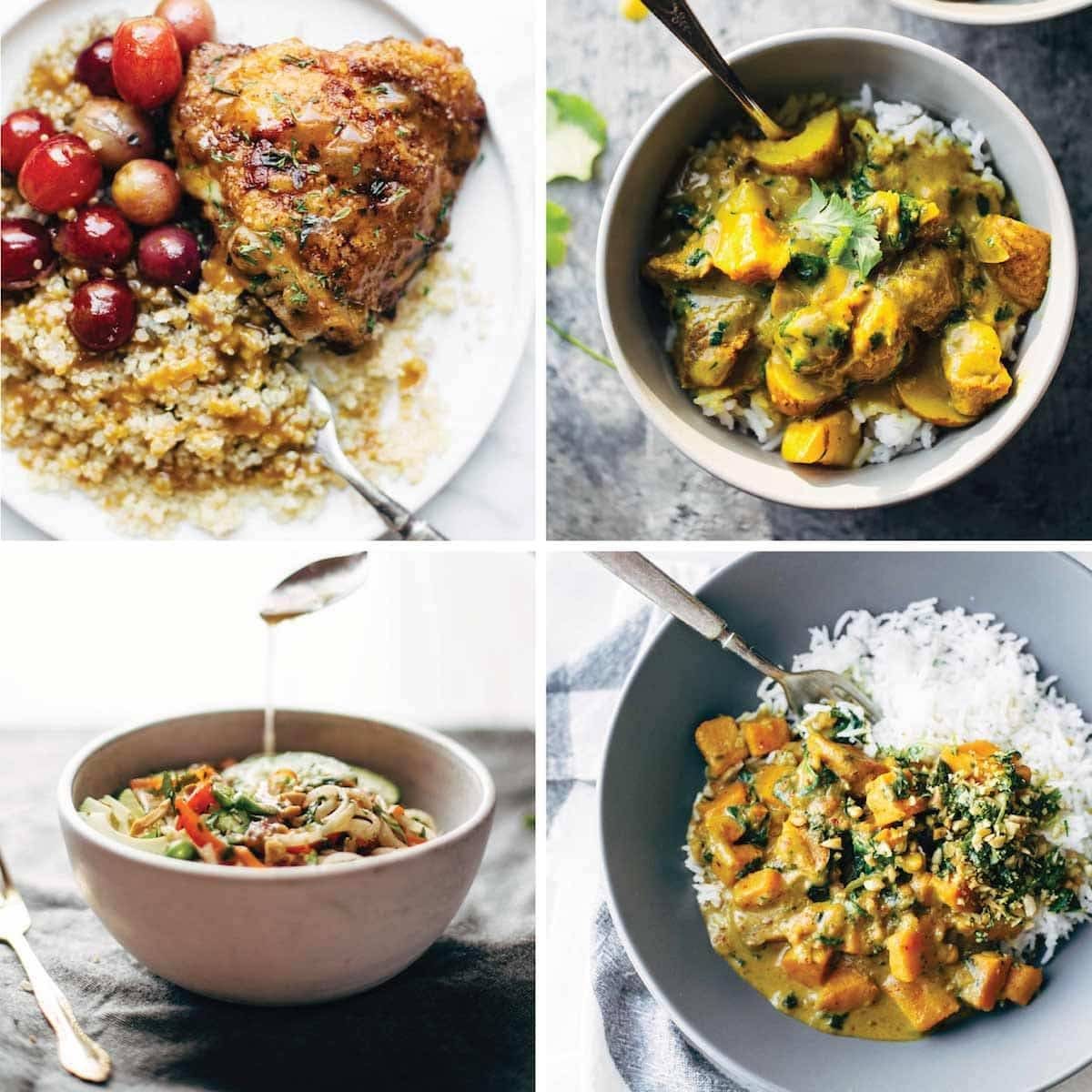
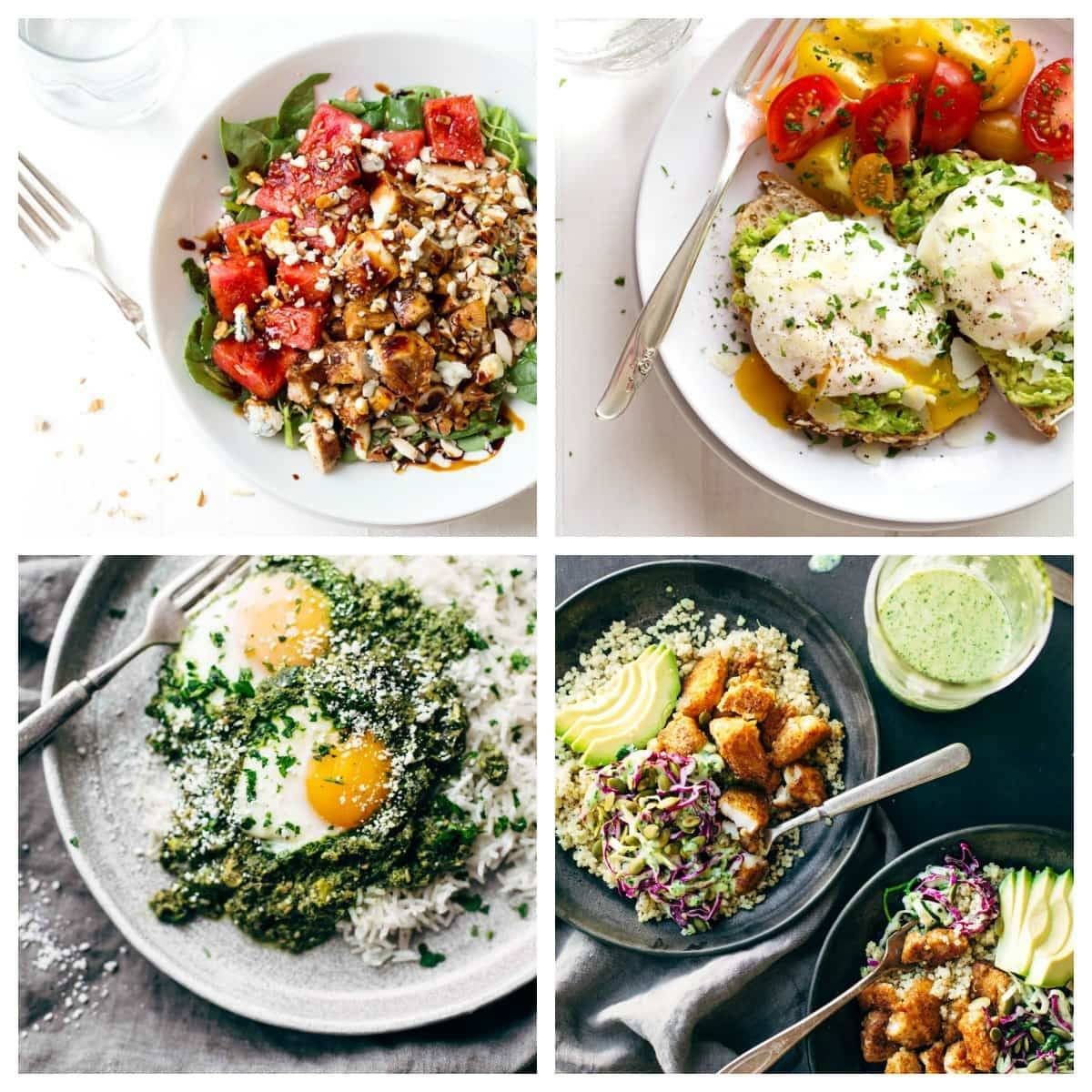
The angle of a shot dictates how the viewer perceives the food. A top-down (overhead) angle is ideal for showcasing the components of a dish, such as smoothie bowls or complex salads. Conversely, a straight-on angle is essential for capturing height and structure, making it the preferred choice for towering burgers or layered pasta dishes.
2. The Matte Advantage
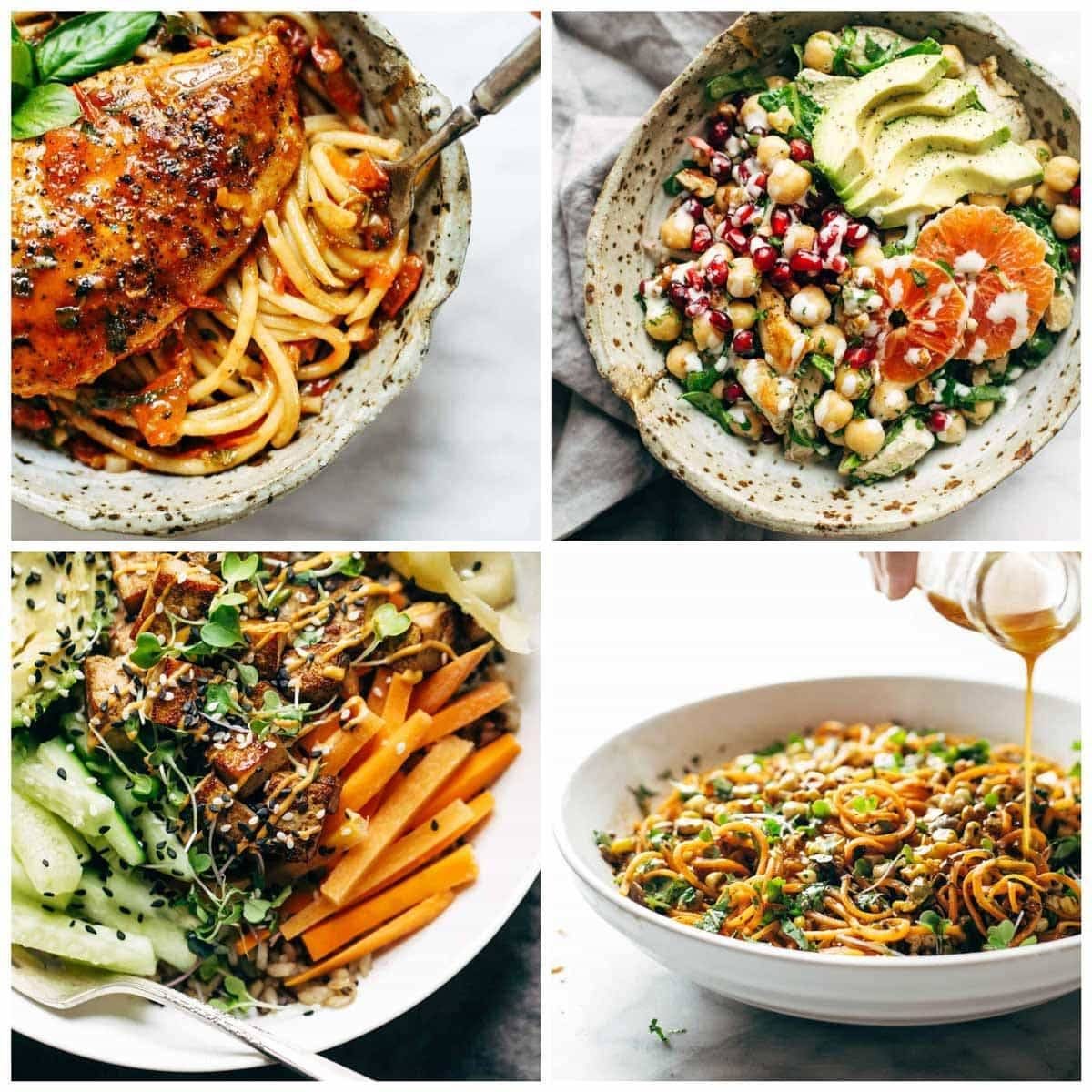
Shiny, reflective dinnerware is the enemy of the food photographer. It creates harsh highlights and unwanted reflections—sometimes even capturing the photographer in the frame. Investing in matte-finish ceramics is a "pro-tip" that ensures the food remains the hero of the shot.
3. The Power of Monochromatic Styling
To ensure the food takes center stage, use a monochromatic palette. Placing a white dish on a white background or a black plate on a black surface eliminates color competition, forcing the eye to focus exclusively on the textures and colors of the food itself.

4. The Art of the Detail
Food must look "finished" before the shutter clicks. This involves the "twirl, slice, sprinkle, and drizzle" technique. A final garnish, a deliberate drizzle of oil, or the perfect placement of a sprig of herbs adds a layer of professionalism that elevates a dish from "homemade" to "editorial."
5. Prioritizing Compelling Content
A single slice of basic bread is rarely viral content. However, a stack of seven slices with a pat of melting butter becomes a story. Always ask: "How can I make this look more enticing?" Whether it is through texture, volume, or process, the goal is to trigger a sensory response in the viewer.
6. Defining a Signature Look
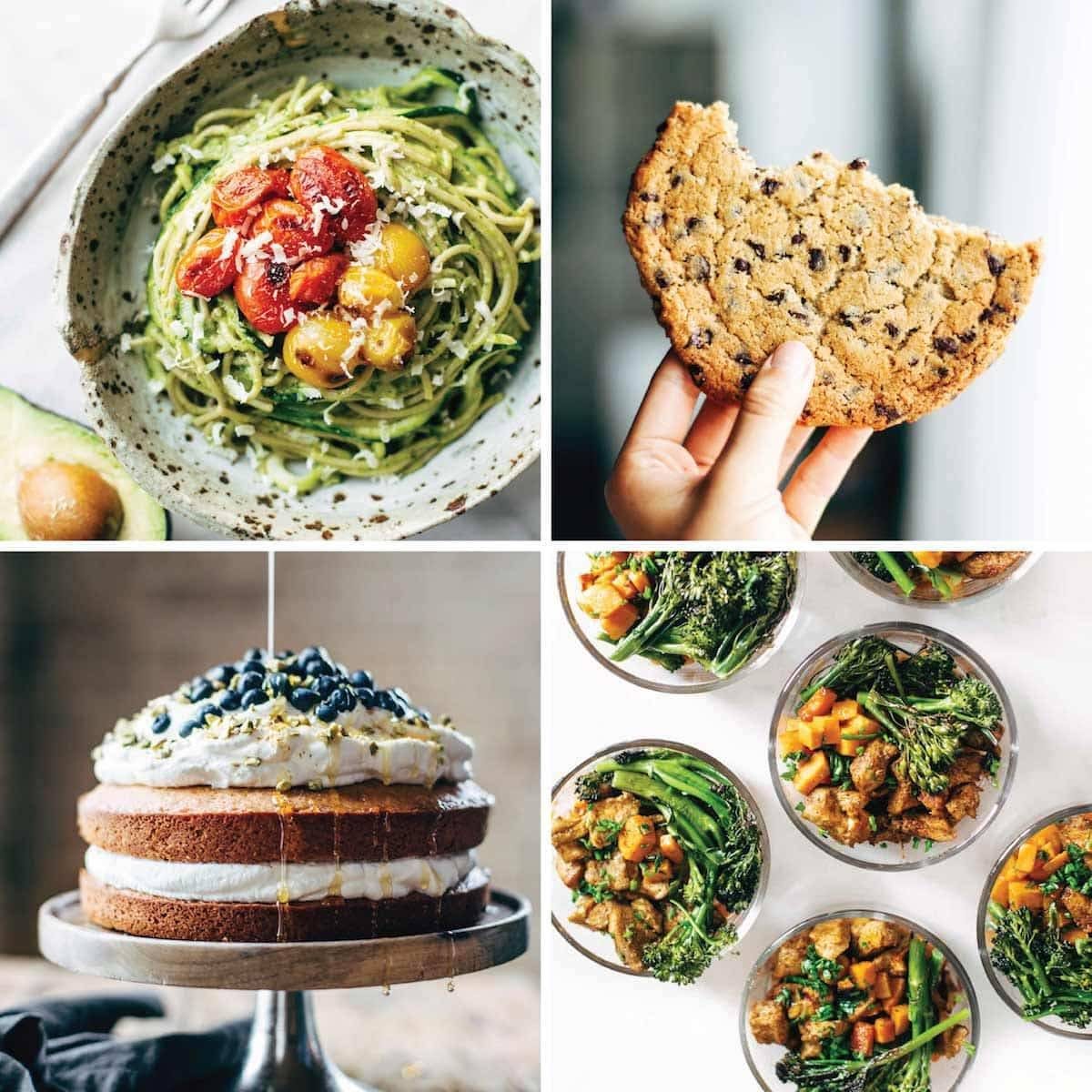
While trends are important, consistency is the key to building a brand. By developing a signature editing style and composition preference, you provide your audience with a reliable visual experience. This makes your work instantly recognizable in a crowded social media feed.
7. Strategic Study and Iteration
Studying the work of other successful photographers is not about copying; it is about reverse-engineering success. Analyze the lighting, the angles, and the color palettes of content that inspires you. Once you have identified these elements, consistent practice is the only path to integrating those techniques into your own unique style.
Implications for the Creative Economy
The shift toward high-standard food photography has significant implications for the creator economy. As the barrier to entry for content creation lowers, the "quality floor" has risen. Consumers are now accustomed to high-resolution, professionally styled imagery, which means that creators who fail to adapt risk becoming obsolete.
Furthermore, these workshops offer more than just technical training; they offer a community. By bundling educational bonuses—such as one-year memberships to industry-standard resources like Food Blogger Pro—these programs ensure that the learning process continues long after the two-day event concludes.
The "Elementary Teacher" mindset adopted by many workshop facilitators—prioritizing the translation of complex, artistic processes into manageable steps—has proven to be the most effective pedagogical approach. By making the "intimidating" aspects of photography easy to implement, these educators are empowering a new generation of creators to turn their creative joy into a sustainable career.
Final Thoughts: The Path Forward
The pursuit of viral food photography is a journey of continuous improvement. Whether you are a hobbyist looking to improve your personal social media feed or an aspiring entrepreneur building a food-focused business, the principles of intentionality, technical skill, and artistic development remain universal.
As you look to refine your craft, remember that the goal is not to become a clone of the "best of the best," but to find your own voice within the medium. With the right tools, a bit of practice, and a focus on compelling storytelling, the distance between a simple photograph and a viral sensation is much shorter than you might think. As the saying goes in the industry: "Study, study, study—then practice, practice, practice."