Navigating the School Lunch Dilemma: Protecting Autonomy and Encouraging Healthy Habits
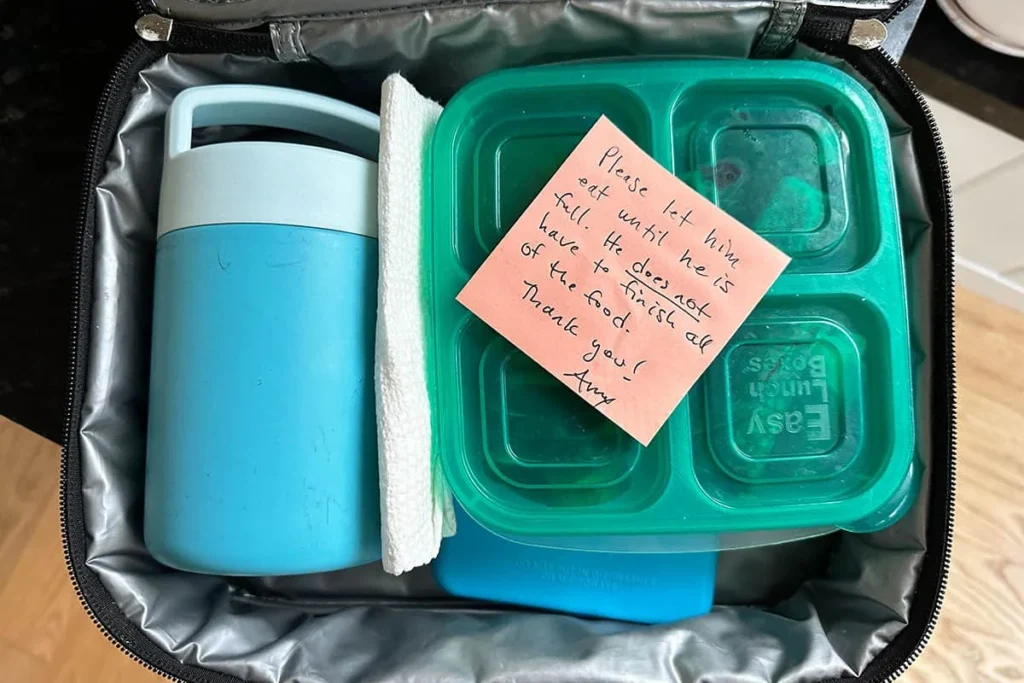
In the modern educational landscape, the school lunch hour serves as more than just a nutritional interlude. It is a social environment, a period of respite, and—increasingly—a point of contention between parents, educators, and the children themselves. Following a recent surge in reader inquiries regarding the challenges of school-provided meals and home-packed lunches, it has become clear that families are grappling with a complex set of expectations.
One particular concern has risen to the forefront: the autonomy of a child to listen to their own hunger cues when faced with institutional pressure to "finish what is on the plate." This article explores the delicate balance of feeding children at school, the psychological implications of forced consumption, and how parents can effectively advocate for their children’s bodily autonomy in an educational setting.
The Core Conflict: Bodily Autonomy vs. Institutional Policy
The fundamental issue at the heart of recent parental feedback is a clash between two philosophies. From the perspective of school administrators and teachers, the mandate to ensure students consume a sufficient amount of food is often rooted in a desire to prevent hunger, ensure energy for afternoon academic tasks, and mitigate food waste.
However, from the perspective of child development experts and nutritionists, forcing a child to override their own internal satiety signals—the biological cues that tell them when they are full—can have long-term consequences. When a child who is recovering from an illness or simply not hungry is coerced into finishing their meal, it disrupts their ability to regulate their own intake. This can foster a negative relationship with food, potentially leading to future issues with overeating or a distorted sense of hunger cues.
A Chronology of the Lunchroom Struggle
To understand how we arrived at the current state of tension, it is helpful to look at the evolution of the school lunch environment:
- The Early 20th Century: School meals were primarily viewed as a public health intervention, designed to address widespread malnutrition in school-aged children. The mandate to "clean your plate" was a societal value rooted in scarcity.
- The Late 20th Century: As child obesity rates began to climb, the focus shifted toward nutrition quality. However, the legacy of "forced consumption" remained deeply embedded in the culture of many daycare and primary school facilities.
- The 2010s to Present: A growing emphasis on "Responsive Feeding"—a method that respects the child’s role in deciding how much to eat—has gained traction in pediatric circles. Despite this, the implementation in schools remains inconsistent.
- The Recent Shift: Following the publication of resources regarding the complexities of kids’ lunches, a wave of parents reported instances where their children were pressured to eat against their will, often during periods of illness or stress, leading to a new, urgent dialogue on parental advocacy.
Supporting Data: Why Listening to Hunger Cues Matters
Research consistently shows that children possess an innate ability to regulate their caloric intake over the course of a day, provided they are given access to a variety of foods and are not pressured to eat.
According to data from child nutrition studies, children who are forced to finish their meals are:
- More likely to experience "food anxiety": The act of eating becomes a performance to please an adult rather than a response to physical hunger.
- Less likely to experiment with new foods: Pressure creates a negative association with the mealtime environment, causing children to become more rigid in their food preferences.
- Susceptible to "External Cues": Relying on external mandates (like a teacher telling them they are "finished") overrides the internal hormonal signals (leptin and ghrelin) that dictate satiety.
Furthermore, when a child is recovering from a cold or virus, their appetite is naturally suppressed. Their bodies are focusing energy on recovery rather than digestion. Forcing consumption during these periods can lead to physical discomfort and an unnecessary power struggle.
Official Responses and Educator Perspectives
When confronted with these concerns, many educators express frustration. They are often managing classrooms with tight schedules, where lunch is the only time to ensure that students from food-insecure households receive a substantial meal.
"The intent is rarely malicious," notes child nutrition advocate and expert, who recently addressed this issue. "Teachers are often under pressure to ensure kids have enough energy for the rest of the day. They see a child who has barely touched their sandwich and they worry. But the execution—using pressure or authority to force a child to eat—is where the harm occurs."
Many schools are now being encouraged to adopt "Neutral Feeding" policies. These policies emphasize that the parent is responsible for what, when, and where a child eats, while the child is responsible for how much they eat. When schools adopt this framework, it creates a partnership rather than a conflict.
Implications for Families: How to Advocate for Your Child
For parents who find themselves in a situation where their child is being forced to eat at school, the path forward requires diplomacy and clarity.
1. Communicate with Educators
Schedule a brief, professional meeting or email exchange with the teacher. Frame the conversation around the child’s health and the family’s approach to feeding.
Example: "I’ve noticed my son is coming home mentioning he was pressured to finish his lunch. At home, we prioritize letting him listen to his body’s hunger cues, especially when he’s recovering from an illness. We would appreciate it if he could be allowed to stop when he feels full."
2. Prepare "Lunchbox Notes"
For younger children who may not have the vocabulary to stand up to an adult, a simple note in the lunchbox can serve as an advocate. A small, polite card stating, "Please allow [Child’s Name] to stop eating when they say they are full," can be a gentle reminder to staff.
3. Review the School’s Policy
Understand the school’s specific policy on mealtime. If the school is using a specific curriculum or mandate, it is important to understand the origin of that mandate. Often, you will find that the school is willing to make an exception once they realize the parental intent is not to neglect the child, but to foster healthy habits.
4. Focus on Quality Over Quantity
If you are concerned about your child not eating enough, focus on the caloric and nutrient density of what you pack. Small, high-energy snacks that are easy to eat in a short timeframe can provide the necessary fuel without requiring the child to consume a large volume of food.
Conclusion: A New Standard for School Lunches
The goal of every parent and educator is to ensure that children are nourished, capable, and confident. By shifting the culture of the lunchroom away from coercion and toward bodily autonomy, we can help children develop a lifelong, healthy relationship with food.
While the challenges of school lunches are real, they are also manageable through open communication and a clear understanding of developmental needs. Whether you are navigating the complexities of daycare or the fast-paced environment of kindergarten, remember that you are your child’s best advocate.
For those seeking more in-depth strategies, our community continues to provide resources, meal plans, and peer-supported guidance to help make this process easier for everyone involved. By upgrading your support for organizations like the YTF Community, you gain access to the tools necessary to manage these daily challenges, ensuring that lunch remains a time of sustenance rather than a source of stress.
For more information on managing picky eaters, creating custom meal plans, and navigating the school lunch system, visit our member resources to access our full library of ebooks and expert advice.