From "Oops" to Oasis: A Masterclass in Backyard Transformation
Every gardener knows the feeling: you spend weeks, perhaps months, meticulously planning a space. You haul the mulch, position the plants, and step back, only to realize the vision in your head hasn’t quite translated to the soil beneath your feet. While these moments of realization are often frustrating, they are frequently the catalyst for true garden innovation.
For Brittany, a dedicated gardener based in Frederick, Maryland (Zone 7a), a series of "mistakes" became the foundation for a stunning, high-density landscape that balances aesthetics, food production, and ecological health. Her journey, documented extensively on her Instagram, @quarteracreroots, serves as a masterclass in how to iterate, adapt, and ultimately thrive in a small-space garden.
The Chronology of a Transformation: From Blank Slate to Lush Haven
The evolution of Brittany’s garden is a testament to the idea that a garden is never truly "finished." It is a living, breathing entity that requires constant dialogue between the gardener and the land.
2022–2023: The Foundation
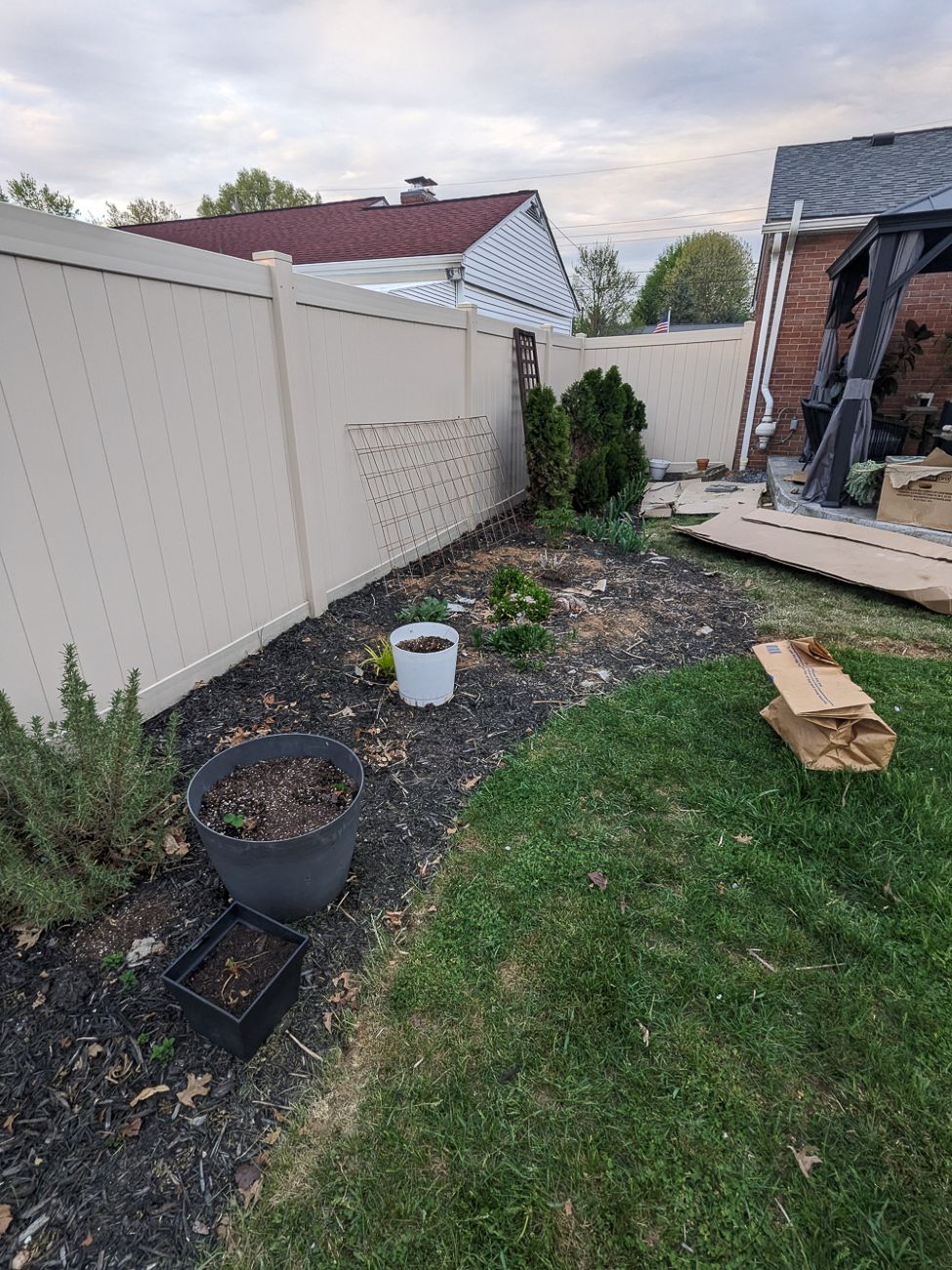
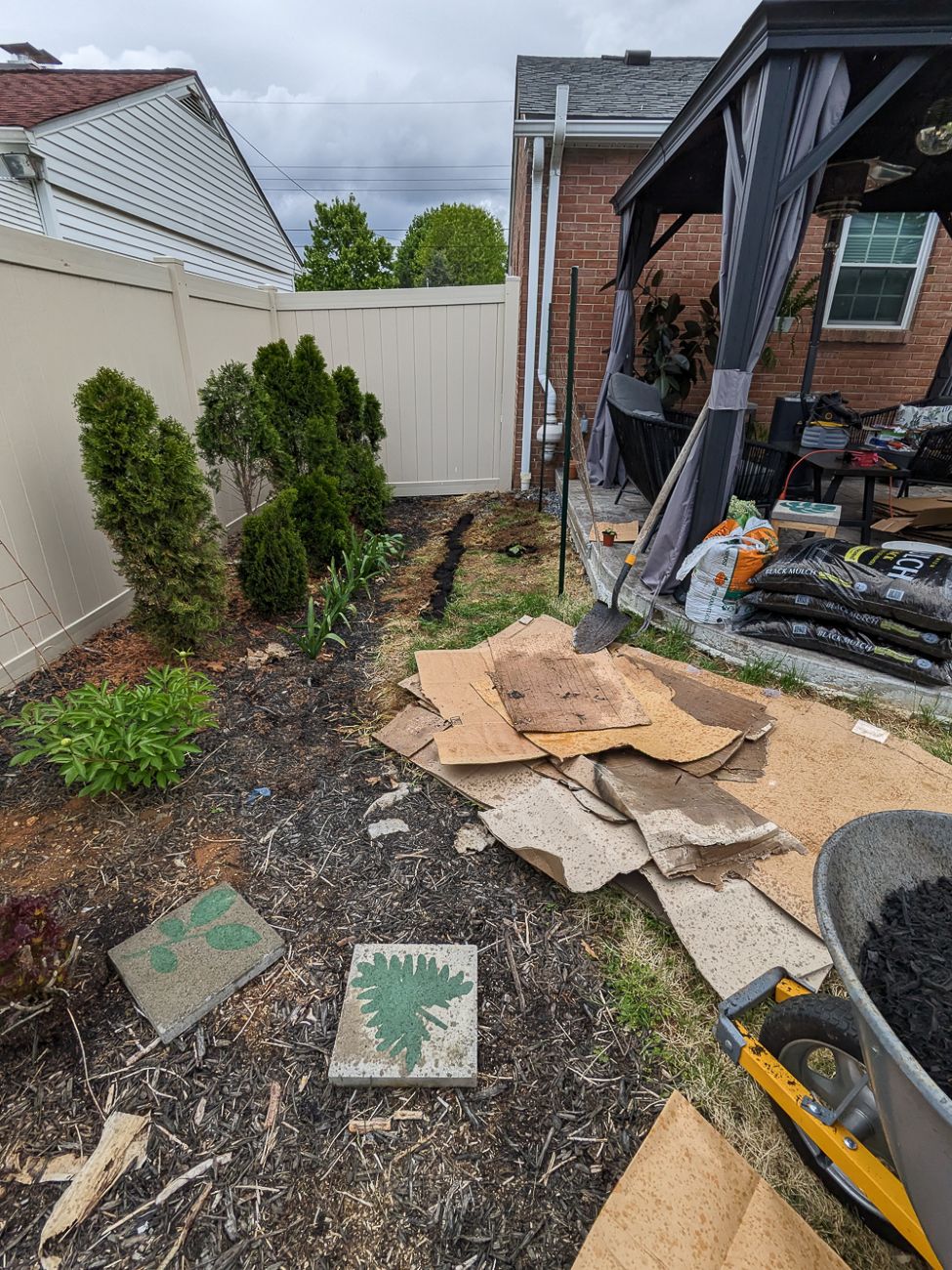
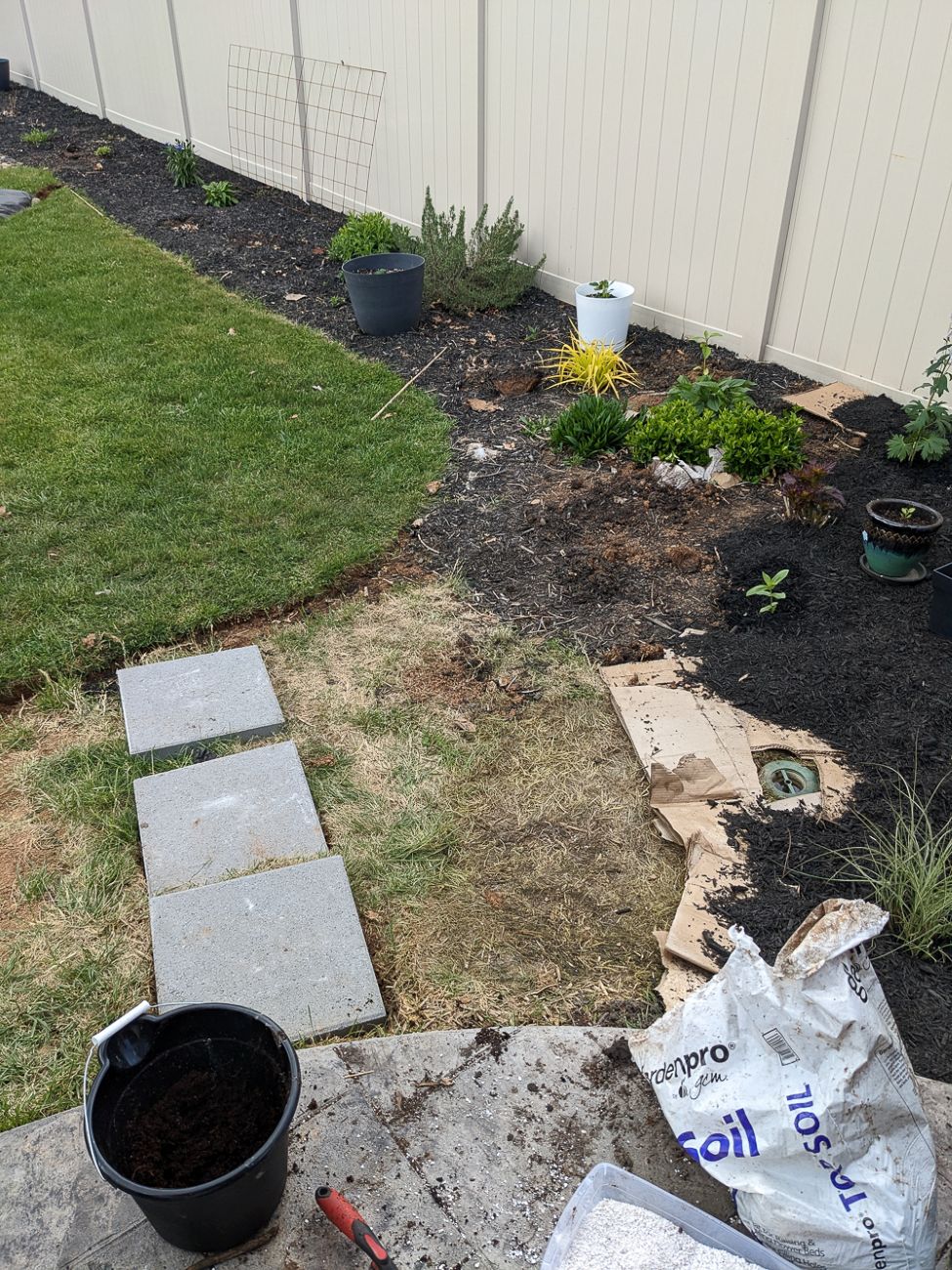
When Brittany moved into her current home in 2022, she was faced with a modest quarter-acre lot. Rather than being intimidated by the limited footprint, she embraced the challenge of high-density planting. Her initial efforts were focused on structural changes, beginning with sheet mulching along the fence lines to suppress weeds and build soil fertility. These early beds set the stage for what would become a highly curated, productive space.
2024: The First Pond Attempt
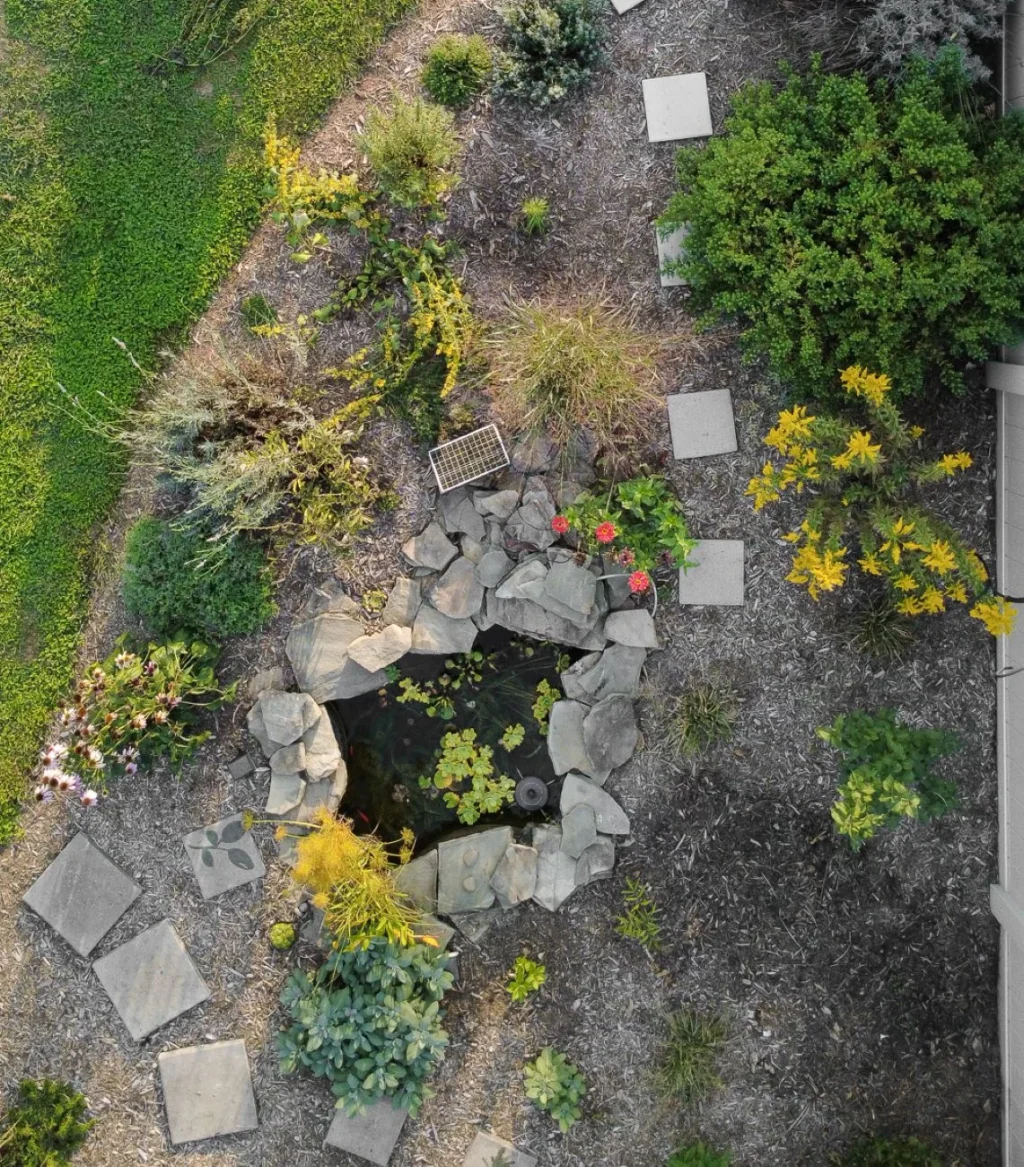
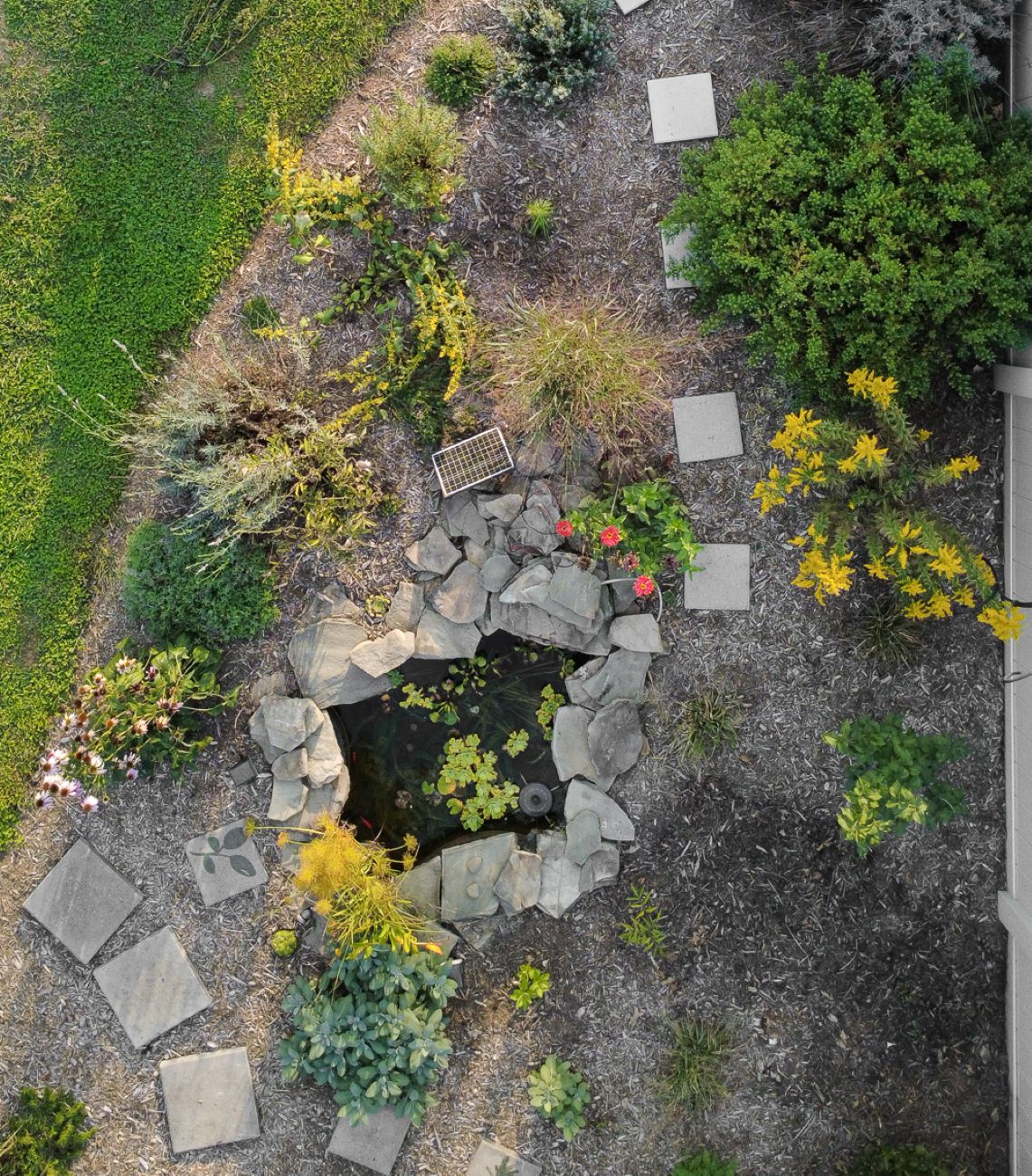
In early 2024, Brittany decided to introduce water to the landscape, installing a small, stone-edged pond near the patio. While the pond brought immediate life to the area—attracting beneficial insects and providing a soothing acoustic element—the scale felt wrong. As the surrounding landscaping matured, the pond appeared dwarfed by its environment.
2025: The Big Pivot
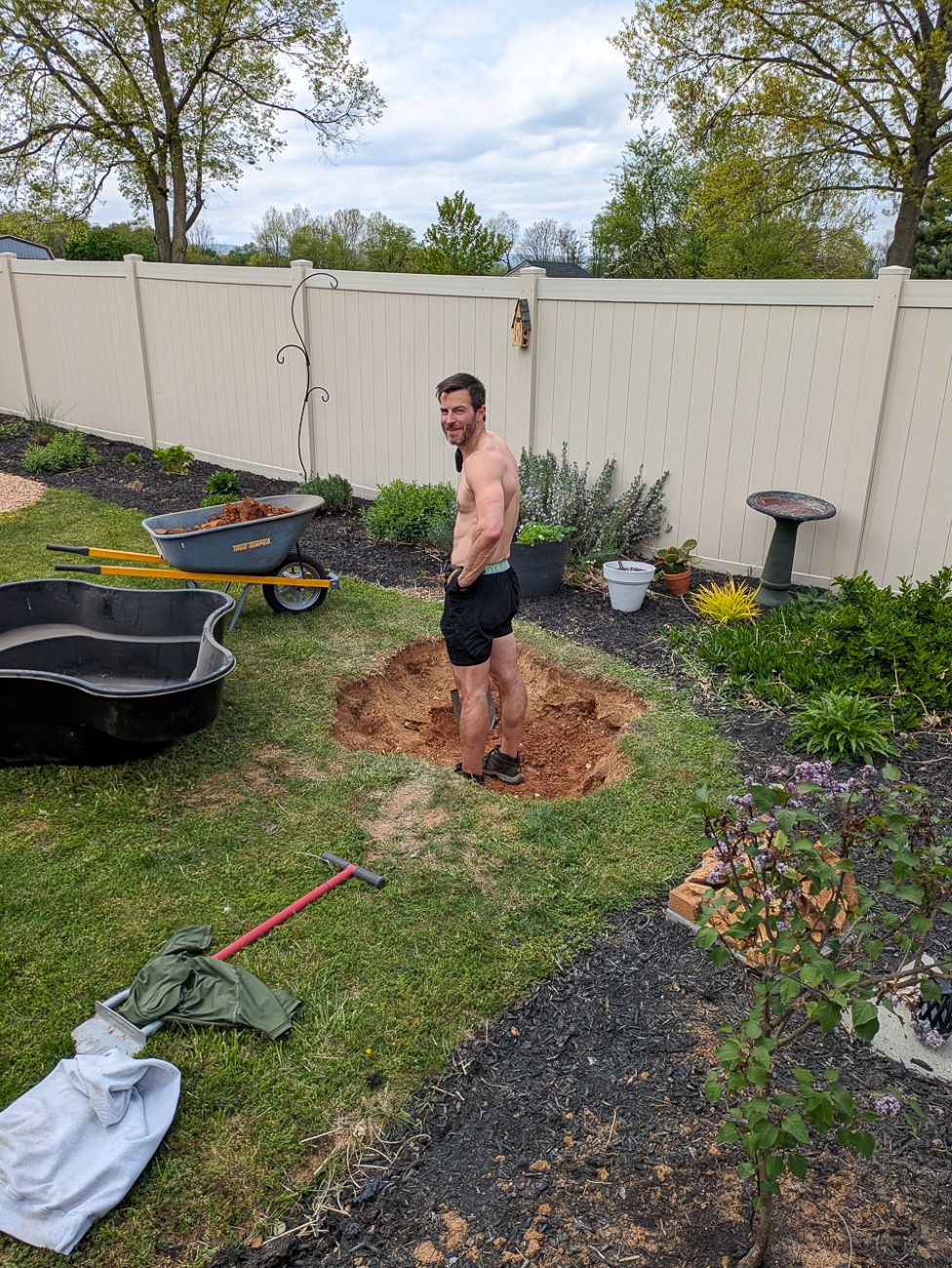
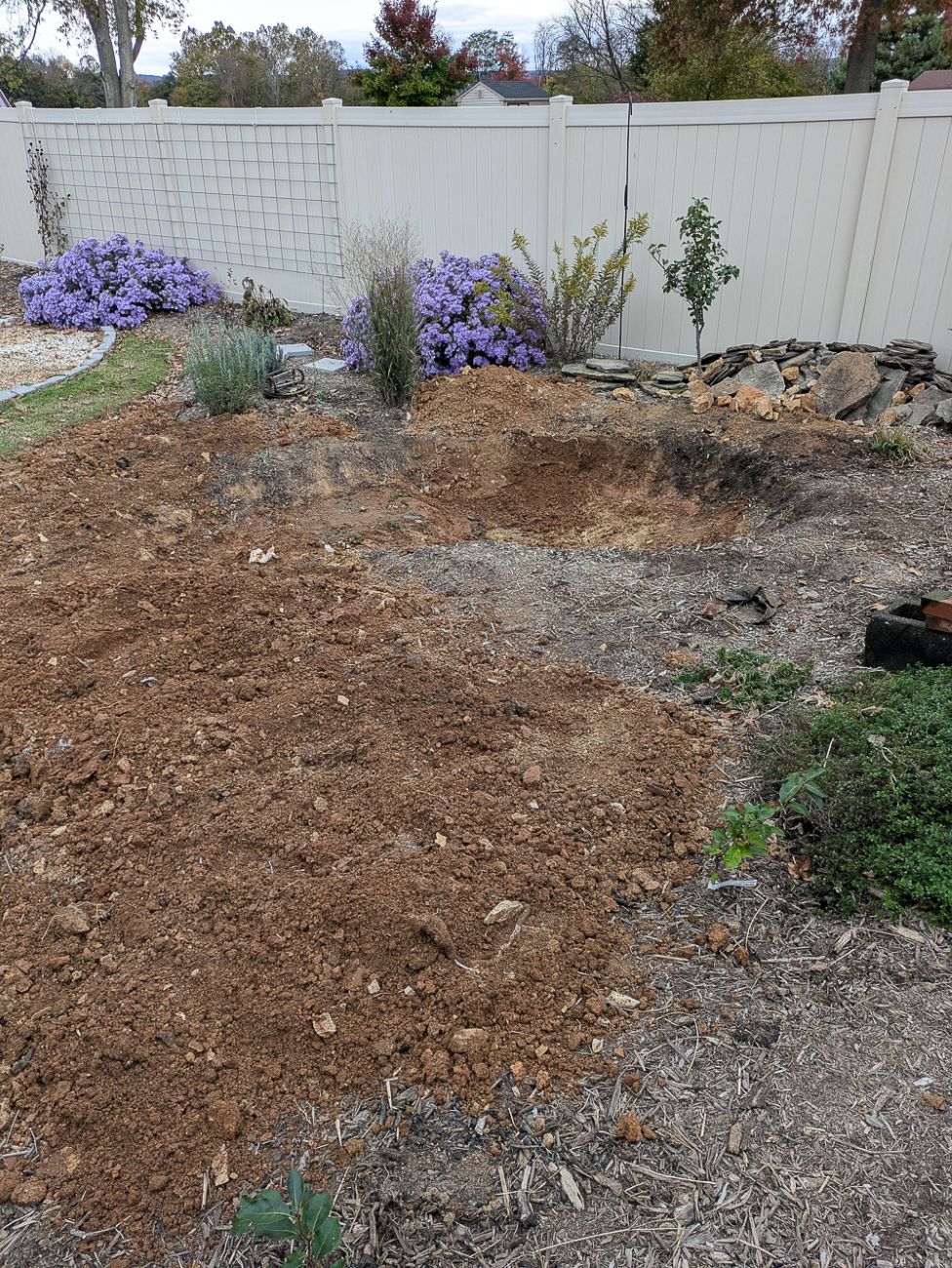
In the fall of 2025, Brittany made the bold decision to remove the original pond and excavate a significantly larger version. While she admits she was initially hesitant—knowing that removing the pond meant tearing up the existing nearby landscaping—the long-term benefits far outweighed the short-term disruption. The expansion provided a larger perimeter, which unlocked new opportunities for planting and improved the overall flow of the patio area.
2026: Refining the Vision
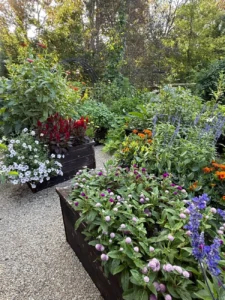
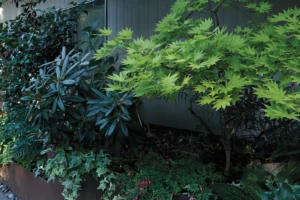
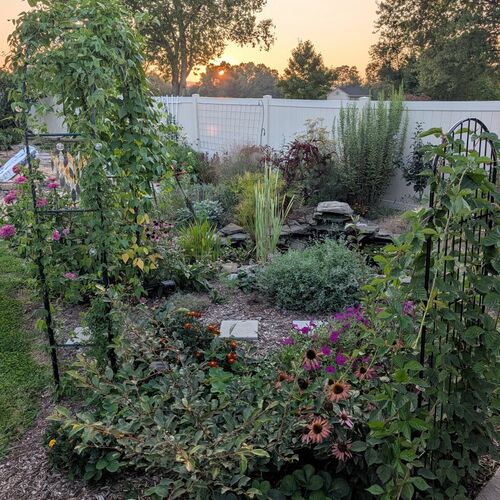
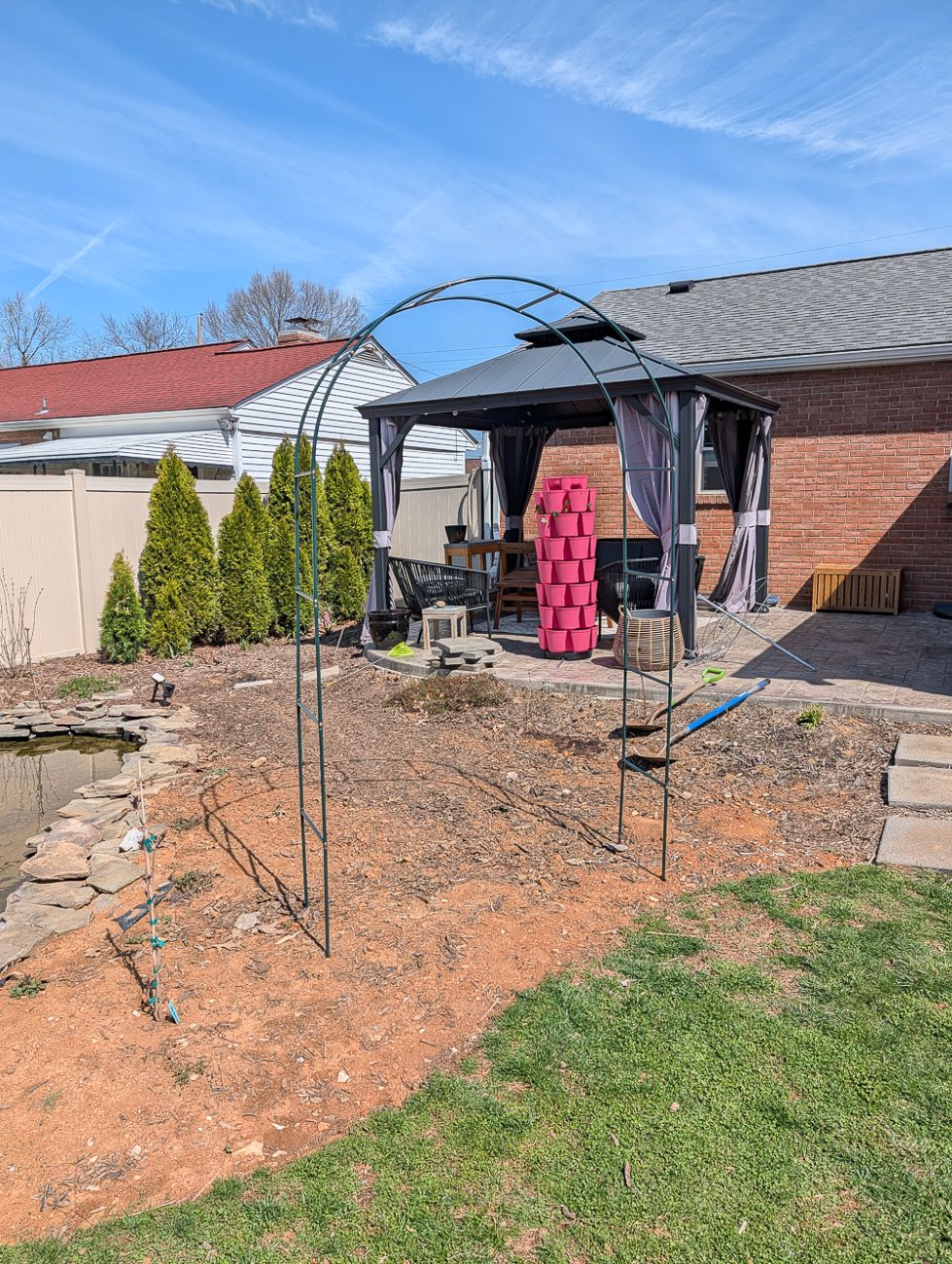
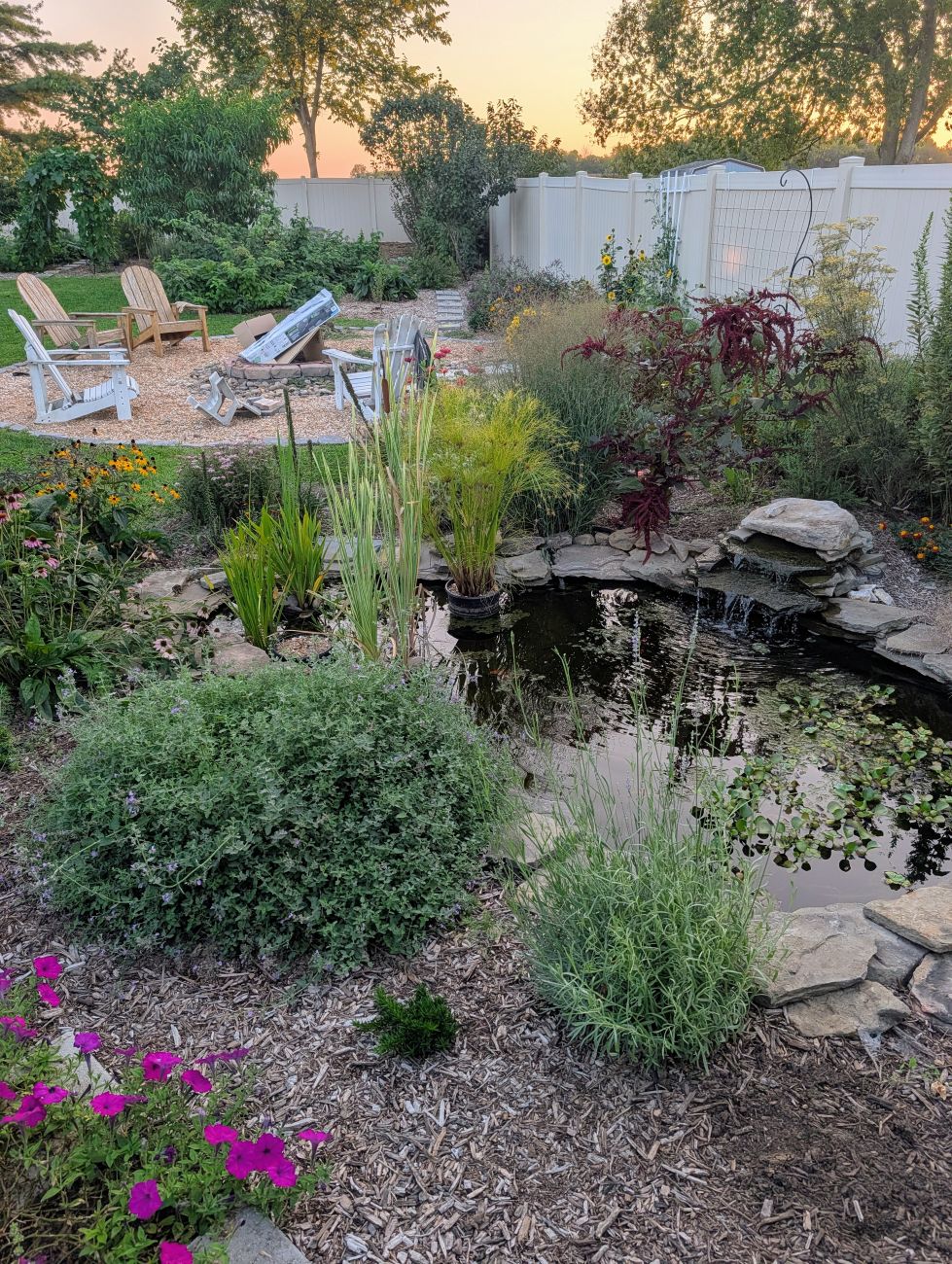
By the spring of 2026, the final phase of the transformation took shape. Brittany completed the landscaping around the enlarged pond, installing new paths and a metal archway that acts as a focal point. She focused on integrating edible crops with native perennials, creating a lush, multi-layered environment that feels both wild and thoughtfully managed.
The Design Philosophy: Maximizing the Quarter-Acre
Brittany’s garden is a prime example of high-density, multifunctional design. In a space where every square foot counts, she has successfully blurred the lines between a traditional "ornamental" garden and a "productive" one.
The Integration of Edibles and Natives
One of the most striking aspects of the garden is the seamless integration of edible plants. Near the patio, one can find a bounty of:
- Goumi Berry (Elaeagnus multiflora)
- Strawberries (Fragaria × ananassa)
- Boysenberry (Rubus hybrid)
- Blueberries (Vaccinium cvs.)
These are not tucked away in a remote corner but are woven into the landscape design itself. The archway, a structural masterpiece, currently supports Apios americana (Virginia groundnut) and Phaseolus lunatus (lima beans), proving that vertical space can be as productive as it is beautiful.
Supporting the Local Ecosystem
Beyond the harvest, Brittany has prioritized ecological resilience. Her choice of plants reflects a commitment to supporting local pollinators, with a palette that includes:
- Native Stars: Goldenrod (Solidago), Asters (Symphyotrichum), Coneflowers (Echinacea), and American Elderberry (Sambucus canadensis).
- Fillers: To ensure the garden looks full while young perennials establish themselves, she utilizes a rotation of annuals such as zinnias, sunflowers, and petunias.
This "hybrid" approach—using annuals to bridge the gap while perennials mature—is a practical strategy that keeps the garden looking vibrant during the multi-year process of establishing a native-heavy landscape.
Implications for the Home Gardener: Lessons in Resilience
Brittany’s experience offers several key takeaways for gardeners who may be feeling stuck in their own planning process.
- Iterate, Don’t Just Plan: The "mistake" of the small pond was not a failure; it was a data point. It taught her about the scale required for her specific space.
- Don’t Fear the "Reset": Removing the original pond in 2025 was a difficult choice, but it was the catalyst for the current, superior design. Sometimes, the most productive path is to remove what isn’t working to make room for what will.
- Blur the Boundaries: There is no rule that says edibles must be separated from flowers. By mixing them, you create a garden that is visually dynamic and agriculturally productive.
- Embrace the "Work in Progress": Brittany’s garden is explicitly described as a "work in progress." By acknowledging that the garden will continue to evolve over the next few years, she removes the pressure for instant perfection.
Expert Perspectives: The Shift Toward "Post-Wild" Landscapes
The design choices made in this Frederick garden align with modern shifts in landscape architecture. Books such as Planting in a Post-Wild World by Thomas Rainer and Claudia West argue for exactly this type of design: a hybrid of the wild and the cultivated.
By designing plant communities—rather than just placing single specimens—gardeners can create landscapes that are more resilient to climate change, better at managing water, and far more supportive of local wildlife. Brittany’s approach to layering natives with edibles is not just a personal preference; it is a movement toward creating "resilient landscapes" that provide function for the homeowner and habitat for the environment.
How to Share Your Garden Transformation
The community of gardeners thrives on shared experiences. Whether you have spent years cultivating a space or are currently in the midst of a major renovation, your story is valuable.
If you would like to be featured, the process is simple. The Fine Gardening "Garden Photo of the Day" (GPOD) initiative is always looking for new submissions. To participate:
- Submit via the official form: Use the Garden Photo of the Day Submission Form.
- Email your photos: Send 5–10 high-resolution images to the editorial team. Be sure to include your location, the history of your gardening journey, and the names of the plants featured in your photos.
Whether you are dealing with a "mistake" that turned into a masterpiece or simply want to celebrate a flourishing perennial bed, we want to hear from you. The story of your garden is a story worth telling.
Recommended Tools for the Modern Gardener
As Brittany’s garden demonstrates, having the right tools is essential for maintaining a high-density, multi-layered landscape. For those looking to replicate her success in their own small spaces, consider these essential additions to your shed:
- The Ho-Mi Digger: A versatile, Korean-inspired triangle blade that is perfect for precision weeding, digging in tight spaces, and leveling soil in dense perennial beds. Its ergonomic design reduces wrist strain during long sessions in the garden.
- Design Resources: Books like Buffalo-Style Gardens offer excellent, offbeat inspiration for maximizing small-space utility, while Planting in a Post-Wild World provides the theoretical framework for creating long-term, self-sustaining plant communities.
By combining the right tools with a willingness to experiment and adapt, any gardener can turn a quarter-acre—or even a small patio—into a thriving sanctuary. Brittany’s garden stands as a reminder that the best landscapes are those that grow and change alongside the people who tend them.