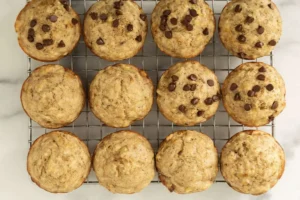
The Hidden Superfood: Transforming Pantry Staples into Nutritious Snack Bars for Families
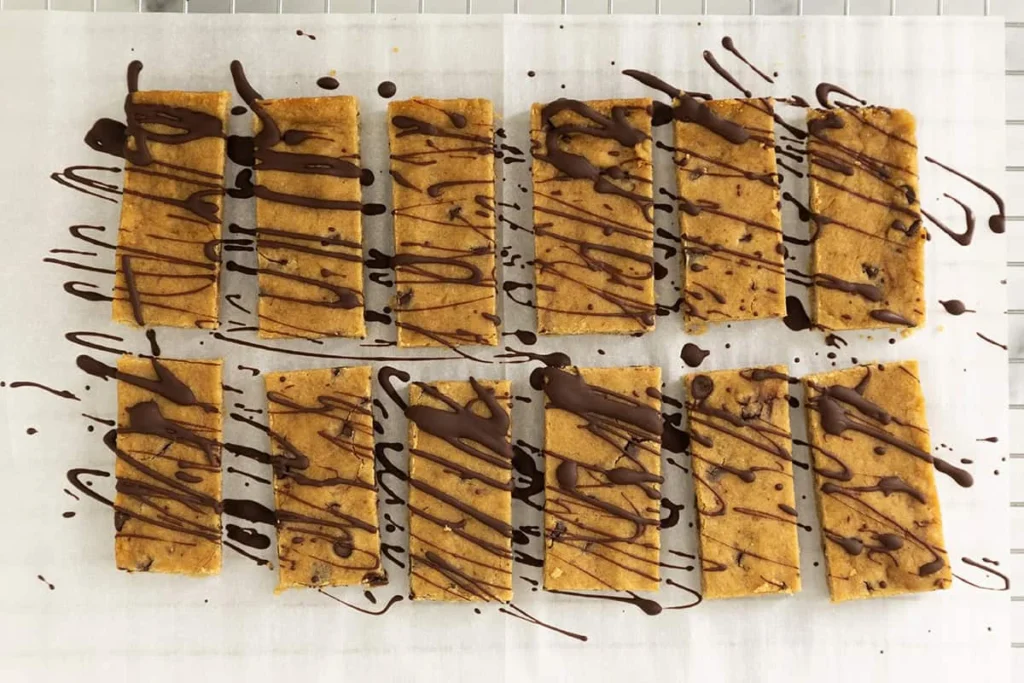
In the modern household, the intersection of budget constraints, health-conscious parenting, and the perpetual search for "kid-approved" snacks has created a significant demand for accessible, nutrient-dense recipes. A new, viral approach to snack time is shifting the narrative on how we incorporate legumes into our children’s diets. By utilizing a surprising base of chickpeas and oat flour, parents are discovering that they can replicate the flavor profile of high-end, store-bought snack bars while significantly increasing protein and fiber content and slashing added sugars.
The Core Concept: Redefining Convenience
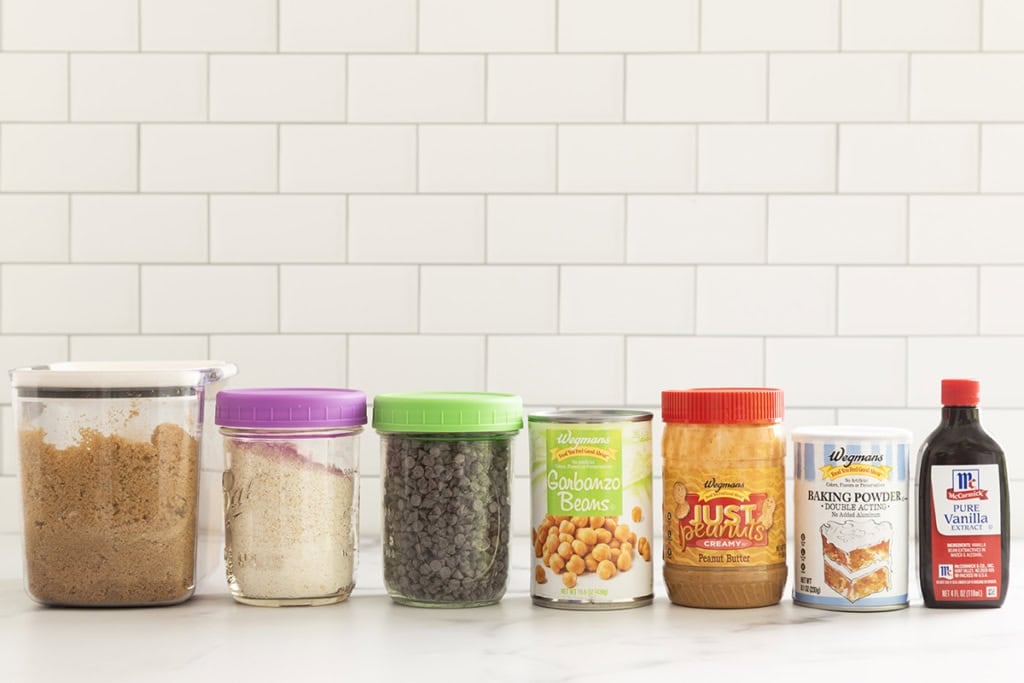
At the heart of this movement is a simple, five-ingredient recipe that has become a staple for busy families. The concept is straightforward: take a pantry staple often relegated to soups or salads—the humble chickpea—and reimagine it as the foundation for a sweet, shelf-stable snack bar.
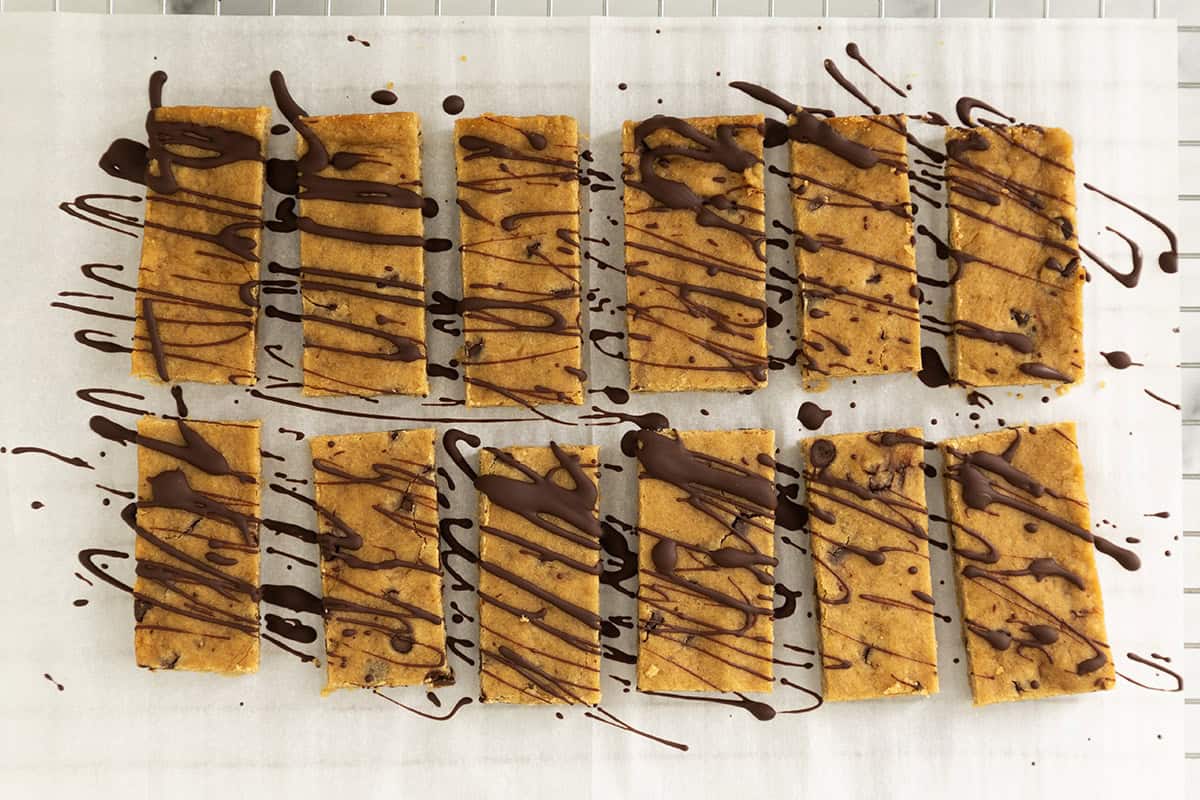
This recipe addresses a critical pain point for parents: the discrepancy between the nutritional value of processed snacks and their appeal to children. By combining chickpeas with oat flour and a few binding agents, the resulting snack bars maintain an ideal texture that holds up at room temperature. For parents, this is not just a culinary trick; it is a strategic maneuver to manage grocery budgets while ensuring children receive a balanced intake of protein, fiber, and healthy fats.
Chronology of the Recipe’s Development
The evolution of these snack bars tracks with a broader culinary trend toward "stealth health"—the practice of incorporating nutrient-dense vegetables and legumes into desserts or snacks.
- Phase 1: The Chickpea Cookie Dough Era: The foundation for this recipe began with the popularity of "Chickpea Cookie Dough," a viral internet sensation that proved chickpeas, when blended with sweetener and nut butter, lose their savory profile and adopt the creamy, satisfying texture of dough.
- Phase 2: The Structural Pivot: Developing a "bar" format required more than just a flavor profile; it required structural integrity. The introduction of oat flour served as the vital binder, allowing the mixture to be pressed, baked, and sliced without crumbling, a common failure point for early iterations of flourless bars.
- Phase 3: Optimization for Lunchboxes: The final iteration focused on portability and "school safety." By ensuring the recipe could be easily adapted to be peanut-free—using alternatives like sunflower seed butter—the bars transitioned from a niche home snack to a viable, school-compliant lunchbox addition.
Supporting Nutritional Data
The nutritional profile of these bars stands in stark contrast to the standard, highly processed granola bars found in grocery store aisles. Based on an analysis of the standard serving size, the benefits are clear:
| Nutrient | Amount per Bar |
|---|---|
| Calories | 152 kcal |
| Protein | 5 grams |
| Fiber | 3 grams |
| Added Sugar | ~8 grams |
The inclusion of 5 grams of protein per bar is a standout statistic. Most standard store-bought bars of similar size rely on refined sugars and processed grains, often providing minimal satiety. The chickpea base provides a slow-burning energy source, which is particularly beneficial for active toddlers and school-aged children. Furthermore, the 3 grams of fiber per serving aids in digestive health, a common concern for parents of young children.
Procedural Insight: How to Execute the Recipe
The preparation process is designed for efficiency, requiring minimal cleanup and standard kitchen equipment.
The Preparation Workflow
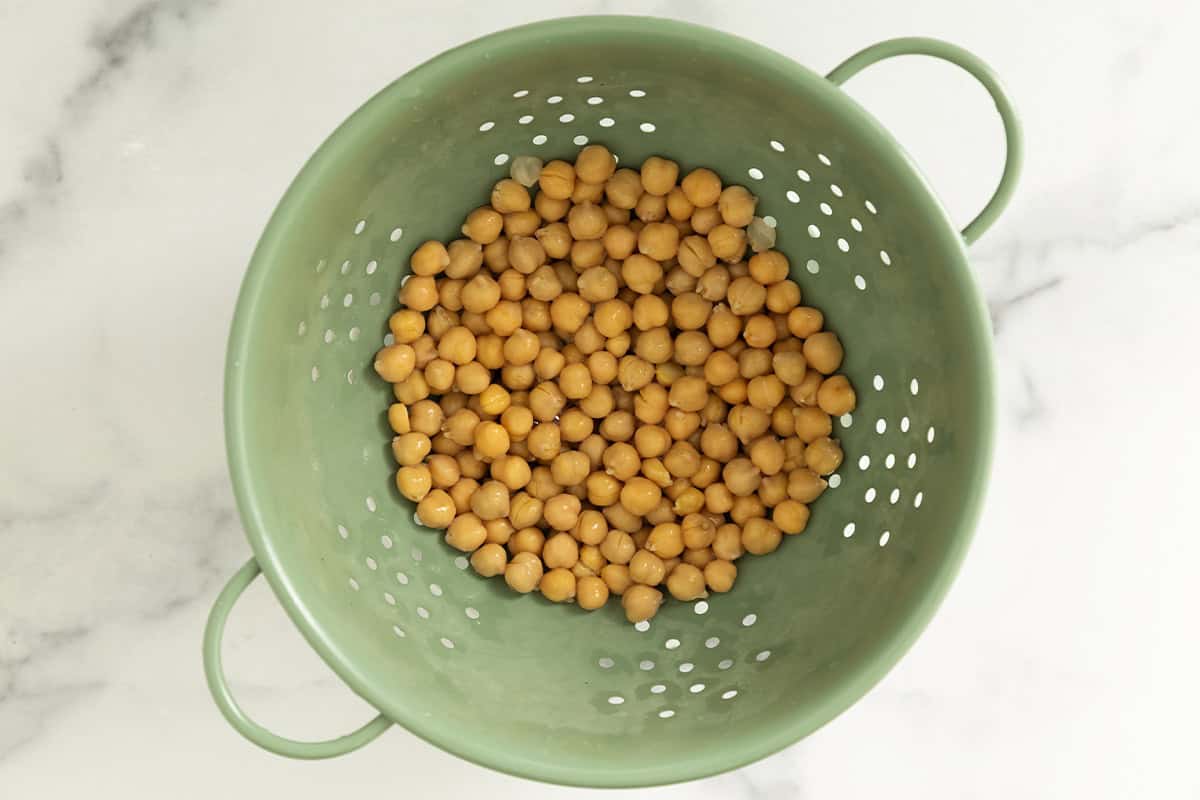
- Preparation of the Legume: The process begins by draining and rinsing canned chickpeas. Removing excess moisture is vital to ensure the bars achieve the correct density.
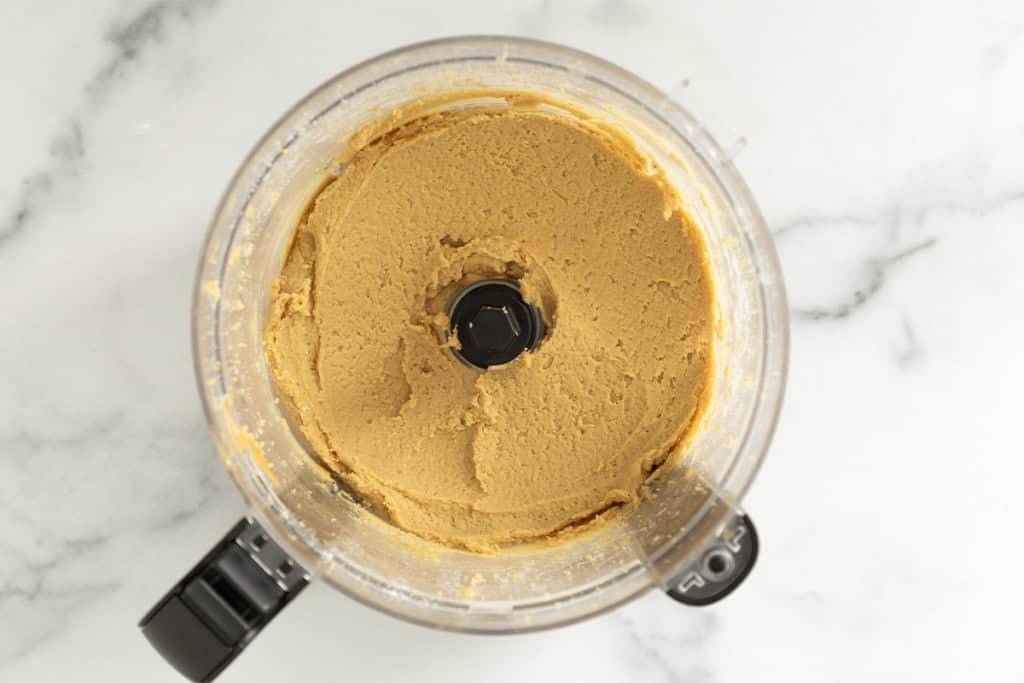
- The Emulsion: All ingredients—excluding the chocolate chips—are introduced to a food processor. The goal is a uniform, smooth consistency. The chickpeas must be fully pulverized to ensure no lingering texture alerts children to the "secret" ingredient.
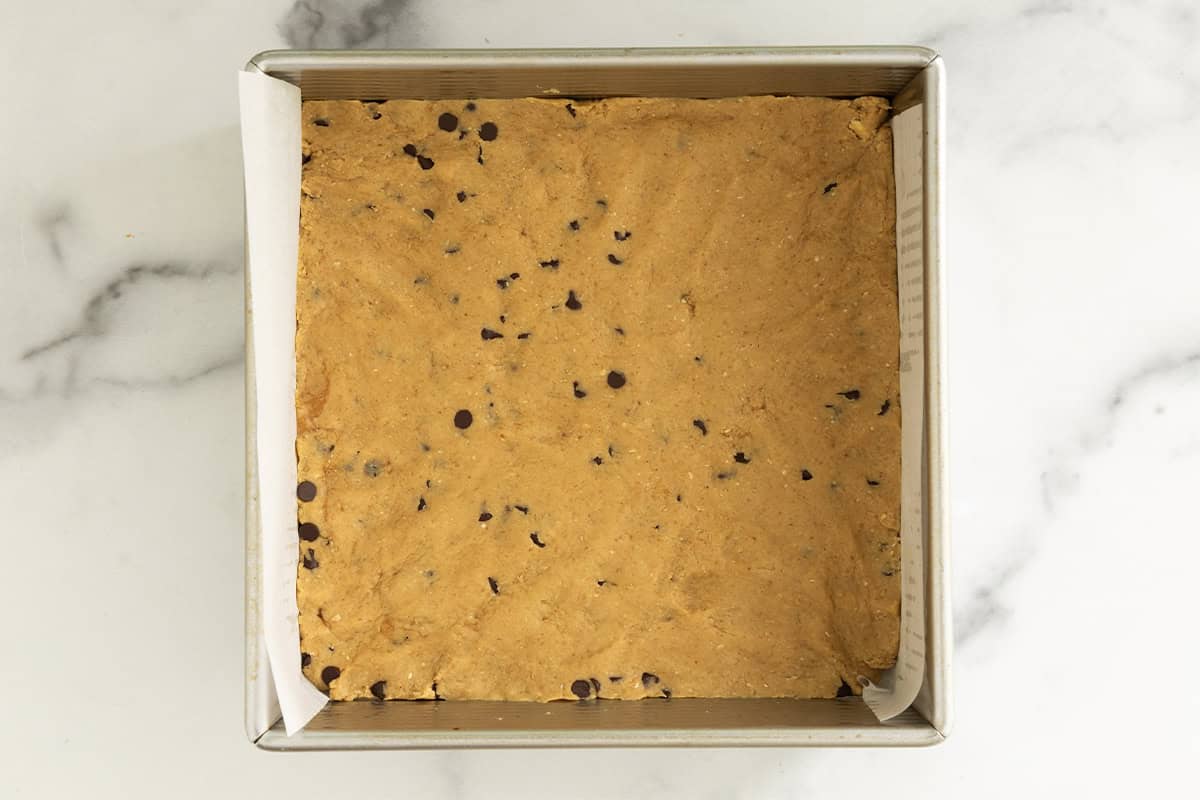
- Incorporation: Once the base is smooth, the chocolate chips are folded in by hand. This keeps the chips intact, providing the textural contrast and visual appeal that encourages children to try the bar.
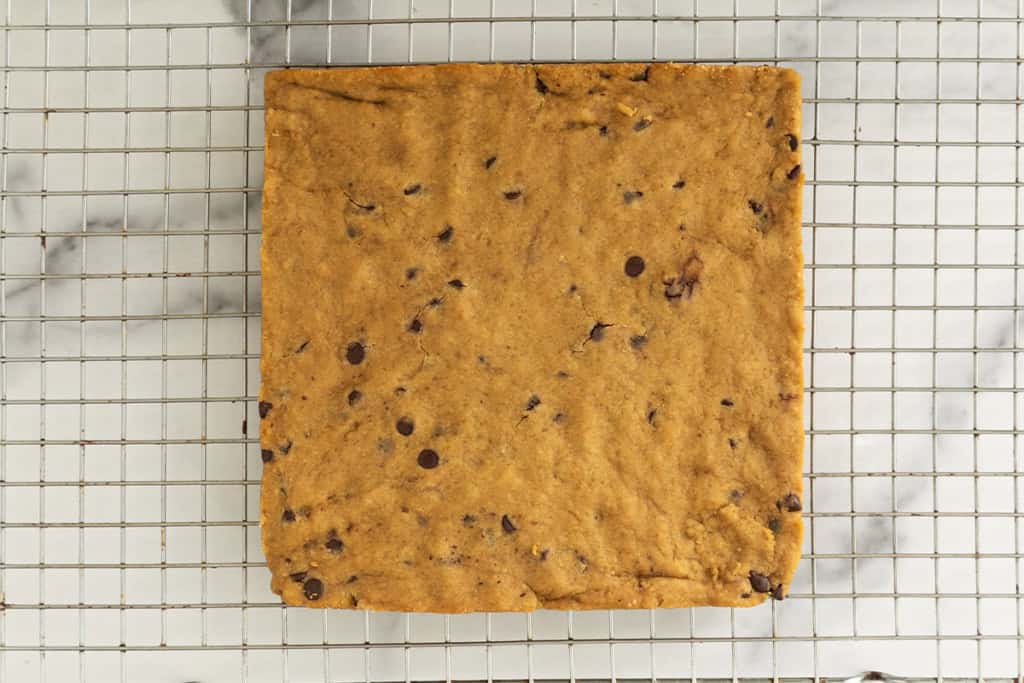
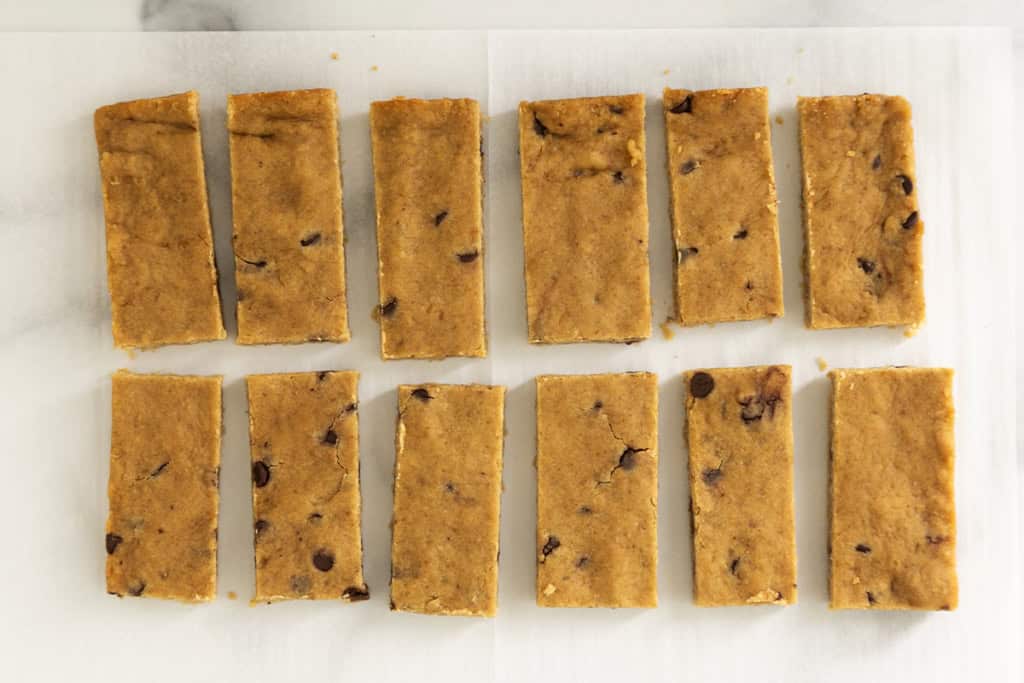
- Baking and Setting: The mixture is pressed firmly into a prepared pan. Baking serves to set the starches and create a golden crust on the edges. Crucially, the bars must be allowed to cool completely before slicing to ensure they do not break.
Expert Perspectives on Legume Consumption
Nutritionists and pediatric dietitians have long advocated for increased legume consumption in childhood to foster healthy dietary habits early on.
"The primary challenge with introducing legumes like chickpeas to children is often sensory," says a nutritionist familiar with the recipe’s growth. "By blending them into a snack format, we bypass the texture aversion often associated with whole beans. These bars represent a bridge—a way to introduce the nutritional profile of a complex legume within the familiar, comforting format of a dessert-style bar."
When asked about the use of chocolate chips, experts note that the small amount of added sugar is often a necessary trade-off to increase the overall nutrient density of the child’s diet. "When you weigh the 5 grams of protein and the fiber against the moderate sugar content, the net positive is substantial compared to empty-calorie alternatives," the expert adds.
Implications for the Modern Household
Financial Impact
The cost-effectiveness of this recipe is a primary driver of its popularity. A single batch of these bars, which yields 12 servings, costs a fraction of a 12-pack of commercial, organic snack bars. As food inflation continues to impact household budgets, the ability to utilize shelf-stable, low-cost ingredients like canned chickpeas and oats is a significant financial relief.
The "Pickle" of Picky Eaters
For parents of "picky eaters," these bars represent a victory in food exposure. The "stealth" aspect is not about deception, but about creating an environment where the child is willing to engage with the food. Once a child has a positive experience with the flavor of the bar, the barrier to eating chickpeas in other forms—such as roasted snacks or hummus—often decreases.
Sustainability and Storage
From a logistical standpoint, the shelf life of these bars is impressive. Stored in an airtight container in the refrigerator, they remain fresh for up to two weeks. For families who prefer to "batch cook" their snacks, these bars are also freezer-friendly, allowing them to be pulled out as needed for a quick breakfast side or an after-school pick-me-up.
Best Practices for Customization
The versatility of the recipe is one of its strongest attributes. While the base of chickpeas and oat flour is non-negotiable for the structure, the flavor profile can be adjusted to suit individual preferences:
- Allergy-Friendly Adjustments: For those with nut allergies, sunflower seed butter acts as a perfect 1:1 replacement for peanut butter. It retains the healthy fats and protein while ensuring the safety of the school environment.
- Flavor Profiles: Adding a touch of vanilla extract, cinnamon, or even a pinch of sea salt can elevate the flavor profile. Some families have experimented with adding shredded coconut or dried cranberries, provided they are finely chopped to maintain the structural integrity of the bar.
- Texture Variations: For families who prefer a crunchier bar, adding a small amount of toasted sunflower seeds or hemp hearts can provide an additional nutritional boost and a pleasant textural contrast to the soft chickpea base.
Conclusion: A New Standard for Snack Time
The Healthy Snack Bar, as presented here, is more than just a recipe; it is a reflection of a shift in how families approach nutrition. It rejects the binary of "healthy vs. tasty," choosing instead to merge the two. By leveraging the protein and fiber density of chickpeas and the convenience of modern kitchen appliances, parents can provide their children with a snack that is as satisfying to the palate as it is beneficial to their development.
As more families continue to adopt these practices, the potential for reduced dependence on hyper-processed, store-bought snacks grows. This simple, five-ingredient solution proves that with a little creativity, the most nutritious ingredients can become the most anticipated items in the pantry. Whether served as a quick, fiber-packed breakfast alongside a green smoothie or tucked into a lunchbox for a mid-day boost, these bars are a testament to the power of thoughtful, home-prepared food.