Unlocking Efficiency: A Deep Dive Into Samsung’s Edge Panel
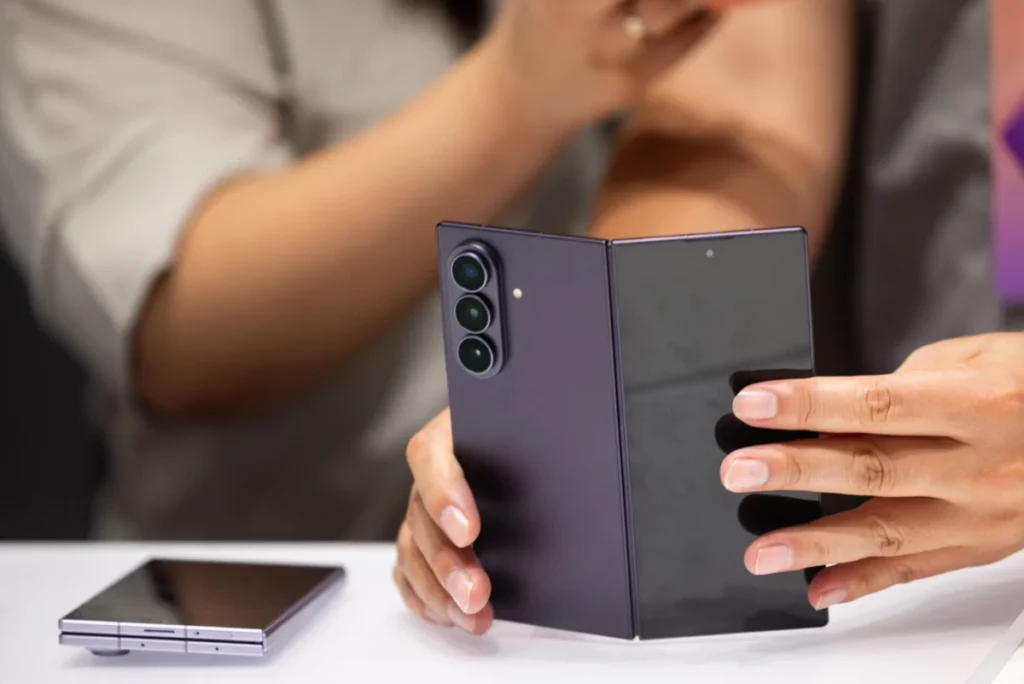
In the sprawling ecosystem of Android smartphones, the operating system serves as a common foundation, but the user experience is defined by the manufacturer’s distinct touch. While Google’s Pixel devices lean into computational photography and ambient features like the "Now Playing" music recognition widget, Samsung’s Galaxy line has cultivated a reputation for productivity-centric customization. Among these proprietary tools, the "Edge Panel" stands out as perhaps the most underutilized—yet potent—feature for power users.
Often dismissed by casual users as a mere aesthetic flourish, the Edge Panel is a sophisticated, highly configurable shortcut suite. Much like the Taskbar in Windows or the Dock in macOS, it provides an auxiliary layer of navigation that exists outside the standard constraints of the Android home screen. By effectively creating a "hidden" space for your most critical workflows, the Edge Panel transforms a standard smartphone into a highly personalized tool of efficiency.
The Evolution of the Edge: A Brief History
To understand the current utility of the Edge Panel, one must look at the trajectory of Samsung’s hardware design. The feature traces its lineage back to the "Edge" display era—specifically the Galaxy Note Edge released in 2014. At the time, the curved screen wasn’t just a design statement; it was an attempt to provide a secondary information stream on the side of the device.
In those early days, the edge screen was a separate, dedicated hardware element. It displayed scrolling news tickers, stock updates, and specialized notifications. As Samsung transitioned toward the "Infinity Display" and unified its software interface under the One UI umbrella, the hardware-specific edge screen evolved into a software-based overlay. By decoupling the feature from specific hardware requirements, Samsung made the Edge Panel available to virtually every modern Galaxy device, regardless of whether the screen is flat or curved.
Anatomy of the Edge Panel: Functionality and Design
The Edge Panel is essentially a secondary launcher that sits in the wings of your display. It is represented by a subtle, often translucent handle resting on the side of the screen. A simple swipe gesture brings the panel into view, allowing users to toggle between different "modules" or "pages" of content.
The Seven Pillars of Productivity
Samsung offers seven distinct categories of panels, each designed to address a specific user need:

- Apps: The most popular configuration, allowing for rapid access to frequently used applications without cluttering your primary home screen.
- People: A dedicated space for your most important contacts, allowing for one-tap calling, texting, or video calling.
- Tasks: This is the "shortcut" hub. It consolidates repetitive system actions—such as capturing a screenshot, initiating a new calendar entry, or setting a quick alarm—into a single interface.
- Weather: A localized, real-time widget that provides climate data without requiring a full app launch.
- Tools: A functional utility belt containing a compass, a tally counter, and other specialized sensors.
- Clipboard: A history manager for text or images you have recently copied, bridging the gap between desktop-like clipboard managers and mobile convenience.
- Reminder: An integration layer that pulls data directly from Samsung’s native Reminder application.
Strategic Customization: Maximizing Your Workflow
The true power of the Edge Panel lies in its granular customizability. To begin the setup process, users must navigate to Settings > Display > Edge Panels. From here, the user can toggle the feature on or off, but the real benefit is found in the "Panels" submenu.
Reordering and Prioritization
Users are not limited to a single panel. By selecting multiple options, you can create a swipe-able carousel. The ability to reorder these is crucial: if you use your "Apps" panel dozens of times a day, it should be the first pane. By holding and dragging the panel icons in the settings menu, you can ensure your most important tools are always just one swipe away.
Handling Security and Privacy
One concern for power users is the exposure of sensitive data on the lock screen. Samsung has addressed this by allowing users to toggle "Hide on Lock screen." This is particularly relevant for the Clipboard and Reminder panels. By enabling this privacy setting, you ensure that even if your device is misplaced, a stranger cannot easily view your recent clipboard history or upcoming to-do lists without unlocking the phone.
Aesthetics and Ergonimics
Samsung provides deep control over the "Handle"—the physical touch-point on the screen. Users can modify:
- Transparency: Making the handle virtually invisible for a cleaner aesthetic.
- Color: Matching the handle to your wallpaper or personal preference.
- Size: Ensuring the touch target is large enough for your thumb without interfering with UI elements.
- Placement: Moving the handle to either the left or right side, or adjusting its vertical position to align with natural thumb reach.
Implications for the Mobile Experience
The inclusion of the Edge Panel is a strategic move by Samsung to combat "app fatigue." As the number of applications on a modern smartphone climbs into the hundreds, the traditional grid of icons on the home screen becomes a chaotic mess of folders and pages. The Edge Panel acts as a filter, separating "essential" tasks from "occasional" ones.
Reducing Cognitive Load
By providing a consistent, hardware-level interface for shortcuts, Samsung reduces the cognitive load required to operate the device. Instead of searching for an app icon, opening the app, and then searching for a specific function within that app, a user can simply swipe the edge and tap a task shortcut. This is a subtle shift, but over the course of a day, it saves hundreds of seconds and dozens of navigational taps.

The Landscape Consideration
A common point of friction with mobile interfaces is the transition from portrait to landscape. Many users find that on-screen elements become intrusive when watching media. Samsung allows users to disable the Edge Panel in landscape mode, ensuring that while you are gaming or streaming video, the handle remains hidden and the screen real estate is preserved. This level of granular control underscores the "Power User" philosophy behind the Galaxy series.
Comparative Analysis: Samsung vs. The Competition
When comparing the Edge Panel to features found on other Android devices or iOS, the distinction is clear. Apple’s iOS relies on the App Library and Control Center. While highly efficient, these are generally "global" features—they are the same for every user and are tucked behind specific swipe gestures (such as the top-right corner for Control Center).
In contrast, the Edge Panel is modular. It doesn’t just provide system shortcuts; it allows for the integration of third-party widgets and specialized tools. It is a more "open" architecture, reflecting Samsung’s commitment to providing a "maximalist" software experience compared to the "minimalist" approach favored by Google and Apple.
Final Thoughts: A Tool for the Disciplined User
The Edge Panel is not a necessity, but for the user who demands efficiency, it is a game-changer. It represents a shift from the phone as a passive consumption device to the phone as an active tool.
To get the most out of it, users should approach it with a "less is more" mindset. Do not enable all seven panels if you only use two. Instead, identify the bottlenecks in your daily mobile life. If you find yourself frequently taking screenshots or copying and pasting information between apps, prioritize those modules. Once properly configured, the Edge Panel becomes an extension of your own muscle memory, proving that in the world of high-end mobile technology, the best features are often the ones you customize for yourself.