From Weeds to Wisdom: How One Community Garden is Cultivating the Next Generation
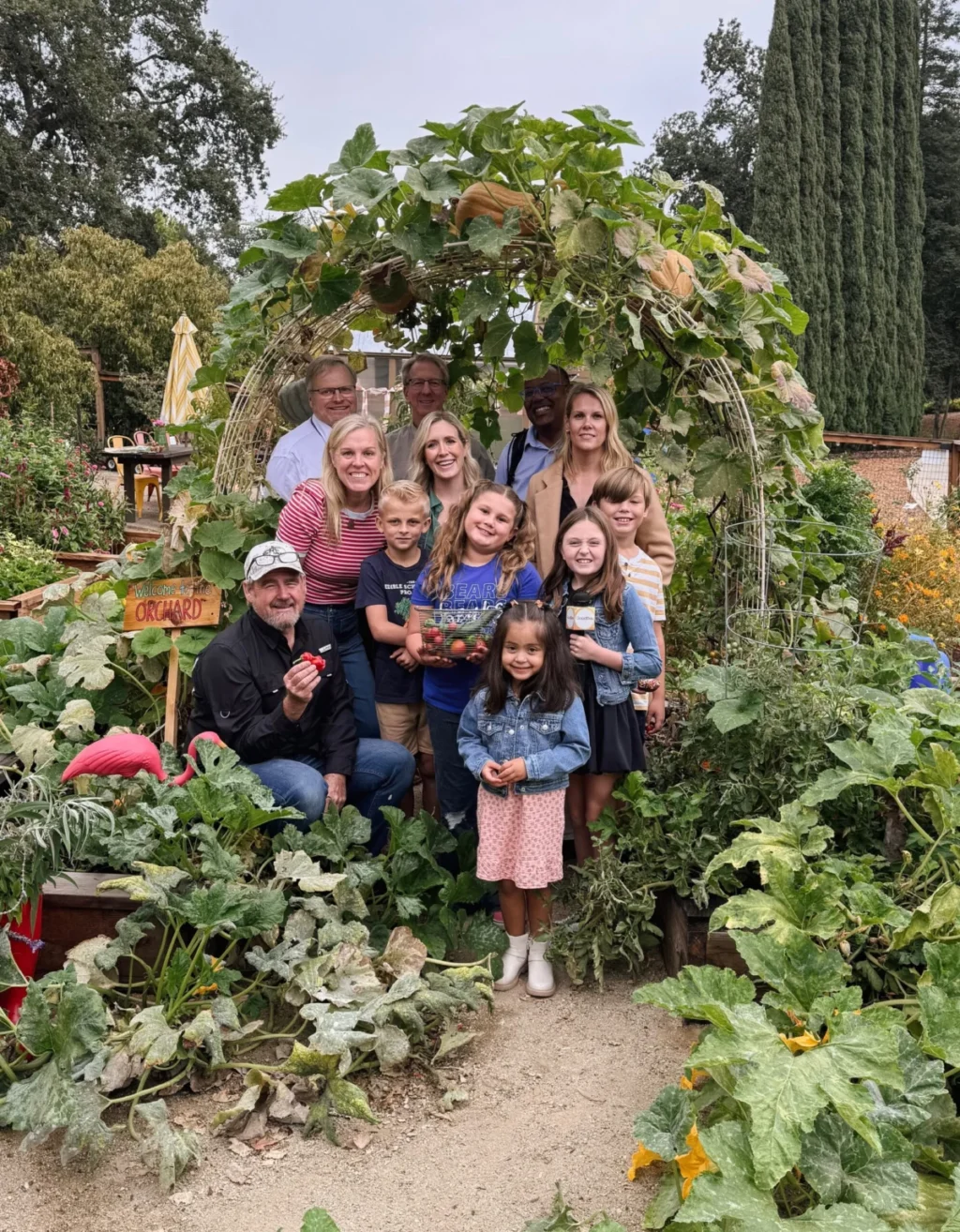
In the suburban landscape of El Dorado Hills, California, a quiet revolution is taking place—not in a high-tech laboratory or a corporate boardroom, but in a patch of earth that, just five years ago, was nothing more than an overgrown tangle of neglected weeds. Today, that space serves as the beating heart of a local school’s educational ecosystem.
Driven by the vision of two best friends, Christy and Shelley, this initiative has evolved from a simple restoration project into a sophisticated, multi-faceted "living classroom." By blending traditional horticulture with modern environmental stewardship, the program has become a model for schools nationwide, demonstrating how a garden can be far more than a collection of plants—it can be a catalyst for community health, scientific curiosity, and ecological responsibility.
The Genesis: Turning Neglect into Opportunity
The story began half a decade ago when Christy and Shelley, driven by a desire to improve their local school’s environment, identified a neglected, weed-choked plot on campus. What started as a casual conversation about "fixing up the yard" quickly transformed into an ambitious plan to reshape how students interact with their food.
The duo was heavily influenced by the philosophy of Alice Waters and the pioneering "Edible Schoolyard" movement. Their core mission was never just about yield; it was about pedagogical impact. They aimed to dismantle the disconnect between the supermarket shelf and the soil, teaching children the fundamental realities of where their food originates and the seasonal rhythms of the planet.
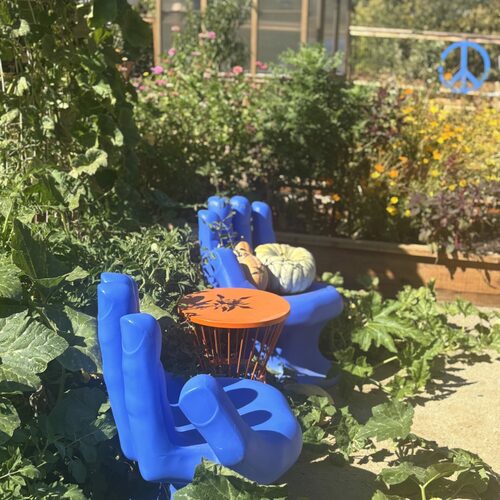
A Chronology of Growth
The transformation did not happen overnight. It was a phased, methodical evolution:
- Year 1 (The Clearing): The primary focus was reclamation. The team spent months clearing invasive species, testing soil quality, and installing basic infrastructure for irrigation.
- Year 2 (The Infrastructure): The construction of a dedicated greenhouse allowed for year-round propagation. This enabled students to participate in the entire life cycle of a plant, from seed starting to transplanting.
- Year 3 (Diversification): The project expanded to include an orchard containing 17 fruit trees, providing a perennial layer to the garden’s ecosystem. During this time, they also introduced vermicomposting, teaching students about the critical role of decomposers in soil health.
- Year 4 (Ecological Integration): With the food production established, the focus shifted to biodiversity. The addition of dedicated pollinator habitats served to teach students about integrated pest management (IPM) and the delicate balance required for a healthy garden.
- Year 5 (The Scaling): Today, the garden hosts over 400 student visits per month, functioning as a fully integrated outdoor laboratory where core curricula in science, nutrition, and environmental studies are taught through hands-on practice.
Supporting Data: The Impact of the "Living Classroom"
The scale of this operation is significant. Currently, the garden supports a diverse range of agricultural and educational systems:
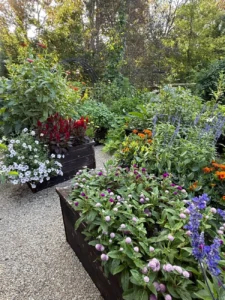
- Diverse Horticulture: The site boasts a 17-tree orchard, multiple vegetable plots, and vibrant cutting-flower gardens that serve as a draw for both humans and pollinators.
- Waste Management: The implementation of both traditional composting and vermicomposting systems diverts a significant portion of school cafeteria waste, turning it into nutrient-rich soil amendments.
- Engagement Metrics: With over 400 student participants monthly, the program has successfully integrated into the local school district’s routine, ensuring that gardening is not an extracurricular anomaly, but a standard part of the educational experience.
- Digital Reach: Through their collaborative brand, Between Two Shrubs, Christy and Shelley have expanded their influence far beyond California. Their Instagram account and YouTube channel, featuring local garden tours, have garnered hundreds of thousands of views, proving that there is a massive, untapped appetite for accessible, grassroots horticultural education.
Official Perspectives: The Philosophy of the Founders
When asked about the success of the program, the founders emphasize that their goals are long-term. "We aren’t just growing vegetables; we are growing healthier kids and stronger communities," says Christy.
The philosophy behind the program is rooted in "everyday actions." The duo believes that environmental stewardship is often viewed as an abstract, overwhelming concept. By bringing it down to the level of a single seed or a handful of compost, they make the global issue of sustainability manageable and personal for the students.
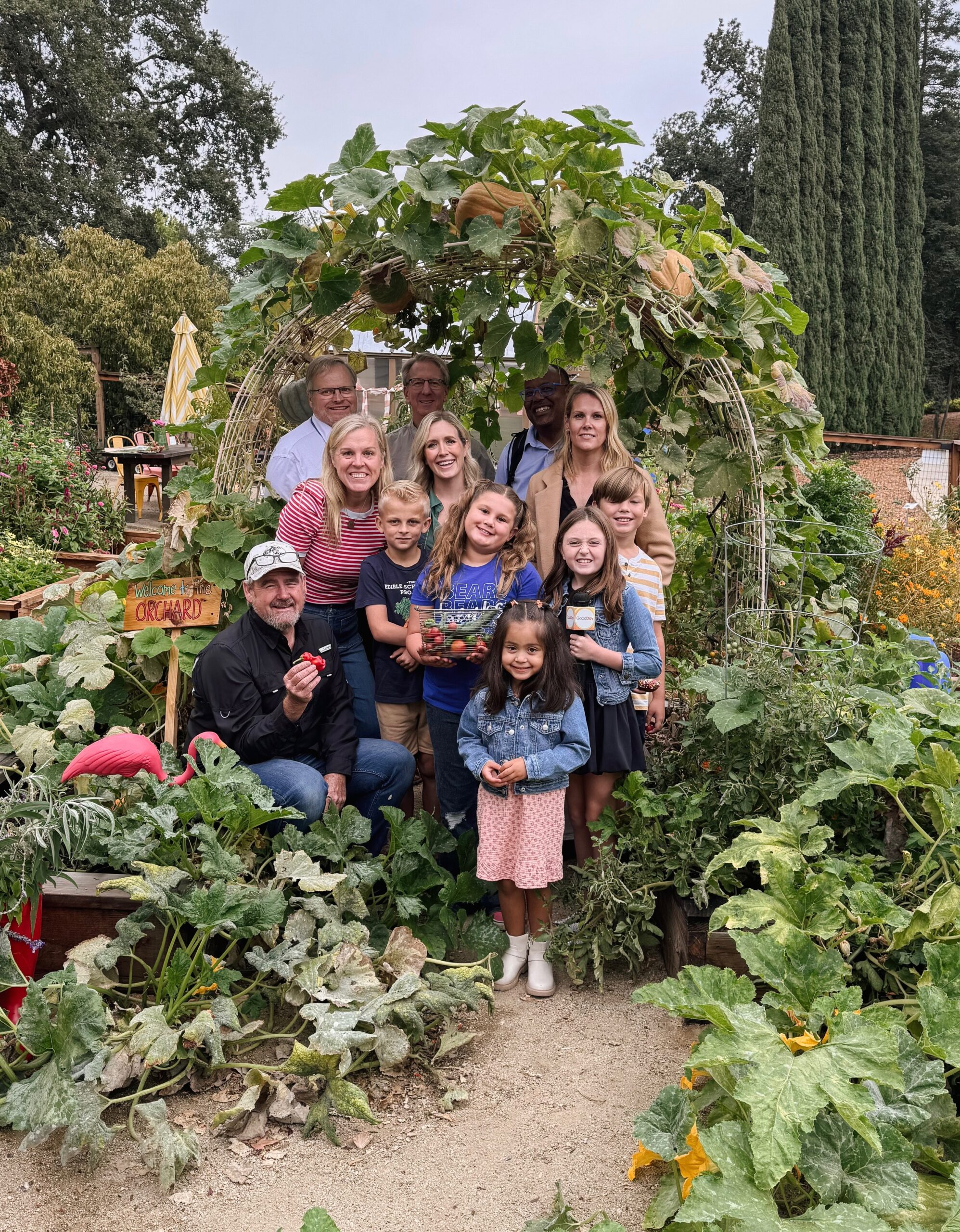
"We want the students to understand that the health of the earth is tied directly to the choices we make at the dinner table," Christy notes. Their upcoming "Farm-to-Fork" celebration in September is designed to be the culmination of this philosophy—a public event that brings together local farmers, parents, and students to celebrate the regional food system and demonstrate the tangible results of their five-year journey.
Pedagogical Implications: Why School Gardens Matter
The pedagogical shift represented by this garden is profound. Traditional education often separates science (theory) from practice (doing). In this garden, those lines are blurred. A student learning about photosynthesis in a textbook can walk outside, observe the impact of sunlight on the greenhouse plants, and immediately understand the practical application of their lesson.
Furthermore, the garden serves as a site for social-emotional learning. The necessity of teamwork to manage a large-scale project teaches students about collaboration, patience, and accountability. When a crop fails—a reality in any garden—it provides a vital lesson in resilience and the scientific method: analyzing what went wrong, adjusting the variables, and trying again.
Broadening the Horizon: A Call to Action
The success of the El Dorado Hills program serves as a call to action for educators and community members everywhere. The founders have made it clear that their model is replicable. With a small amount of space, a bit of persistence, and a clear pedagogical vision, any community can transform an eyesore into an engine for learning.
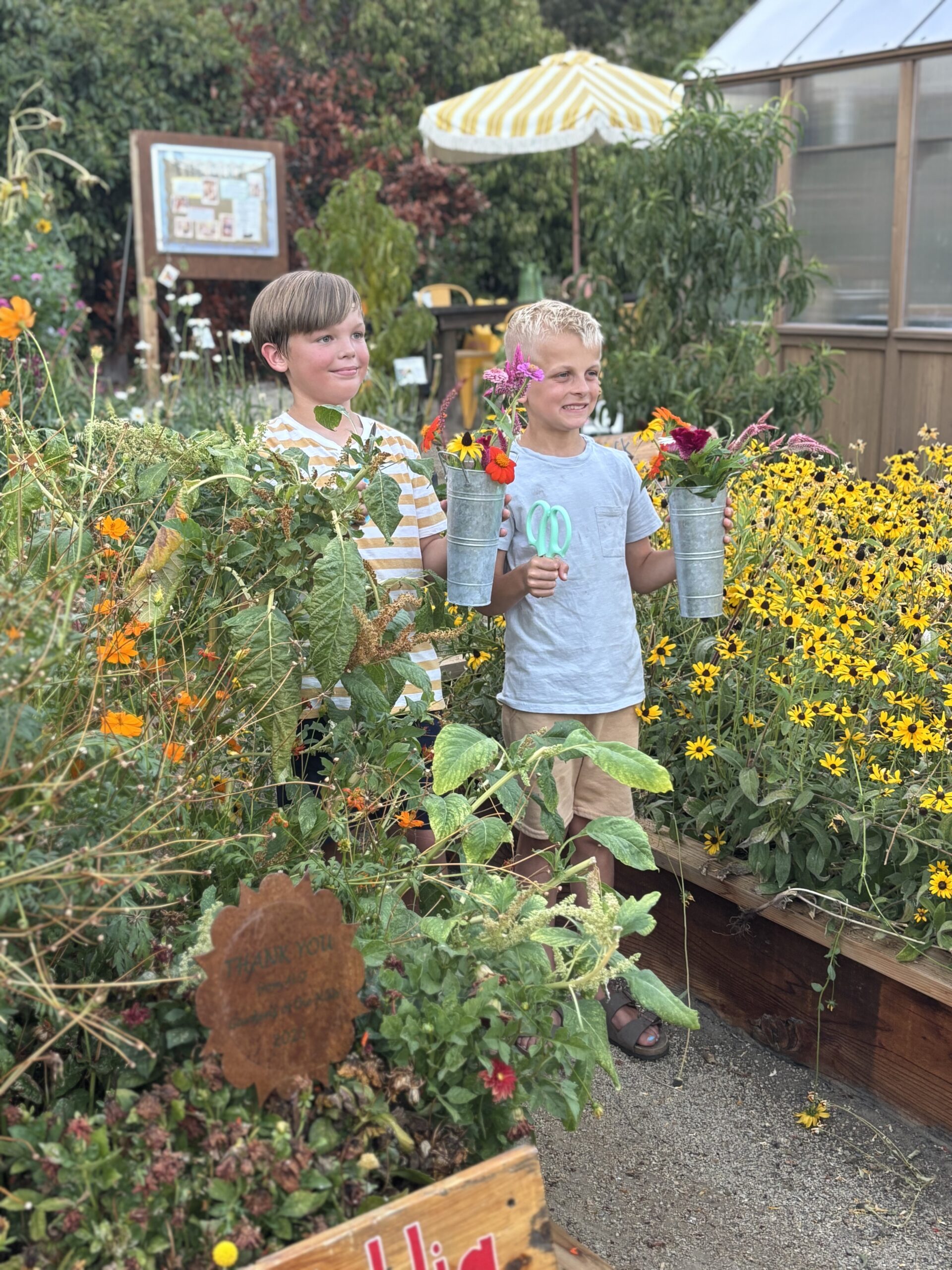
For those inspired by this story, the founders suggest starting small. Whether it is a single raised bed, a worm bin in a classroom, or a small window-box herb garden, the goal is to foster a connection with nature.
A Note for Gardeners: Tools of the Trade
As this program has grown, so too has the need for high-quality, durable equipment. For those looking to mirror the success of this school garden in their own backyards, the use of professional-grade tools is often a deciding factor in efficiency and longevity.
One such tool recommended for serious gardeners is the A.M. Leonard Deluxe Soil Knife. Featuring a dual-edge design—with one serrated side for tough roots and one slicing edge for delicate cuts—it serves as the ultimate multi-tool for the modern gardener. Constructed with a 6-inch stainless steel blade capable of withstanding 300 pounds of pressure, it is designed for the kind of rigorous, daily use that a school garden demands. Including features like depth gauge markings and a twine-cutting notch, it exemplifies the importance of having the right equipment to ensure that the work of gardening remains a joy rather than a chore.
Conclusion: Planting for the Future
The work of Christy and Shelley is a testament to the power of local initiative. In a world that often feels increasingly disconnected, the simple act of putting hands in the soil is a radical, necessary, and hopeful gesture. By teaching the next generation where their food comes from, they are ensuring a future that is, quite literally, more grounded.
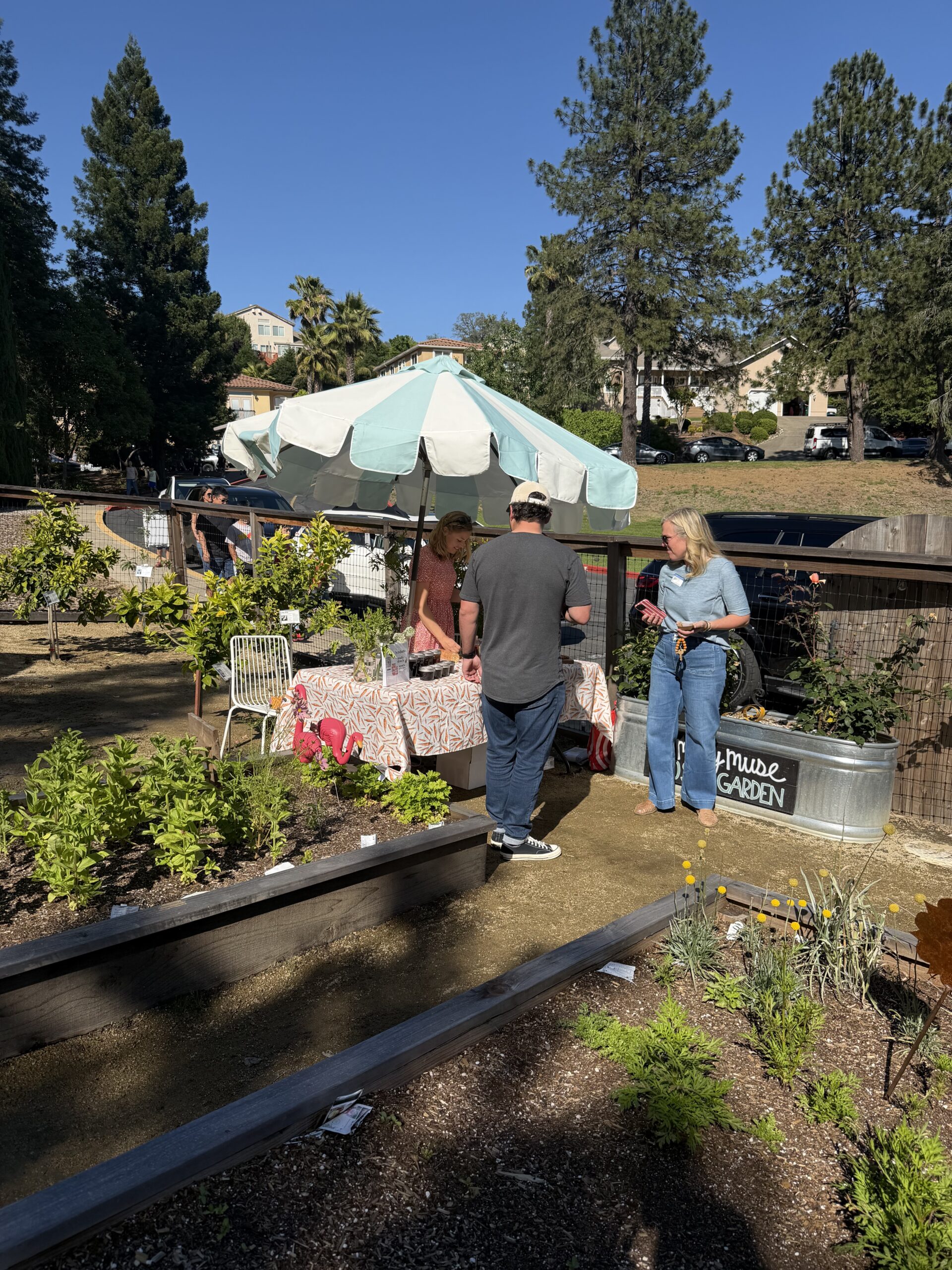
As the September Farm-to-Fork event approaches, the focus remains clear: to build a bridge between the classroom and the field. The garden in El Dorado Hills stands as a beacon for what is possible when we view our local environment as a resource, a classroom, and a home. One seed at a time, they are cultivating a legacy that will bear fruit for years to come.
Do you have a story from your own garden? Whether it is a triumph of cultivation, a lesson learned from a failed crop, or a beautiful, thriving space that you’ve created in your own community, we want to hear about it. Submit your photos and your story to the Garden Photo of the Day submission form to be featured in our upcoming editions.