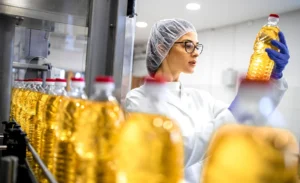
The Persistent Challenge: Navigating the PFAS Crisis in Global Food Systems
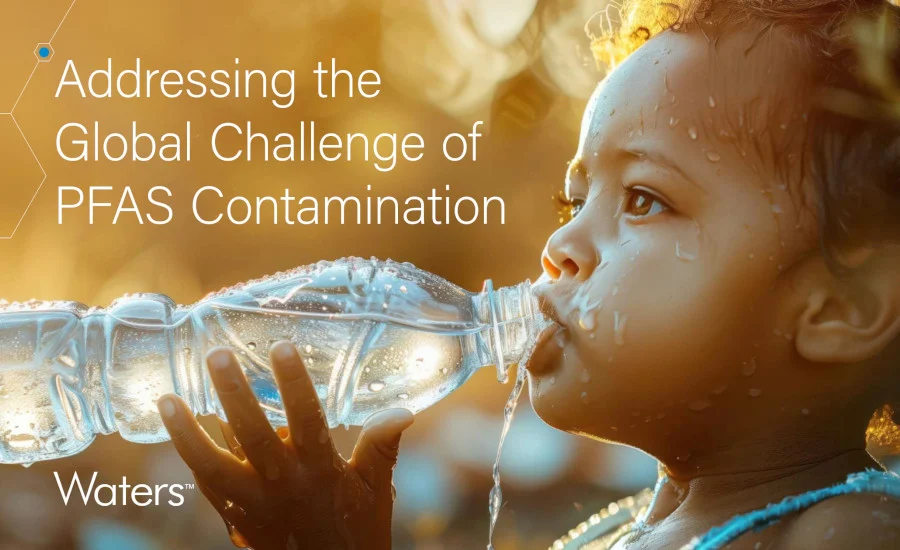
Per- and polyfluoroalkyl substances (PFAS)—a vast family of thousands of synthetic chemicals—have become one of the most pressing environmental and public health challenges of the 21st century. Known colloquially as "forever chemicals" due to their extraordinary chemical stability, these substances are now ubiquitous in global ecosystems. As their presence in the food supply becomes increasingly documented, the scientific, regulatory, and industrial communities are scrambling to address the risks posed by these persistent compounds.
The Nature of the Threat: Why PFAS Persist
PFAS are characterized by the strength of the carbon-fluorine bond, one of the most stable bonds in organic chemistry. This structural integrity is precisely why they are so useful in manufacturing; it allows products to repel water, oil, and heat with unmatched efficiency.
However, this same utility creates an environmental paradox. Because nature lacks the biological or chemical mechanisms to break these bonds down, PFAS do not degrade. Instead, they circulate through water cycles, accumulate in soil, and infiltrate the food chain. From non-stick cookware and grease-resistant food packaging to specialized firefighting foams used in industrial and military settings, these chemicals have permeated the modern landscape, leading to bioaccumulation in humans and animals alike.
A Chronological Perspective: From Industrial Marvel to Regulatory Target
The history of PFAS is a trajectory from industrial triumph to urgent public health concern.
- 1940s–1950s: The commercial introduction of PFAS begins, with companies like DuPont and 3M utilizing PFOA and PFOS in consumer products.
- 1970s–1990s: Growing, albeit quiet, internal evidence begins to emerge among manufacturers regarding the toxicity and environmental persistence of these compounds.
- 2000: A pivotal turning point occurs as 3M announces the phase-out of PFOS production following discussions with the U.S. Environmental Protection Agency (EPA).
- 2006: The EPA launches the 2010/2015 PFOA Stewardship Program, inviting eight major companies to voluntarily reduce PFOA emissions and use.
- 2016: The EPA issues health advisories for PFOA and PFOS in drinking water, setting the stage for more aggressive federal oversight.
- 2023–2024: The EPA finalizes historic National Primary Drinking Water Regulations, marking the first time the federal government has set legally enforceable limits on specific PFAS in drinking water.
Supporting Data: The Scale of Contamination
The scope of PFAS contamination is not merely a localized issue; it is systemic. According to data from the U.S. Geological Survey (USGS), nearly half of the tap water in the United States is estimated to contain at least one type of PFAS.
In the agricultural sector, the data is equally concerning. Studies from the Food and Drug Administration (FDA) and independent laboratories have identified PFAS residues in a wide range of foods, including seafood, meat, dairy, and leafy greens. The pathways for this contamination are diverse:
- Biosolids Application: The use of sewage sludge as fertilizer has been found to introduce PFAS into soil, which is then absorbed by crops.
- Irrigation Water: Contaminated groundwater used for farming creates a direct pathway for PFAS to enter the food supply.
- Food Packaging: Historically, PFAS were used to prevent grease from soaking through fast-food wrappers and microwave popcorn bags, though industry shifts are currently underway to replace these materials.
Toxicological assessments have linked prolonged exposure to these chemicals to a range of severe health outcomes. The Agency for Toxic Substances and Disease Registry (ATSDR) notes that epidemiological studies suggest associations with increased cholesterol levels, changes in liver enzymes, decreased immune response to vaccines, increased risk of kidney or testicular cancer, and developmental delays in infants and children.
Official Responses and Regulatory Shifts
The regulatory landscape is undergoing a radical transformation as authorities attempt to play "catch-up" with decades of chemical dispersion.

The EPA’s Aggressive Stance
The EPA’s recent finalized rule regarding drinking water standards is the most significant step taken by the agency in years. By establishing Maximum Contaminant Levels (MCLs) for six PFAS compounds, the agency has effectively forced public water systems to invest in advanced filtration technologies, such as granular activated carbon (GAC) or reverse osmosis.
International Cooperation
Beyond U.S. borders, the European Chemicals Agency (ECHA) is currently reviewing a massive proposal to restrict the use of thousands of PFAS compounds under the REACH (Registration, Evaluation, Authorisation and Restriction of Chemicals) regulation. This represents one of the largest bans on a group of chemicals in the history of the European Union, signaling a global shift toward the "precautionary principle."
Industry Responsibility
Major corporations—including those represented by organizations like the Waters Corporation—are responding by prioritizing advanced analytical techniques. Testing and analysis have become the primary pillars of defense. As detection limits continue to drop (reaching parts-per-trillion levels), the industry is investing in high-resolution mass spectrometry to ensure that food products and water supplies meet the tightening safety criteria.
Implications for the Food and Beverage Industry
For food producers, retailers, and distributors, the implications of the PFAS crisis are profound and multifaceted.

Supply Chain Transparency
The food industry is increasingly required to audit its supply chains. This involves moving beyond mere compliance and conducting rigorous testing of raw materials. Companies are now looking at their packaging suppliers to ensure that "PFAS-free" claims are backed by third-party laboratory verification.
Economic Costs
The cost of compliance is significant. Small-to-medium-sized farms and food processors may struggle with the capital expenditure required to monitor for PFAS or to remediate contaminated soil and water. There is a growing call for government subsidies and technical support to assist the agricultural sector in navigating this transition.
The Future of Food Safety Testing
The future of food safety lies in the ability to detect increasingly minute concentrations of these chemicals. As analytical capabilities improve, the industry will likely see:
- Real-time Monitoring: The integration of sensors into food processing lines to detect contamination at the point of manufacture.
- Standardized Global Protocols: Efforts to harmonize testing methods across international borders to ensure that global trade is not disrupted by varying safety standards.
- Innovative Remediation: Increased research into bio-remediation—using fungi or specialized bacteria to break down PFAS in agricultural land—is currently in the pilot phase.
Conclusion: A Long-Term Commitment
The challenge posed by PFAS is not a problem that will be solved in a single legislative session or through a single technological breakthrough. It requires a sustained, multidisciplinary approach involving toxicologists, chemists, environmental engineers, and policy makers.

As we move forward, the focus must remain on source reduction—preventing these chemicals from entering the environment in the first place—while simultaneously managing the existing contamination in our food and water supplies. For consumers, the message is one of vigilance rather than panic; as testing becomes more refined and regulations more stringent, the tools to protect public health are becoming more robust.
The industry’s commitment to advanced testing and analysis, supported by corporations dedicated to technological innovation, provides a pathway forward. By fostering transparency and prioritizing scientific integrity, the global food system can adapt to the realities of a post-PFAS world, ensuring that the water we drink and the food we consume are as safe as possible for future generations.
Disclaimer: This article is intended for informational purposes only and does not constitute medical, legal, or professional advice. Always consult with relevant regulatory authorities and experts regarding specific food safety and environmental compliance protocols.