Liquid Luxury: The High-Stakes World of Yacht Wine Management
By Pamela Vachon
August 6, 2026
For the uninitiated, the term "chief stew" might sound like a culinary title, but to millions of viewers of Bravo’s Below Deck, it represents the pinnacle of high-pressure hospitality. As the head of a yacht’s interior department, the chief steward or stewardess is the architect of the guest experience, balancing housekeeping, logistics, and, perhaps most critically, the curation of an onboard wine program that must satisfy the world’s most demanding—and often unpredictable—clientele.
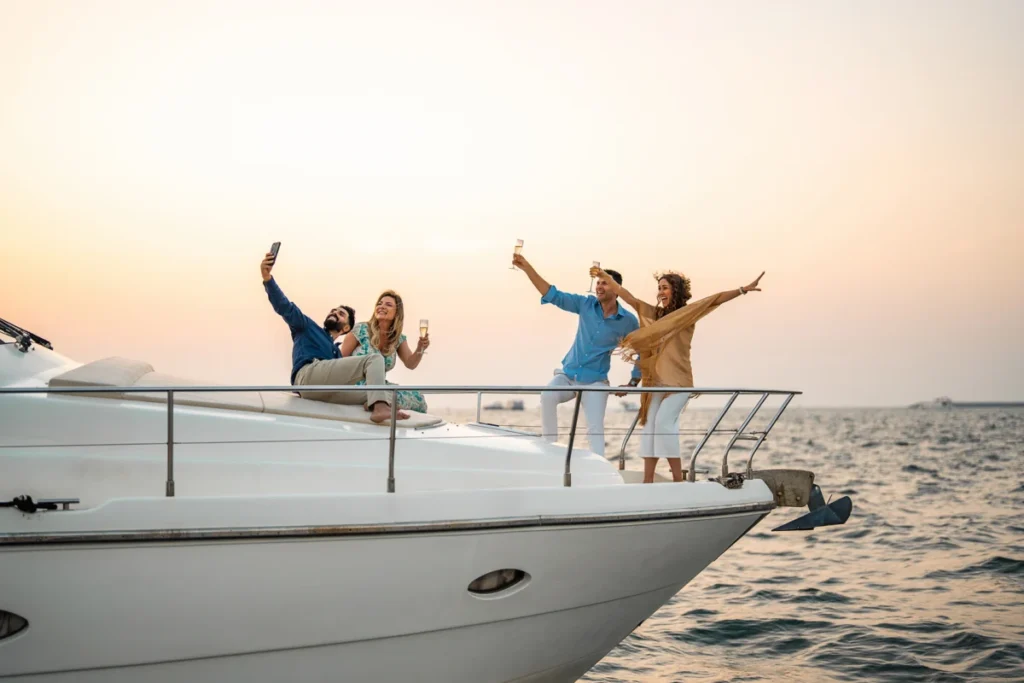
While reality television often frames the role through the lens of interpersonal drama or the occasional "rosé crisis," the reality of managing wine at sea is a complex operation involving logistics, chemistry, and high-stakes procurement. Beneath the veneer of sun-drenched decks and crystal-blue waters lies a rigorous, often grueling, professional discipline that dictates how the one percent experiences wine while adrift.
The Professional Landscape: Learning on the High Seas
The yachting industry is a paradox: it serves the wealthiest individuals on the planet, yet it operates largely without the formal institutional infrastructure one might expect from a five-star hotel or a Michelin-starred restaurant. For the crew tasked with managing the wine cellar, education is often a trial by fire.

"There’s not a lot of formal wine courses or education within yachting," explains Oriana Schneps, an alumna of Below Deck Adventure and the founder of The Yacht Edit. "As much as we can try to educate ourselves, it is such a robust world of its own, and that’s often one of the most feared elements of service for stewards and stewardesses because a lot of them don’t come with a background to really curate a wine program on board."
This lack of formal training is mitigated by the constant exposure to high-end vintages. Chief stews must quickly pivot from novices to knowledgeable sommeliers, learning the nuances of regions, producers, and vintages to appease guests who may have deeper pockets than they have patience. The result is a specialized, fast-paced form of on-the-job training that demands versatility.
The Psychology of the Charter Guest
Managing guest expectations is the central challenge of the chief stew’s role. According to those who have lived it, there is a distinct dichotomy in the charter experience: the true oenophile and the "financial flexer."
Daisy Kelliher, a veteran of Below Deck Sailing Yacht and Below Deck Down Under, equates the wine experience to recreational sports. "There are those who want to learn to kite surf and get really committed to it," Kelliher says, "but most people are just there for the experience."

For the majority of charter guests, the goal is simple: reliable, high-quality, approachable wines. "We always have those staple wines that everyone loves as backup," says Katie Glaser, a former Below Deck cast member. "Veuve for Champagne, Cakebread or Caymus for reds, and Whispering Angel since rosé is huge."
However, the "financial flex" is a recurring theme in the industry. As Hannah Ferrier, the legendary chief stewardess of Below Deck Mediterranean, notes, "Most people that claim to know about wine don’t actually know about it, but they like to appear to know about it in front of their friends. [Certain clients] don’t actually care about the taste of wine. It’s about how much you spent on the bottles."
The Logistics of Seafaring Cellars
Storing and serving wine at sea is an exercise in damage control. Unlike a land-based cellar, a yacht is a dynamic, moving environment plagued by temperature fluctuations, engine vibration, and limited space.
"Smaller boats really don’t have that kind of capacity," Glaser admits. "So when you go to the islands and you have back-to-back charters, you end up stashing it everywhere possible. I’ve had cases at the end of my bed before."

The consensus among industry professionals is to prioritize fresh, just-in-time provisioning rather than long-term storage. Kelliher emphasizes that the motion of the ocean is the enemy of fine wine. "You generally don’t want to keep wine on a boat for too long. Besides the fact that they’re not great places for storage, there’s the movement and temperature fluctuation."
This fragility extends to the glassware. On sailing vessels or smaller yachts, the act of serving fine crystal is a high-risk maneuver. "We’re breaking glasses left, right, and center," Kelliher notes, particularly when guests insist on dining on deck during windy conditions. In these instances, the crew must rely on high-quality acrylic alternatives, a trade-off that guests rarely protest.
Procurement: The "Impossible" Request
The defining mantra of the charter yacht industry is: "The client gets what the client wants." In the world of ultra-high-net-worth individuals, budget is rarely the constraint—logistics are.
"You don’t get to say no," says Glaser. "We’ve had wine flown in on private jets, helicopters, you name it. If they want it, you figure out how to get it."

When a vessel is in a remote location, the interior crew enters a state of high-alert resourcefulness. This involves a "mad dash" through local ports, scouring wine shops, and, in some cases, convincing local restaurants to sell their entire private stock at a premium.
"We would just offer them so much money that they couldn’t really say no to it," says Ferrier. This aggressive procurement strategy underscores the sheer power of the yachting industry’s spending capacity and the lengths to which a chief stew will go to avoid the dreaded "no" on a preference sheet.
Implications: The Social Capital of Wine
Beyond the act of pouring, wine serves as a social lubricant and a tool for the crew to build rapport. Savvy chief stews often act as "wine whisperers," providing guests with talking points that enhance their social standing.
Ferrier describes the subtle art of educating guests in private: "I would always make a point to seek those guests out [privately] and offer advice about what particular note in a wine will bring out a particular fruit in the starter, or that kind of thing."

This creates a cycle of social currency. The guest gains confidence, which they then deploy in their social circles back home. "You just know this guy is going to be at Craig’s in L.A. in two months’ time, going, ‘Oh, I know that wine goes perfectly with apricots,’" Ferrier says with a laugh.
The Future of Yacht Wine Programs
As the yachting industry continues to expand, the demand for more sophisticated wine programs is likely to grow. We are already seeing a shift toward more specialized provisioners in major hubs like the South of France, Italy, and Florida, who cater specifically to the yachting market.
While the "staple" bottles will always have a place on board, the rise of "yachting sommeliers"—or at least a greater focus on wine education for interior crew—is becoming a necessity rather than a luxury. For the chief stew, the challenge remains: to maintain the balance between the chaotic, demanding nature of the sea and the refined, orderly world of fine wine.
Whether through the desperate sourcing of a vintage bottle from a remote village shop or the careful calibration of a pairing to suit a guest’s ego, the role of the chief stew remains the unsung, essential heartbeat of the yachting world. It is a profession that requires not only the grace of a host but the logistical genius of a supply chain manager and the tactical patience of a diplomat—all served with a perfectly chilled glass of rosé.