Mastering the Art of Light: Elevating Food Photography with Food Blogger Pro’s Professional Curriculum

In the competitive digital landscape of modern food blogging, visual storytelling is no longer just an aesthetic choice—it is a commercial imperative. As social media algorithms prioritize high-quality, thumb-stopping imagery, creators are increasingly moving away from the unpredictability of natural light to embrace the precision of professional artificial lighting.
To meet this growing demand for technical proficiency, Food Blogger Pro has released its comprehensive "Artificial Lighting for Food Photography" course. Designed to bridge the gap between amateur experimentation and studio-grade professional standards, this curriculum offers a structured path for creators to reclaim control over their creative process.
The Evolution of Food Photography: From Natural Light to Studio Control
For decades, the "natural light only" school of thought dominated food photography. While sunlight offers a soft, organic quality, it is notoriously fickle. Creators were often tethered to the sun’s schedule, leaving them at the mercy of shifting weather patterns, changing seasons, and the limitations of their own window-side setups.

The shift toward artificial lighting represents a significant maturation in the industry. By adopting LED panels and studio-grade strobe equipment, food creators are now able to simulate the "golden hour" at midnight, ensuring consistent results regardless of external conditions. This transition is not merely about convenience; it is about scalability. For bloggers and influencers managing high-volume content calendars, the ability to produce top-tier imagery on demand is a critical business asset.
Chronology of the Course: A Structured Learning Path
Food Blogger Pro has structured their artificial lighting curriculum to guide students through a logical progression, moving from foundational theory to advanced execution.
Phase 1: Conceptual Foundations
The course begins with an "Introduction to Artificial Lighting," which dismantles the intimidation factor often associated with studio gear. Students learn the physics of light—how intensity, direction, and diffusion interact with food textures. By establishing a theoretical baseline, the course ensures that creators understand why they are making specific adjustments rather than relying on guesswork.
Phase 2: Equipment Selection and Procurement
One of the most significant barriers to entry is the vast array of available gear. In the "How to Choose LED Panels" module, the curriculum breaks down the technical specifications that matter. It filters out the noise, teaching students how to identify color accuracy (CRI), power output, and panel durability. This module is designed to prevent "gear acquisition syndrome," ensuring students invest in equipment that aligns with their specific culinary niche.
Phase 3: The Supporting Cast of Gear
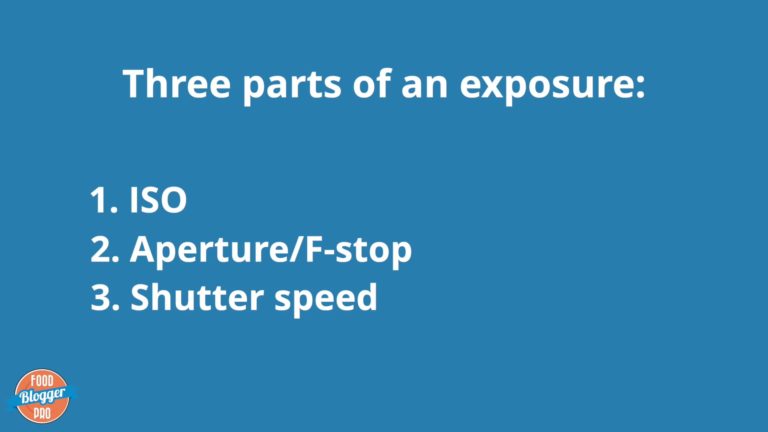
Photography is an ecosystem. The "Additional Equipment for Artificial Lighting" module emphasizes the importance of light modifiers. From softboxes and grids to bounce boards and reflectors, this section teaches creators how to manipulate the light they have created. It also addresses critical camera settings—specifically the triad of ISO, aperture, and shutter speed—in the context of artificial light, where the variables differ significantly from shooting outdoors.
Phase 4: Applied Techniques and Portfolio Building
The final phase, "Techniques and Examples for Artificial Lighting," is the laboratory of the course. Here, students view real-world demonstrations. By observing experts set up complex scenes—such as high-key morning coffee shots or moody, low-key dinner spreads—learners gain a blueprint for their own creative experiments.
Supporting Data: The Impact of Quality Content
The efficacy of these training methods is validated by the success stories emerging from the Food Blogger Pro community. In an industry where traffic is the lifeblood of revenue, the data is compelling.
Take, for instance, the case of Rodney, the creator behind Hot Rod’s Recipes. Before engaging with the platform’s structured learning, he was stagnant at roughly 600 monthly pageviews. By applying the technical strategies taught in courses like the Artificial Lighting series, his traffic trajectory underwent a radical shift, ultimately climbing to 45,000 monthly views.
Similarly, Erin of Erin Bakes highlights the transformative power of the course’s video training. By mastering the technical aspects of production taught within the membership, she successfully scaled her video content to the point where a single piece of content garnered over 1.3 million views. These results illustrate a clear correlation: professional-grade visuals act as a catalyst for audience engagement and platform growth.
The Philosophy Behind the Expertise
What differentiates Food Blogger Pro from generic tutorial sites is its pedagogical philosophy. The platform is built on the premise of "sustainable growth." Unlike influencers who chase viral trends, the experts behind this course—who possess over a decade of industry experience and manage platforms with over 80 million annual pageviews—advocate for a "small progress" approach.
The "Tiny Progress" Model
The platform emphasizes that long-term success is not the result of a single viral moment, but rather the cumulative effect of daily, incremental improvements. By breaking down the daunting task of "learning photography" into digestible, actionable lessons, the course reduces the psychological friction that often leads to creator burnout.
An Expert-Led Environment
Students are not learning from theorists; they are learning from practitioners. The course instructors are active participants in the food blogging economy, meaning they understand the nuances of current SEO trends, platform shifts, and the evolving expectations of the modern consumer. This ensures that the content remains relevant in a fast-paced digital environment.

Implications for the Industry
The democratization of professional lighting techniques marks a turning point for the food creator economy. As the barrier to high-quality production drops, the threshold for what audiences consider "professional" rises.
Professionalization of the Niche
As more creators adopt artificial lighting, the standard for food photography is becoming increasingly sophisticated. We are moving into an era where high-quality imagery is the baseline expectation, not a competitive advantage. This puts pressure on hobbyist bloggers to level up their production quality or risk being sidelined by more technically proficient creators.
The "Zero-Risk" Shift in Education
Food Blogger Pro has also addressed the financial uncertainty that often accompanies online education. By offering a 60-day, "no-questions-asked" refund policy, they are essentially shifting the burden of proof to the quality of their content. This consumer-friendly approach is becoming an industry standard for reputable e-learning platforms, signaling that the era of "clickbait" courses may finally be waning in favor of value-driven, outcome-oriented education.

A Call to Action for Aspiring Creators
The "Artificial Lighting for Food Photography" course is more than a technical guide; it is an invitation to take full creative ownership of one’s work. By moving away from the chaotic variables of natural light, creators can build a more reliable, efficient, and professional workflow.
Whether you are a budding blogger looking to achieve your first 1,000 views or an established creator aiming to refine your visual style for high-end brand partnerships, the tools provided in this curriculum offer a clear, proven roadmap. The combination of expert-led instruction, a philosophy centered on sustainable growth, and the ability to master studio-grade lighting creates an environment where any creator—regardless of their starting point—can excel.
As the digital food space continues to saturate, the creators who will thrive are those who treat their craft with the rigor of a professional studio. The path to that level of mastery is now more accessible than ever, provided you are willing to embrace the process and put in the work.

Key Takeaways for Future Students:
- Consistency: Artificial light is the key to maintaining a consistent visual brand.
- Education: Focus on understanding the physics of light, not just copying setups.
- Patience: Use the "tiny progress" method to avoid burnout while building your skill set.
- Verification: Utilize the 60-day trial period to ensure the curriculum meets your professional goals.
By investing in the technical foundations of photography, you aren’t just taking better photos—you are building a more robust and scalable business for the long term.