Mastering the Landscape: A Strategic Guide to Intelligent Weed Management
The most formidable weed species are not merely nuisances; they are highly evolved biological machines equipped with specialized survival strategies. They are built to outcompete neighbors, adapt to shifting landscape conditions, and rebound with remarkable vigor after repeated attacks. For the average gardener, the instinctual response is often an endless cycle of manual pulling or the application of blanket herbicides. However, modern horticultural science suggests that effective weed management begins not with brute force, but with a sophisticated understanding of how each species survives. By transitioning from reactive weeding to a targeted, ecological approach, gardeners can significantly reduce their workload, minimize chemical reliance, and achieve far superior long-term results.

Understanding the Enemy: The Biological Mechanics of Weeds
To manage a landscape effectively, one must categorize weeds by their "survival architecture." Different species utilize distinct physiological mechanisms to secure territory. By identifying these strategies—whether they rely on deep taproots, creeping rhizomes, or aggressive seed dispersal—gardeners can apply the precise intervention required to neutralize them.

Rhizomes: The Underground Invaders
Some of the most persistent weeds thrive by deploying modified horizontal stems known as rhizomes. These structures creep beneath the soil surface, branching out and sending up new shoots far from the original parent plant. Crucially, rhizomes possess an extraordinary capacity for regeneration; even the smallest fragment left in the soil can generate an entirely new colony.

- The Tilling Trap: Many gardeners inadvertently exacerbate rhizome infestations by tilling or rototilling. This practice fragments the rhizomes, effectively "planting" them across a wider area and triggering a massive surge of new growth.
- Tactical Removal: Rather than turning the soil, use a garden fork or hand cultivator to gently lift and tease the rhizomatous network to the surface. It is a slow, methodical process, but it is the only way to ensure the removal of the entire root system.
- The Strategy of Exhaustion: If physical removal is impossible, frequent and consistent cutting of the top growth will eventually force the plant to deplete its underground energy reserves. This is a war of attrition that may require multiple seasons of disciplined management.
- Smothering Techniques: Once top growth and as much of the rhizome network as possible have been cleared, the area should be covered with heavy mulch or a light-blocking tarp. Solarization can also be highly effective for shallower rhizomes, as the heat trapped beneath plastic creates an inhospitable environment for regrowth.
Super-Seeders: The Prolific Annuals
Annual weeds often rely on a "quantity over quality" strategy. A single plant can produce thousands of seeds, many of which remain viable in the soil for years or even decades, creating a "seed bank" that waits patiently for the right conditions to germinate.

- Preventing Seed Set: The primary goal is to break the cycle. If you cannot remove the entire plant, you must at least remove the seed heads or flowers before they mature. Even a partial harvest of the tops can save you from thousands of future seedlings.
- Shading the Soil: Weed seeds generally require light to germinate. By employing heavy mulching, dense ornamental plantings, or fast-growing cover crops, you can keep the soil surface cool and dark, effectively suppressing the germination of dormant seeds.
- Early Intervention: Flame weeding—using a propane-fueled torch—or shallow hoeing are highly effective against young seedlings. However, avoid deep soil disturbance, which brings buried seeds to the surface and triggers a new wave of growth.
Runners: The Aboveground Travelers
Stoloniferous weeds spread via aboveground runners. These stems root at various nodes, allowing them to rapidly colonize bare patches in lawns or garden edges. Because they travel on the surface, they are often easier to manage than deep-rooted species, provided the gardener acts quickly.

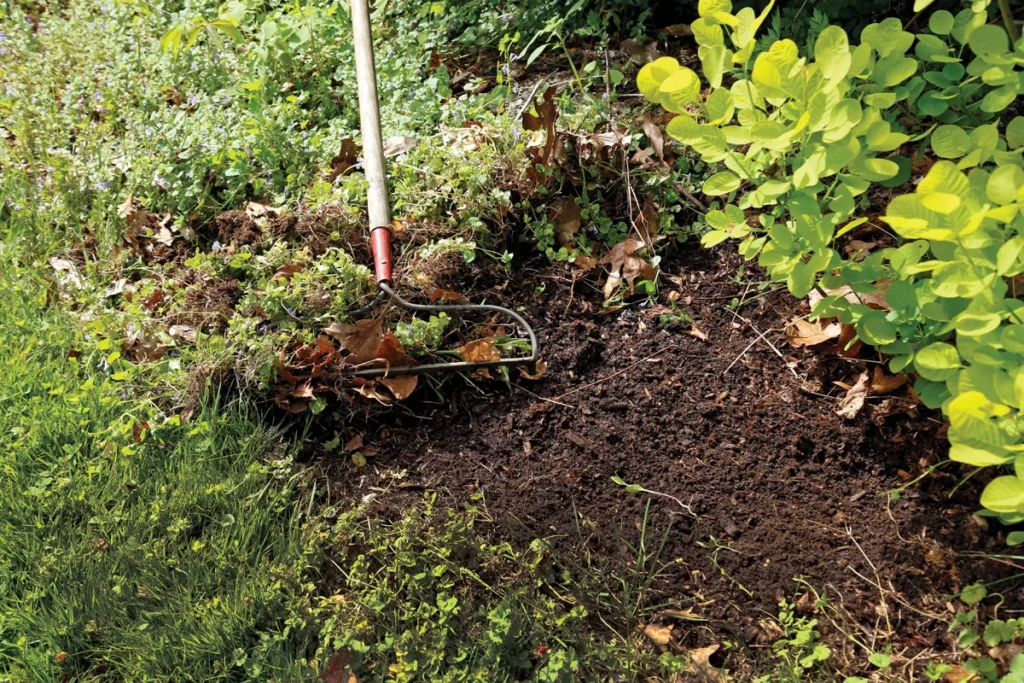
- Mechanical Removal: For large patches, a standard garden rake is surprisingly effective at gathering masses of roots and stems. The key is to be thorough; any node left in contact with the soil will attempt to re-root.
- Preventative Design: Once a patch is cleared, the best defense is a dense, healthy garden. In lawns, this means proper mowing heights and overseeding to ensure grass is thick enough to crowd out invaders. In garden beds, installing physical edging creates a necessary barrier that stops stolons from creeping into mulch and ornamental spaces.
Taproots: The Energy Reservoirs
Taproot weeds act like biological batteries. They store massive amounts of energy in a single, deep root, allowing them to survive drought, mowing, and even partial pulling.

- The Deep Dig: The most effective strategy is the total extraction of the taproot. This is significantly easier when the soil is moist. Using a specialized taproot weeder or a drain spade allows for a deeper, cleaner extraction than hand-pulling, which often snaps the root, leaving the bottom portion intact to sprout again.
- Targeted Herbicide Timing: If you must use a post-emergent herbicide, timing is everything. Applications are most effective in early to mid-fall. During this time, the plant is naturally translocating sugars and energy downward into the taproot for winter storage; the chemical is pulled down along with these nutrients, ensuring a more thorough kill.
The Ecological Approach: Restoring Balance
The philosophy behind modern weed management is shifting away from "eradication" and toward "competition." The goal is not to wipe every weed off the map—a task that is both impossible and environmentally taxing—but to give your desired plants the upper hand.

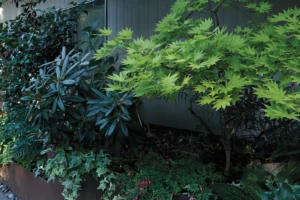
When we focus on building healthy, nutrient-rich soil, we create an environment where desirable plants thrive, naturally filling the ecological niches that weeds would otherwise exploit. This is particularly vital in shade-tolerant scenarios. Many weeds that thrive in low-light conditions are masters of opportunistic growth. By filling these shady gaps with dense ground covers or woodland perennials, you effectively "close the door" on invaders.

Special Considerations: The Aquatic and Wetland Boundary
One of the most critical warnings in contemporary horticulture concerns the management of aquatic and wetland weeds, such as common reed (Phragmites australis) or purple loosestrife (Lythrum salicaria). These plants possess the ability to spread through waterborne seeds and broken fragments, allowing them to dominate sensitive ecosystems with terrifying speed.

Unlike standard garden weeds, aquatic invaders exist within fragile hydrological systems. Many wetlands are legally protected, and unauthorized intervention can result in significant ecological damage or legal penalties. Furthermore, improper removal often accelerates the spread of these species downstream.

Official Recommendations for Aquatic Management:

- Seek Professional Expertise: Contact local conservation commissions or university extension services. They can offer guidance on whether permits are required.
- Use Licensed Professionals: If herbicides are necessary, they must be approved for aquatic use and applied by a licensed professional to prevent contamination of drinking water and harm to fish and amphibians.
- Integrated Management: Often, the best results come from a combination of biological controls (such as specific beetles that predate on loosestrife), hydrologic restoration, and the reintroduction of native aquatic vegetation.
Conclusion: From Reaction to Stewardship
Successful weed management is a transition from reacting to problems to managing an ecosystem. By understanding the life cycles and survival tactics of the weeds in your specific landscape, you can move from a state of constant, exhausting maintenance to one of strategic, long-term balance.

Prevention remains the most powerful tool in the gardener’s arsenal. By keeping soil healthy, maintaining dense plantings, and catching infestations while they are still in their infancy, you can prevent invasive species from gaining a foothold. When you work with the ecology of your garden rather than against it, you spend less time pulling weeds and more time enjoying the vibrant, thriving landscape you have cultivated. The final objective is not a sterile, weed-free void, but a resilient garden that is simply too healthy for opportunists to successfully invade.