Mastering the Light: Why Artificial Lighting is the New Frontier for Food Content Creators

In the competitive landscape of digital food media, the difference between a casual hobbyist and a professional content creator often boils down to one critical element: light. As social media algorithms prioritize high-fidelity visuals and aesthetic consistency, the reliance on unpredictable natural window light is becoming a hurdle for many. To address this, Food Blogger Pro has unveiled its comprehensive "Artificial Lighting for Food Photography" course, a strategic curriculum designed to empower creators to take full control of their visual output, regardless of the time of day or weather conditions.
The Evolution of Food Photography: From Natural to Artificial
For years, the industry standard was "chasing the sun." Food photographers were tethered to north-facing windows, dictated by the movement of the earth and the presence of clouds. While this produced soft, beautiful imagery, it was inherently unsustainable for creators looking to scale their operations or meet strict editorial deadlines.

The shift toward artificial lighting represents a professional maturation of the food blogging industry. By utilizing LED panels and controlled strobe setups, creators can now replicate the "golden hour" at midnight or achieve a crisp, commercial look during the darkest winter months. This transition is not merely about convenience; it is about brand consistency and production efficiency—two metrics that are essential for long-term survival in the creator economy.
Breaking Down the Curriculum: A Systematic Approach
The Food Blogger Pro course is structured to demystify the technical barriers that often intimidate newcomers. The curriculum is divided into four primary pillars, each designed to move the student from conceptual understanding to hands-on execution:
1. Introduction to Artificial Lighting
The course begins by debunking the myth that artificial light is "harsh" or "unnatural." Instructors focus on the physics of light—the way it bounces, diffuses, and interacts with textures like sauce, pastry, or fresh produce. By understanding the fundamentals, creators learn how to manipulate artificial sources to mimic the softness of natural light while maintaining complete control over shadows and highlights.
2. The Hardware Dilemma: Choosing LED Panels
One of the most significant barriers to entry is the vast, often confusing market of lighting equipment. The course provides a masterclass in hardware selection, specifically focusing on LED panels. Students learn about Color Rendering Index (CRI), color temperature (Kelvin), and the importance of flicker-free output—all critical components when shooting high-definition video or high-resolution photography. This module helps creators avoid "gear fatigue," ensuring they invest in equipment that serves their specific needs without breaking their budget.
3. Essential Peripheral Equipment
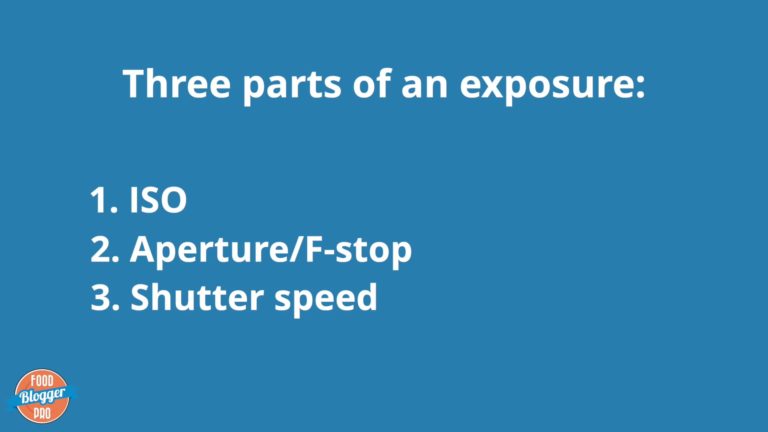
Lighting is rarely just about the source. The course explores the importance of modifiers, such as softboxes, grids, reflectors, and diffusers. This section teaches the "Three Parts of Exposure"—ISO, Aperture, and Shutter Speed—in the context of artificial light. It emphasizes how to balance the intensity of the light with the camera settings to ensure the food remains the focal point while maintaining professional-grade sharpness.
4. Real-World Techniques and Examples
Theory is nothing without application. The final module presents case studies and live demonstrations. By watching experts set up a scene, adjust their lights to emphasize the texture of a crust or the sheen of a glaze, and troubleshoot common issues like unwanted reflections or "hot spots," students gain the confidence to apply these techniques to their own unique culinary styles.
Expert-Led Growth: The Strategy Behind the Success
What sets this training apart is the pedigree of the instructors. Food Blogger Pro is built on a foundation of over a decade of real-world experience. The team behind the platform has successfully scaled food blogs to over 80 million pageviews per year—a testament to their ability to adapt to the industry’s rapid technological shifts.
"We don’t just teach the technical aspects of lighting," says a representative from the Food Blogger Pro team. "We teach the business of content creation. We understand that every minute spent struggling with light is a minute not spent creating, writing, or engaging with an audience. Our goal is to streamline the process so creators can focus on their art."

Philosophy on Learning: The Power of Incremental Progress
The philosophy underpinning these courses is rooted in the concept of "micro-gains." The platform advocates for the idea that consistent, daily progress is far more effective than sporadic, massive efforts. This approach is designed to combat the burnout that frequently plagues the creator space.
By encouraging students to master one element of lighting at a time, the course fosters a sustainable workflow. This is not a "get rich quick" scheme for influencers; it is a rigorous, educational framework designed for those who view food blogging as a long-term professional career. The emphasis is on building a robust foundation that can support years of content creation.

Evidence of Impact: Success Stories from the Community
The effectiveness of these strategies is best reflected in the growth of the community members who have utilized them. Take, for example, Rodney of Hot Rod’s Recipes. By strictly adhering to the technical and strategic guidance provided by Food Blogger Pro, Rodney saw his site traffic skyrocket from 600 monthly views to nearly 45,000.
Similarly, Erin from Erin Bakes highlights how the platform helped her pivot into video content—a format that is notoriously difficult to light correctly. "Food Blogger Pro has been absolutely essential to my growth," Erin notes. "With the training and tools they provide, I started creating videos, and now one of my videos has over 1.3 million views."

These testimonials underscore a crucial reality: when creators combine high-quality educational resources with a disciplined approach to implementation, the results are statistically significant.
The Implications for the Future of Food Media
The shift toward professional-grade lighting marks a turning point in the industry. As the barrier to high-quality production continues to lower, the quality of content across the board is rising. This creates a "rising tide" effect where the consumer expects better imagery, forcing all creators to level up or risk obsolescence.

The decision to invest in a structured course is no longer an optional luxury for the serious food creator; it is a necessity for anyone looking to compete in a saturated market. The "zero risk" model—offering a 60-day, no-questions-asked refund policy—suggests that the platform is confident in the value proposition of its content. It removes the financial anxiety that often holds creators back from investing in their own education.
Conclusion: A Call to Action for Aspiring Creators
The journey from an amateur photographer to a professional food creator is long, but it is made significantly shorter with the right guidance. By mastering artificial lighting, creators gain the independence they need to produce content on their own terms, free from the constraints of the clock or the weather.

As the digital food landscape continues to evolve, the winners will be those who prioritize technical proficiency, embrace continuous learning, and remain consistent in their efforts. Food Blogger Pro provides the tools, the community, and the expert-led curriculum to facilitate this transformation. For those ready to take the next step in their journey, the path is clear: invest in the craft, master the light, and let the results speak for themselves.