Mastering the Mealtime Battle: Proven Strategies for Navigating Toddler Picky Eating
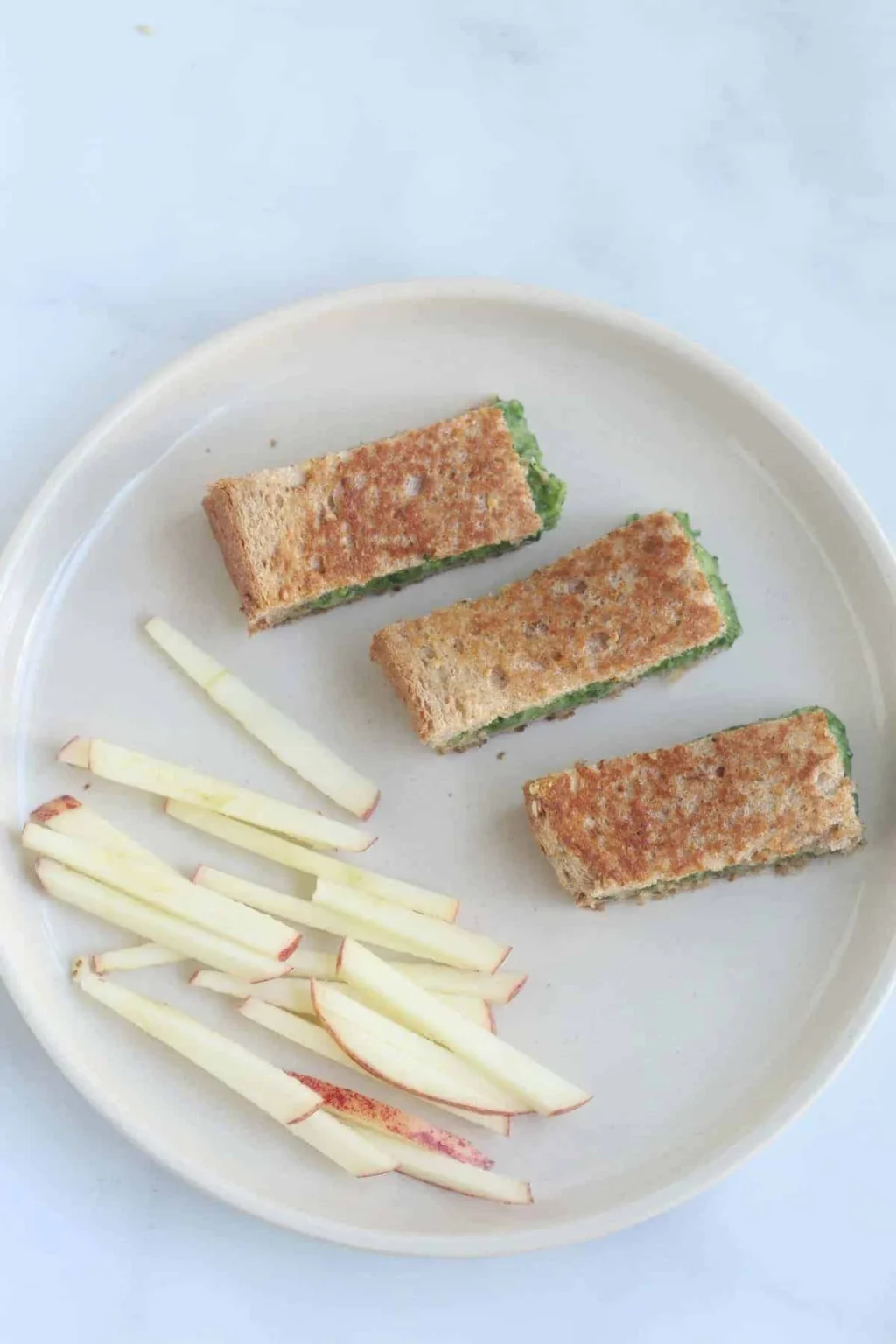
For many parents, the high chair can feel less like a place of nourishment and more like a battlefield. The scene is a familiar one: a carefully prepared, nutrient-dense meal is presented with love, only to be met with a firm "no," a turned-up nose, or a dramatic push of the plate. Picky eating is one of the most common—and stressful—hurdles in early childhood development. However, according to experts at the YTF Community, understanding the underlying mechanics of "normal" toddler behavior is the key to transforming mealtime from a source of anxiety into a manageable, and even pleasant, experience.
The Core Reality of Toddler Nutrition
The first step in mitigating mealtime stress is reframing the definition of a "successful" meal. Parents often fall into the trap of measuring success by the volume of broccoli consumed or the variety of colors on the plate. In reality, pediatric nutritionists emphasize that toddler appetite is erratic by nature. Growth spurts are not linear, and neither is the desire for food.
When parents understand that a toddler’s refusal to eat a specific dinner is rarely a personal rejection of their cooking, the emotional stakes drop significantly. By shifting the focus from "getting them to eat" to "providing a consistent, healthy environment," caregivers can drastically reduce food waste and the financial burden associated with discarding untouched, expensive ingredients.
A Chronological Perspective: The Evolution of Picky Eating
To understand why toddlers become selective, we must look at the developmental timeline:
- The "Sensory Explosion" Phase (Age 1–2): As toddlers gain autonomy, they begin to assert control over their environment. Food is the most immediate way to exercise this new independence. During this period, texture preferences often solidify. A toddler might love the crunch of a cracker but reject the "mushiness" of a steamed vegetable.
- The Neophobia Stage (Age 2–3): This is the peak of food neophobia—the fear of new foods. Biologically, this is an evolutionary survival mechanism. In the wild, young mammals become wary of new plants once they are mobile, as they are no longer under the constant protection of a parent. Modern toddlers, though safe at home, still possess this hard-wired caution.
- The Social Modeling Phase (Age 3–5): As children move into preschool, their eating habits become increasingly influenced by peers and social expectations. This is where the foundation for long-term food relationships is built. Consistency in home-meal routines becomes a stabilizer against the unpredictability of outside influences.
Supporting Data: Why "Pressure" Backfires
Clinical research consistently demonstrates that the "pressure-to-eat" model—coaxing, bribing, or forcing a child to finish their plate—is counterproductive. Data from behavioral nutrition studies suggests that children who are pressured to eat often develop a higher degree of anxiety around food, which can manifest as long-term food aversions.
Conversely, the "Division of Responsibility" model, popularized by experts like Ellyn Satter, suggests that the parent’s only job is to decide what, when, and where food is served. The child’s job is to decide if they eat and how much. This simple, data-backed division removes the power struggle entirely. When the pressure is removed, children are statistically more likely to explore new foods at their own pace, leading to a more diverse diet in the long run.
Expert Strategies for Success
The YTF Community advocates for 20 specific, actionable tips to streamline the feeding process. While individual results may vary, the following approaches represent the gold standard in pediatric dietary management:
1. Focus on "Bridge Foods"
Never serve a completely "scary" meal. Always pair a new or challenging food with a "safe" food that you know your child likes. This provides a safety net that encourages the child to stay at the table and engage with the meal without the fear of going hungry.
2. The Power of "Deconstructed" Meals
Sometimes, the visual complexity of a mixed dish (like a casserole or a stew) is overwhelming. Serving components separately—the protein, the starch, and the veggie—allows the child to see exactly what they are eating, which lowers their sensory alarm bells.
3. Exposure Over Consumption
Change your internal metric of success. If a child touches, smells, or even just tolerates a new food sitting on their plate, that is a victory. It can take up to 15 to 20 exposures to a new food before a toddler is willing to put it in their mouth.
4. Utilize Creative Presentation
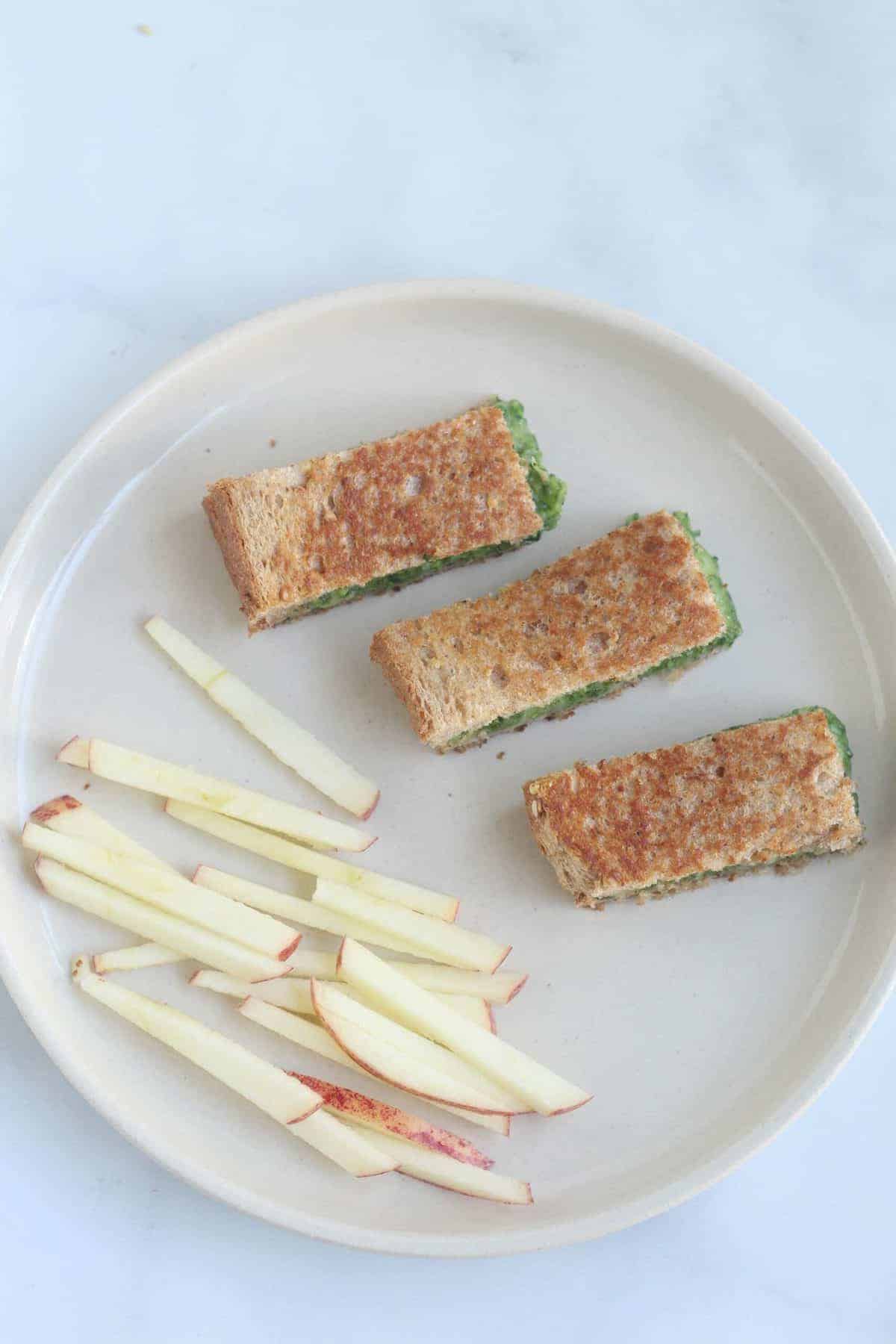
Incorporating nutrients into familiar formats can bridge the gap between "healthy" and "appealing." For example, a Spinach Grilled Cheese takes a universally loved comfort food and sneaks in leafy greens. By using a familiar delivery system (a crispy, melted sandwich), you bypass the initial rejection of the vegetable itself.
Implications for Families
The implications of adopting these strategies extend far beyond the dinner table. When mealtime stress is reduced, the overall household atmosphere improves. Parents report less exhaustion, and children develop a healthier, more intuitive relationship with hunger and satiety.
Furthermore, the economic impact cannot be ignored. By serving smaller portions and relying on flexible, multi-purpose ingredients—such as spinach fillings that work in both grilled cheese and quesadillas—families can minimize the volume of food discarded, stretching their grocery budget further.
The Role of Community and Support
Navigating the complexities of feeding a family is not a task meant to be done in isolation. Communities like the YTF offer a platform for parents to share their challenges, celebrate small wins, and access resources that simplify the logistics of meal planning.
Modern parenting is often characterized by information overload, but the core of feeding remains simple: consistent, predictable, and low-pressure. By moving away from the "short-order cook" mentality and toward a structured, family-inclusive model, parents can foster a positive environment where children learn to enjoy a wide variety of foods.
Conclusion
Picky eating is a phase, not a permanent state of being. By equipping yourself with the right knowledge—understanding the biological reasons behind the behavior, implementing the Division of Responsibility, and focusing on low-pressure exposure—you can reclaim the joy of the family meal. Whether you are serving a simple grilled cheese or a complex dinner, the goal is always the same: to create a foundation of health and happiness that lasts a lifetime.
For those looking to deepen their journey, resources such as custom meal planning, structured shopping lists, and community-led recipe collections can provide the scaffolding needed to turn these abstract concepts into a daily, stress-free reality. Remember, the journey to a healthy eater is a marathon, not a sprint; stay the course, stay calm, and keep the table a place of connection.