Multistate Pathogen Outbreak Linked to Alfalfa Sprouts Sparks Public Health Investigation
By the Food Safety Magazine Editorial Team
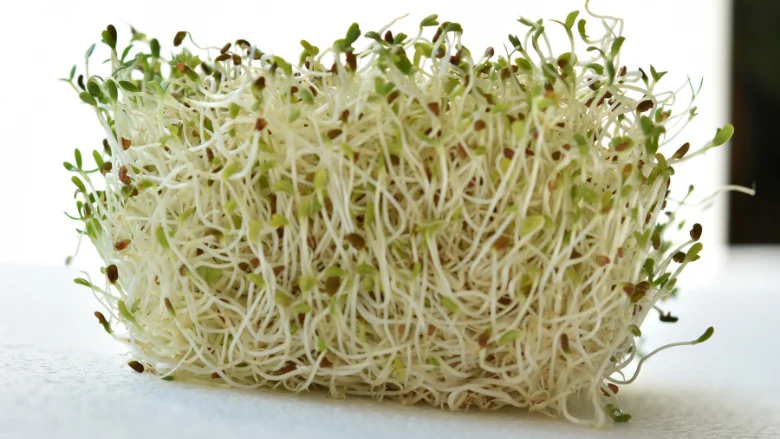
A widespread foodborne illness outbreak involving a complex intersection of multiple pathogens has prompted an urgent public health response across 15 states. As of late August 2026, health authorities are tracking a significant cluster of Shiga toxin-producing Escherichia coli (STEC) and Salmonella infections linked directly to the consumption of contaminated alfalfa sprouts. The investigation has identified Minneapolis-based distributor Everything Sprouts LLC as the focal point of the supply chain breach, triggering recalls and comprehensive federal inspections.
Main Facts: A Dual-Pathogen Crisis
The current outbreak is notable for its biological complexity. Rather than a singular bacterial strain, investigators are grappling with a "cocktail" of pathogens. According to the latest data, 55 individuals have fallen ill after consuming products distributed by Everything Sprouts.
The pathogens identified in this outbreak include three distinct serotypes of STEC—O26:H11, O103:H25, and O168:H8—alongside a strain of Salmonella Agona. The clinical presentation of these cases is equally concerning; while the majority of victims were infected with a single pathogen, at least two individuals have tested positive for coinfection, harboring both E. coli and Salmonella.
This outbreak underscores the inherent risks associated with sprout production. Because sprouts require warm, humid conditions to germinate—the exact environment favored by enteric pathogens—they are frequently cited by the U.S. Food and Drug Administration (FDA) as high-risk commodities. In this instance, the contamination has led to four hospitalizations, though, fortunately, no fatalities have been reported as of this writing.
Chronology of the Outbreak
The timeline of this event stretches back to late spring, with the first documented cases appearing in late May 2026. The progression of the outbreak is summarized below:
- May 31, 2026: The earliest known onset of illness occurred, marking the beginning of the epidemiological curve.
- June–July 2026: As the number of reported cases began to rise, state and local public health agencies across 15 states initiated investigations. These agencies began the labor-intensive process of interviewing patients to determine common dietary exposures.
- August 8, 2026: The final documented illness onset date within the current data set.
- August 19, 2026: Following the identification of a statistical correlation between the illnesses and alfalfa sprouts, the FDA launched an intensive onsite inspection and sample collection operation at the Everything Sprouts facility in Minneapolis.
- Late August 2026: The FDA officially recommended a recall of all products distributed by the firm, specifically naming the "Calco" and "Everything Sprouts" brands.
Supporting Data and Epidemiological Findings
The strength of the link between the sprouts and the illnesses is supported by robust traceback data. When public health officials interviewed 34 of the 55 affected individuals regarding their consumption habits in the days preceding their illness, 26 of them (76 percent) confirmed the consumption of alfalfa sprouts.
The laboratory analysis further solidifies this connection. Genomic sequencing of the samples collected from the patients and the product supply chain has confirmed the presence of the specific STEC and Salmonella strains mentioned above.
Of the 55 total cases:
- 46 cases: Attributed to E. coli infection.
- 7 cases: Attributed to Salmonella infection.
- 2 cases: Attributed to dual infection with both pathogens.
The geographic dispersion of these 55 cases across 15 states indicates a significant distribution footprint, suggesting that the contaminated products reached a wide variety of retail grocery outlets and restaurant supply chains.
Official Responses and Regulatory Actions
The FDA’s response to this outbreak has been swift, focusing on both containment and prevention of further exposure. The agency is currently working in conjunction with state partners to determine the exact origin of the contamination. A critical component of the ongoing investigation involves determining whether the pathogen was introduced during the seed germination process or through subsequent cross-contamination at the packing facility.
The Recall and Consumer Advisory
The FDA has issued a strict advisory to consumers and retailers: do not consume, serve, or sell any alfalfa sprouts marketed under the brands "Calco" or "Everything Sprouts."

Retailers are instructed to pull these products from shelves immediately. Because sprouts often have a relatively short shelf life, many consumers may have already disposed of the product; however, individuals who may have purchased these items and frozen them, or those who frequent salad bars or restaurants that use these specific brands, are urged to exercise extreme caution.
"We are currently investigating the facility and the supply chain to determine the root cause of the contamination," an FDA spokesperson noted. "Our priority is to ensure that no further contaminated product reaches the public, and we are working closely with Everything Sprouts LLC to facilitate a comprehensive recall."
Implications for the Produce Industry
The recurrence of sprout-linked outbreaks poses a persistent challenge for the agricultural and food safety industries. Sprouts are unique in that they are consumed raw, meaning there is no "kill step"—such as cooking—to neutralize pathogens that may be present on the seeds or introduced during the sprouting process.
The Challenge of Pathogen Control
Experts in the field of food safety often highlight that the high moisture and temperature required for sprout cultivation are ideal for microbial growth. Even if seeds are sanitized, it is historically difficult to eliminate all pathogens if the contamination is internalized within the seed coat.
This outbreak serves as a reminder of the importance of the FDA’s Produce Safety Rule, which establishes science-based minimum standards for the safe growing, harvesting, packing, and holding of produce. For sprout growers, these standards are even more stringent due to the high-risk nature of the product. The investigation into Everything Sprouts will likely focus on:
- Seed Quality: Whether the source seeds were contaminated prior to arriving at the facility.
- Sanitation Practices: Whether the equipment and water used for irrigation met regulatory standards.
- Cross-Contamination: Whether facility hygiene protocols were sufficient to prevent the spread of the multiple pathogens found in this outbreak.
Public Health Vigilance
For consumers, this outbreak is a stark reminder of the risks associated with raw sprouts. Public health agencies, including the Centers for Disease Control and Prevention (CDC), have long advised that children, the elderly, and those with compromised immune systems should avoid raw sprouts entirely.
As the investigation continues, the FDA has stated it will release additional information if and when new products or firms are identified as being part of the outbreak. The agency is also analyzing whether other distributors may have received the same lot of contaminated seeds, which could potentially expand the scope of the recall.
Conclusion
As of late August 2026, the situation remains fluid. While the recall of Everything Sprouts products is a significant step, the diversity of the pathogens—STEC and Salmonella—indicates a potentially widespread environmental contamination at the source.
The industry will be watching the findings of the FDA’s inspection closely. For food safety professionals, this case reinforces the need for rigorous supply chain transparency, frequent environmental monitoring, and the maintenance of a robust food safety culture within sprout-growing facilities.
For those who believe they may have fallen ill after consuming alfalfa sprouts, health authorities recommend contacting a healthcare provider and reporting the incident to local or state public health departments. Early reporting is essential for officials to track the spread of the pathogen and prevent further illnesses.
For more information on foodborne illness outbreaks and the latest regulatory updates, readers are encouraged to utilize resources like the Ask FSM AI search tool, which provides rapid, evidence-based data on food safety protocols and historical outbreak analysis.