Natural Allies Against Enlarged Prostate: Cranberries and Pumpkin Seeds Show Promise in Clinical Trials
Washington D.C. – Benign Prostatic Hypertrophy (BPH), commonly known as an enlarged prostate, is a pervasive and often distressing condition affecting millions of men worldwide. Characterized by the non-cancerous enlargement of the prostate gland, BPH can lead to a host of uncomfortable and disruptive lower urinary tract symptoms (LUTS). While conventional medical treatments offer relief, their efficacy is frequently hampered by undesirable side effects and poor patient compliance, sparking a growing interest in natural, dietary interventions. Emerging research highlights the significant potential of everyday foods like cranberries and pumpkin seeds as effective, well-tolerated allies in managing BPH symptoms, offering a glimmer of hope for a better quality of life.
A Pervasive Challenge in Men’s Health
BPH is an age-related condition, with its prevalence increasing dramatically with advancing years. Statistics reveal that over 50% of men in their 50s and at least 70% of men over the age of 60 grapple with an enlarged prostate. This widespread condition significantly impacts the quality of life for affected individuals, often manifesting as burdensome lower urinary tract symptoms. These symptoms include increased urinary frequency, urgency, nocturia (waking up multiple times at night to urinate), a weak or interrupted urine stream, hesitancy in starting urination, and a sensation of incomplete bladder emptying. Beyond the physical discomfort, the chronic disruption to sleep and daily routines can lead to significant psychological distress, impacting overall well-being.
The current medical landscape for BPH treatment primarily involves pharmacological interventions and, in more severe cases, surgical procedures. Alpha-blockers, such as Prazosin and Terazosin, work by relaxing the muscles in the prostate and bladder neck, improving urine flow. Another class of drugs, 5-alpha-reductase inhibitors, aim to shrink the prostate gland itself. When medication fails to provide adequate relief, surgical options like transurethral resection of the prostate (TURP) are considered. While these treatments can be clinically effective, they are not without their drawbacks. Side effects can include sexual dysfunction, dizziness, fatigue, and even, in rare cases, high-grade prostate cancer. Such adverse effects often lead to low compliance rates, as men discontinue medication due to discomfort or dissatisfaction, compromising the long-term efficacy of these interventions. The search for safer, more tolerable, and equally effective alternatives has therefore become a critical area of focus in men’s health research.
The Quest for Natural Alternatives: Dietary Approaches
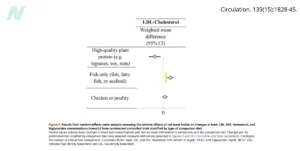
The notion that diet and lifestyle play a crucial role in health and disease prevention is gaining increasing scientific traction. For BPH, population studies have long suggested a link between dietary habits and prostate health. Specifically, a low intake of animal protein coupled with a high intake of fruits and vegetables has been associated with a protective effect against the development and progression of BPH. This isn’t merely about general animal protein reduction; some research indicates that eggs and poultry might be particularly detrimental, alongside refined grains, while surprisingly, no association has been consistently found for red meat or dairy in some studies. These findings underscore the complex interplay between diet and prostate health, pointing towards a more plant-centric eating pattern as potentially beneficial.
The Disappointing Tale of Saw Palmetto
In the realm of natural remedies for BPH, few have garnered as much attention or commercial success as saw palmetto. Derived from the berries of the Serenoa repens palm, saw palmetto extracts have been widely marketed and consumed as a natural solution for enlarged prostate symptoms. Its popularity was fueled by anecdotal evidence and early, less rigorous studies. However, despite its widespread use and the sheer volume of research dedicated to it—more than 30 randomized controlled trials—the scientific consensus has converged on a clear, albeit disappointing, conclusion: saw palmetto has been found to be largely ineffective. This highlights the critical importance of rigorous, placebo-controlled research in validating traditional remedies and separating genuine therapeutic potential from placebo effects or marketing hype. The failure of such a prominent herbal remedy further emphasizes the need for well-substantiated dietary interventions.
Cranberries: A Berry with Ancient Wisdom and Modern Validation
Against this backdrop of limited conventional options and failed herbal remedies, the humble cranberry emerges as a compelling candidate for BPH management, supported by both historical use and modern scientific inquiry.
Historical Roots and Traditional Use
For centuries, Native Americans recognized the medicinal properties of cranberries, utilizing them not only for food but also for a range of ailments, particularly those affecting the urinary system. Their traditional knowledge hinted at the berry’s potential to alleviate urinary discomfort, a wisdom that modern science is now beginning to unravel and validate.
Clinical Trials Uncover Efficacy
The first significant clinical trial investigating cranberries for BPH involved participants consuming approximately a teaspoon (around 3 grams) of powdered whole cranberries daily. It is crucial to distinguish this from the heavily processed, sugary "craisins," which often contain added oils and sugars that detract from the berries’ inherent health benefits. The results were remarkably positive: participants experienced significant improvements across several key metrics, including overall BPH symptoms, their perceived quality of life, and various urination parameters, such as frequency and stream strength. This initial study provided robust evidence for the therapeutic potential of whole cranberry powder.
Further research sought to understand the dose-response relationship, investigating whether smaller amounts could still yield benefits. Studies explored the efficacy of even smaller daily doses, such as a third or a sixth of a teaspoon of cranberry powder. The findings indicated that even these lower doses continued to provide noticeable improvements in BPH symptoms. This suggests that cranberries possess potent bioactive compounds that can exert beneficial effects even at relatively low concentrations, offering flexibility in dietary integration. The data from these studies, often visualized through graphs tracking symptom scores or urination parameters, consistently demonstrate a clear trend of improvement with cranberry supplementation. For instance, comparing the baseline to the daily consumption of one teaspoon of powdered cranberries typically shows a significant reduction in symptom severity over time.
While one of the studies was funded by a supplement company, the product used was pure, straight cranberry powder, devoid of extraneous ingredients. This transparency ensures that the observed benefits can be attributed directly to the cranberry itself, rather than complex formulations. This also implies a practical and cost-effective approach for consumers: rather than relying on potentially expensive supplements, individuals can purchase bulk cranberry powder and easily incorporate it into smoothies, yogurts, or other foods.

It is also worth noting that not all berry-based beverages offer the same benefits. A study specifically testing purple grape juice, for example, found no therapeutic effect whatsoever on prostate issues, underscoring the specific and unique properties of cranberries in this context.
Potential Mechanisms of Action
While the original article doesn’t delve deeply into the mechanisms, the benefits of cranberries for urinary and prostate health are thought to stem from a rich profile of bioactive compounds. Cranberries are abundant in antioxidants, particularly proanthocyanidins (PACs), which have well-documented anti-inflammatory properties. Chronic inflammation is increasingly recognized as a contributing factor to BPH progression. By reducing inflammation within the prostate gland and surrounding urinary tissues, cranberries may help alleviate swelling and pressure, thereby improving urinary flow and reducing discomfort. Furthermore, the compounds in cranberries may help prevent bacterial adhesion to the urinary tract walls, offering a protective effect against urinary tract infections (UTIs), which can often exacerbate BPH symptoms.
Pumpkin Seeds: A Folk Remedy Validated by Science
Beyond cranberries, another seemingly unassuming dietary item has garnered significant scientific attention for its role in prostate health: pumpkin seeds. Like cranberries, pumpkin seeds boast a long history of traditional use, predating modern medicine.
Beyond Flaxseeds: The Power of Pumpkin Seeds
The discussion around seeds and prostate health often includes flaxseeds, which have shown promising results, with some research suggesting a therapeutic efficacy comparable to commonly used drugs, accompanied by only beneficial side effects. Building on this understanding of seed-based nutrition, pumpkin seeds offer another compelling narrative. For centuries, various cultures have employed pumpkin seeds in folk medicine as a remedy for prostate disorders, a testament to their perceived efficacy.
Modern scientific inquiry has begun to substantiate these traditional claims. In vitro studies, conducted in petri dishes, have demonstrated that pumpkin seed extracts can significantly inhibit the growth of BPH prostate cells—in some cases, cutting their proliferation in half. This provides a fundamental scientific basis for their observed benefits, showing a direct impact at the cellular level. Early animal studies, such as those involving the injection of pumpkin seed extracts into rabbits, further explored their biochemical effects, laying the groundwork for human trials.
From Oil to Whole Seeds: Human Clinical Trials
Initial human research often focused on pumpkin seed oil. Studies comparing pumpkin seed oil to conventional alpha-blocker drugs like Prazosin and Terazosin yielded encouraging results, suggesting that the oil could be as effective as these pharmaceutical agents in improving prostate issues. However, a critical limitation in these early trials was the absence of a placebo group, making it difficult to definitively ascertain whether the observed improvements were due to the pumpkin seed oil itself or other factors. The gold standard for clinical research dictates a placebo-controlled design to isolate the true effect of an intervention.
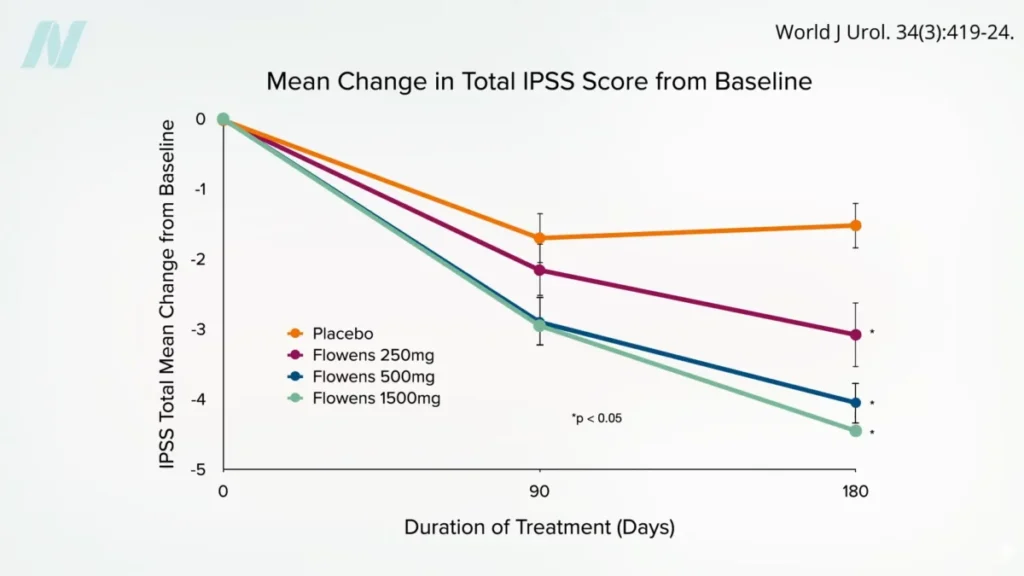
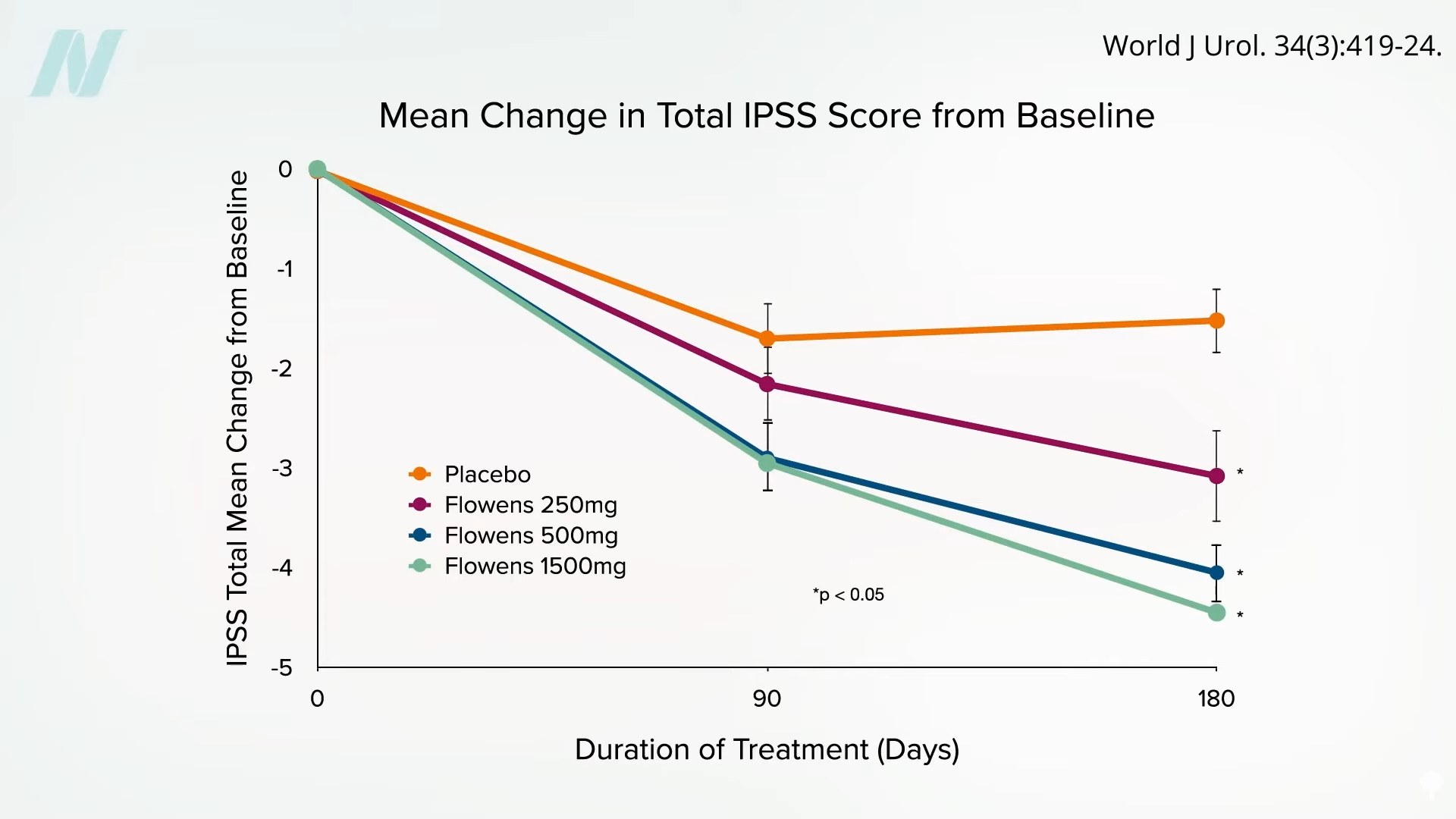
This crucial gap was addressed by a landmark study involving over a thousand men, randomized into three groups: one receiving pumpkin seed extract, another a placebo, and a third consuming approximately one tablespoon (about 7.5 grams) of plain, whole pumpkin seeds daily. This robust, placebo-controlled design allowed for a direct comparison of the different interventions. The results delivered a powerful message: the pumpkin seed extract supplement, surprisingly, showed no significant advantage over the placebo. However, the group consuming plain, whole pumpkin seeds experienced clear and significant improvements in their BPH symptoms. This finding is profoundly important, suggesting that the benefits of pumpkin seeds are not solely attributable to isolated compounds or oils, but rather to the synergistic action of various components present in the whole food. Subsequent research has further supported this, indicating that even oil-free extracts of pumpkin seeds can be effective, reinforcing the idea that multiple bioactive compounds contribute to their therapeutic action.
Mechanisms and Active Compounds
The efficacy of pumpkin seeds is attributed to their rich nutritional profile, which includes a complex array of compounds beneficial for prostate health. They are an excellent source of zinc, a mineral critical for prostate function, with deficiencies linked to prostate enlargement. Pumpkin seeds also contain phytosterols, such as beta-sitosterol, which are plant compounds structurally similar to cholesterol. Phytosterols are known to inhibit the conversion of testosterone to dihydrotestosterone (DHT), a potent hormone implicated in prostate growth. Additionally, pumpkin seeds are rich in antioxidants, lignans (phytoestrogens), and beneficial fatty acids, all of which contribute to their anti-inflammatory and prostate-protective effects. The synergistic action of these diverse compounds in their natural, whole-food matrix appears to be more effective than isolated extracts.
Official Endorsement and Practical Recommendations
The compelling evidence from clinical trials led researchers to conclude that whole pumpkin seeds could be confidently recommended for patients experiencing mild-to-moderate BPH symptoms. This conclusion has been echoed by prominent regulatory bodies. The European equivalent of the U.S. Food and Drug Administration, the European Medicines Agency (EMA), has officially endorsed the use of pumpkin seeds to relieve lower urinary tract symptoms related to an enlarged prostate. However, the EMA emphasizes a critical caveat: this recommendation is for use after more serious conditions, such as prostate cancer, have been ruled out by a medical doctor. This highlights the importance of professional medical diagnosis before embarking on any self-treatment regimen, even with natural remedies.
Broader Implications and Future Directions
The findings on cranberries and pumpkin seeds represent more than just potential new remedies; they signify a broader paradigm shift in understanding and managing chronic conditions like BPH.
The Paradigm Shift Towards Holistic Health
The success of dietary interventions like cranberries and pumpkin seeds underscores the growing recognition of lifestyle and nutrition as fundamental pillars of health. In an era where chronic diseases are on the rise, and conventional treatments often come with trade-offs, there is increasing interest in holistic approaches that empower individuals to take an active role in managing their health through daily choices. For men suffering from BPH, the prospect of managing symptoms with accessible, natural foods that offer additional health benefits and minimal side effects is profoundly appealing. This approach emphasizes patient empowerment and a proactive stance towards health, moving beyond merely treating symptoms to fostering overall well-being.
Integrating Natural Approaches into Clinical Practice
The evidence supporting cranberries and pumpkin seeds presents an opportunity for healthcare providers to integrate these natural options into conventional clinical practice. Instead of viewing dietary interventions as alternatives to medical care, they can be seen as complementary strategies. Physicians can have informed discussions with patients about the benefits of incorporating these foods, especially for those with mild-to-moderate symptoms or those seeking to reduce reliance on pharmaceuticals. This approach could lead to improved patient compliance, better symptom management, and a reduction in the side effects associated with pharmacological treatments. The potential for combination therapies, where dietary changes support and enhance the effects of conventional medicine, offers a promising path forward.
The Importance of Whole Foods
The stark contrast in efficacy between the pumpkin seed extract and whole pumpkin seeds delivers a powerful message about the inherent advantages of whole foods over isolated supplements. Nature’s design often involves a complex synergy of compounds that work together to produce beneficial effects, a synergy that is frequently lost when individual components are extracted and concentrated. This principle extends to many other areas of nutrition and reinforces the long-standing advice to prioritize a diet rich in whole, unprocessed foods. For consumers, this translates to a clear directive: opt for the natural, unprocessed versions of these foods for maximum benefit.
Ongoing Research and Unanswered Questions
While the current research is highly encouraging, further studies are always warranted. Future investigations could delve deeper into the precise mechanisms of action of specific compounds within cranberries and pumpkin seeds, identify optimal dosages for various stages of BPH, and assess their long-term effects on prostate health and overall quality of life. Research could also explore the efficacy of these foods in combination with other beneficial dietary components or conventional treatments.
The "Doctor’s Note" provided in the original article also points to other areas of ongoing research interest, such as the role of flaxseeds in prostate cancer prevention, the broader anti-cancer properties of cranberries, and the potential of cranberry juice to treat bladder infections. These interconnected research streams highlight the multifaceted benefits of these natural foods beyond just BPH.
Conclusion: Empowering Men with Dietary Choices
Benign Prostatic Hypertrophy presents a significant challenge for aging men, with current treatments often leaving much to be desired due to side effects and compliance issues. However, the growing body of scientific evidence, backed by historical wisdom, strongly suggests that readily available dietary components like cranberries and pumpkin seeds offer a promising, well-tolerated, and effective approach to managing its symptoms.
From the teaspoon of whole cranberry powder that significantly improves urinary parameters and quality of life, to the daily tablespoon of plain pumpkin seeds that outperforms synthetic extracts, these natural interventions stand out for their efficacy and minimal risks. While the European Medicines Agency provides official backing for pumpkin seeds, it underscores the importance of medical consultation to rule out more serious conditions.
Ultimately, these findings empower men with accessible, natural choices to support their prostate health. By embracing a diet rich in whole, unprocessed foods like cranberries and pumpkin seeds, men can take proactive steps towards alleviating the discomfort of an enlarged prostate, enhancing their quality of life, and fostering overall well-being. As research continues to unfold, the integration of these dietary allies into mainstream health recommendations holds immense promise for the future of BPH management.