Natural Allies for Prostate Health: Cranberries and Pumpkin Seeds Offer New Hope for BPH Sufferers
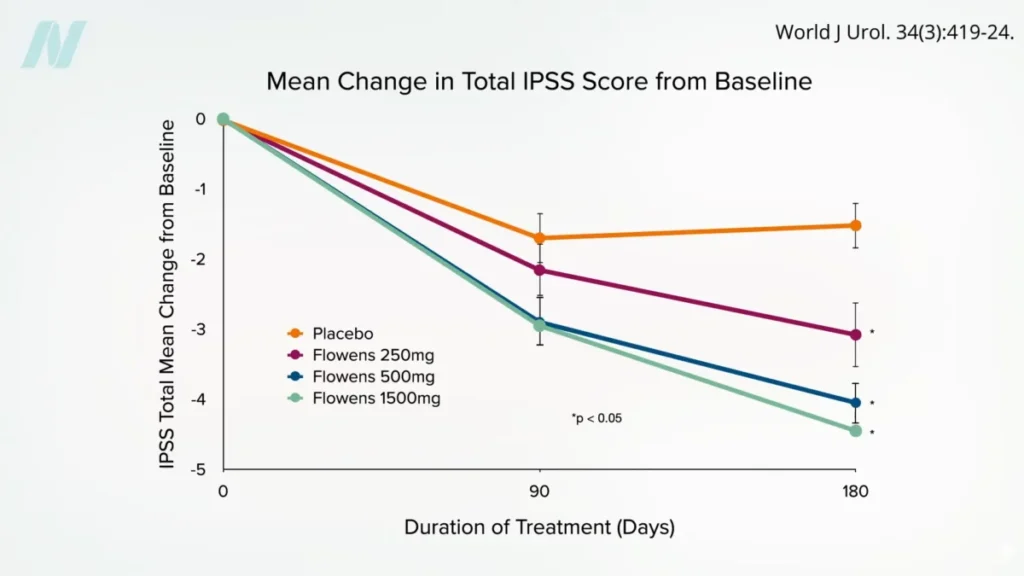
New research highlights the potential of two common dietary staples – cranberries and pumpkin seeds – as effective, natural interventions for benign prostatic hypertrophy (BPH), commonly known as an enlarged prostate. With current medical treatments often hampered by side effects and poor patient compliance, these findings offer a refreshing and accessible alternative for millions of men grappling with this pervasive condition.
Main Facts: A Growing Health Challenge and Promising Solutions
Benign Prostatic Hypertrophy (BPH) represents a significant health concern for aging men worldwide. Affecting over 50% of men in their 50s and an astonishing 70% of those over 60, BPH manifests as an enlargement of the prostate gland, leading to a host of uncomfortable and often debilitating lower urinary tract symptoms (LUTS). These can include increased urinary frequency, urgency, a weak stream, and the particularly disruptive nocturia – the need to wake multiple times at night to urinate.
While conventional medical treatments, such as alpha-blockers and 5-alpha-reductase inhibitors, are clinically effective in managing BPH symptoms, they come with a significant drawback: a range of undesirable side effects. These can encompass sexual dysfunction, dizziness, and even a potential link to high-grade prostate cancer, leading to notoriously low patient compliance rates. When medication fails or is poorly tolerated, surgical procedures like transurethral resection of the prostate (TURP) become the next course of action, carrying their own risks and recovery periods. The search for a gentler, more holistic, and equally effective approach has, therefore, become a pressing priority for both patients and the medical community.
Amidst this landscape, a growing body of scientific evidence is shining a spotlight on the therapeutic potential of common, plant-based foods. Specifically, cranberries and pumpkin seeds, long celebrated for their general health benefits and rooted in traditional medicine, are now undergoing rigorous scientific scrutiny. The results, as detailed in recent randomized controlled trials, suggest that these humble ingredients could offer a powerful, well-tolerated, and highly accessible pathway to alleviate BPH symptoms, improve quality of life, and potentially reduce reliance on conventional pharmaceuticals.
Chronology: From Traditional Wisdom to Scientific Validation
The journey to understanding the role of diet in prostate health is a long one, spanning centuries of traditional knowledge and decades of modern scientific inquiry.
Early Observations and Dietary Links:
For generations, various cultures have recognized the connection between diet and overall well-being, including urinary health. Modern epidemiological studies have further elucidated these links. Population-level research consistently suggests that dietary patterns characterized by a low intake of animal protein and a high consumption of fruits and vegetables may offer protective benefits against BPH. However, these observations are nuanced. Not all animal proteins appear equally detrimental; specifically, eggs and poultry, along with refined grains, have been implicated as potentially exacerbating factors, while red meat and dairy have not shown the same association in some studies. These population-based insights, while valuable, often highlight correlations rather than direct causation, prompting the need for more controlled interventional studies.
The Rise and Fall of "Natural" Remedies:
The desire for natural alternatives to pharmaceutical drugs has fueled the popularity of various herbal supplements. Among these, saw palmetto (Serenoa repens) emerged as a frontrunner, widely marketed and used for prostate health. Its promise was based on its traditional use and initial, often poorly designed, studies. However, rigorous scientific investigation, including more than 30 randomized controlled trials, has systematically debunked its efficacy. Despite its enduring popularity, saw palmetto has been conclusively shown to be no more effective than a placebo in treating BPH symptoms, leading many medical professionals to dismiss it as "totally useless." This highlights the critical importance of subjecting traditional remedies to robust scientific testing before endorsing their widespread use.
Cranberries: A Native American Legacy Meets Modern Science:
The therapeutic journey of cranberries for urinary ailments dates back centuries to Native American medicine. They were traditionally employed to address a range of bladder and kidney issues. However, the scientific validation of these traditional uses for BPH is a relatively recent development. Modern research has moved beyond anecdotal evidence, putting cranberries to the test in controlled clinical settings. These studies, as we will explore, have yielded significant and promising results, demonstrating the tangible benefits of whole cranberries in mitigating BPH symptoms.
Pumpkin Seeds: An Ancient Folk Remedy Reimagined:
Similarly, pumpkin seeds have a rich history in folk medicine across various cultures, where they have been revered for centuries as a remedy for prostate disorders. This ancient wisdom, much like with cranberries, is now being validated by contemporary scientific methods. Initial laboratory investigations demonstrated that compounds within pumpkin seeds could significantly inhibit the growth of BPH prostate cells in a petri dish, effectively cutting their proliferation in half. This intriguing in vitro evidence provided a strong rationale for further investigation in living organisms, paving the way for human clinical trials that would ultimately confirm their therapeutic potential. The progression from traditional use to laboratory observation and finally to human trials exemplifies the rigorous scientific process that underpins the growing acceptance of these natural interventions.
Supporting Data: Unpacking the Evidence for Cranberries and Pumpkin Seeds
The scientific community’s skepticism towards unproven remedies is well-founded, given the history of ineffective supplements like saw palmetto. However, the rigorous research conducted on cranberries and pumpkin seeds presents compelling data that warrants serious consideration.

The Case for Cranberries:
The investigation into cranberries for BPH has moved beyond general urinary tract infection (UTI) prevention, focusing specifically on their impact on prostate enlargement. A pivotal study involved participants consuming a modest amount – approximately a teaspoon a day (around 3 grams) – of powdered whole cranberries. It is crucial to distinguish this from sugary, processed "craisins" or cranberry juice cocktails, which often contain high levels of sugar and other additives that dilute their therapeutic potential. The results were remarkably positive: participants experienced significant improvements across multiple critical metrics, including overall BPH symptoms, their quality of life, and various objective urination parameters such as flow rate and frequency.
Further research explored the dose-response relationship, investigating whether smaller quantities could still be effective. Intriguingly, even a third of a teaspoon or a sixth of a teaspoon of powdered cranberries demonstrated beneficial effects, albeit with varying degrees of improvement compared to the full teaspoon dose. This suggests a broad therapeutic window and indicates that even relatively small, consistent intakes can contribute to symptom relief. While one particular study involved a supplement formulation, it’s important to note that the supplement itself was merely straight cranberry powder. This finding empowers consumers, suggesting that buying bulk, unsweetened cranberry powder and incorporating it into daily routines (like smoothies) can be a cost-effective and equally efficacious strategy.
In contrast to the efficacy of whole cranberries, other natural beverages have been tested with less success. For instance, a study on purple grape juice showed no benefit whatsoever for BPH symptoms, underscoring that not all fruit-based interventions are created equal and highlighting the specific compounds and mechanisms at play in cranberries.
The Power of Pumpkin Seeds:
The scientific journey for pumpkin seeds in BPH treatment mirrors that of cranberries, moving from traditional knowledge to concrete clinical evidence. Beyond their historical use, initial laboratory studies confirmed that pumpkin seed extracts could indeed inhibit the growth of BPH prostate cells in a petri dish, reducing their proliferation by half. Early animal studies, such as injecting pumpkin seed extracts into rabbits, also showed promise, setting the stage for human trials.
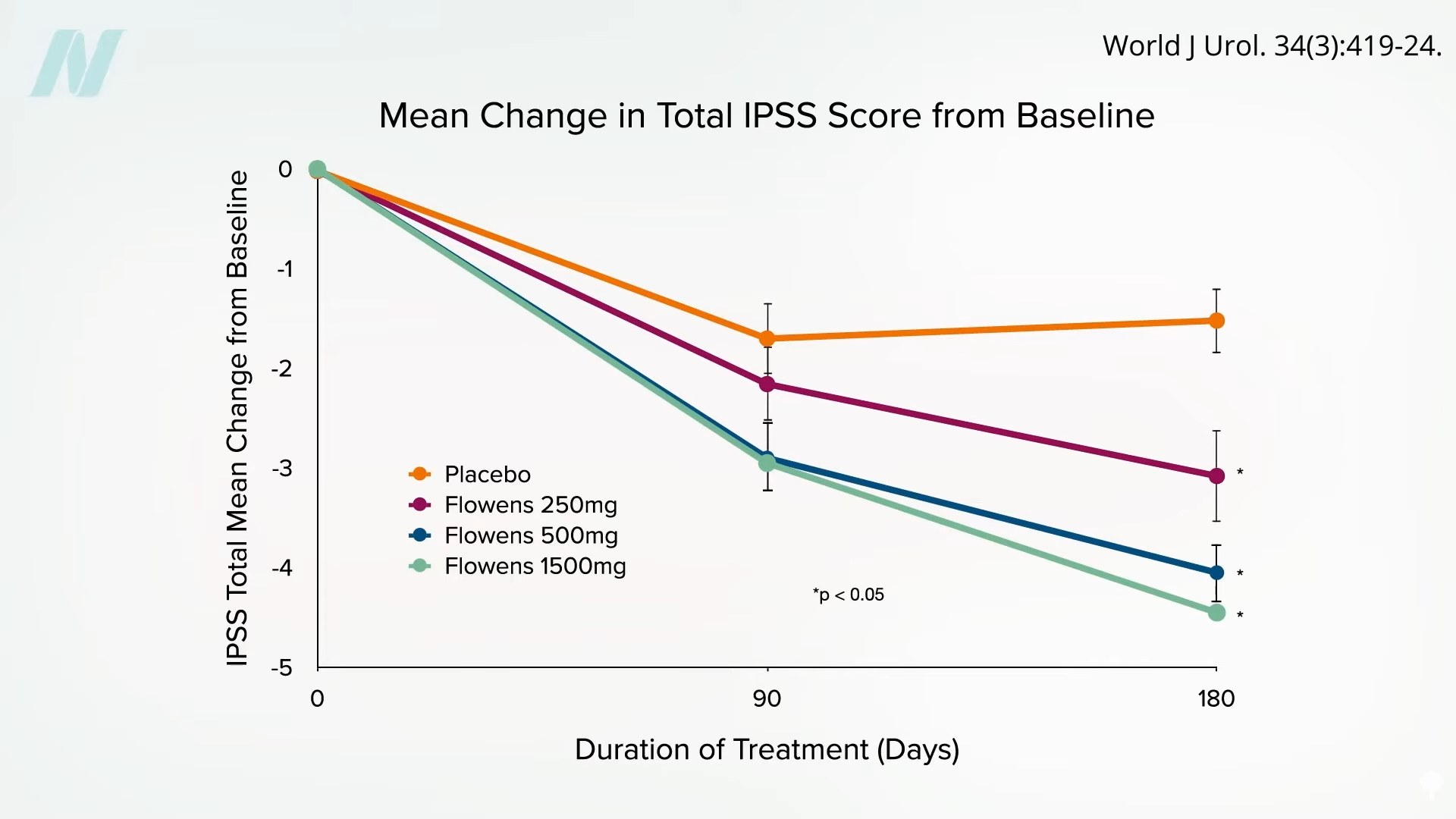
Human clinical trials have since provided robust evidence. One study directly compared pumpkin seed oil to Prazosin, a commonly prescribed alpha-blocker for BPH. The results indicated that pumpkin seed oil performed as effectively as the pharmaceutical drug in alleviating prostate issues. A similar outcome was observed in another trial where pumpkin seed oil went head-to-head against Terazosin, another alpha-blocker. While these head-to-head comparisons against drugs were encouraging, a limitation was the absence of a placebo group, which would have provided a clearer understanding of the absolute efficacy of the pumpkin seed oil itself.
The most comprehensive study to date addressed this gap, randomizing over a thousand men into three groups: a pumpkin seed extract group, a placebo group, and a group consuming approximately a tablespoon a day (about 7.5 grams) of plain, whole pumpkin seeds. This particular study, funded by a drug company interested in their supplement, yielded a critical distinction. The pumpkin seed supplement (extract) performed no better than the placebo, effectively flopping. However, the plain old pumpkin seeds themselves did work, demonstrating significant symptom reduction. This crucial finding suggests that the therapeutic benefits are not solely attributable to isolated compounds that can be extracted into an oil or supplement, but rather to the synergistic effect of the whole seed, or at least a broader range of its constituents. Further research has even indicated that an oil-free extract seemed to work, hinting at non-fat components as key players.
These findings strongly advocate for the consumption of whole pumpkin seeds over potentially less effective extracts or oils, especially those lacking comprehensive clinical validation. The researchers unequivocally concluded that pumpkin seeds could be recommended for patients with mild-to-moderate BPH symptoms, offering a safe and natural dietary intervention.
Other Dietary Considerations:
It’s also worth noting the broader dietary context. Previous research has highlighted the potential of flaxseeds, which may offer a therapeutic efficacy comparable to commonly used BPH drugs, with the added benefit of only positive side effects. This reinforces the idea that a plant-rich diet, abundant in seeds and fruits, plays a multifaceted role in prostate health. The negative association with eggs, poultry, and refined grains in population studies further emphasizes the importance of a holistic dietary approach for BPH management.
Official Responses: Growing Recognition and Medical Endorsement
The compelling scientific data on pumpkin seeds has not gone unnoticed by regulatory bodies. The European Medicines Agency (EMA), the European equivalent of the U.S. Food and Drug Administration (FDA), has officially acknowledged and endorsed the therapeutic use of pumpkin seeds.
Their assessment report concludes that Cucurbita pepo L. semen (pumpkin seeds) can be used "to relieve lower urinary tract symptoms related to an enlarged prostate after more serious conditions have been ruled out by a medical doctor." This official endorsement from a reputable regulatory body signifies a significant milestone. It moves pumpkin seeds beyond the realm of mere folk remedy or unproven supplement into the sphere of recognized herbal medicinal products, contingent upon a medical diagnosis and exclusion of more severe pathologies.
This recognition by the EMA provides a crucial validation for both healthcare practitioners and patients. It offers a framework within which pumpkin seeds can be recommended as a credible part of a BPH management strategy, especially for mild-to-moderate cases. While the FDA in the United States has not issued a similar blanket endorsement, the growing body of evidence, coupled with international regulatory acceptance, is likely to increase discussions and recommendations for these natural interventions within the American medical community. The emphasis on consulting a medical doctor to rule out more serious conditions (like prostate cancer) before relying solely on dietary interventions remains paramount.
Implications: A New Paradigm for Prostate Health
The research on cranberries and pumpkin seeds presents significant implications for the management of BPH, offering a paradigm shift towards integrating evidence-based natural interventions into mainstream care.
For Patients: Empowerment Through Dietary Choices:
Perhaps the most immediate implication is the empowerment of patients. For men struggling with BPH symptoms, particularly those averse to medication side effects or surgical options, these findings offer a tangible, accessible, and often more palatable alternative. Incorporating whole powdered cranberries into smoothies or oatmeal, and snacking on or adding plain pumpkin seeds to meals, can become simple yet powerful daily habits. This approach not only addresses BPH symptoms but also aligns with broader dietary recommendations for overall health, potentially offering benefits beyond prostate issues. The low cost and minimal risk associated with these dietary interventions make them particularly attractive. However, it is crucial that patients consult their healthcare providers before making significant changes to their BPH management plan, especially to ensure proper diagnosis and to rule out other, more serious conditions.
For Healthcare Providers: Expanding the Treatment Arsenal:
For physicians, these studies provide a scientific basis to confidently recommend cranberries and pumpkin seeds as adjunctive or even primary treatments for patients with mild-to-moderate BPH, particularly when initial diagnoses have excluded more severe conditions. Integrating dietary recommendations into patient consultations can enhance patient satisfaction and compliance, addressing the very issues that plague conventional pharmaceutical treatments. This also encourages a more holistic view of patient care, where lifestyle and nutrition are seen as integral components of managing chronic conditions.
For Research: The Path Forward:
While the current findings are compelling, they also illuminate areas for future research. Larger, long-term, placebo-controlled trials comparing whole food interventions (cranberries, pumpkin seeds, flaxseeds) directly against pharmaceutical drugs and placebo would further solidify their standing. Investigating the specific bioactive compounds within these foods and their precise mechanisms of action could lead to targeted therapies. Understanding optimal dosages and combinations, as well as the effects on different BPH phenotypes, will also be critical. The distinction between whole foods, extracts, and oils needs further clarification across various studies to provide definitive guidance on the most effective forms of consumption.
Broader Dietary Shift and Preventive Potential:
Beyond direct treatment, these findings reinforce the profound impact of diet on chronic disease prevention and management. The consistent evidence linking plant-rich diets and specific plant foods to better prostate health underscores the importance of a holistic nutritional approach. Promoting the consumption of fruits, vegetables, and seeds, while reducing the intake of potentially inflammatory foods like refined grains, poultry, and eggs, could not only help manage existing BPH but also potentially reduce its incidence in younger populations. This perspective advocates for a preventive strategy, where healthy eating habits are cultivated early in life to mitigate future health challenges.
In conclusion, the scientific validation of cranberries and pumpkin seeds as effective dietary interventions for benign prostatic hypertrophy marks a significant step forward. By offering a natural, well-tolerated, and accessible means to alleviate symptoms and improve quality of life, these findings empower patients and provide healthcare professionals with valuable tools to expand their approach to prostate health. As research continues to unfold, these humble foods are poised to play an increasingly prominent role in the comprehensive management of BPH, ushering in a new era where dietary wisdom and scientific rigor converge for better health outcomes.
Doctor’s Note
For those interested in exploring related topics, here are some additional resources:
- The potential of flaxseeds in prostate health is discussed in Flaxseeds vs. Prostate Cancer.
- To learn more about cranberries’ broader anti-cancer properties, watch Cranberries vs. Cancer.
- For insights into cranberries’ role in preventing bladder infections, see Can Cranberry Juice Treat Bladder Infections?.