Navigating the Challenges of Modern Family Feeding: Travel, Dining Out, and Summer Efficiency
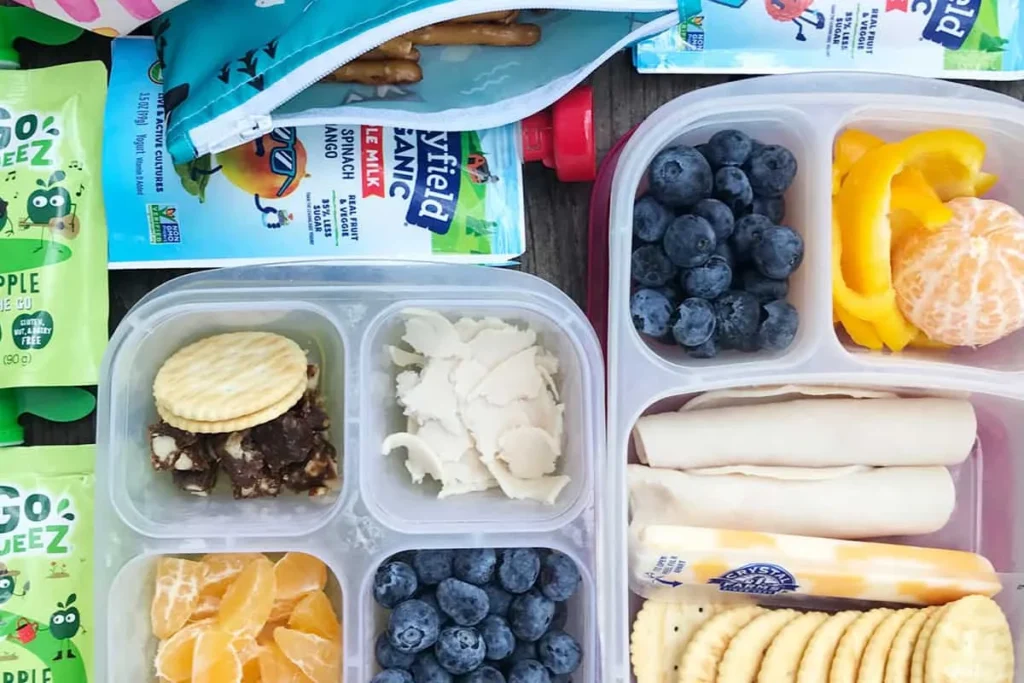
As the seasons shift and families gear up for travel, vacations, and the inevitable shift in household routines, the mental load of feeding children often intensifies. Parents are frequently faced with a trifecta of logistical hurdles: keeping kids nourished during transit, maintaining composure and nutrition while dining at restaurants, and managing the kitchen during the sweltering heat of summer.
At the YTF Community, we have seen a significant surge in inquiries regarding these specific pain points. To provide clarity and actionable advice, we have synthesized the most common reader concerns into a comprehensive guide on navigating these seasonal feeding challenges.
Main Facts: The Triple Challenge of Summer Nutrition
Feeding a toddler or young child is rarely a static task; it is a dynamic process that must adapt to the environment. Currently, three primary issues dominate the discourse among parents:
- The Quest for Mess-Free Transit: Travel inherently involves confined spaces—whether in a car, train, or airplane—where spills and crumbs are amplified. The goal is to maximize satiety while minimizing the cleanup burden.
- The Restaurant Conundrum: Dining out with toddlers often leads to a "menu fatigue" where parents feel forced to choose between unhealthy, overly processed children’s menu items or the logistical nightmare of bringing packed food.
- Summer Kitchen Fatigue: High temperatures and the desire to enjoy seasonal produce create a paradox. Parents want to serve fresh, local vegetables and fruits, but the prospect of standing over a hot stove during a heatwave is unappealing.
These challenges are not merely about food; they are about maintaining parental sanity and ensuring that family time remains enjoyable rather than stressful.
Chronology: Understanding the Shift in Feeding Needs
The evolution of family feeding needs generally follows the rhythm of the calendar.
- Early Spring: Parents begin shifting their focus from "cozy" indoor comfort foods to planning for upcoming travel. This is the period of preparation, where parents seek out storage solutions and portable snacks.
- Late Spring (The Transition): As temperatures rise, the "heat-mitigation" phase begins. The interest shifts from long-term meal planning to "low-heat" cooking methods such as salads, chilled soups, and grill-based meals.
- Summer Peak: This is the height of the season, where the intersection of school breaks, travel, and increased social outings makes the "on-the-go" diet the primary focus.
The current discourse reflects this cycle, as families look to bridge the gap between their desire for high-quality nutrition and the realities of a hectic, nomadic lifestyle.
Supporting Data: Why Parents Struggle
According to informal surveys within the YTF Community, over 65% of parents identify "meal cleanup" as the primary deterrent to trying new recipes during the summer months. Furthermore, nearly 50% of parents express guilt or anxiety when they rely on convenience foods for travel.
The data suggests that the barrier is rarely a lack of interest in healthy eating, but rather a lack of "low-friction" systems. When the process of preparing a meal—or cleaning up after one—becomes too labor-intensive, the likelihood of reverting to highly processed, low-mess convenience snacks increases, regardless of the parents’ nutritional goals.
Official Perspectives: Shifting the Paradigm
Experts in pediatric nutrition suggest that the "all-or-nothing" approach to healthy eating is the greatest enemy of consistency.
- The Travel Perspective: Nutritionists emphasize that travel is a temporary state. The priority should be "good enough" nutrition—focusing on food groups like protein and fiber that provide sustained energy, rather than worrying about a perfect, balanced meal at every hour of the journey.
- The Dining Out Perspective: Behavioral specialists often recommend treating restaurants as an opportunity for exposure. Rather than defaulting to the kids’ menu, which often lacks nutritional variety, experts suggest sharing small portions from the main menu or bringing a "safety net" snack that the child is guaranteed to eat, thereby reducing the stress on the parents.
- The Summer Cooking Perspective: Culinary experts advocate for "Assembly Cooking" during the summer. This involves buying pre-prepped ingredients or focusing on raw, fresh produce that requires assembly rather than heat. This shift preserves the nutritional value of summer bounty while keeping the kitchen temperature low.
Implications: Managing the Mental Load
The implications of these feeding challenges extend far beyond the plate. When parents are stressed about their children’s intake during travel or dining, it affects the quality of the family experience.
Developing a "Travel-Ready" Mindset
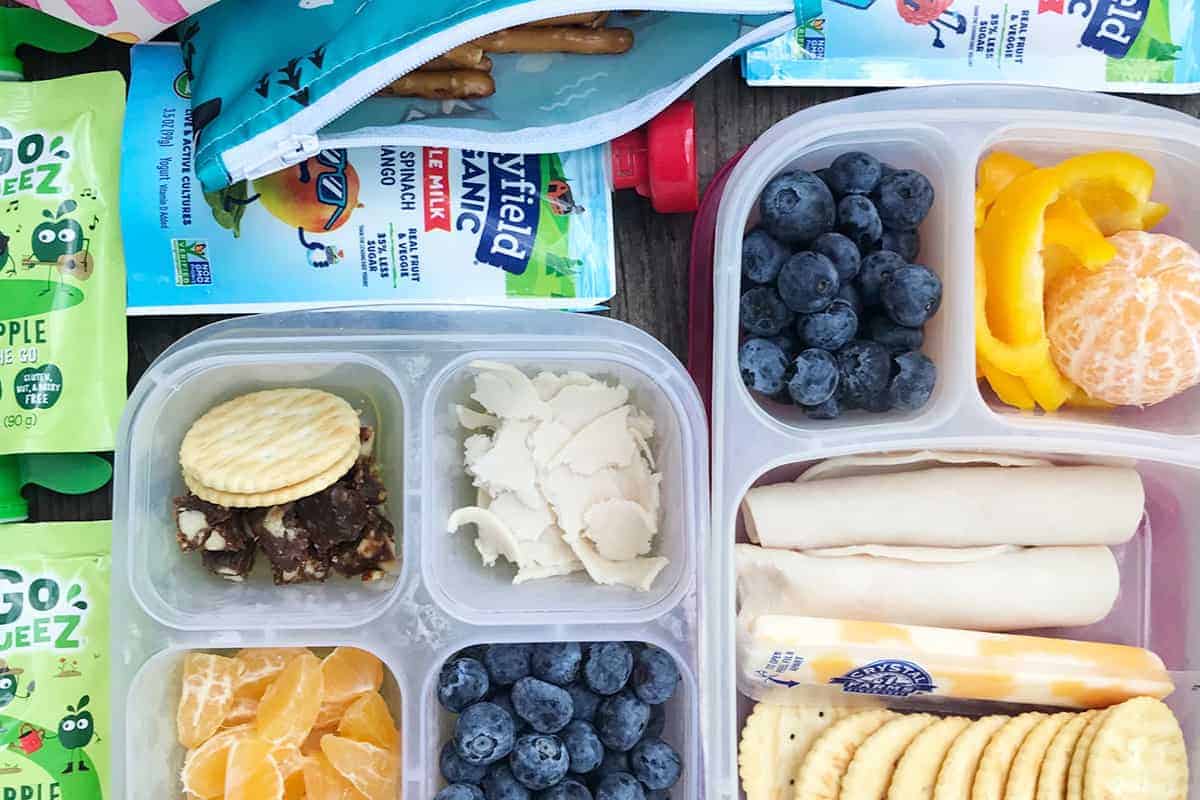
To mitigate the stress of travel, parents should prioritize "dry" snacks. Foods like freeze-dried fruits, dry cereal, low-sugar granola bars, and sliced cheese that has been properly chilled are staples that offer satiety without the risk of significant messes. Investing in high-quality, spill-proof containers is not just a convenience; it is a necessity for reducing the "cleanup anxiety" that often prevents parents from allowing kids to eat independently during travel.
Reimagining the Restaurant Experience
When dining out, consider the "Appetizer Strategy." Many restaurant appetizers offer more variety and smaller, more manageable portions for toddlers than the standard "chicken fingers and fries" kids’ menu. By normalizing the sharing of food from the main menu, parents can encourage children to explore new flavors in a low-pressure environment.
The Summer "No-Heat" Protocol
Summer cooking does not have to be an ordeal. The strategy here is twofold:
- Embrace the Grill: Cooking outdoors keeps the heat out of the house.
- Focus on Cold Prep: Utilize the abundance of summer produce—tomatoes, cucumbers, stone fruits, and berries—to create "no-cook" meals. A simple salad with protein, such as rotisserie chicken or canned chickpeas, can serve as a complete dinner that honors the season without requiring a stove.
Conclusion: A Community Approach
Feeding our families is a lifelong practice, one that is subject to the changing tides of our environments. Whether you are navigating a long-distance flight with a toddler or simply trying to get dinner on the table during a 90-degree evening, the goal is progress, not perfection.
At the YTF Community, we believe that sharing these challenges is the first step toward overcoming them. By leveraging collective wisdom—such as meal plans that account for seasonal produce or tips for managing restaurant dining—we can move away from the stress of feeding and toward the joy of connecting over a shared meal, no matter where we find ourselves.
For those who wish to dive deeper into these strategies, our paid subscription provides access to customizable weekly meal plans, detailed guides on managing the picky eating that often accompanies travel, and an interactive space to discuss these hurdles with a community of like-minded parents. While our free content will always be available to provide foundational support, our community-driven resources are designed to provide the tactical tools necessary to make these transitions seamless.
Remember, the goal of feeding is not just to fill a belly, but to build a foundation of healthy habits—and that foundation can be built on a road trip, at a restaurant, or on a simple picnic blanket in the backyard. Embrace the flexibility, prioritize your own peace of mind, and enjoy the summer season.