The Evolution of the Digital Nomad: How Coliving Spaces Like Outsite are Redefining Remote Work
For the modern digital nomad, the romanticized image of working from a sun-drenched beach with a laptop often collides with the gritty reality of unstable Wi-Fi, ergonomic nightmares, and the profound isolation that comes with long-term solo travel. Balancing the urge to explore new horizons with the necessity of maintaining professional productivity has long been the "holy grail" of the remote work movement.
For years, this balance was attempted through a patchwork of hit-or-miss solutions: the cramped corner of a hostel common room, the quiet but lonely solitude of a library, or the gamble of an Airbnb rental where "high-speed internet" is a subjective term. However, the post-pandemic surge in remote work has catalyzed a new infrastructure: the rise of professional coliving and coworking hybrids. Among these, Outsite has emerged as a leader, offering a blueprint for how professionals can sustain a global lifestyle without sacrificing their careers or their sanity.
Main Facts: What is Outsite?
Founded in 2015, Outsite began with a modest mission in Santa Cruz, California: to provide a space for surfers and professionals to work and play in tandem. Nearly a decade later, the platform has evolved into a global network of over 50 properties, serving a community of more than 5,000 members.
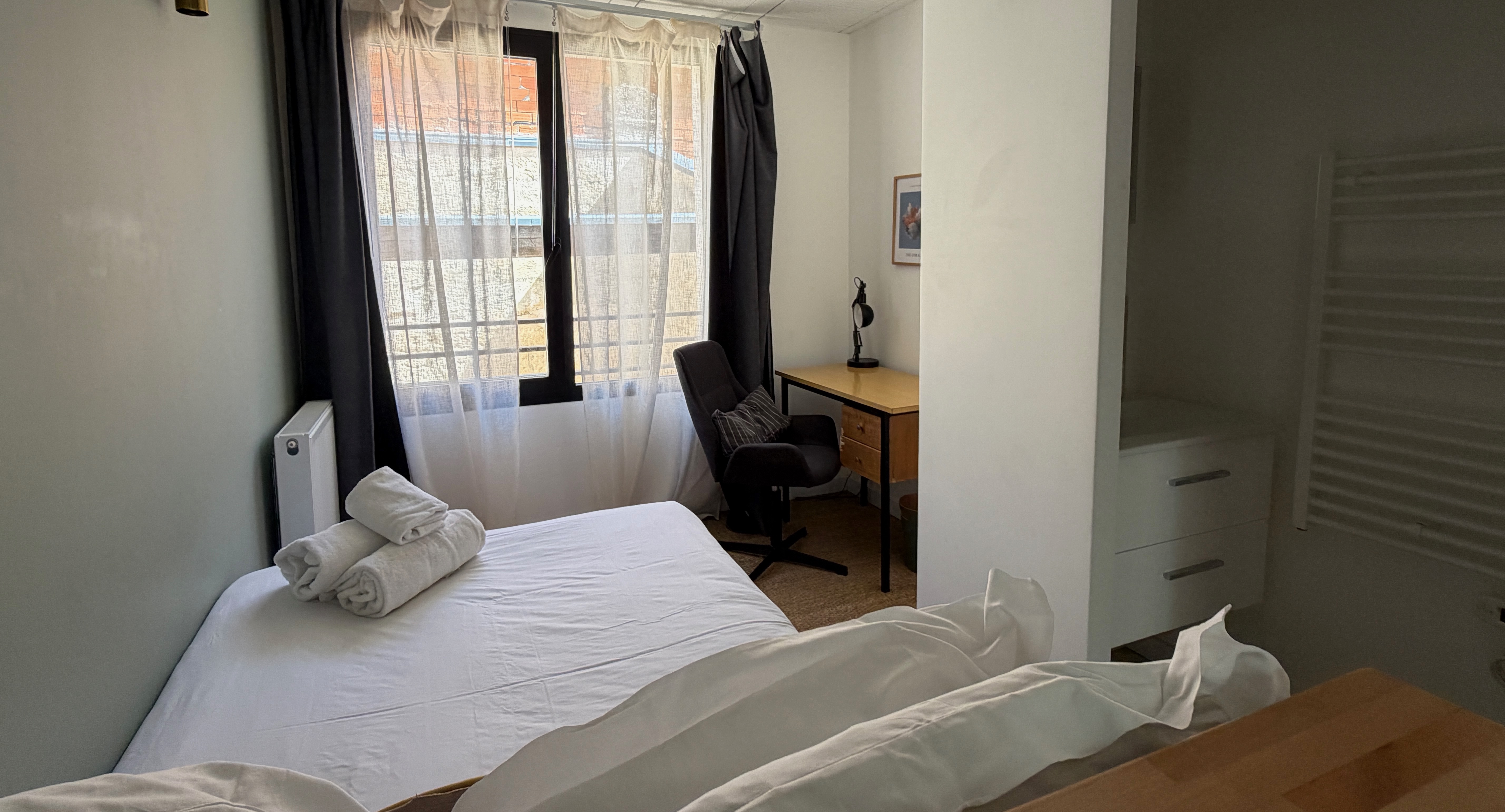
At its core, Outsite functions as a curated bridge between a boutique hotel and a dedicated office space. Unlike traditional accommodations, every Outsite property is engineered for "deep work." This includes enterprise-grade, reliable Wi-Fi, ergonomic furniture, and dedicated desks—essential amenities that most short-term rentals fail to provide.
The platform operates on a membership model, though it remains accessible to non-members. An annual membership ($199) or lifetime access ($499) unlocks significant perks, including discounted nightly rates, access to members-only locations, priority booking, and specialized lifestyle benefits.

Chronology: From Surf Shack to Global Network
The journey of Outsite mirrors the broader trajectory of the remote work revolution.
- 2015: Outsite launches in Santa Cruz, focusing on a niche market of active, location-independent professionals.
- 2018–2019: As the concept of the "digital nomad" gains mainstream traction, Outsite begins expanding into major metropolitan hubs and secondary cities, moving beyond beach-centric locations.
- 2020–2022: The global pandemic forces a paradigm shift. As millions transition to remote work, the demand for "work-from-anywhere" infrastructure skyrockets. Outsite scales its operations, prioritizing locations that offer a blend of community and safety.
- 2023–Present: The platform consolidates its reputation by standardizing the "coliving experience," focusing on high-end design, community management, and consistent, high-speed connectivity across all its global sites.
Supporting Data: The Economics of Coliving
One of the most common criticisms leveled against platforms like Outsite is the perceived price point. To the budget-conscious traveler accustomed to $15-a-night hostel dorms, Outsite may seem expensive. However, a granular analysis of costs reveals a different narrative.
When a remote worker rents an independent apartment, they must factor in not only the nightly rate but also the hidden costs of productivity. Renting a high-quality desk at a local coworking space can cost between $200 and $400 per month. Add in the cost of high-speed internet upgrades, laundry services, and the time lost searching for a "quiet" cafe, and the total cost of an Airbnb-plus-coworking setup often eclipses the all-in cost of an Outsite stay.
Outsite bundles these costs: high-speed Wi-Fi, ergonomic workspaces, fully equipped kitchens, and community events are baked into the price. For the professional who bills their time at a high hourly rate, the cost of a "lost afternoon" due to bad internet is far greater than the nightly premium of a dedicated coliving space.
The Community Pillar: Beyond the Desk
The most significant differentiator for Outsite is the social infrastructure. Remote work is often characterized by a lack of peer engagement, which can lead to burnout. Outsite mitigates this by integrating a "Community Manager" at every location.
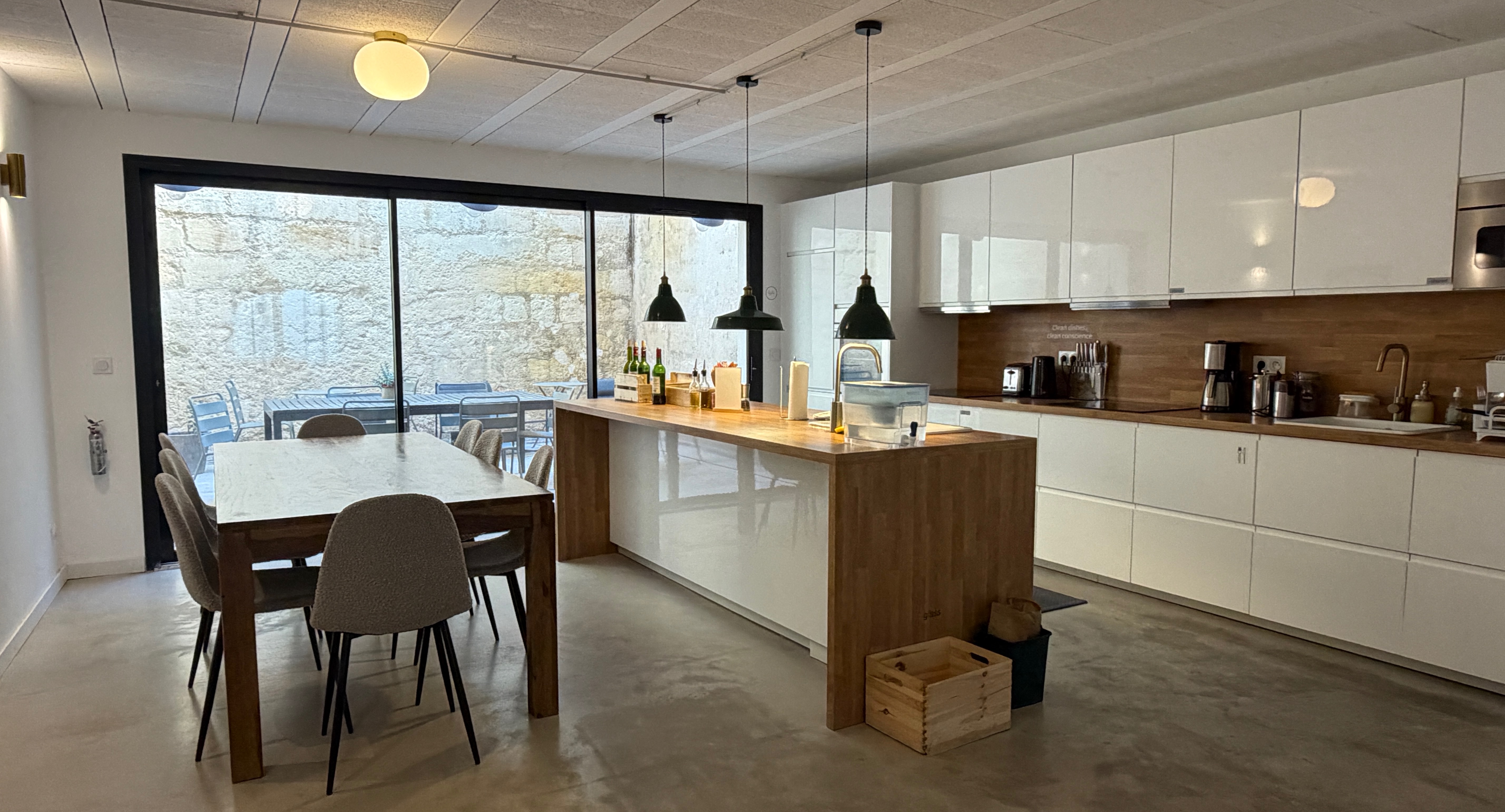
During a recent stay at an Outsite property in Bordeaux, France, the value of this curation became clear. The Community Manager served not just as a host, but as a local facilitator. Before arrival, guests are integrated into a digital communication channel (WhatsApp), allowing them to connect with fellow nomads. Once on-site, the environment is intentionally social. Weekly activities—ranging from group dinners and wine tastings to yoga sessions—are designed to foster organic connections.
This environment attracts a specific demographic: professionals in their late 20s, 30s, and 40s. Unlike a party-centric hostel, the vibe here is one of professional collaboration. Guests are there to work, but they are also there to build a network of like-minded peers who understand the unique challenges of the lifestyle.
Official Responses and Operational Standards
While Outsite operates with a "boutique" feel, its operational standards are rigorous. The houses are cleaned daily, and the kitchens are designed for long-term stays, featuring high-end appliances that far exceed the capabilities of standard vacation rentals.
Regarding policies, Outsite maintains strict standards to ensure the environment remains conducive to productivity:
- Pets: Generally prohibited to maintain the cleanliness of shared communal spaces and address potential allergies.
- Minimum Stays: While many locations allow for two-night weekend pop-ins, certain markets with complex housing regulations (such as New York City) require 30-day minimum stays.
- Age Requirements: While there is no upper age limit, the professional nature of the spaces attracts a more mature, career-oriented demographic, ensuring a peaceful atmosphere.
Implications for the Future of Work
The rise of platforms like Outsite signals a fundamental shift in how we perceive the workplace. We are moving away from the era where "the office" was a physical building owned by an employer. Instead, the office is becoming a fluid concept—a space that can be moved, adapted, and shared.
For companies, the rise of coliving is a double-edged sword. While it offers employees the freedom to travel, it also necessitates a new approach to data security and asynchronous management. For the individual, however, the implications are overwhelmingly positive. It allows for a life of "slow travel," where a person can spend a month in Bordeaux or Lisbon, contributing to the local economy and building a global professional network, without falling behind on their professional obligations.
Conclusion: Finding Your Tribe
The struggle to balance productivity and travel is a challenge that many digital nomads face, but it is no longer an insurmountable one. By choosing spaces that prioritize the infrastructure of work—reliable internet, ergonomic furniture, and a community of peers—professionals can finally bridge the gap between their wanderlust and their career ambitions.
Staying at an Outsite location is more than just booking a room; it is an investment in a sustainable lifestyle. Whether you are a freelance designer, a remote software engineer, or an entrepreneur, the ability to walk into a house in a foreign country and find a desk that feels like your own is the ultimate luxury.
As the remote work movement continues to mature, the tools we use to support it will continue to evolve. For now, however, the model of professional coliving represents the gold standard for those who refuse to choose between seeing the world and building a successful career.
Essential Tips for Your Remote Work Journey
- Book Well in Advance: The most popular Outsite locations—particularly in high-demand European cities or coastal retreats—can book up months in advance, especially during peak seasons.
- Leverage the Membership: If you plan on traveling for more than a few weeks a year, the $199 annual membership is almost guaranteed to pay for itself through member-only rates and discounts.
- Prioritize Community Events: The real value of a coliving space is the people you meet. Participate in the organized events to avoid the isolation that can easily set in when working remotely.
- Utilize Travel Tools: When planning your transit, use platforms like Skyscanner to optimize your flight costs. For activities once you arrive, Get Your Guide remains an excellent resource for finding professional, curated experiences that can help you get to know a new city quickly.
For those looking to master the financial side of this lifestyle, check out resources on travel credit cards, which can help offset the cost of flights and accommodation, making your remote work journey more sustainable in the long run.