Senate Confirms Dr. Erica Schwartz as CDC Director: A New Chapter Amidst Federal Restructuring
By the Food Safety Magazine Editorial Team
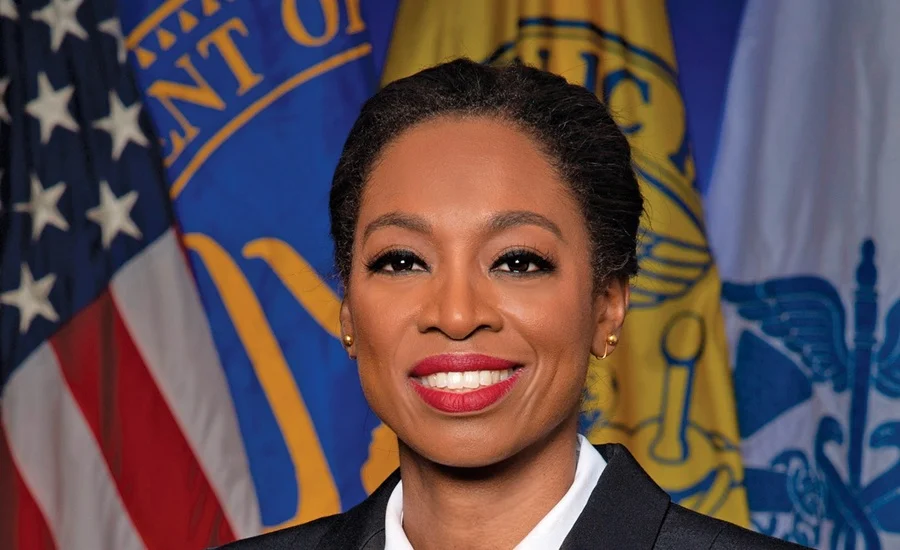
In a narrow 51–44 vote on August 5, the U.S. Senate confirmed Erica Schwartz, M.D., J.D., M.P.H., as the Director of the U.S. Centers for Disease Control and Prevention (CDC). This landmark confirmation concludes a year-long leadership vacuum at the nation’s premier public health agency, a period marked by unprecedented turnover, intense political friction, and significant organizational downsizing. Dr. Schwartz, who previously served as the Deputy Surgeon General during the first Trump administration and as Chief Medical Officer for the U.S. Coast Guard, now assumes command of a public health infrastructure that is significantly leaner and facing complex challenges.
Her arrival comes at a critical juncture. The agency is currently grappling with a widespread, multistate outbreak of cyclosporiasis—an investigation involving the CDC, the Food and Drug Administration (FDA), and various state health departments—alongside a concerning national surge in measles cases. These health crises are compounded by the fallout from the 2025 "reduction-in-force" (RIF) initiatives, which saw the CDC’s total workforce slashed by nearly 25 percent.
The Path to Confirmation: A Turbulent Senate Hearing
Dr. Schwartz’s journey to the helm of the CDC was anything but smooth. Her confirmation hearing before the Senate Health, Education, Labor, and Pensions (HELP) Committee served as a microcosm of the current national debate surrounding federal health policy and scientific independence.
During the contentious proceedings, Democratic lawmakers zeroed in on the potential for political interference in public health guidance. Specifically, senators questioned whether Dr. Schwartz would possess the autonomy to resist administration directives that might restrict access to life-saving vaccines or undermine public confidence in established medical science.
When pressed on whether she would oppose potential mandates or policy shifts aimed at curbing vaccine distribution, Dr. Schwartz maintained a diplomatic, albeit cautious, stance. She asserted her belief that administration officials would not ask her to make decisions inherently harmful to the American public. Furthermore, she offered a direct pledge to the committee: “I will never betray the science” while executing the policies set forth by the Department of Health and Human Services (HHS).
The hearing also highlighted the growing disconnect between the CDC and its parent agency, HHS. When queried about specific policy shifts implemented over the past year—most notably the controversial revisions to the CDC’s autism and vaccine information webpages, which were directed by HHS Secretary Robert F. Kennedy Jr.—Dr. Schwartz admitted she was largely unaware of the particulars of these changes. This admission underscored the systemic opacity that has plagued the agency throughout the recent leadership void.
Chronology: A Year of Institutional Turmoil
The appointment of Dr. Schwartz marks the end of a chaotic chapter in CDC history. The agency has been in a state of flux since the transition of power in early 2025, defined by frequent leadership changes and high-profile conflicts between career scientists and political appointees.
The Rise and Fall of Dr. Susan Monarez
The instability began shortly after the inauguration. Dr. Susan Monarez, M.D., was confirmed as CDC Director in July 2025, but her tenure was abruptly cut short. On August 27, 2025—less than one month into her role—the White House dismissed her. Reports suggest that the firing was the direct result of irreconcilable clashes with Secretary Kennedy. Central to their dispute were the Secretary’s unconventional views on the link between vaccines and autism, as well as his direct request that Dr. Monarez terminate the employment of three veteran CDC program directors, a move she reportedly resisted.
The Acting Leadership Era
Following Dr. Monarez’s departure, the agency entered a period of "acting" leadership that lasted nearly a year. Jim O’Neill, the Deputy Secretary of HHS, was the first to step into the role of Acting Director in late August 2025. His appointment was viewed by many public health advocates as a signal of tighter executive control over the agency’s daily operations.
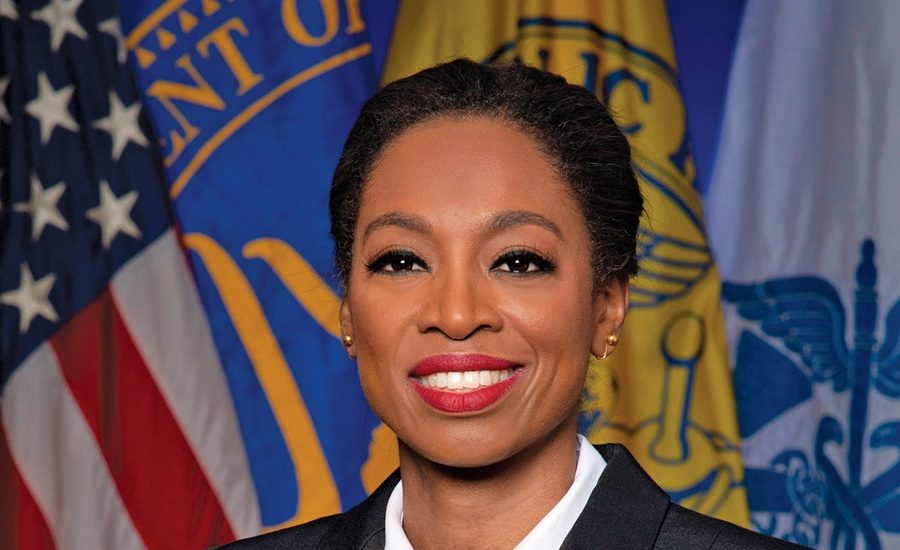
By February 2026, the administration installed Jay Bhattacharya, M.D., Ph.D., the Director of the National Institutes of Health, as the new Acting Director of the CDC. Dr. Bhattacharya served in this dual capacity until Dr. Schwartz’s confirmation this month. This transition period was characterized by a lack of long-term strategic planning and a continuous erosion of morale within the agency’s ranks.
Supporting Data: The Impact of the 2025 Downsizing
The challenges facing Dr. Schwartz are not merely administrative; they are structural. The 2025 reduction-in-force (RIF) initiatives conducted by the Trump administration drastically altered the landscape of the CDC. By eliminating nearly one-quarter of the workforce, the administration aimed to streamline the federal bureaucracy, but the consequences for public health monitoring have been severe.
Loss of Institutional Memory
The RIF disproportionately affected long-tenured experts, including outbreak specialists and field epidemiologists. These professionals represent decades of "institutional memory"—the nuanced understanding of how to manage localized foodborne outbreaks, infectious disease tracing, and pandemic preparedness. With these positions vacated or eliminated, the CDC’s ability to respond to emerging threats has been hampered by a lack of personnel on the ground.
Current Outbreak Response
The ongoing cyclosporiasis outbreak serves as a "stress test" for the new leadership. Because the disease often spreads through contaminated produce, it requires complex collaboration between the CDC’s laboratories and the FDA’s regulatory oversight. With reduced staff, the time required to trace the origin of these outbreaks has lengthened, increasing the risk to consumers. The situation is further exacerbated by the recent surge in measles cases, which requires labor-intensive contact tracing that the current, reduced workforce is struggling to manage.
Implications for Public Health and Food Safety
As Dr. Schwartz assumes her new office, the scientific and public health communities are watching closely to see how she navigates the "dual-loyalty" dilemma: the need to serve the political agenda of the HHS Secretary while maintaining the scientific integrity required to protect the public.
The Independence of Science
The fundamental concern for many experts is whether the CDC can maintain its status as the nation’s "gold standard" for epidemiological data. If the agency is perceived as being under the thumb of political figures like Secretary Kennedy—who has frequently challenged the medical establishment—public trust in vaccination campaigns and food safety advisories could plummet.
Future Outlook
Dr. Schwartz brings a unique background to the table. Her experience as a physician, attorney, and public health official suggests she is well-versed in the legal and medical intersections of her new role. However, her success will depend on three key factors:
- Retention of Talent: Can she stop the "brain drain" of the remaining senior staff who are currently contemplating leaving the agency?
- Scientific Autonomy: Will she be allowed to present data that contradicts the political preferences of the administration, particularly regarding vaccine safety and infectious disease control?
- Cross-Agency Cooperation: Can she repair the strained relationship between the CDC, the FDA, and the state health agencies that rely on federal guidance to manage local outbreaks?
The confirmation of Dr. Schwartz is a significant milestone, but it is merely the beginning of a long recovery process. As she steps into the role, the public health community is hoping that her tenure marks a return to evidence-based policy and a stabilization of the agency’s core mission. For now, the eyes of the nation remain fixed on the CDC, awaiting signs that the agency is equipped to handle the next inevitable health crisis in an increasingly polarized political climate.
For those seeking timely information on food safety and public health developments, the editorial team at Food Safety Magazine recommends utilizing resources like the "Ask FSM" AI search tool for rapid access to regulatory and industry-specific data.