Unraveling the Roots of Hair Loss: Beyond the Myths of Biotin and Zinc
Hair loss is a deeply personal and often distressing experience, affecting millions worldwide. By the age of 50, a staggering half of all men and women will have experienced some degree of hair thinning or loss. In a world saturated with quick fixes and miracle cures, understanding the true drivers behind this pervasive condition is crucial. While supplement manufacturers often tout biotin and zinc as panaceas for thinning locks, scientific evidence paints a far more nuanced picture, revealing genetics, environmental toxins, and genuine nutritional deficiencies (rather than mere supplementation) as the primary factors at play. This article delves into the complex science of hair loss, separating fact from fiction and offering an evidence-based perspective on prevention and treatment.
Main Facts: The Pervasive Challenge of Hair Loss and Its Primary Drivers
A Widespread Phenomenon with Profound Impact
The statistic that roughly 50% of individuals will experience hair loss by their fifth decade underscores its universal nature. For many, hair is intricately linked to identity, self-esteem, and perceived vitality. The psychological ramifications of hair loss can be profound, leading to anxiety, depression, and a significant drop in quality of life. Societal pressures and idealized images of youthful abundance only exacerbate these feelings, driving a multi-billion dollar industry built on promises of regrowth. Yet, despite the emotional toll, the underlying causes are often misunderstood, clouded by a plethora of myths and anecdotal remedies. Contrary to popular belief, excessive hair washing or brushing does not cause hair loss; these are among the many enduring falsehoods that persist.
Genetics: The Dominant Blueprint for Baldness
At the heart of most age-related hair loss lies genetics. Research consistently demonstrates that the vast majority of hair loss, both in men and women, is inherited. Studies involving twins have been particularly illuminating, revealing that the heritability of baldness in men stands at an impressive 79%. This means that approximately 80% of the variations in hair loss observed between men are determined by their genetic makeup. This genetic predisposition often manifests as androgenetic alopecia, commonly known as male or female pattern baldness. In men, this typically involves a receding hairline and thinning at the crown, while women often experience diffuse thinning over the top of the scalp, with the frontal hairline usually preserved. The primary culprit in androgenetic alopecia is dihydrotestosterone (DHT), a potent androgen derived from testosterone, which can shrink hair follicles in genetically susceptible individuals.
However, genetics, while dominant, are not the sole arbiters of our follicular fate. This significant, but not absolute, heritability leaves a critical "wiggle room" – a space where environmental and lifestyle factors can play a pivotal role, influencing the onset, severity, and progression of hair loss even in those with a strong genetic predisposition. It is within this margin that interventions and preventive strategies can potentially make a difference, shifting the focus from an inevitable genetic destiny to a more modifiable journey.
Chronology: From Ancient Beliefs to Modern Scientific Understanding
Historical Perspectives on Hair Loss: Remedies and Superstitions
Throughout history, humans have sought solutions for hair loss, reflecting its enduring impact on self-image. Ancient Egyptian papyri detail concoctions involving various animal fats, plant extracts, and even burnt mouse hair to stimulate growth. Hippocrates, the father of medicine, famously observed that eunuchs did not go bald, a rudimentary (and correct) insight into the hormonal underpinnings of male pattern baldness, long before testosterone and DHT were discovered. Roman physicians also prescribed their own remedies, often involving herbal mixtures and animal by-products. These early attempts, while lacking scientific rigor, highlight a continuous human quest to understand and reverse hair loss, rooted in observation and often, superstition. For centuries, the understanding of hair loss remained largely anecdotal, with treatments ranging from the bizarre to the ineffective, offering little more than hope.
The Evolution of Hair Loss Research: From Toxins to Genes
The scientific journey into hair loss began to gain momentum with the advent of modern chemistry and biology. Early 20th-century observations linked specific industrial toxins, like thallium, to hair loss, pointing towards environmental factors. The mid-20th century saw a greater focus on hormonal influences, solidifying Hippocrates’ early observations with the identification of androgens. The latter half of the century, particularly with advances in molecular biology and genetics, brought about a paradigm shift. Researchers began to unravel the complex genetic pathways involved in androgenetic alopecia, identifying specific genes and their interactions. This era also witnessed the rise of the modern supplement industry, eager to capitalize on the desire for simple solutions, often with little scientific backing.
The Emergence of Lifestyle Factors: Unmasking Environmental Triggers
While genetics were increasingly understood as the primary driver, the persistent observation that even identical twins could experience differing degrees of hair loss pushed research into the realm of lifestyle and environmental factors. This led to meticulous studies, particularly twin studies, that meticulously documented the impact of individual choices and exposures. Scientists began to systematically investigate the roles of stress, smoking, dietary habits, and exposure to environmental pollutants. This research provided compelling evidence that while genetic predisposition sets the stage, lifestyle choices and environmental interactions act as critical modulators, capable of accelerating or mitigating the genetic blueprint for hair loss. This understanding marked a crucial turning point, moving beyond a purely deterministic view of genetics to acknowledge the significant influence of our daily lives.
Supporting Data: The Interplay of Genes, Environment, and Nutrition
Twin Studies: Unpacking the Gene-Environment Interaction
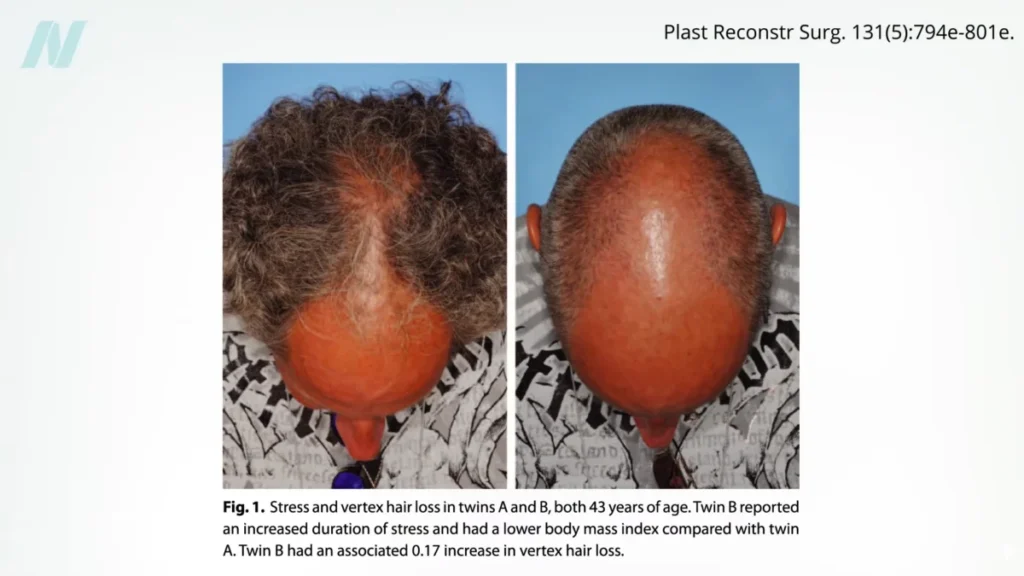
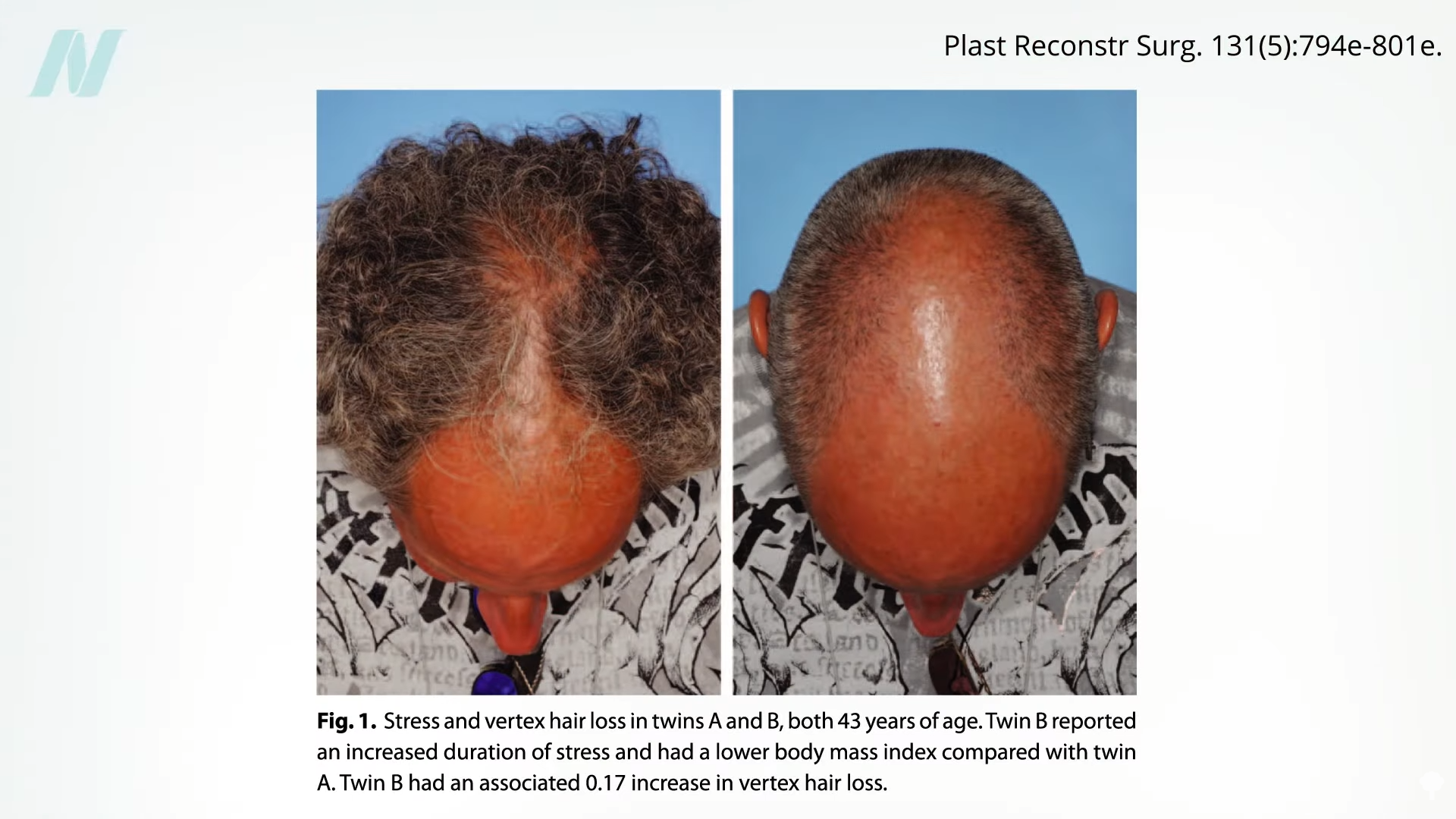
The power of identical twin studies lies in their shared genetic blueprint, allowing researchers to isolate the impact of environmental factors. The article highlights compelling examples of such studies, providing tangible evidence of how lifestyle choices can override genetic predispositions. In one striking case, identical twin brothers with identical genes exhibited significant differences in hair loss, with the twin reporting higher stress levels showing more pronounced thinning. This underscores the profound physiological impact of chronic stress, which can disrupt the hair growth cycle by elevating cortisol levels and inducing oxidative stress, pushing follicles into a premature resting phase (telogen effluvium).
Another pair of identical twins demonstrated the detrimental effects of unhealthy habits. The twin who was a smoker and consumed more alcohol experienced greater hair loss. These findings are not isolated incidents but are supported by broader epidemiological research, reinforcing the notion that even with identical genetic predispositions, the choices we make daily profoundly influence our health outcomes, including hair retention. The implications for epigenetics are clear: environmental factors can modulate gene expression, effectively "turning genes on or off" or altering their activity, leading to phenotypic differences even in individuals with identical DNA.
The Toxic Truth: Environmental Culprits in Hair Loss
Beyond genetics, a range of environmental toxins can significantly contribute to hair loss by directly damaging hair follicles or disrupting the delicate balance required for healthy growth.
Smoking’s Devastating Impact: The act of smoking extends its detrimental reach far beyond the lungs and cardiovascular system, directly impacting hair health. Cigarettes contain thousands of genotoxic compounds, which are substances capable of damaging the DNA within hair follicles. This genetic damage can impair the follicle’s ability to produce healthy hair, leading to miniaturization and premature shedding. Furthermore, smoking induces microvascular poisoning in the base of the hair follicle. The constricted blood vessels reduce the supply of vital oxygen and nutrients to the rapidly growing hair cells, effectively starving them and inhibiting normal growth. This dual assault – DNA damage and impaired blood supply – makes smoking a potent contributor to both male and female pattern baldness, accelerating its onset and severity.
Mercury: A Silent Saboteur: One of the most insidious environmental toxins linked to hair loss is mercury. This heavy metal has a unique affinity for rapidly growing tissues, including hair. Research indicates that mercury can concentrate approximately 250-fold in growing scalp hair, making hair analysis a useful diagnostic tool for chronic exposure. The mechanism of mercury-induced hair loss is complex, involving the disruption of keratin synthesis, oxidative stress, and damage to follicular cells. Historically, mercury poisoning, often from syphilis treatments, is believed to be a contributing factor to William Shakespeare’s hair loss. While medical practices have evolved, mercury exposure remains a concern today, primarily entering the body through the consumption of certain types of seafood, as highlighted by the U.S. Centers for Disease Control and Prevention. Larger, longer-lived predatory fish like tuna, swordfish, and shark accumulate higher levels of methylmercury through biomagnification in the food chain.
The Tuna Connection: A Real-World Case Study: The impact of mercury on hair loss is powerfully illustrated by clinical cases. Consider the instance of a 43-year-old woman evaluated for early menopause who presented with significant hair loss. Blood tests revealed alarmingly elevated mercury levels, directly linked to her diet, which was notably high in tuna. The good news is that her mercury levels plummeted after she eliminated fish from her diet. Within two months, she observed initial hair regrowth, and a complete restoration of her hair occurred after seven months on a fish-free regimen. This case underscores the importance of considering mercury toxicity in patients presenting with unexplained hair loss, especially women of reproductive age who often seek medical intervention for hormone-related hair thinning. Advising patients on reducing fish intake and monitoring blood mercury levels can be a simple, yet profoundly effective, intervention, potentially offering complete symptom relief and identifying a treatable cause of heavy metal-induced hair loss.
Nutrient Deficiencies: A Targeted Approach to Hair Health
While general nutrient supplementation is often overhyped, specific nutrient deficiencies can indeed lead to hair loss. However, the key distinction lies in actual deficiency versus sufficient levels.
Bariatric Surgery as a Model: Bariatric surgery, designed to induce weight loss by altering the digestive anatomy, serves as a stark example of how profound malabsorption can lead to hair loss. Following such procedures, hair loss is a frequent nutrient deficiency symptom because the altered anatomy purposefully limits nutrient absorption, creating a state of general deprivation that impacts hair follicles. This scenario highlights that when the body is genuinely starved of essential nutrients, hair growth is among the first non-essential processes to suffer.
Vitamin C and Scurvy: A Historical Lesson: The link between severe vitamin C deficiency (scurvy) and hair loss has been recognized for centuries. Scurvy profoundly impairs collagen synthesis, which is crucial for the structural integrity of hair follicles and blood vessels that supply them. While scurvy unequivocally causes hair loss, there is no evidence to suggest that supplementing vitamin C beyond a baseline sufficiency (i.e., enough to prevent bleeding gums and other scurvy symptoms) will promote additional hair growth. This illustrates a critical concept: nutrients are required up to a certain threshold; beyond that, extra intake offers no further benefit and can sometimes even be detrimental.
Zinc: The Double-Edged Sword: Zinc is an essential trace element vital for cell division, protein synthesis, and immune function – all processes critical for healthy hair growth. A true zinc deficiency can indeed cause hair loss, alongside other symptoms like impaired wound healing, weakened immunity, and skin lesions. Populations at higher risk for zinc deficiency include individuals who abuse alcohol, those with malabsorption disorders, and vegetarians/vegans if their diets are not well-planned. However, similar to vitamin C, supplementing zinc only benefits those who are actually deficient. If blood zinc levels are normal, taking additional zinc will not stimulate hair growth and can, in fact, lead to negative side effects. Excessive zinc intake can interfere with copper absorption, leading to copper deficiency, and can also suppress immune function, paradoxically causing problems while attempting to solve another.
Biotin: The Misunderstood B-Vitamin: Biotin, or vitamin B7, is perhaps the most heavily marketed supplement for hair health. It plays a crucial role as a coenzyme in various metabolic processes, including fatty acid synthesis and gluconeogenesis, and is essential for the metabolism of amino acids, which are the building blocks of keratin – the primary protein in hair. Indeed, a severe biotin deficiency does cause hair loss, often accompanied by dermatitis and neurological symptoms. However, severe biotin deficiency is exceedingly rare in healthy individuals consuming a normal, balanced diet. The only notable exception is individuals who regularly consume large quantities of raw egg whites, as avidin (a protein in raw egg whites) binds strongly to biotin, preventing its absorption. Despite its ubiquitous presence in hair loss products, there are no evidence-based data demonstrating that biotin supplementation promotes hair growth in individuals who are not deficient. The widespread belief in its efficacy is largely anecdotal and fueled by aggressive marketing, rather than robust scientific proof.
Official Responses and Regulatory Gaps: The Supplement Industry Under Scrutiny
The Illusion of "Can’t Hurt, Might Help"
The pervasive attitude that dietary supplements are harmless – "can’t hurt, might help" – is a dangerous misconception, particularly when it comes to products marketed for hair health. This mindset overlooks the significant risks associated with an unregulated industry, potential interactions with medications, and the direct physiological harm that can result from excessive intake or product contamination. The lack of stringent oversight allows manufacturers to make unsubstantiated claims and market products that, at best, are ineffective, and at worst, pose serious health risks.
The FDA’s Warning: Biotin’s Dangerous Interference
One of the most critical concerns regarding biotin supplementation, especially the high doses found in many hair, skin, and nail products, is its potential to interfere with vital laboratory tests. Many modern immunoassays, used to detect hormones, cardiac markers, and other substances in blood, rely on streptavidin-biotin technology. When patients consume extremely high doses of biotin – often up to 650 times the recommended daily intake in popular supplements – the excess biotin in their blood can skew test results.
The U.S. Food and Drug Administration (FDA) has issued safety communications warning healthcare providers and the public about this interference. The consequences can be dire:
- Thyroid Function Tests: Biotin interference can lead to falsely high or low thyroid hormone levels, potentially resulting in misdiagnosis of hyperthyroidism or hypothyroidism, and subsequent inappropriate treatment.
- Other Hormone Tests: Pregnancy tests and tests for various endocrine disorders can also be affected, leading to incorrect diagnoses or management.
- Cardiac Troponin Tests: Perhaps most alarmingly, biotin can interfere with tests for cardiac troponin, a crucial biomarker used to diagnose heart attacks. This interference can result in falsely low troponin levels, leading to a missed or delayed diagnosis of a myocardial infarction, with potentially life-threatening consequences.
The FDA’s warnings underscore that supplements, even seemingly innocuous vitamins, are not without risk, especially when taken in unphysiologically high doses.
A Wild West: The Unregulated Supplement Landscape
The broader issue of regulatory oversight in the supplement industry is a significant factor contributing to these risks. In the United States, the Dietary Supplement Health and Education Act (DSHEA) of 1994 classifies supplements as food, not drugs. This means they are not subject to the same rigorous pre-market approval process as pharmaceuticals. Manufacturers are responsible for ensuring the safety and efficacy of their products, but they are not required to prove this to the FDA before selling them. The FDA primarily intervenes after a product is on the market and adverse events are reported.
This regulatory vacuum has led to numerous instances of "manufacturer shenanigans," including:
- Contamination: Products found to contain undeclared prescription drugs, heavy metals, or other harmful substances.
- Mislabeling: Incorrect dosages or ingredients, leading to either ineffective products or, more dangerously, toxicity. A notorious example involved an outbreak where hundreds of individuals suffered selenium toxicity because a supplement contained 200 times the labeled dose. Ironically, one of the symptoms of selenium toxicity is hair loss, demonstrating how an attempt to "help" hair could actively harm it.
- Excessive Dosages: As seen with biotin, supplements often contain doses far exceeding physiological needs, increasing the risk of adverse effects. Similarly, excessive intake of vitamin A, often from supplements, can also lead to hair loss, liver damage, and other serious health issues.
The lack of robust regulatory oversight means consumers must exercise extreme caution and critical judgment when considering supplements, especially those making bold claims about hair growth or other health benefits.
Implications: Navigating Hair Loss with Evidence-Based Strategies
Prioritizing Diagnosis Over Self-Treatment: A Call for Professional Guidance
Given the complex interplay of genetics, lifestyle, and potential underlying medical conditions, the most crucial implication for anyone experiencing hair loss is to prioritize professional diagnosis over self-treatment with unproven supplements. Consulting a healthcare provider, such as a dermatologist, is essential to identify the specific cause of hair loss. This may involve blood tests to check for nutrient deficiencies (e.g., iron, zinc, vitamin D), hormonal imbalances (e.g., thyroid issues, PCOS), or toxic exposures (e.g., mercury). A thorough medical history and physical examination can help distinguish between androgenetic alopecia, telogen effluvium (stress-induced shedding), alopecia areata (autoimmune hair loss), and other conditions. Without an accurate diagnosis, any treatment, whether pharmaceutical or supplemental, is merely a shot in the dark and potentially harmful.
The Indisputable Role of Diet and Lifestyle in Hair Health
While genetics play a dominant role, the modifiable aspects of diet and lifestyle offer a powerful avenue for prevention and management of hair loss.
- Balanced Nutrition: A diet rich in whole foods, fruits, vegetables, lean proteins, and healthy fats provides the essential vitamins, minerals, and antioxidants necessary for healthy hair growth. While specific "hair growth foods" are often promoted, a holistic, nutrient-dense diet is far more effective than focusing on isolated ingredients.
- Stress Management: Chronic stress is a known trigger for telogen effluvium. Incorporating stress-reducing practices such as meditation, yoga, regular exercise, adequate sleep, and mindfulness can significantly mitigate its impact on hair cycles.
- Smoking Cessation: Quitting smoking is paramount not only for overall health but also for hair preservation, given its direct damaging effects on hair follicles and microcirculation.
- Limiting Toxin Exposure: Being mindful of heavy metal exposure, particularly mercury from certain seafood, can be a crucial step for some individuals. Opting for lower-mercury fish or reducing overall fish intake can be a beneficial dietary modification.
When Supplements ARE Indicated: A Case for Medical Supervision
It bears repeating: dietary supplements for hair loss are primarily beneficial only when there is a documented deficiency and should ideally be taken under medical supervision. If blood tests confirm low levels of iron, zinc, or other vital nutrients, targeted supplementation can indeed reverse deficiency-related hair loss. However, supplementing when levels are normal is generally ineffective and, as highlighted by the risks of biotin and other supplements, can be outright dangerous. The "more is better" philosophy is often misguided and potentially harmful in the context of nutrition.
A Holistic and Patient-Centered Approach
Ultimately, navigating hair loss requires a holistic and patient-centered approach that prioritizes evidence-based strategies over marketing hype. This involves a comprehensive evaluation by healthcare professionals, a commitment to healthy lifestyle choices, and a cautious, informed perspective on dietary supplements. Rather than seeking quick fixes, individuals should focus on understanding the underlying causes of their hair loss and adopting sustainable habits that support overall health, including the health of their hair.
Looking Ahead: Future Directions in Hair Loss Management
The journey to understand and treat hair loss is ongoing. Future articles in this series will delve deeper into the benefits and risks of pharmaceutical interventions, such as minoxidil and finasteride, which have demonstrated efficacy in certain types of hair loss. We will also explore specific dietary strategies and "what foods help hair growth" beyond the general principles, providing more actionable advice. Furthermore, understanding how to lower heavy metal levels through diet remains a critical component for those affected by toxic exposures. By embracing a scientific, evidence-based approach, individuals can make informed decisions and find effective solutions for managing hair loss, fostering not only healthier hair but also greater overall well-being.