The $2.18 Dinner: How Culinary Experts Are Re-Engineering Comfort Food for the Inflation Era
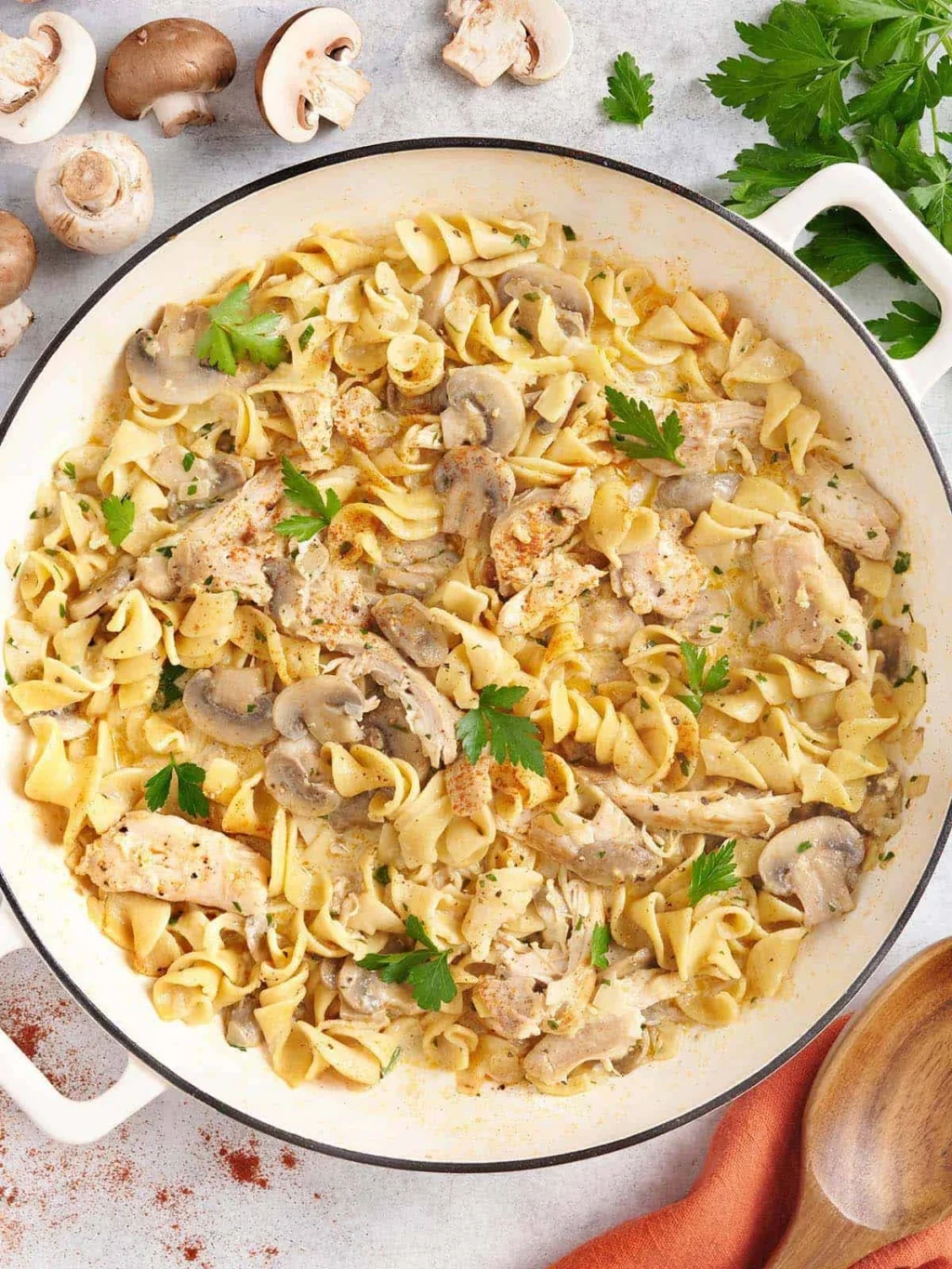
NASHVILLE, TN — As grocery prices continue to squeeze household budgets across the nation, culinary economists and test kitchen chefs are shifting their focus toward high-efficiency, low-cost recipe development. In a prominent example of this trend, the Nashville Test Kitchen has unveiled a re-engineered version of a classic comfort dish: One-Pot Chicken Stroganoff. Developed by culinary educator and professional chef Jess Rice, the recipe delivers four substantial servings for a total cost of $8.72—averaging just $2.18 per serving.
By consolidating the cooking process into a single skillet and substituting expensive beef cuts with budget-friendly chicken thighs, the recipe addresses two of the modern home cook’s greatest pain points: escalating ingredient costs and post-dinner cleanup time.
Main Facts: The Anatomy of a Budget-Friendly Classic
Traditional stroganoff, a staple of Eastern European origin, typically relies on beef tenderloin or sirloin seared quickly and served over egg noodles with a rich sour cream and mushroom sauce. However, rising beef prices have made the traditional preparation increasingly prohibitive for everyday family dining.
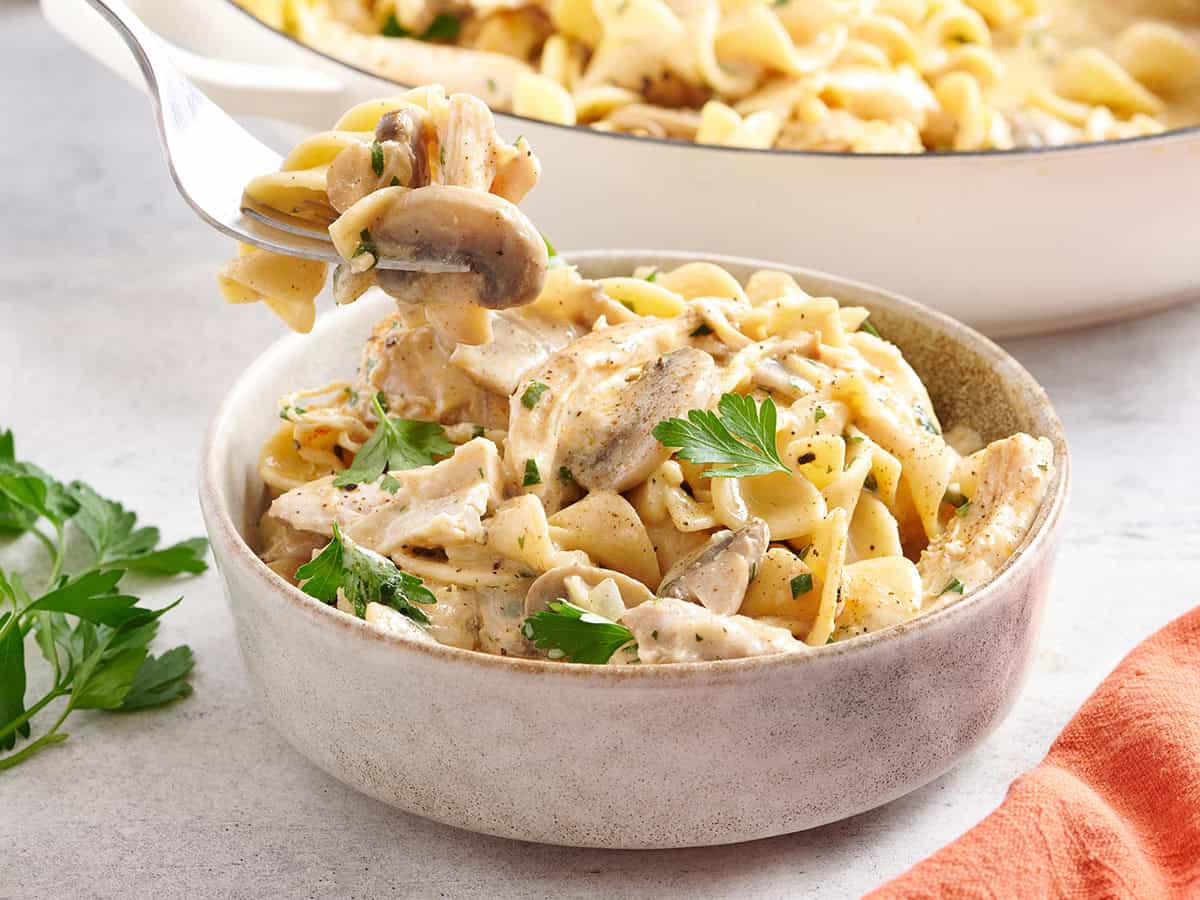
To counteract these financial pressures, the Nashville Test Kitchen’s recipe introduces several strategic modifications:
- Protein Substitution: The recipe replaces beef with bone-out, skinless chicken thighs. At current market rates, chicken thighs represent one of the most cost-effective proteins available, offering superior moisture retention compared to leaner cuts like chicken breast.
- One-Pot Method: Unlike conventional pasta dishes that require a separate boiling pot for noodles, this recipe simmers raw egg noodles directly in the chicken broth and mushroom juices. This method allows the noodles to absorb the surrounding flavors while starch released from the pasta naturally thickens the sauce.
- Cost Efficiency: At $8.72 for four servings, the dish represents a fraction of the cost of commercial meal kits or restaurant equivalents, which typically range from $10 to $22 per portion.
- Time and Labor Savings: The entire meal is prepared, cooked, and served in approximately 40 minutes using a single deep skillet, significantly reducing domestic energy consumption and cleanup labor.
Chronology: Step-by-Step Culinary Execution
The success of one-pot cooking relies heavily on the sequence of ingredient introduction. Because different components cook at varying rates, a strict chronological workflow must be maintained to prevent mushy pasta or overcooked protein.
[Phase 1: Prep] ---> [Phase 2: Sauté Aromatics] ---> [Phase 3: Sear Protein] ---> [Phase 4: Simmer Starch] ---> [Phase 5: Finish & Emulsify]Phase 1: Prep and Mise en Place (Minutes 1–5)
Before applying heat, all fresh ingredients must be prepped to ensure seamless transitions:
- Two cloves of garlic are minced (yielding roughly 2 teaspoons).
- One-half of a yellow onion is finely diced.
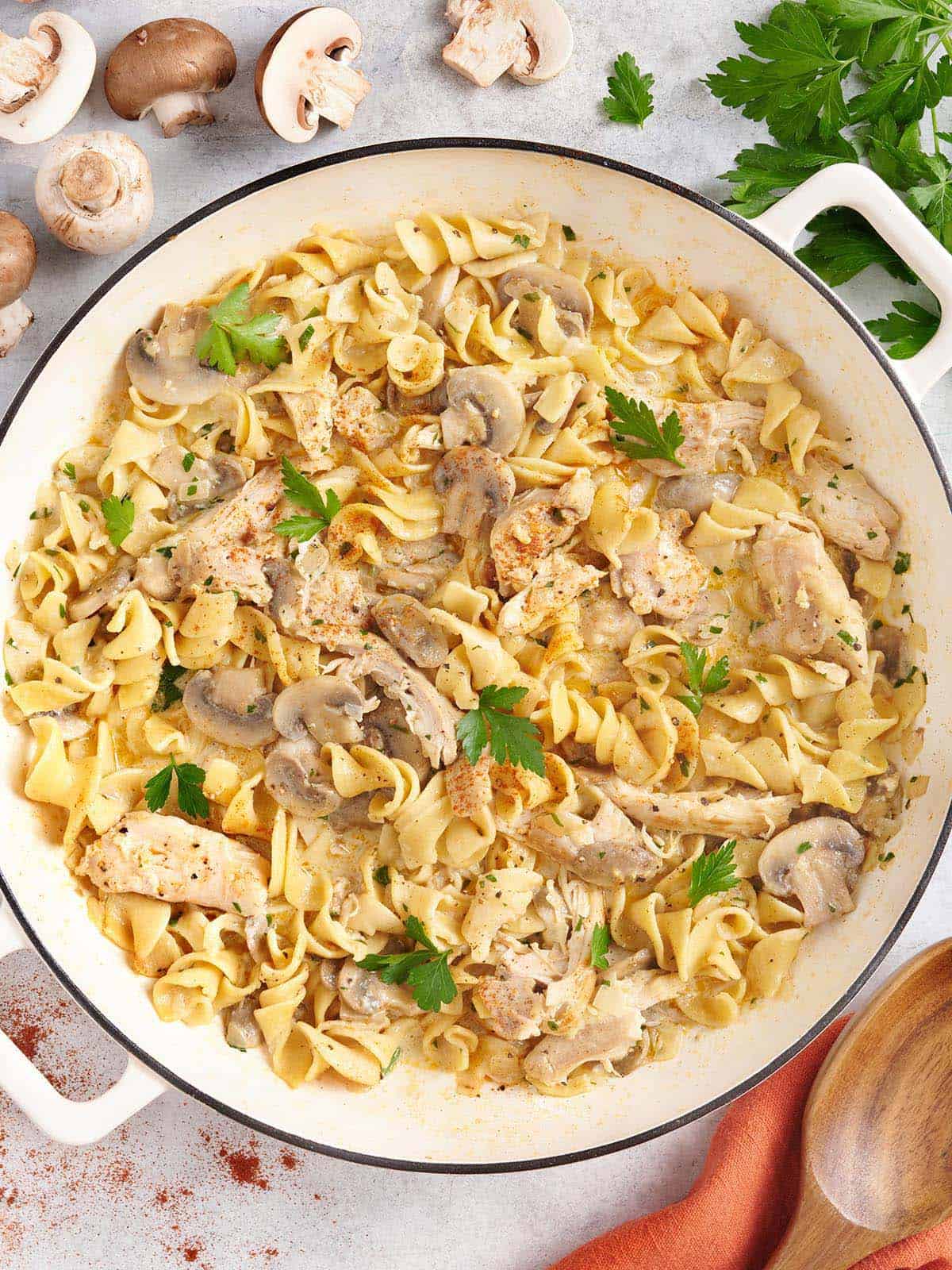
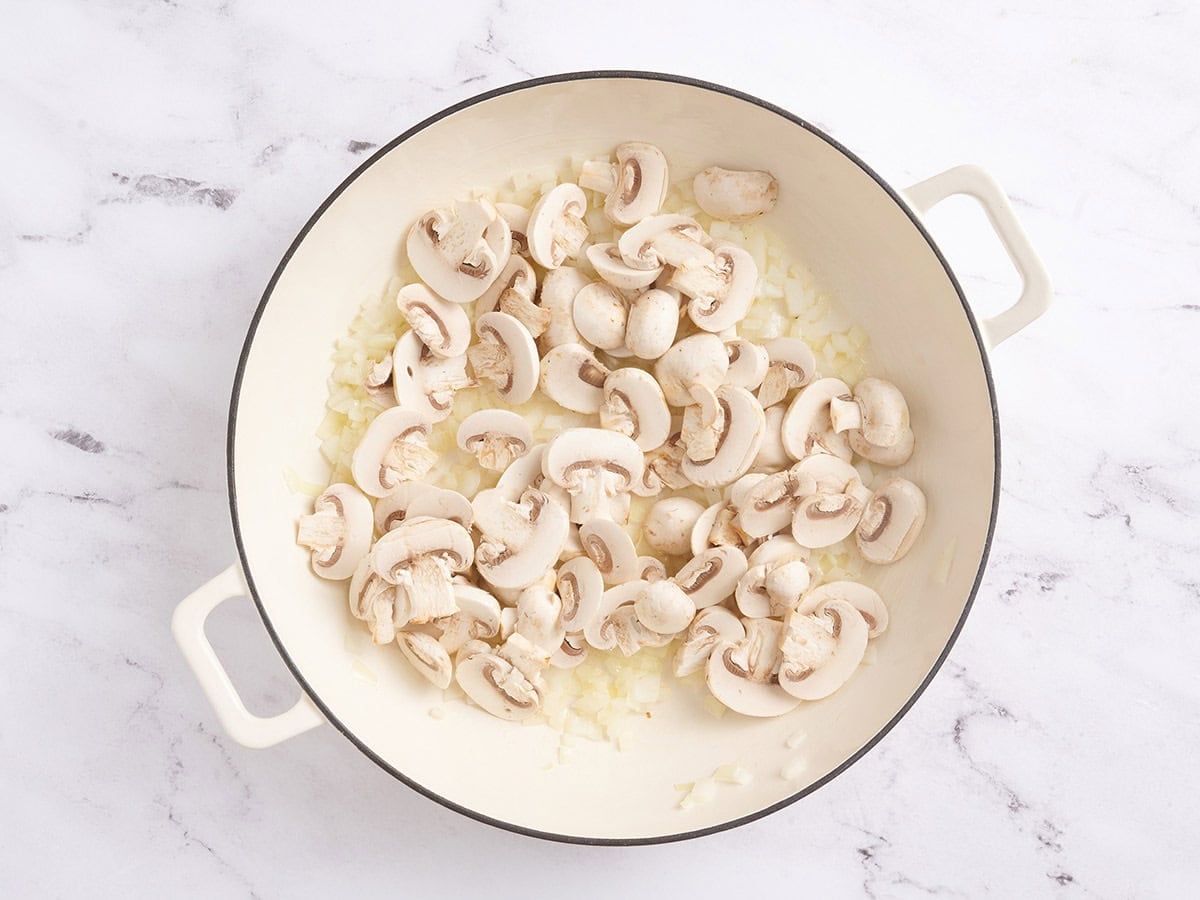
- Eight ounces of fresh mushrooms (white button or cremini) are sliced to a uniform quarter-inch thickness.
- One tablespoon of fresh parsley is minced for the final garnish.
Phase 2: Sautéing the Aromatics (Minutes 5–13)
The cooking begins by melting two tablespoons of butter in a large, deep skillet over medium heat. Once foaming, the diced onion is added and sautéed for approximately four minutes until translucent and softened.
The heat is then elevated to medium-high, and the sliced mushrooms are introduced. The mushrooms initially release their cellular moisture; cooking continues for an additional four minutes until this liquid evaporates and the mushroom edges begin to brown, developing deep, caramelized flavors through the Maillard reaction.
Phase 3: Searing the Protein (Minutes 13–27)
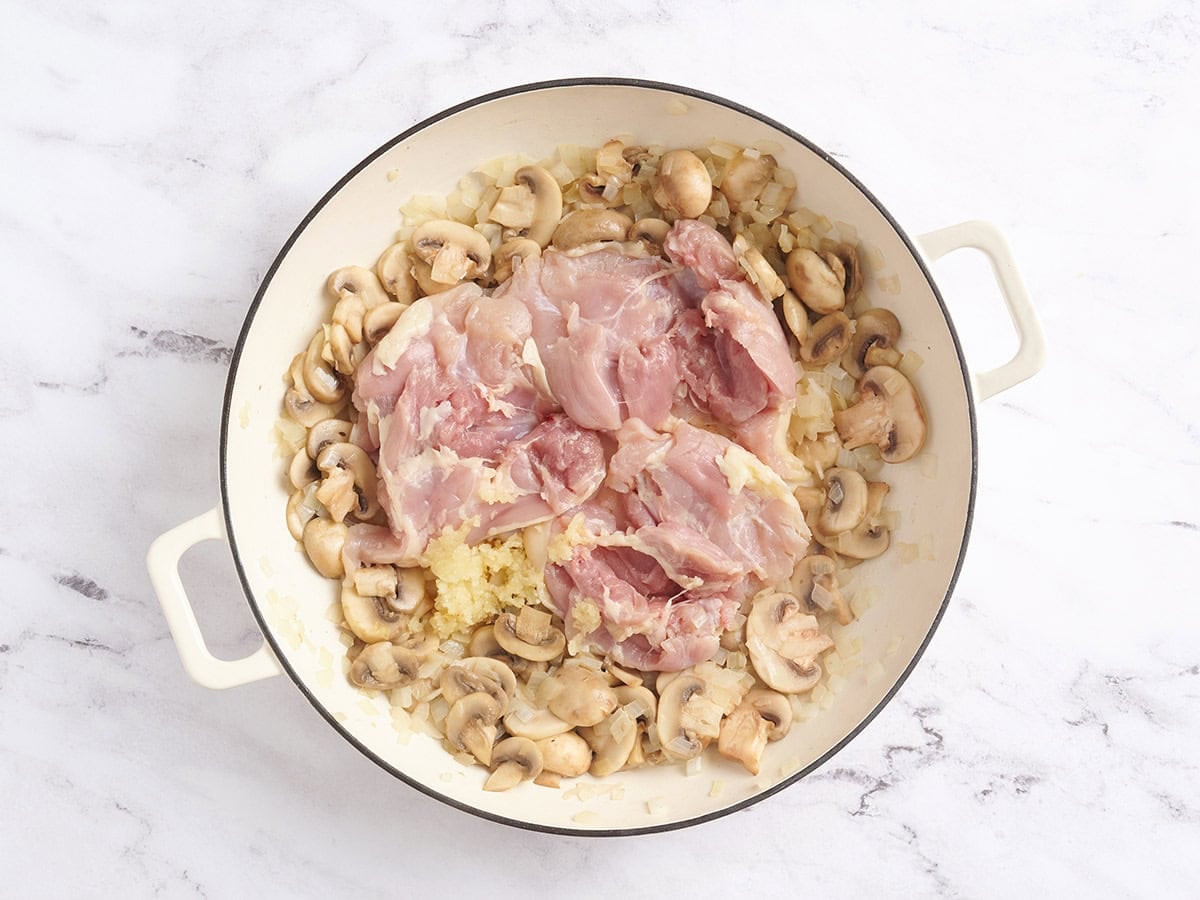
The onions and mushrooms are pushed to the outer perimeter of the skillet to clear the center. Two cloves of minced garlic are added to the cleared space, followed immediately by one pound of whole chicken thighs, placed smooth-side down to maximize contact with the hot pan.
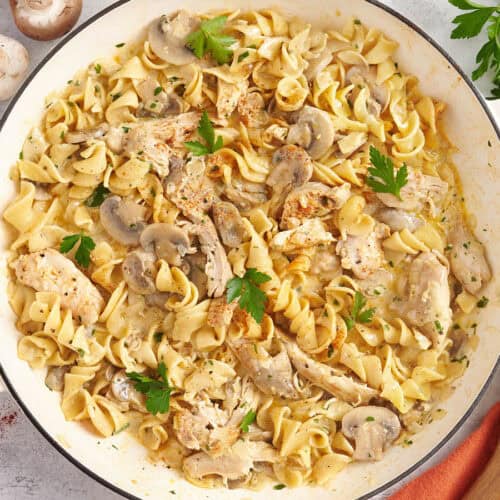
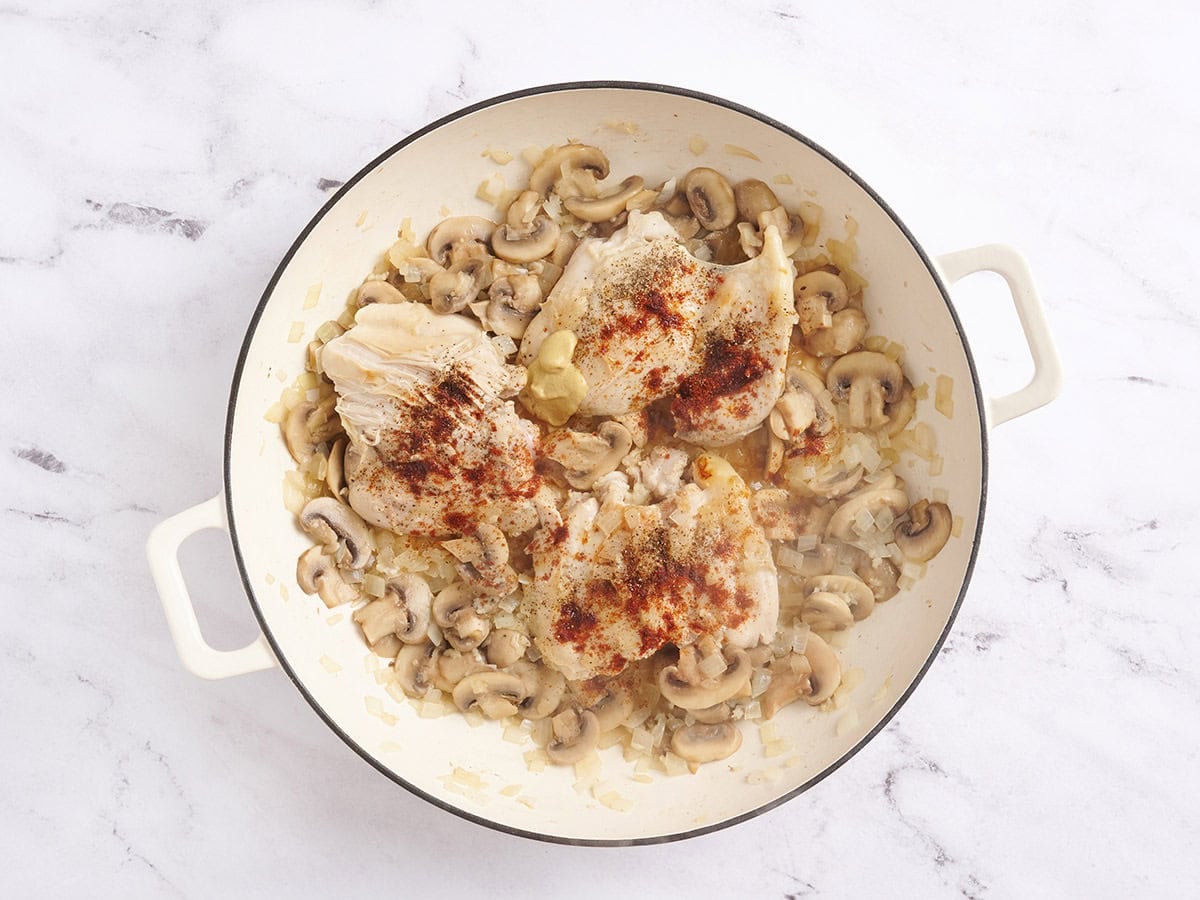
The chicken remains undisturbed for six to eight minutes until a golden-brown crust forms and the meat releases easily from the surface. The thighs are then flipped to sear the reverse side for another six to eight minutes. Before moving to the next stage, the chicken is seasoned with a quarter-teaspoon of paprika, a quarter-teaspoon of black pepper, and one teaspoon of Dijon mustard.
Phase 4: Simmering the Starch (Minutes 27–42)
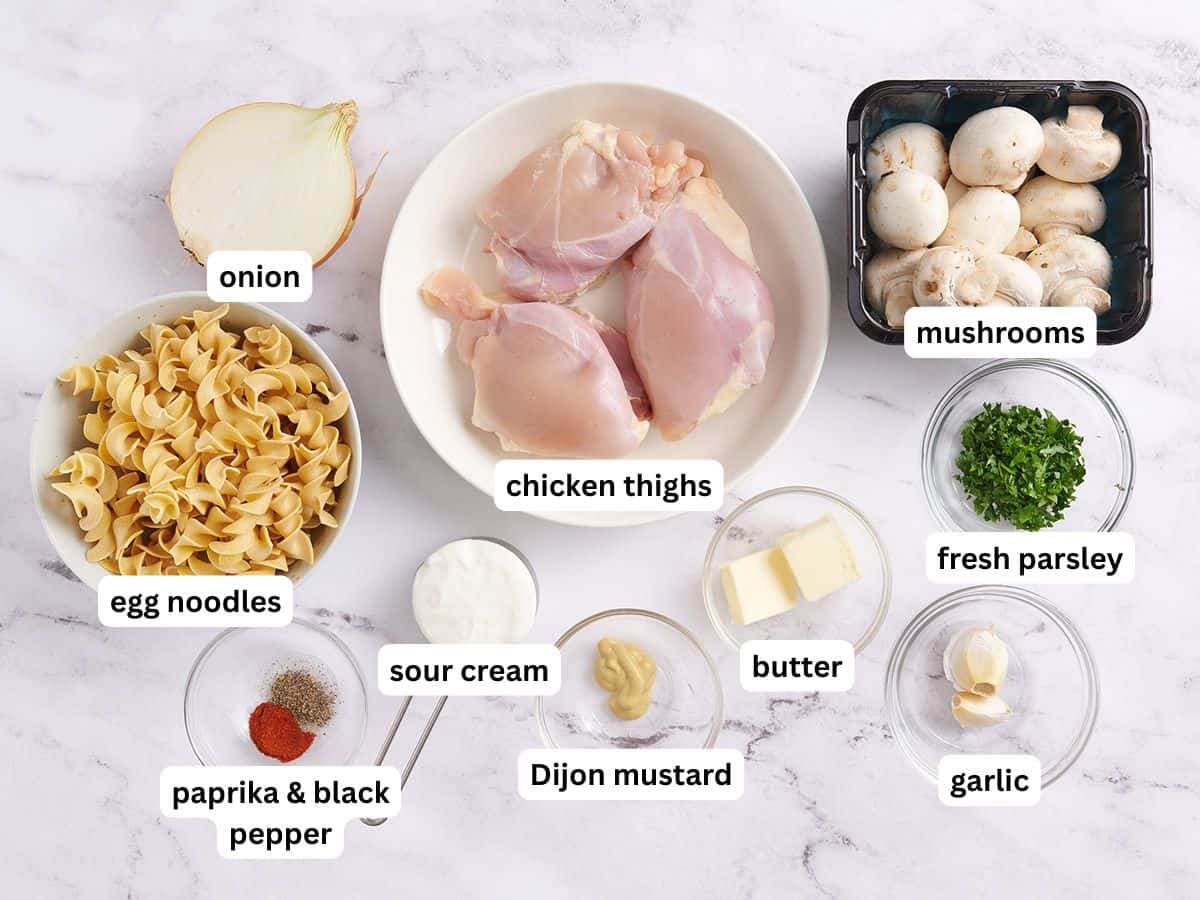
Eight ounces of uncooked, extra-wide egg noodles are arranged around and over the seared chicken. Two cups of prepared chicken broth are poured into the skillet. Using a wooden spoon, the cook gently scrapes the bottom of the pan to loosen the browned bits (fond), which dissolve into the broth to form the base of the sauce.
The skillet is covered with a tight-fitting lid, and the liquid is brought to a steady simmer over medium heat. The mixture is left to simmer for approximately 15 minutes. The lid is lifted once or twice during this window to stir the noodles gently, ensuring even cooking and preventing them from sticking to the bottom.
Phase 5: Finishing and Emulsification (Minutes 42–45)
Once the noodles are tender and the chicken has reached an internal temperature of 165°F, the skillet is removed from the heat source. After the active bubbling subsides, one-third of a cup of sour cream and the minced parsley are folded into the mixture.
The chicken thighs are shredded directly in the pan using two forks, blending the pulled protein back into the emulsified, creamy sauce. The dish is seasoned with salt and pepper to taste and served warm.
Supporting Data: Nutritional and Financial Metrics
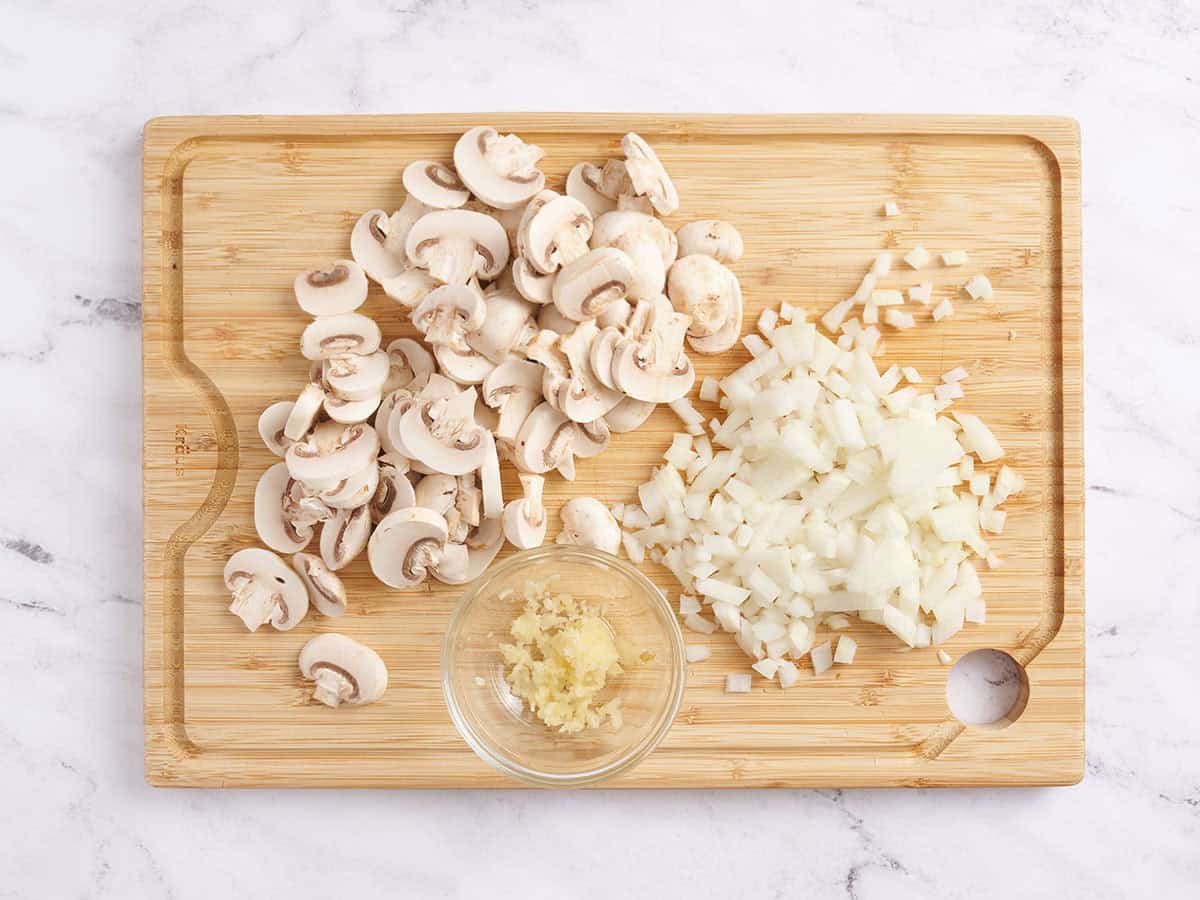
To validate the recipe’s claims of affordability and nutritional adequacy, the Nashville Test Kitchen compiled detailed financial and dietary data.
Financial Breakdown
The target price of $2.18 per serving is achieved by relying on staple ingredients and minimizing waste.
| Ingredient | Estimated Cost Contribution | Cost Saving Strategy |
|---|---|---|
| Chicken Thighs (1 lb) | $3.50 | Purchased in bulk value packs and frozen individually. |
| Extra-Wide Egg Noodles (8 oz) | $1.25 | Store-brand dry pasta purchased in bulk. |
| Mushrooms (8 oz) | $1.80 | White button mushrooms selected over pricier exotic varieties. |
| Butter & Sour Cream | $0.85 | Utilized standard refrigerator staples. |
| Broth & Aromatics | $0.72 | Used cost-effective bouillon paste (e.g., Better Than Bouillon). |
| Total Recipe Cost | $8.72 | Cost Per Serving: $2.18 |
Nutritional Profile
The dish provides a balanced distribution of macronutrients, making it a highly filling single-dish meal.
- Calories: 470 kcal (24% Daily Value)
- Protein: 33g (66% Daily Value)
- Carbohydrates: 46g (15% Daily Value)
- Fat: 17g (26% Daily Value)
- Sodium: 618mg (27% Daily Value)
- Fiber: 3g (13% Daily Value)
Note: Nutritional percentages are based on a standard 2,000-calorie daily diet. Sodium levels can be further controlled by utilizing low-sodium bouillon variants.
Expert Commentary: The Science of One-Pot Cooking
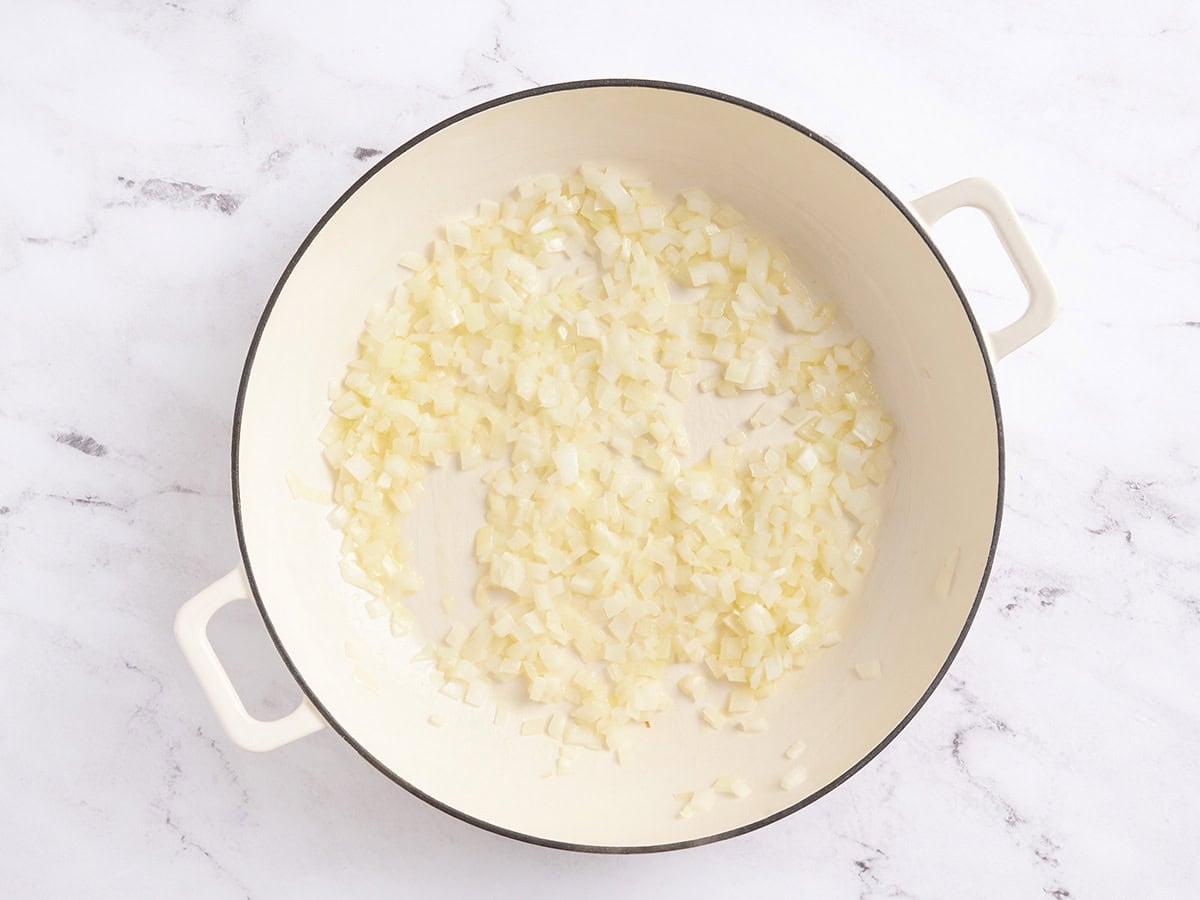
The development of this recipe highlights several key culinary principles that differentiate successful professional test kitchen formulas from standard home cooking.
The Role of Protein Selection
According to culinary experts, the choice of chicken thighs over breasts is fundamental to the dish’s structural integrity. "I prefer chicken thighs in this recipe because they have a higher fat content than leaner cuts," notes Jess Rice, recipe developer and former Chef Professor at Niagara College. "This structural fat helps the chicken remain tender and juicy through both the high-heat sear and the subsequent 15-minute simmer with the noodles. Leaner cuts, such as chicken breasts, lack this buffer and are highly prone to drying out during prolonged simmering."
The Chemistry of Emulsification
A common failure point in home-cooked stroganoffs is the curdling of the sour cream. From a food science perspective, dairy fats can easily break and separate when exposed to boiling temperatures or high acidity.
Rice emphasizes the importance of temperature control during the final phase: "You must turn off the burner and wait for the active boiling to settle completely before stirring in the sour cream. Incorporating the dairy off the heat allows the fats and proteins to emulsify smoothly into the reduced chicken broth without curdling, yielding a velvet-like texture."
Implications: The Macroeconomics of Domestic Kitchens
The popularity of high-efficiency, low-cost recipes like One-Pot Chicken Stroganoff reflects a broader macroeconomic shift in consumer behavior. As food-at-home indexes remain elevated, middle-class households are increasingly adopting strategies historically reserved for professional restaurant kitchens to manage their domestic budgets.
The Rise of "Smart Inventory" and the Freezer Purge
Budget-conscious consumers are increasingly turning to strategic meal planning to combat food waste, which accounts for an estimated 30–40% of the food supply in the United States. Rice advocates for a systematic "freezer purge" at least once a month.
"Buying large value packs of chicken thighs, portioning them out, sealing them flat in freezer bags, and maintaining a clear inventory is a highly effective way to reduce grocery bills," Rice explains. "By using up what is already in the freezer before heading to the store, consumers can significantly lower their weekly food expenditures."
Domestic Resource Conservation
Beyond direct ingredient savings, one-pot cooking addresses indirect utility costs. Traditional multi-pot cooking consumes more water for dishwashing, more municipal gas or electricity to heat multiple burners, and more chemical detergents. By consolidating the cooking process into a single vessel, households reduce their environmental footprint and reclaim valuable evening time.
Meal Prep and Long-Term Stability
As remote and hybrid work structures remain common, the demand for stable, easily reheatable meals has grown. While pasta dishes containing dairy can occasionally degrade in the freezer, test kitchen trials indicate that this chicken stroganoff remains highly stable in the refrigerator for three to four days.
For long-term freezing, experts recommend a structural modification: freeze the dish after the simmer phase but before adding the sour cream. When ready to serve, the dish can be thawed overnight, reheated gently, and finished with fresh sour cream off the heat, preserving both the texture of the sauce and the structural integrity of the egg noodles.