The Art of the Batch: Mastering Chipotle-Style Black Beans for Your Freezer Stash
In the modern culinary landscape, the intersection of convenience, nutrition, and cost-effectiveness has become the "holy grail" for home cooks. As grocery prices continue to fluctuate and the demands of professional life pull us in a thousand directions, the practice of meal prepping has evolved from a niche hobby into a survival strategy. Among the staples that anchor a well-organized kitchen, few items possess the versatility and nutritional density of the humble black bean.
This guide explores the craft of preparing Chipotle-style black beans—a recipe designed specifically for the "Snack City" freezer method. By mastering this batch-prep technique, you can ensure that a high-protein, fiber-rich foundation for your burrito bowls is always at your fingertips.
Main Facts: Why Black Beans Are the Ultimate Meal Prep Hero
Black beans (Phaseolus vulgaris) are a nutritional powerhouse, and when prepared with the depth of flavor associated with the Chipotle style, they become an elevated component of any meal.
The Nutritional Profile
Per serving (yielding 10 servings per batch), these beans offer a balanced macronutrient profile:
- Calories: 180 kcal
- Carbohydrates: 30g
- Protein: 10g
- Fat: 2.2g
- Fiber: 7.3g
Beyond the numbers, these beans provide a significant dose of plant-based protein and essential micronutrients, including iron, magnesium, and folate. Because they are rich in dietary fiber, they promote satiety, helping to stabilize blood sugar levels throughout the afternoon. For those adhering to vegan, vegetarian, or gluten-free diets, this recipe serves as an unimpeachable staple that accommodates virtually every dietary restriction.
The Philosophy of "Snack City"
The concept of "Snack City"—a term used to describe a curated freezer stash of pre-portioned, ready-to-heat meal components—is centered on the elimination of decision fatigue. When you have a container of seasoned, flavor-packed beans in your freezer, the barrier to creating a healthy lunch is significantly lowered. No longer are you reliant on expensive takeout or processed convenience foods; you have a "fast food" option sitting right in your own freezer.
Chronology: The Journey from Dry Bean to Freezer-Ready
Preparing high-quality beans requires patience, but the active labor time is surprisingly minimal. To achieve the texture and flavor of a high-end restaurant, one must respect the traditional timeline of bean preparation.
1. The Soaking Phase (8 Hours)
While canned beans are a common convenience, the superior texture and cost savings of dry beans are unparalleled. The process begins by sorting and rinsing your dry black beans to remove any debris. Soaking them for eight hours—typically overnight—is the critical first step. This rehydration process ensures even cooking and helps break down complex sugars that can cause digestive discomfort.
2. The Preparation Phase (15 Minutes)
Once the beans have soaked and expanded, drain the water. At this stage, you integrate your aromatic base. The "Chipotle style" relies on a delicate balance of earthy spices, acidity, and heat. Incorporating ingredients like garlic, onion, cumin, and the characteristic smoky depth of chipotle peppers (in adobo sauce) creates a flavor profile that stands up well to the freezing process.
3. The Cooking Phase (1 Hour and 30 Minutes)
Whether using a heavy-bottomed pot on the stove or a slow cooker, the beans require a steady, low-intensity heat. The goal is to reach a state of tenderness where the skin is soft but the bean holds its structural integrity. During this time, the flavors meld, infusing the beans with the smokiness of the chipotle and the savory notes of the aromatics.
4. Cooling and Storage
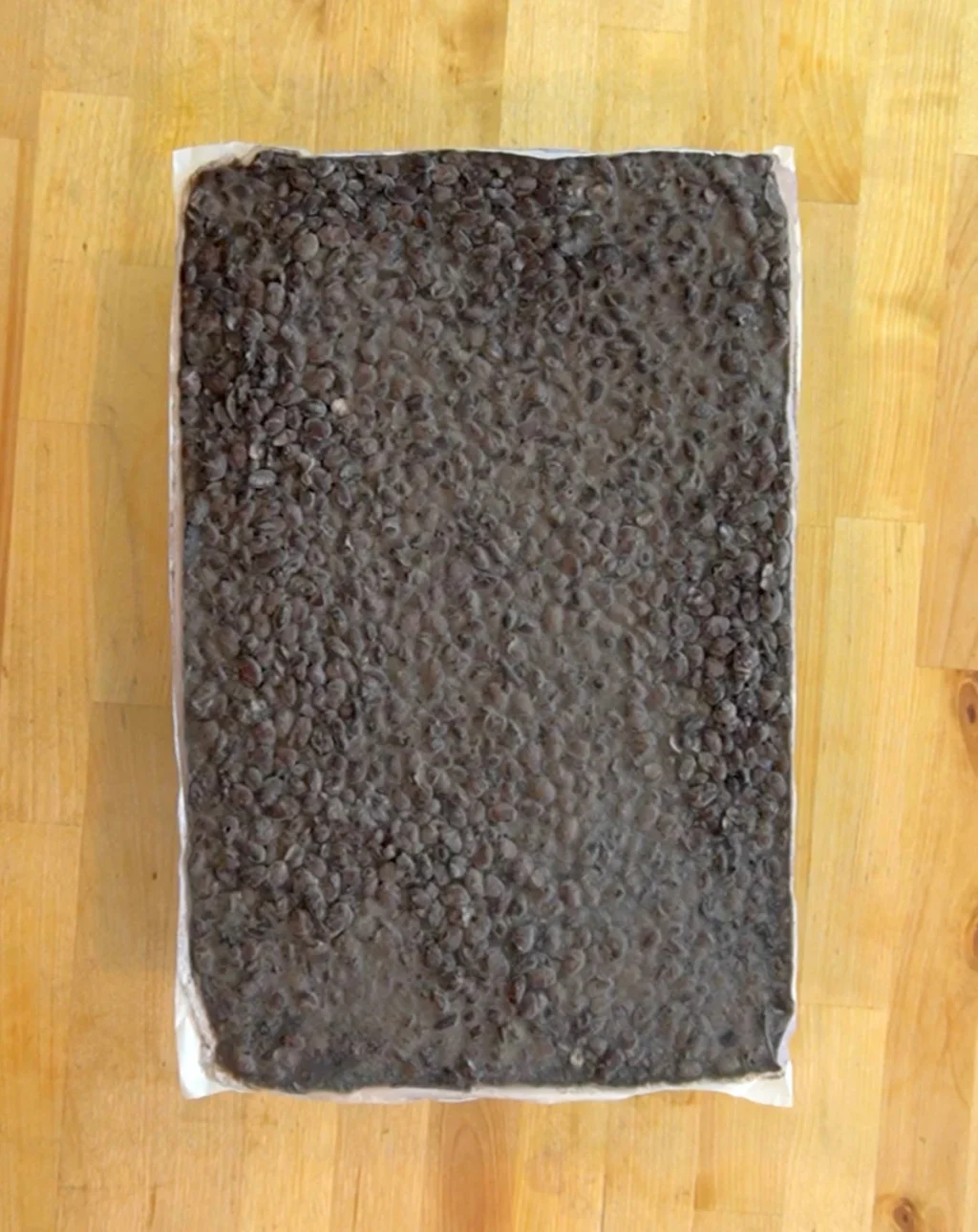
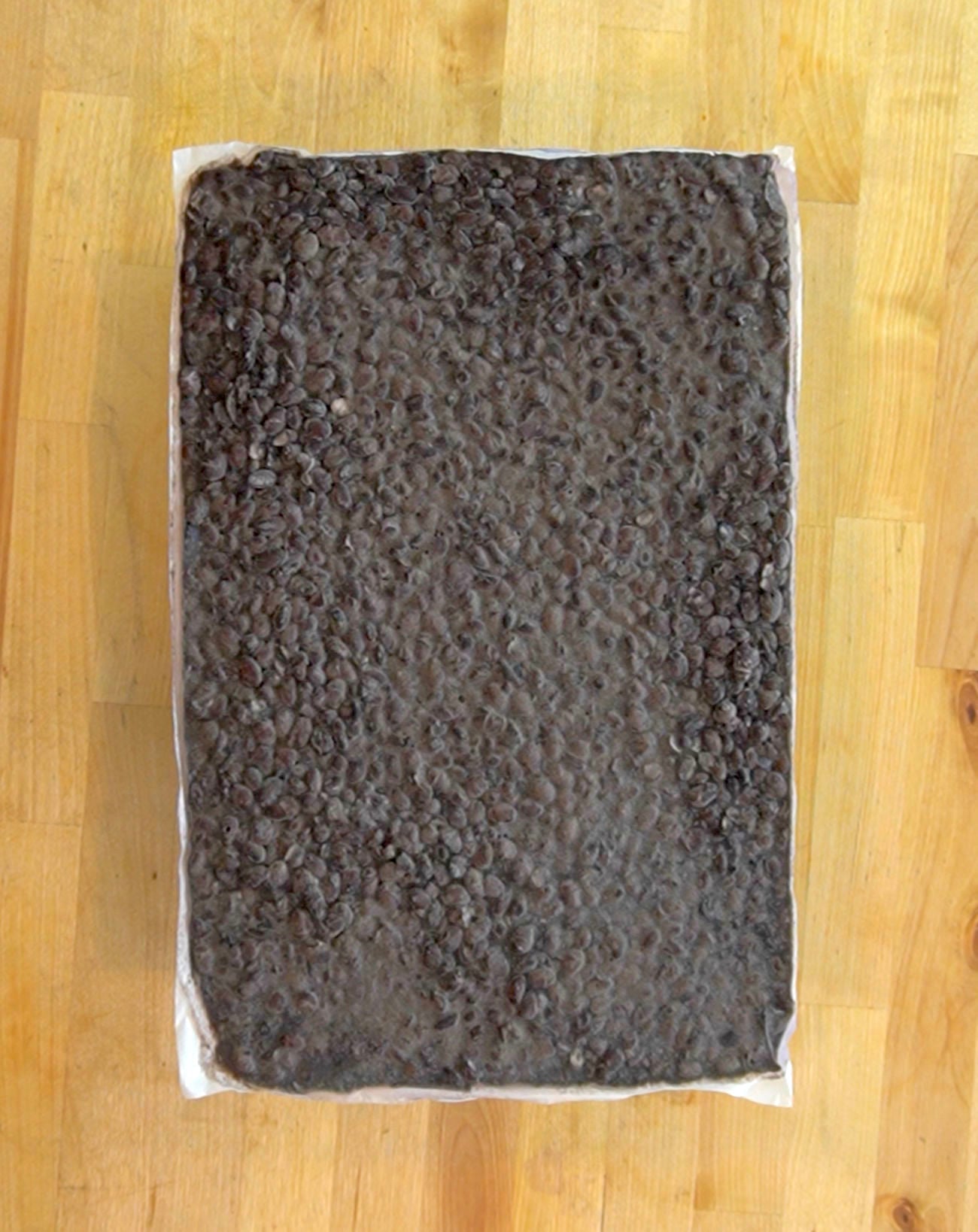
After cooking, it is imperative to allow the beans to cool completely before portioning. Transferring hot food directly into freezer containers can create condensation, leading to freezer burn and compromised texture. Once cooled, store them in airtight, freezer-safe containers.
Supporting Data: Why Texture and Flavor Survive the Chill
A common concern among home cooks is whether legumes lose their appeal after being frozen. Data suggests that when legumes are cooked properly—specifically, when they are not over-boiled into a mushy consistency—they retain their nutritional integrity and flavor profile through the freezing process remarkably well.
The fiber content remains stable, and the spices used in this recipe—particularly those derived from peppers—often deepen in complexity as they sit. By portioning these into 10 servings, you create a modular food system. You can pair these beans with rice, roasted vegetables, grilled proteins, or fresh salsas, ensuring that your meals never become monotonous.
Official Guidelines for Food Safety and Quality
To maintain the quality of your batch-prepped beans, adhere to the following professional storage guidelines:
- Temperature Control: Ensure your freezer is set to 0°F (-18°C) or lower.
- Airtight Integrity: Use BPA-free, freezer-safe containers or vacuum-sealed bags to prevent air contact. Exposure to air is the primary cause of freezer burn.
- Labeling: Always mark the date of preparation on your containers. While these beans can last for several months in the freezer, they are best enjoyed within the first three months for peak texture.
- Reheating: For the best results, allow the beans to thaw in the refrigerator overnight before heating. If you are in a rush, they can be reheated directly from frozen, though you may need to add a splash of water or broth to restore the desired consistency.
Implications: The Macro-Level Benefits of Meal Prep
The decision to adopt a structured batch-prep routine has implications that extend far beyond the kitchen.
Economic Impact
By purchasing beans in bulk and prepping them at home, the cost per serving is significantly lower than purchasing pre-cooked canned beans or ordering restaurant burrito bowls. Over the course of a year, this simple habit can save a household hundreds of dollars.
Environmental Sustainability
Reduced reliance on single-use packaging—which is prevalent in both the canned goods and the takeout industry—contributes to a lower individual carbon footprint. Cooking from scratch, even using dry beans, is a cornerstone of sustainable living.
Cognitive Health and Decision Making
"Decision fatigue" is a recognized psychological phenomenon where the quality of decisions deteriorates after a long session of decision-making. By automating your lunch choices through your freezer stash, you preserve your cognitive energy for more important professional and personal tasks. You are effectively "outsourcing" the daily lunch decision to your past self.
Dietary Consistency
The greatest implication of this recipe is the stabilization of your diet. When healthy, high-fiber, high-protein food is the easiest option to access, you are statistically more likely to choose it. This consistency is the primary driver of long-term health outcomes, whether your goals are weight management, muscle gain, or simply improved digestion.
Conclusion: Investing in Your Culinary Future
The Chipotle-style black bean is more than just a recipe; it is a tool for personal empowerment. By dedicating roughly two hours of active time, you provide yourself with ten high-quality meals that serve as the foundation for a healthier, more efficient lifestyle.
As you incorporate these beans into your "Snack City" rotation, remember that the secret lies in the quality of your ingredients and the patience of your process. Whether you are a busy professional looking to save time, an athlete looking to hit your macros, or a parent trying to manage a household budget, the batch-prep method offers a proven pathway to success. Start your next batch today, and experience the quiet satisfaction of a kitchen that is always ready for what the week ahead may bring.