The Art of the Unplanned: Twelve Years of Evolution in a Georgia Woodland Retreat
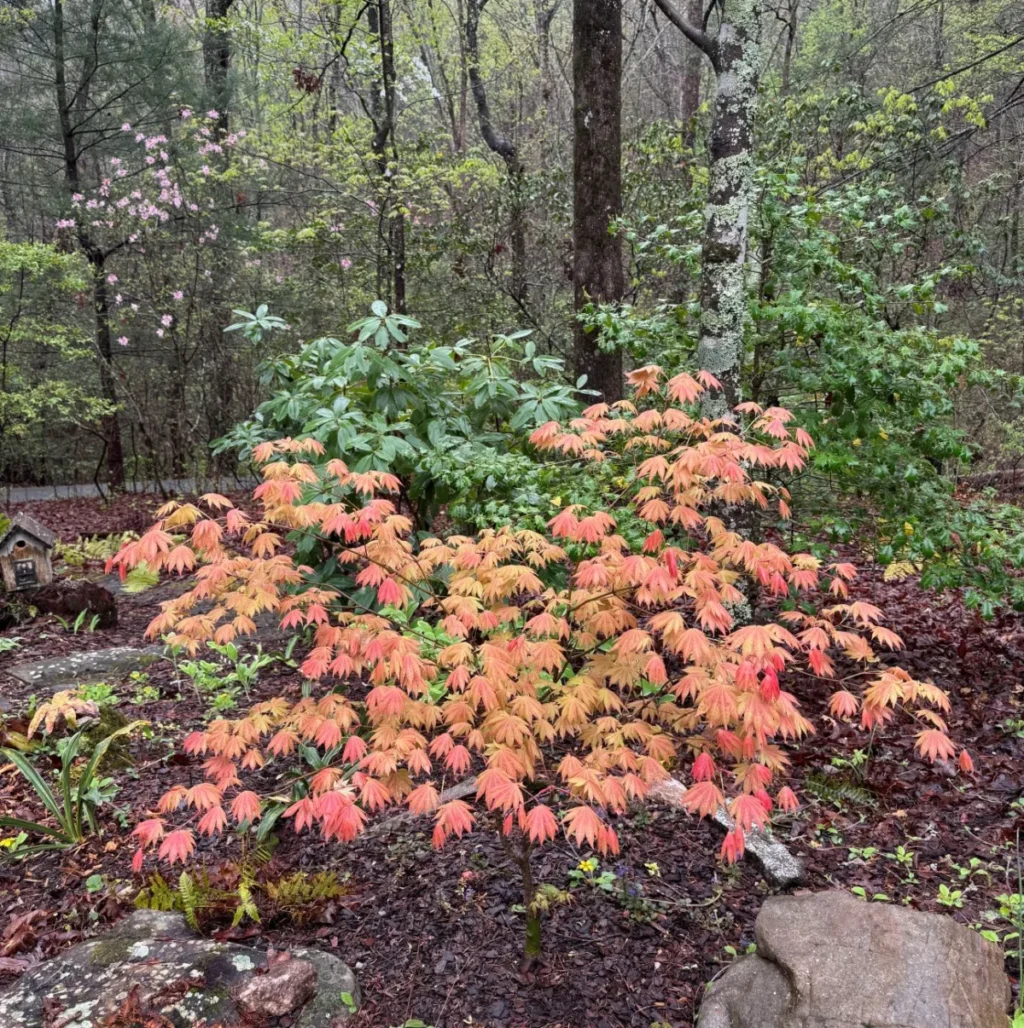
In the rolling landscapes of Jasper, Georgia, lies a sanctuary that defies the rigid constraints of traditional landscape architecture. For twelve years, homeowner and gardener Bonnie has cultivated a woodland garden that functions not as a static display, but as a living, breathing testament to the philosophy of "painting with plants." Eschewing the structured rigidity of a formal master plan, this private retreat serves as a masterclass in horticultural patience, ecological observation, and the beauty of organic growth.
The Genesis of a Mature Landscape
Twelve years is a significant threshold in the life of a garden. It is the point where individual specimens cease to be "new additions" and begin to form a cohesive, self-sustaining ecosystem—a state frequently described by horticulturists as a "mature garden."
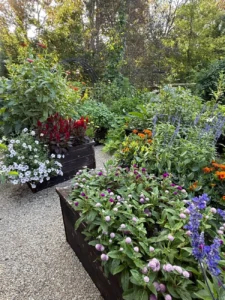
Bonnie’s approach to this space has been intentionally fluid. Rather than drafting blueprints or mapping out strict geometric zones, she has allowed the garden to dictate its own trajectory. This "canvas painted with plants" methodology relies on the gardener’s ability to observe light patterns, soil moisture, and the subtle shifts in microclimates over a decade-long span. By prioritizing the evolution of the site over the enforcement of a design, Bonnie has created a space where "delightful little surprises" are not accidents, but the natural rewards of a well-tended, observant relationship with the land.
A Chronology of Botanical Discovery
The garden’s allure is rooted in its seasonal cadence. From the fragile emergence of spring ephemerals to the robust structure of Japanese maples, each month brings a reconfiguration of the space.
The Spring Awakening
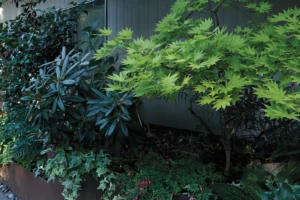
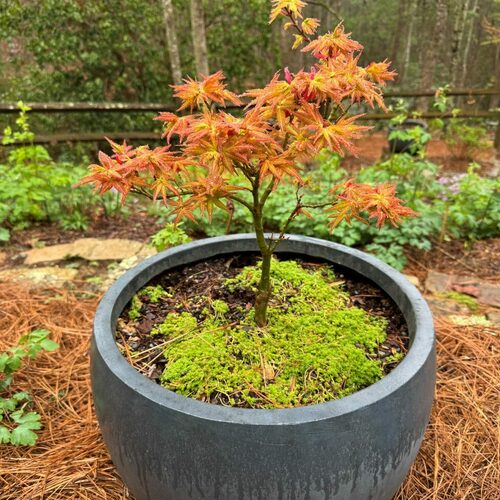
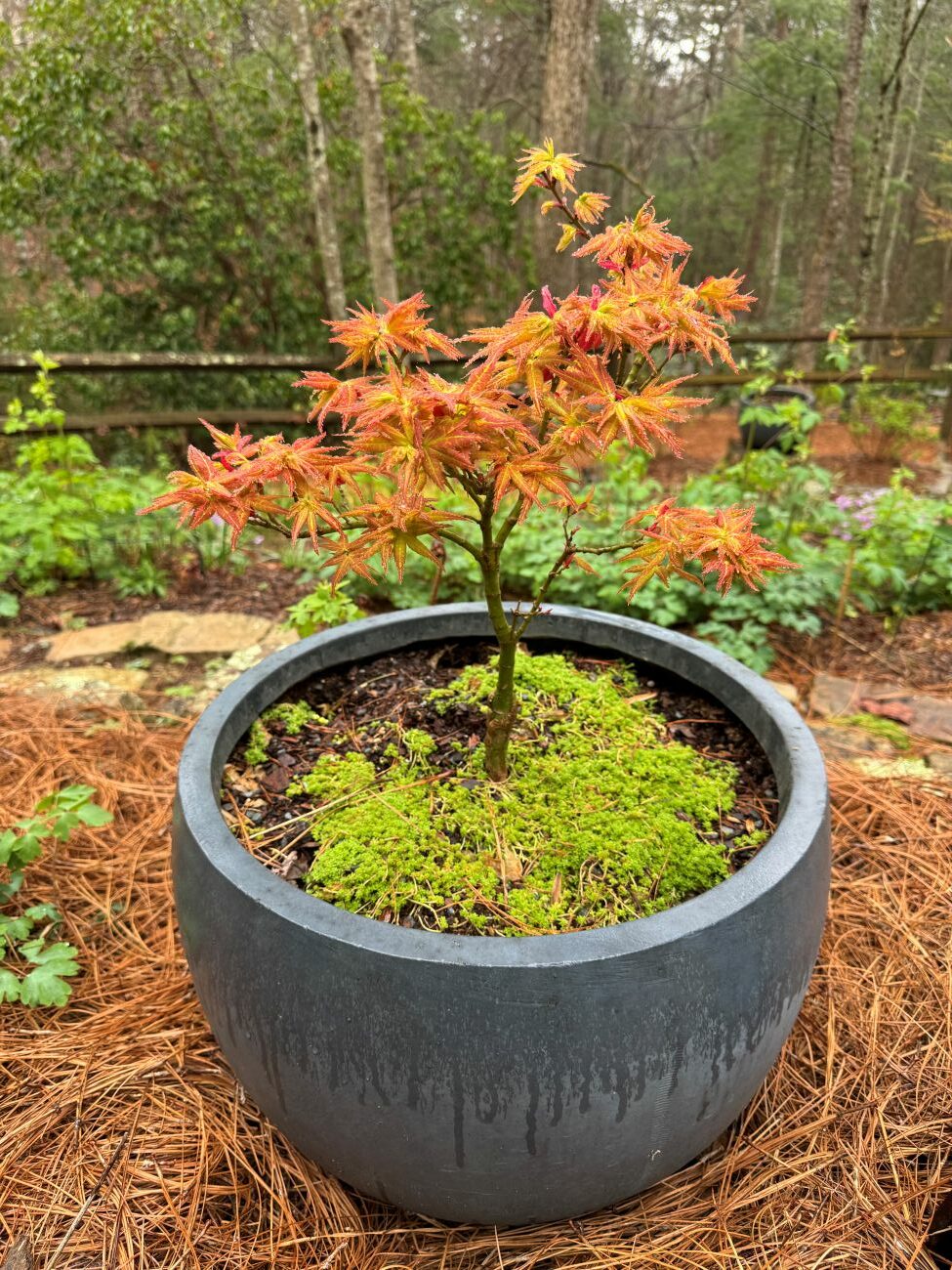
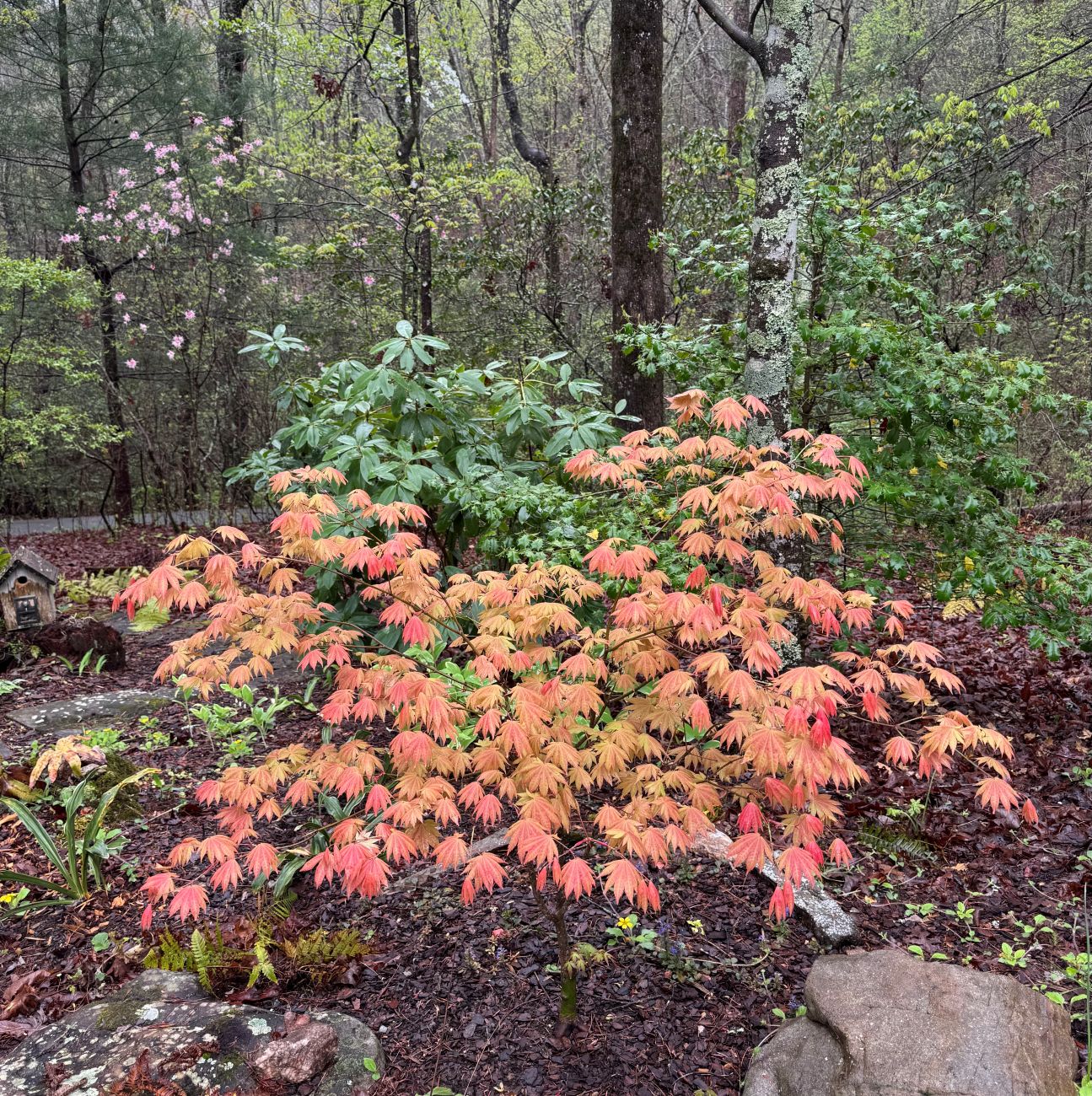
The narrative of this garden begins in mid-March, a time of high activity for the woodland floor. The star of this period is the Acer palmatum ‘Japanese Princess’. A dwarf variant of the well-regarded ‘Mikawa yatsubusa’, this tree serves as a focal point within the container collection. Its exquisite spring coloration serves as a reminder that even in a woodland setting, structural elements can be elevated through careful cultivar selection.
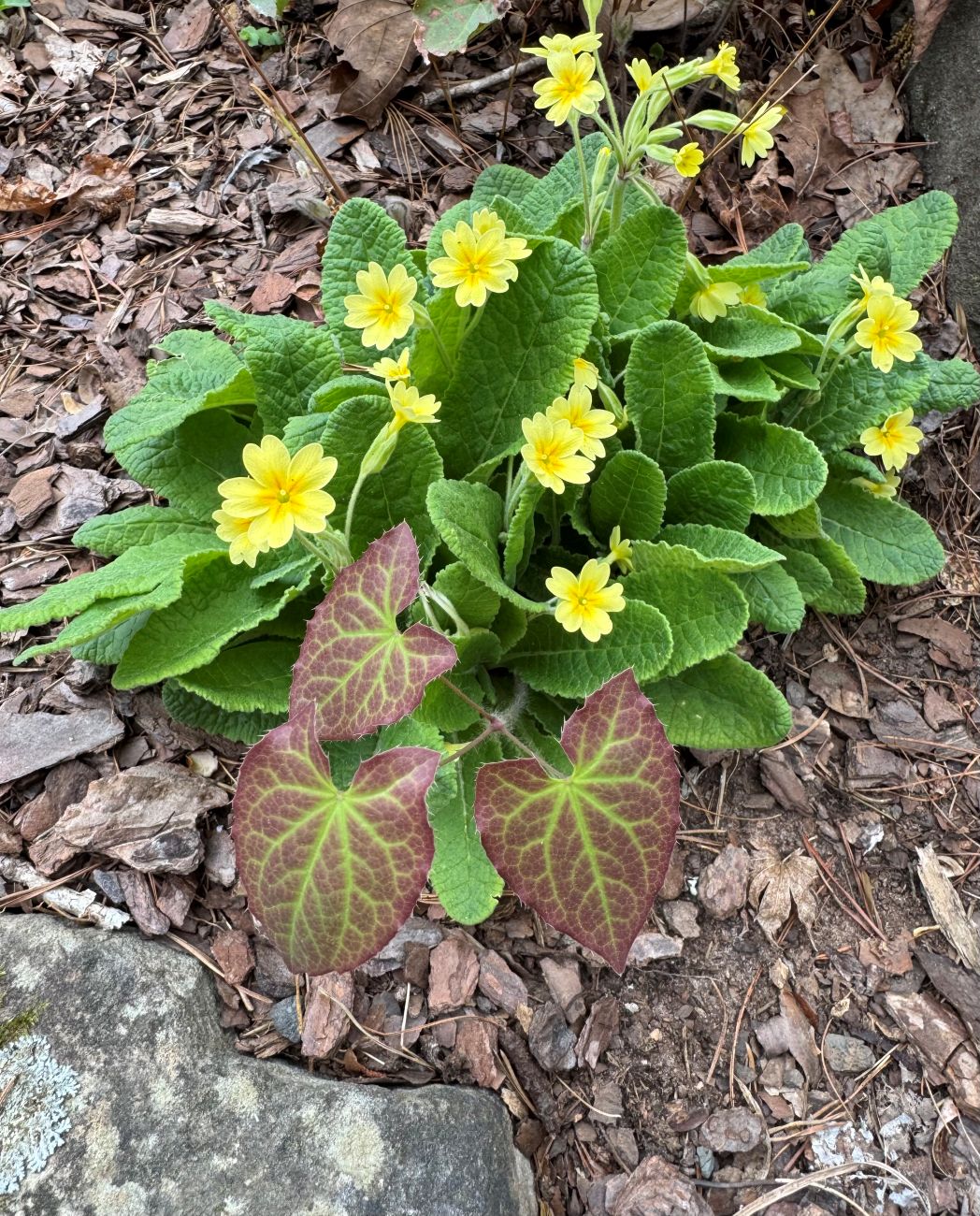
The garden’s capacity for surprise is perhaps best illustrated by the accidental pairing of the yellow Epimedium × versicolor ‘Sulphureum’ and the vibrant Primula veris (cowslip). These two perennials, through a combination of thoughtful placement and natural colonization, created an unexpected, complementary arrangement that defines the aesthetic of the current season.
The Miracle of the Log
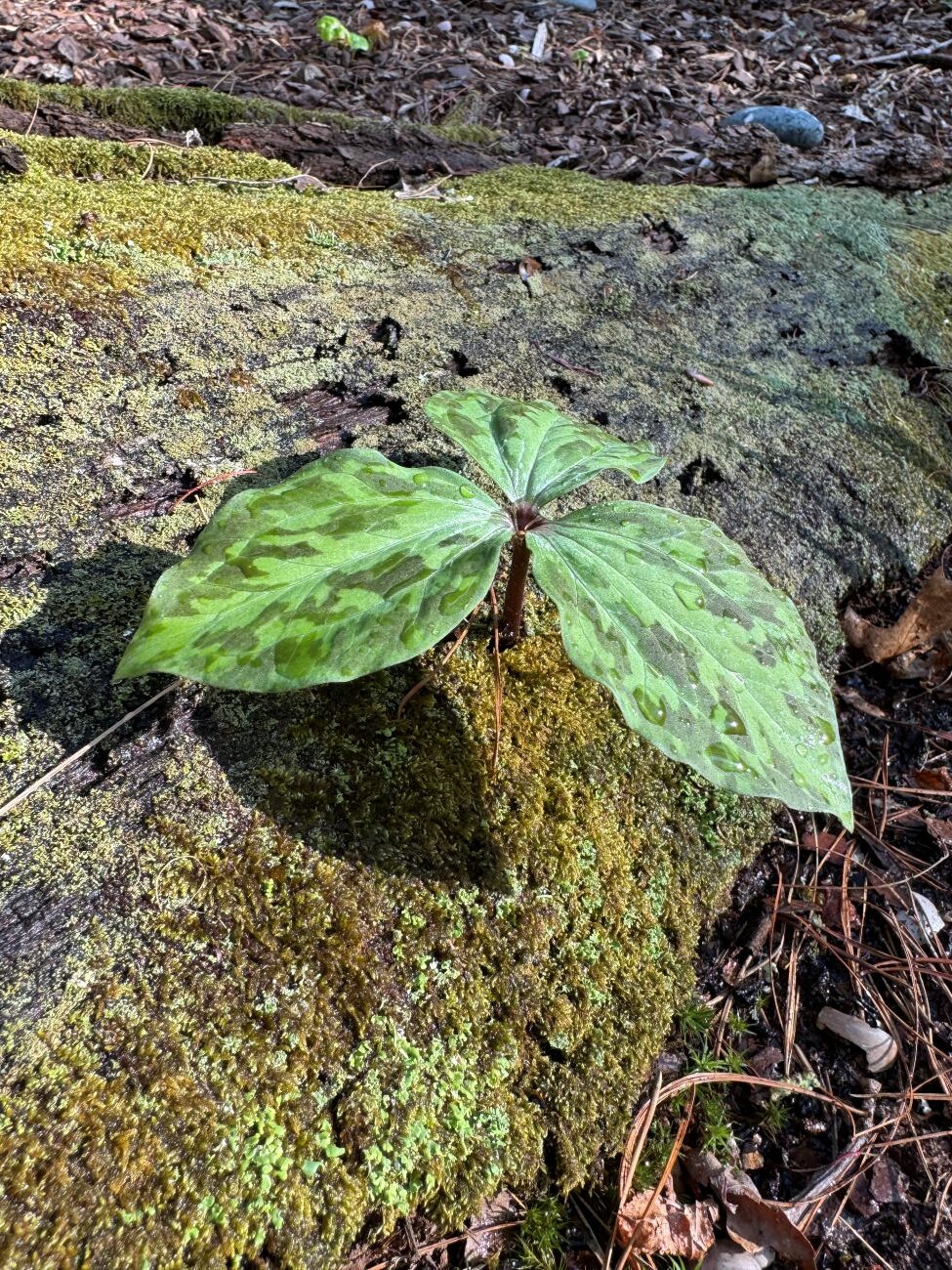
Perhaps the most poignant moment in the garden’s recent history is the arrival of a Trillium. These woodland treasures are notoriously difficult to establish, often requiring years of specific environmental conditions to bloom. When a Trillium emerged from a rotting log that had been a permanent fixture on the property for over two decades, it underscored the importance of patience. This unsolicited addition highlights the role of the gardener not just as a creator, but as a steward of a site’s innate potential.
Supporting Data: Horticultural Selection and Care
The success of this Georgia woodland garden is anchored in a deep understanding of plant hardiness and site-specific maintenance. The following species are central to the landscape’s structure:
- Japanese Maples (Acer palmatum & Acer shirasawanum): These are the backbone of the garden. Varieties such as ‘Moonrise’—which transitions from an intense orange-red in spring to a cooling chartreuse in summer—and the aptly named ‘Kawaii’ (meaning "cute" in Japanese) provide height and seasonal color shifts.
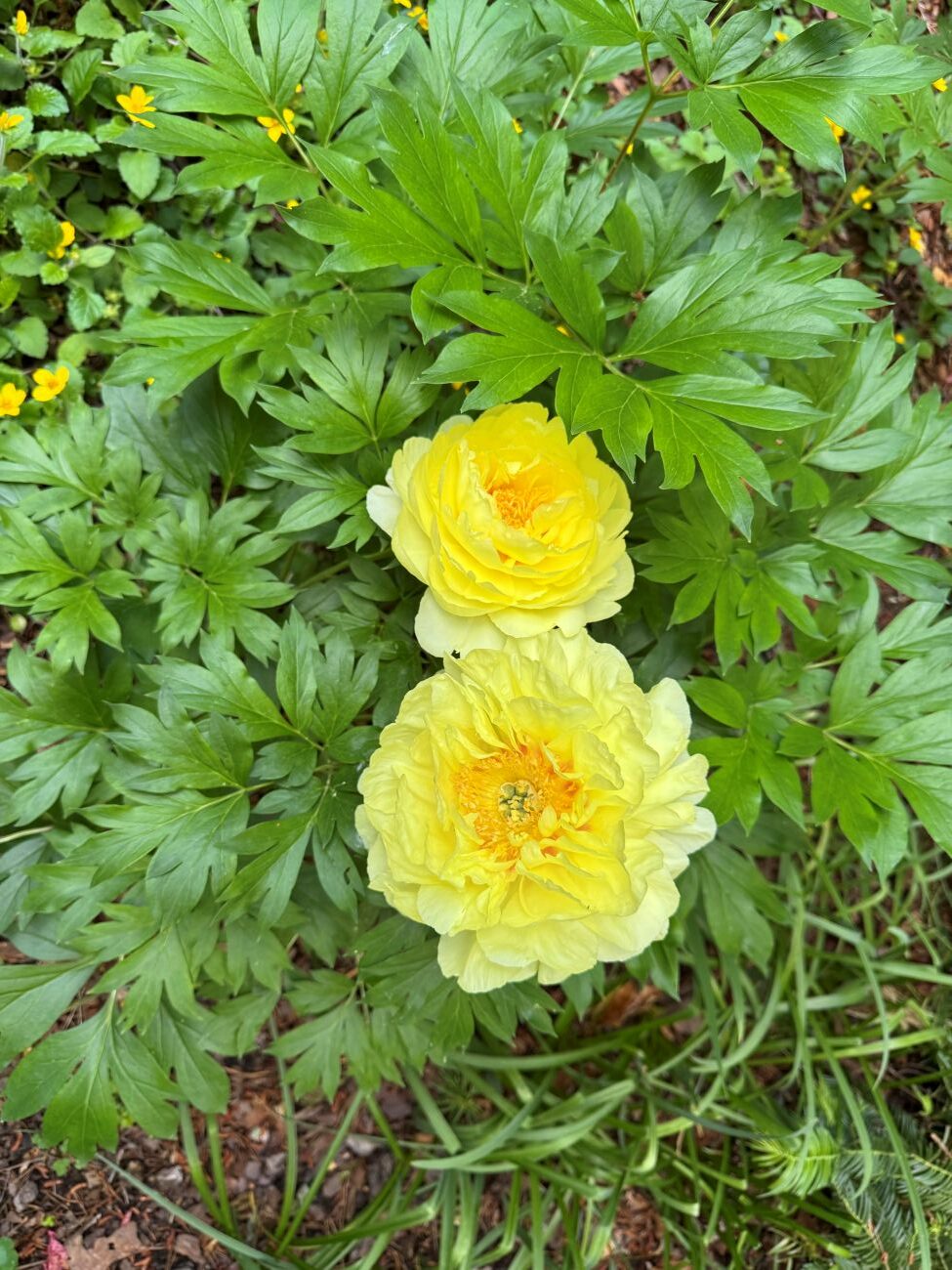
- Perennials and Bulbs: The inclusion of Paeonia ‘Bartzella’, an intersectional hybrid, serves as a lesson in delayed gratification. After three years of anticipation following a clearance-bin purchase, the plant has finally matured to produce massive, 6–9 inch fragrant blooms.
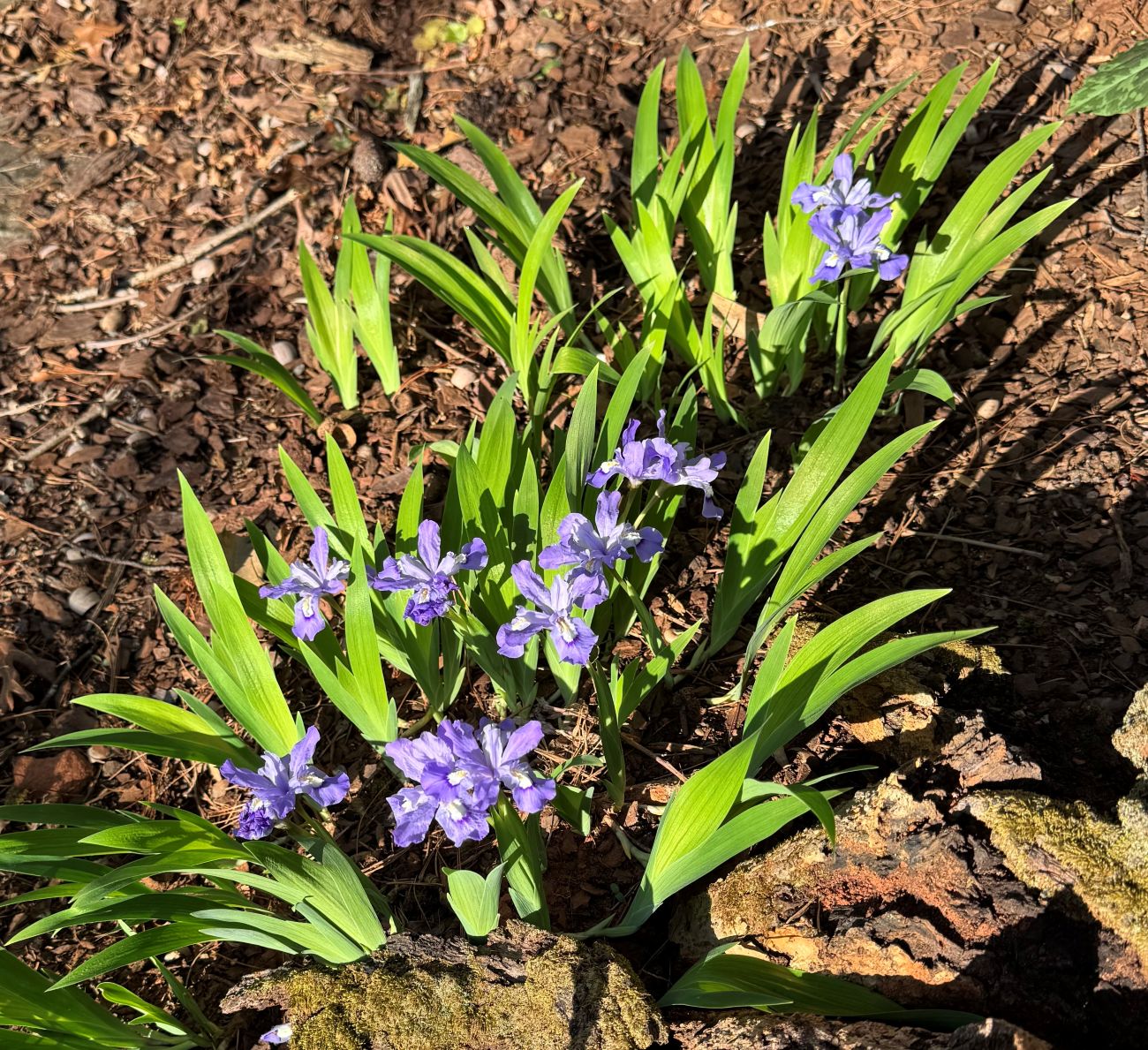
- Ground Covers: Iris cristata (Crested Iris) acts as a seasonal herald. While its bloom cycle is fleeting, its value lies in its longevity as a deer-resistant ground cover, a crucial attribute for gardens in the deer-populated regions of the Georgia foothills.
- Pollinator Support: The inclusion of Phlox paniculata ‘Jeana’ provides essential late-summer support for local butterfly populations, blooming from July through September with a noted resistance to common issues like powdery mildew.
Official Perspectives: The Gardener’s Philosophy
When discussing the evolution of her property, Bonnie emphasizes that the most successful garden elements are often those that require the most time. "To be a good gardener, one must have a lot of patience," she notes, reflecting on the three-year wait for her peonies to flower.
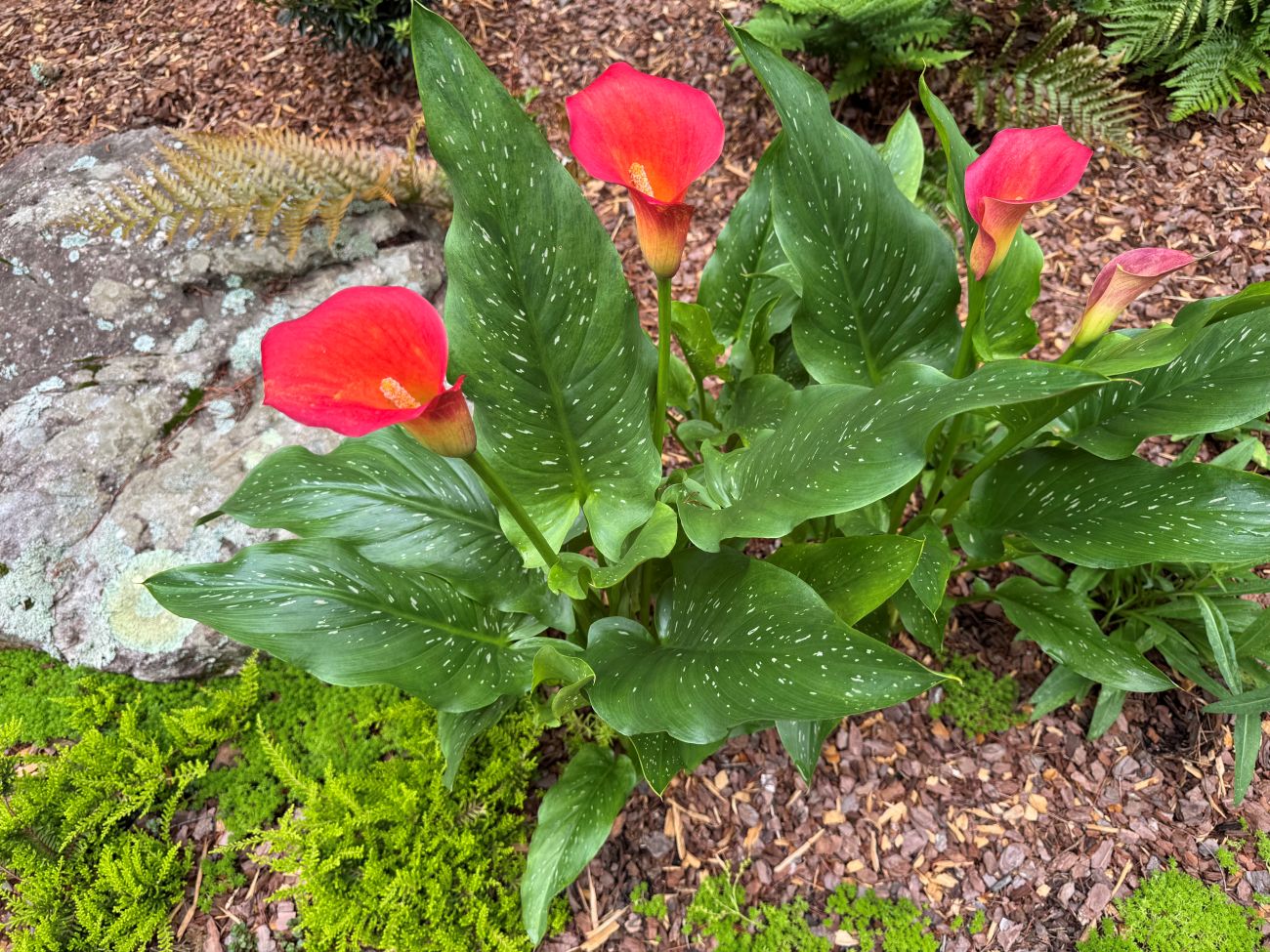
This philosophy extends to her management of the garden’s more "exotic" components. For instance, her Calla Lilies (Zantedeschia cvs.) remain in the ground throughout the winter. In her specific hardiness zone, she has determined that the soil provides sufficient insulation, a practice that highlights the importance of local knowledge over generic gardening manuals.
Implications: The Future of the Woodland Garden
The implications of Bonnie’s work are clear: a garden is not a product to be finished, but a process to be inhabited. By moving away from "master plans" and toward a model of continuous, intuitive engagement, gardeners can create spaces that are more resilient, more diverse, and deeply personal.
The garden’s "guardian," a dog named Cody, adds a final, essential dimension to the site. A garden is, after all, not just a collection of flora, but a shared space for life. The success of this Jasper, Georgia, woodland retreat lies in its balance of structure and spontaneity, and in the gardener’s willingness to let the garden reveal its own secrets over time.
How to Contribute to the Gardening Community
The spirit of sharing knowledge is what keeps the horticultural community vibrant. Whether you have a vast estate or a collection of containers, your experiences contribute to the collective wisdom of gardeners everywhere.
Submission Guidelines:
- Format: We invite submissions of 5–10 high-resolution photos.
- Narrative: Include details regarding your location, the duration of your gardening journey, and specific lessons learned from both your successes and your failures.
- Engagement: The team is particularly interested in hearing about your favorite plant combinations, funny anecdotes, or specific challenges you have overcome in your own patch of earth.
To participate, please utilize the Garden Photo of the Day Submission Form or contact the editorial team directly.
Recommended Resources for the Aspiring Woodland Gardener
For those looking to replicate the success of such a mature landscape, expert guidance on ecology and maintenance is invaluable.
- Ecological Literacy: The Nature of Oaks by Doug Tallamy offers a profound look at the seasonal cycles of life and renewal within our own backyards. Understanding the ecology of essential native trees is the first step toward a thriving woodland space.
- Maintenance Excellence: Proper irrigation management is vital. Tools such as the Morvat Heavy Duty Brass Y-Valve allow for precise control over water distribution, ensuring that delicate specimens receive the exact hydration they require.
- Horticultural Precision: Pruning Simplified: A Step-by-Step Guide to 50 Popular Trees and Shrubs serves as a critical resource. Learning the "how" and "when" of pruning is essential for maintaining the health of Japanese maples and other slow-growing woody plants, ensuring that the gardener makes the right cut the first time.
Fine Gardening receives a commission for items purchased through these links, including Amazon Associates and other affiliate advertising programs.