The Breakfast Revolution: Why This Lower-Sugar Granola is Changing Toddler Nutrition
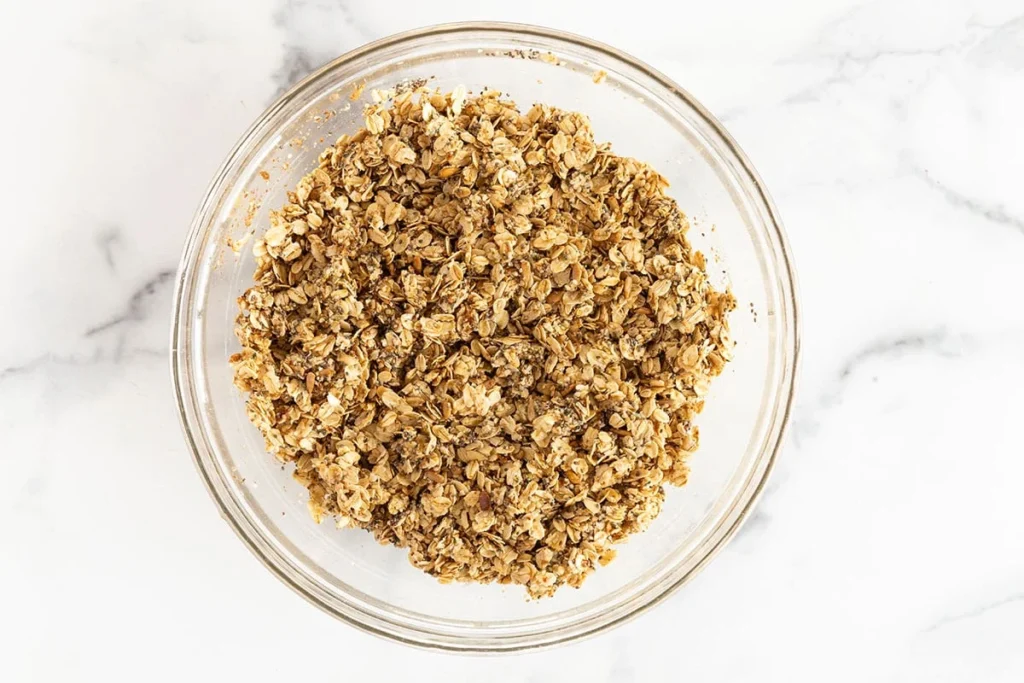
In the landscape of modern parenting, few tasks are as daunting as curating a breakfast menu that is simultaneously nutritious, palatable for picky toddlers, and devoid of the excessive added sugars found in mass-market cereals. As families increasingly turn toward whole-food alternatives, the emergence of "lower-sugar" homemade granola has shifted from a niche health trend to a staple in households across the country. This article explores the mechanics of creating a fiber-rich, toddler-friendly granola that prioritizes health without sacrificing the crunch and flavor children crave.
The Main Facts: Defining a Healthier Morning
For years, the breakfast aisle has been dominated by products masquerading as "healthy" while packing enough sugar to exceed a child’s daily recommended intake before the school bus even arrives. The alternative, a simple, homemade granola, offers a paradigm shift.
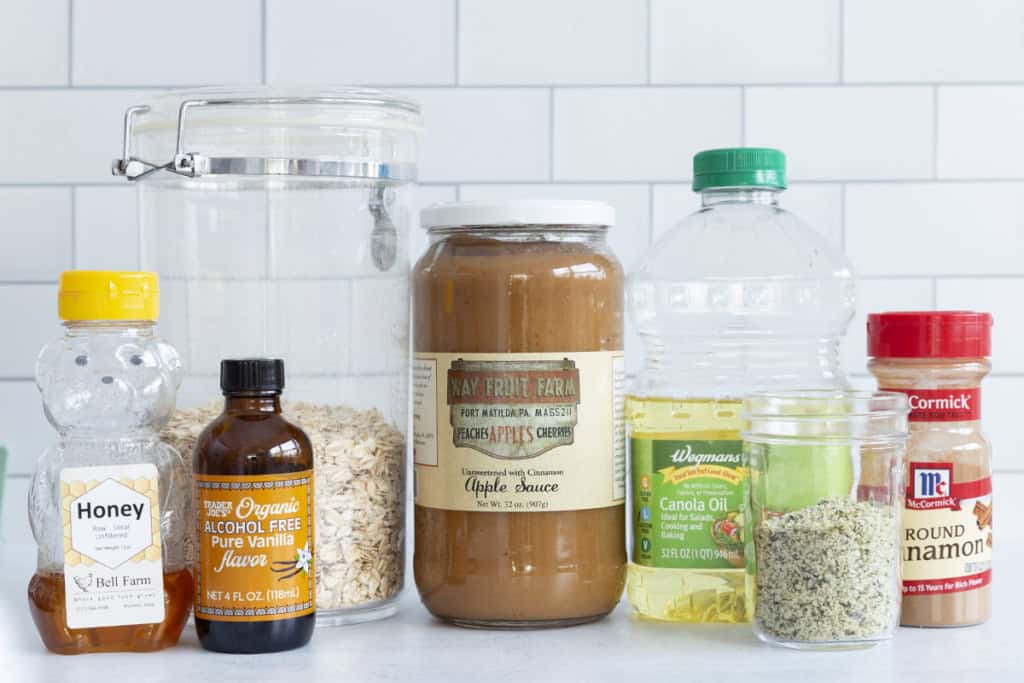
The core philosophy behind this specific recipe is simple: utilize natural sweetness from fruit sources like applesauce to anchor the flavor profile, rather than relying on refined sugars or high-fructose corn syrup. By anchoring the recipe with almond flour and peanut butter, parents provide a trifecta of protein, healthy fats, and complex carbohydrates. This nutrient density is critical for the rapid development of toddlers, providing sustained energy rather than the erratic spikes and crashes associated with high-sugar cereals.

The Chronology of Development: From Concept to Kitchen
The journey of this recipe began with the need to solve a common parental dilemma: how to offer a "crunchy" cereal experience that is safe and healthy for children under the age of three.
- Initial Formulation: The early stages focused on texture. Traditional granola often relies on large, hard nuts that pose a choking hazard for toddlers. The transition to a finer, almond-flour-based crumble allowed for the signature "granola experience" while maintaining a safer, more digestible texture.
- Sweetness Calibration: The pivot to applesauce as the primary binding and sweetening agent occurred after testing various natural sweeteners. It was found that applesauce not only reduces the overall glycemic index of the meal but also provides a subtle moisture that prevents the grains from becoming excessively dry or brittle during the baking process.
- Refining for Versatility: Over the course of several years, the recipe was stress-tested against various serving methods—ranging from being mixed into thick, protein-rich Greek yogurt to being ground down into "granola sprinkles" for younger toddlers transitioning to solid foods.
Supporting Data: Nutritional Integrity
When analyzing the nutritional breakdown of this lower-sugar granola, the data supports its inclusion in a balanced diet. With approximately 91 calories per serving, the composition is carefully balanced to support growth.
- Protein and Healthy Fats: The inclusion of peanut butter and nut-based flours provides approximately 2 grams of protein per serving. This is vital for the satiety of active toddlers.
- Fiber Content: With 2 grams of fiber per serving, this granola aids in digestive health—a frequent concern for parents of toddlers.
- The Sugar Factor: At just 3 grams of sugar per serving, this recipe stands in stark contrast to commercial brands, which often contain upwards of 12–15 grams of added sugars. By minimizing refined sugars, parents help set a long-term precedent for a child’s palate, favoring natural fruit flavors over artificial sweetness.
Expert Perspectives: Why This Method Works
Nutritional experts have long advocated for the "early exposure" theory, which suggests that the foods introduced in the first few years of life play a significant role in long-term dietary habits. By making granola at home, parents are not just preparing a meal; they are curating an environment of healthy eating.
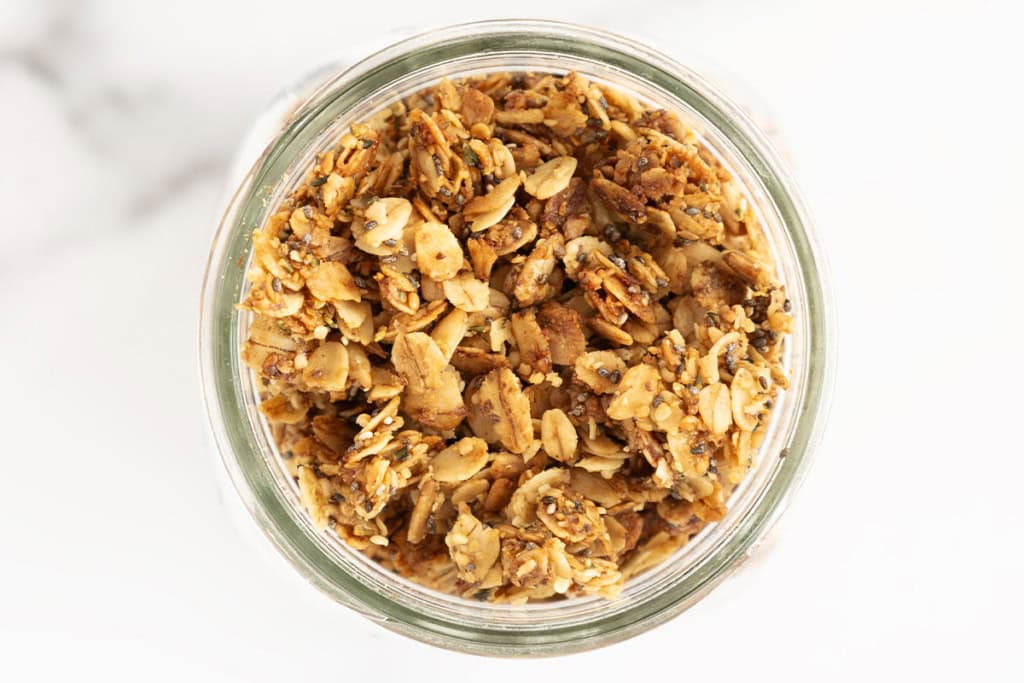
"The beauty of this approach is its adaptability," notes one pediatric nutritionist. "By omitting the honey or maple syrup entirely, you create a profile that is essentially sugar-free, which is a gold standard for pediatric nutrition. Furthermore, the ability to swap nuts for seeds like sunflower or pumpkin makes this a highly inclusive recipe for families managing common allergens."
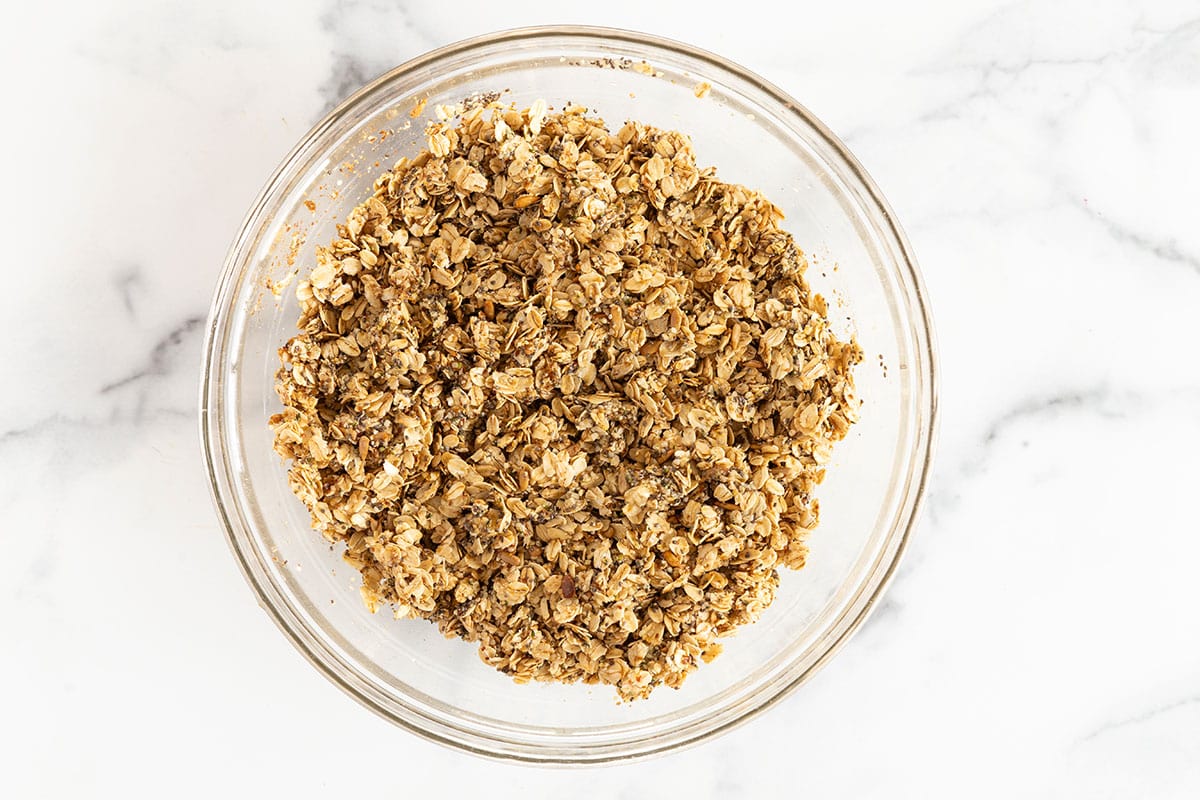
The methodology of the bake is equally important. By stirring the ingredients before baking and allowing the mixture to cool completely before storage, the cook ensures that the granola retains its crisp texture without the need for high-heat processing or chemical preservatives.
Implications for Families and Future Habits
The broader implication of this culinary shift is the empowerment of the caregiver. When parents move away from pre-packaged, "convenience" foods, they regain control over the quality of their children’s caloric intake.
Dietary Flexibility
The recipe is remarkably resilient. For households dealing with nut allergies, the substitution of seeds (hemp, sunflower, or pumpkin) yields a result that is just as nutritious. For families focusing on vegan or gluten-free diets, the base ingredients are naturally compatible, requiring only minor adjustments to meet specific dietary labels.
The Educational Component
Beyond the nutritional value, involving children in the process of mixing and baking creates a positive association with the kitchen. When a toddler helps stir the ingredients for their own "granola sprinkles," they are more likely to engage with the food during mealtime. This behavioral aspect of nutrition is often overlooked but remains one of the most effective tools for combating picky eating.
Long-Term Health Outcomes
Reducing sugar intake in early childhood has been linked to a reduced risk of obesity, type 2 diabetes, and dental issues later in life. By providing a stable, fiber-rich breakfast, parents ensure that their children enter the day with steady blood sugar levels, which is crucial for cognitive function, mood regulation, and physical energy.
Practical Implementation: A Guide to Success
For those looking to adopt this recipe into their weekly routine, success hinges on three key factors:
- Storage: Because this recipe lacks the heavy preservatives of commercial products, it should be stored in airtight containers. It remains fresh for up to a month in the pantry, or up to three months in the freezer. Freezing is an excellent, often underutilized, strategy for maintaining freshness and ensuring that a quick breakfast is always on hand.
- Texture Adjustment: The "sprinkle" method—grinding the baked granola in a food processor—is a professional-grade tip for parents of younger toddlers. It provides the flavor of a granola bar without the risk of large, hard pieces.
- Pairing: To maximize the nutritional benefit, pair the granola with high-quality, plain yogurt. The probiotics in the yogurt, combined with the fiber in the granola, create a symbiotic, gut-friendly breakfast that keeps children full until their next snack or meal.
Conclusion
The move toward lower-sugar, homemade granola is more than just a culinary trend—it is a proactive step toward better pediatric health. By focusing on whole-food ingredients like applesauce, nut butters, and seeds, parents can provide a breakfast that is both delicious and developmentally appropriate.
As we look toward the future of childhood nutrition, the focus must remain on simplicity and transparency. When we know exactly what goes into our children’s bodies, we can rest easier knowing that we are building the foundation for a lifetime of healthy habits. Whether you choose to serve it as a crunchy topping or a fine, nutritious sprinkle, this lower-sugar granola represents the best of what homemade cooking can offer: flavor, nutrition, and peace of mind.