The Economics of the Dinner Table: How Professional Culinary Techniques Are Revolutionizing Budget-Friendly Home Meal Prep
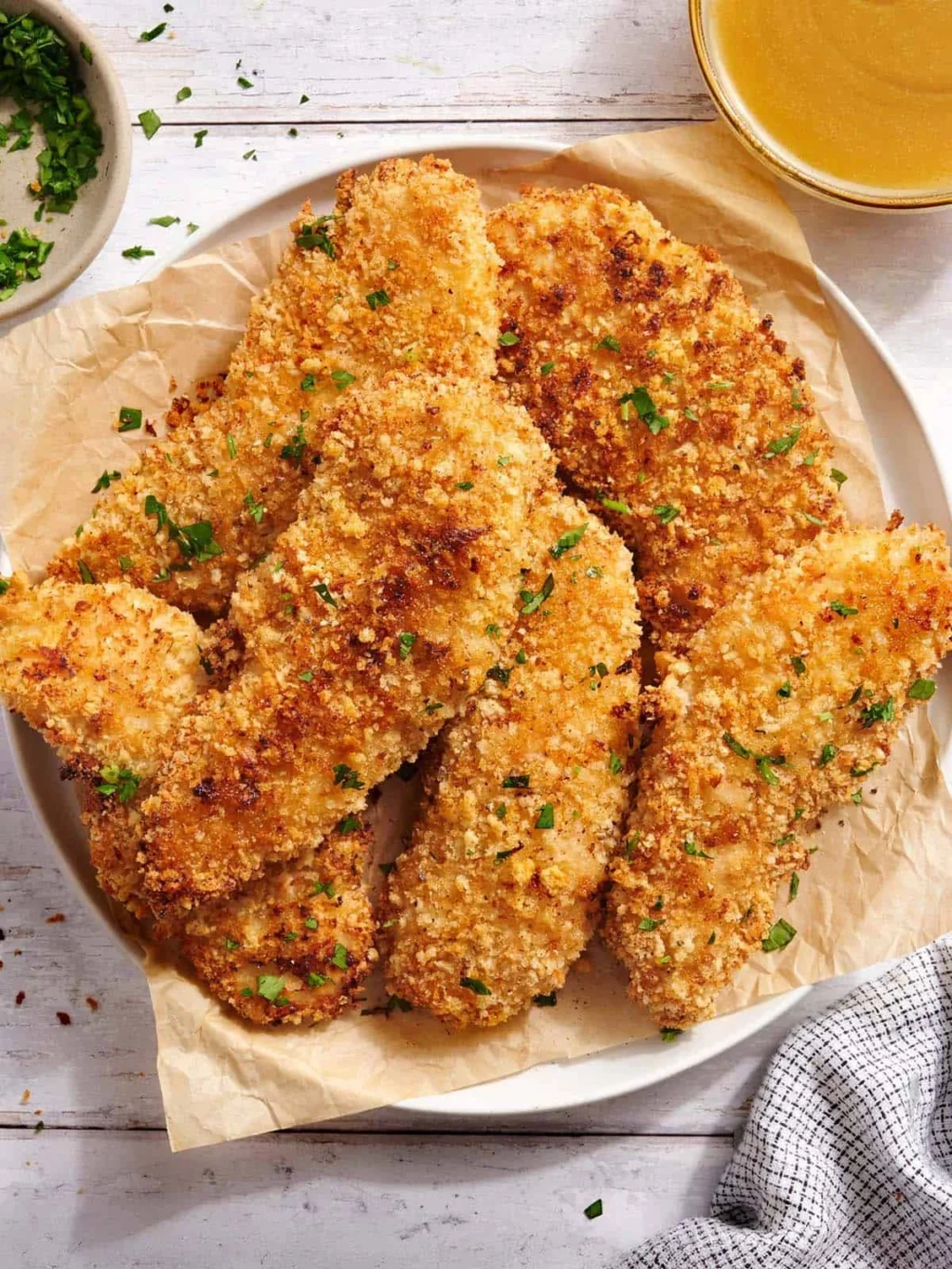
NASHVILLE, Tenn. — As macroeconomic pressures and persistent food inflation continue to squeeze household budgets, American consumers are increasingly turning away from fast-food drive-thrus in search of affordable, health-conscious alternatives at home. A newly refined culinary method developed in the Nashville Test Kitchen demonstrates how professional chef techniques can transform a childhood staple—the classic chicken tender—into a highly nutritious, restaurant-quality meal for a fraction of the cost of commercial fast food.
Developed by professional chef and former culinary professor Jess Rice, this optimized oven-baked chicken tender recipe offers an innovative approach to home meal prep. By combining chemical tenderization techniques with structural modifications to traditional breading, the recipe yields a crispy, golden product without the use of deep fryers, artificial additives, or expensive ingredients. Priced at just $1.76 per serving, the dish represents a significant economic and nutritional departure from standard processed food offerings.
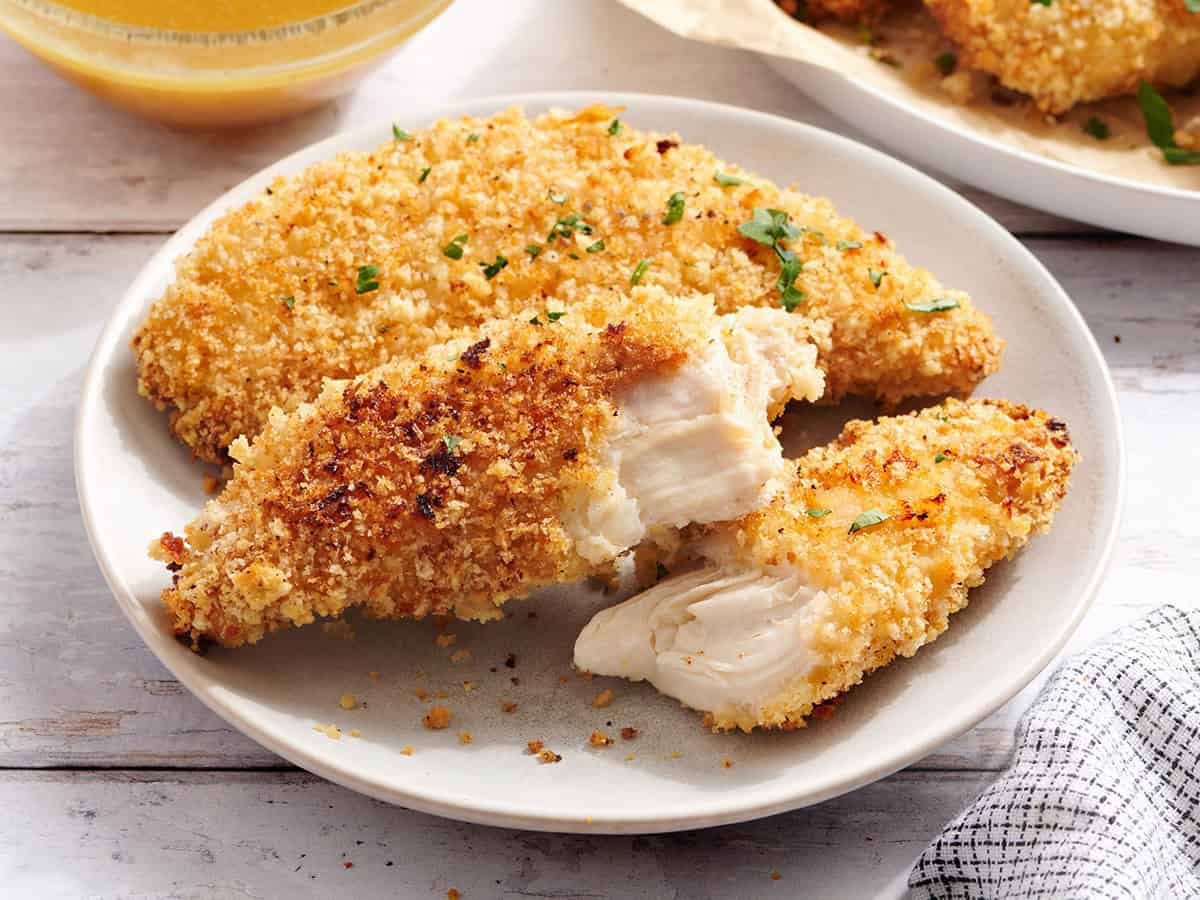
Main Facts: The Anatomy of a Reimagined Classic
Traditional chicken tenders are typically prepared using a three-step dredging process—flour, beaten egg, and breadcrumbs—followed by deep frying in hydrogenated vegetable oils. While this method produces a crispy exterior, it significantly increases the caloric density, saturated fat content, and overall cost of the dish.
The Nashville Test Kitchen’s updated recipe introduces two major structural innovations that bypass the need for frying:
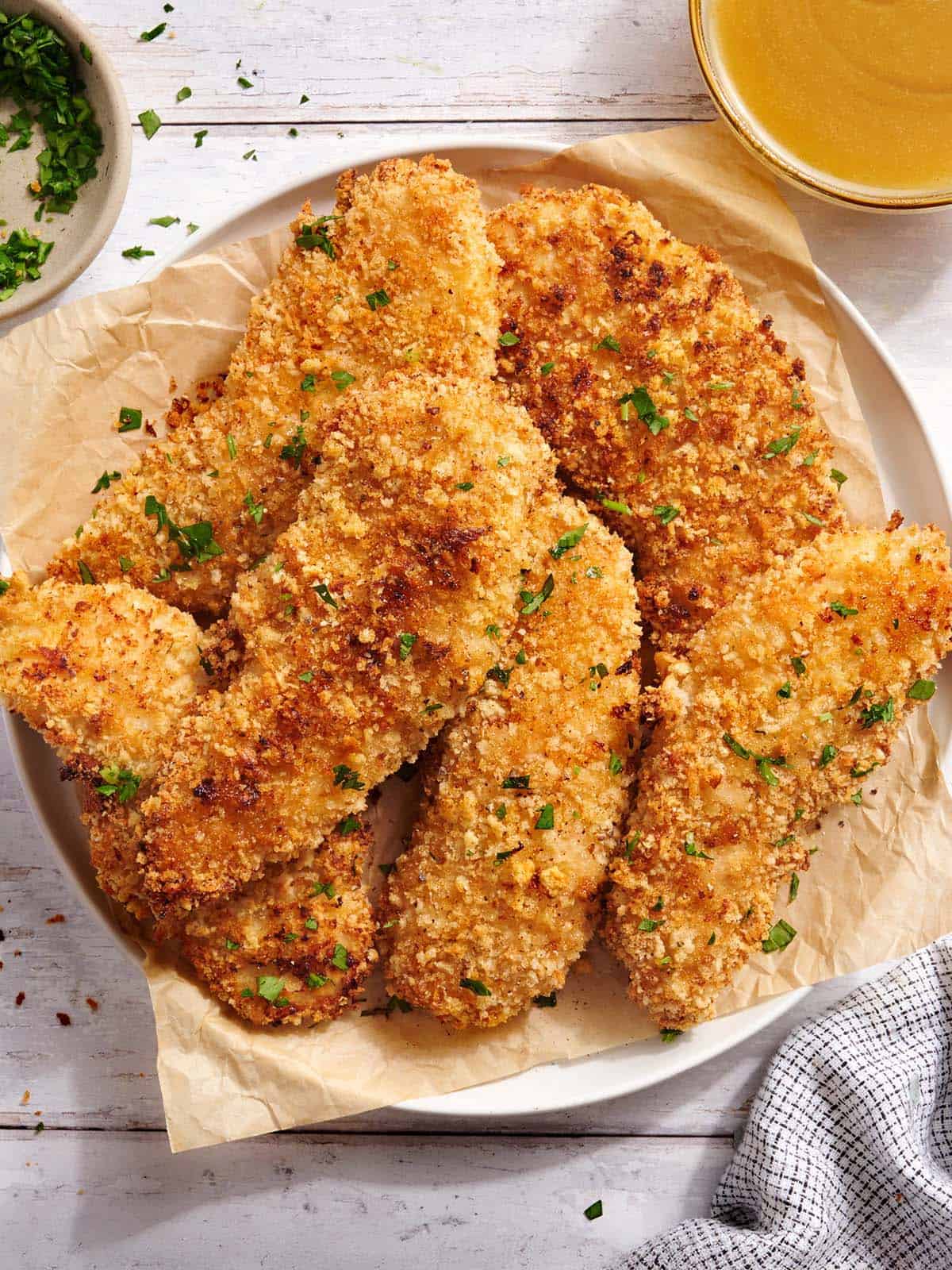
- The Greek Yogurt Binder: Replacing the traditional flour-and-egg wash with a mixture of plain Greek yogurt and water. This substitution serves a dual purpose: the lactic acid in the yogurt gently tenderizes the chicken breast meat, while its thick viscosity provides a superior adhesive surface for the breadcrumbs.
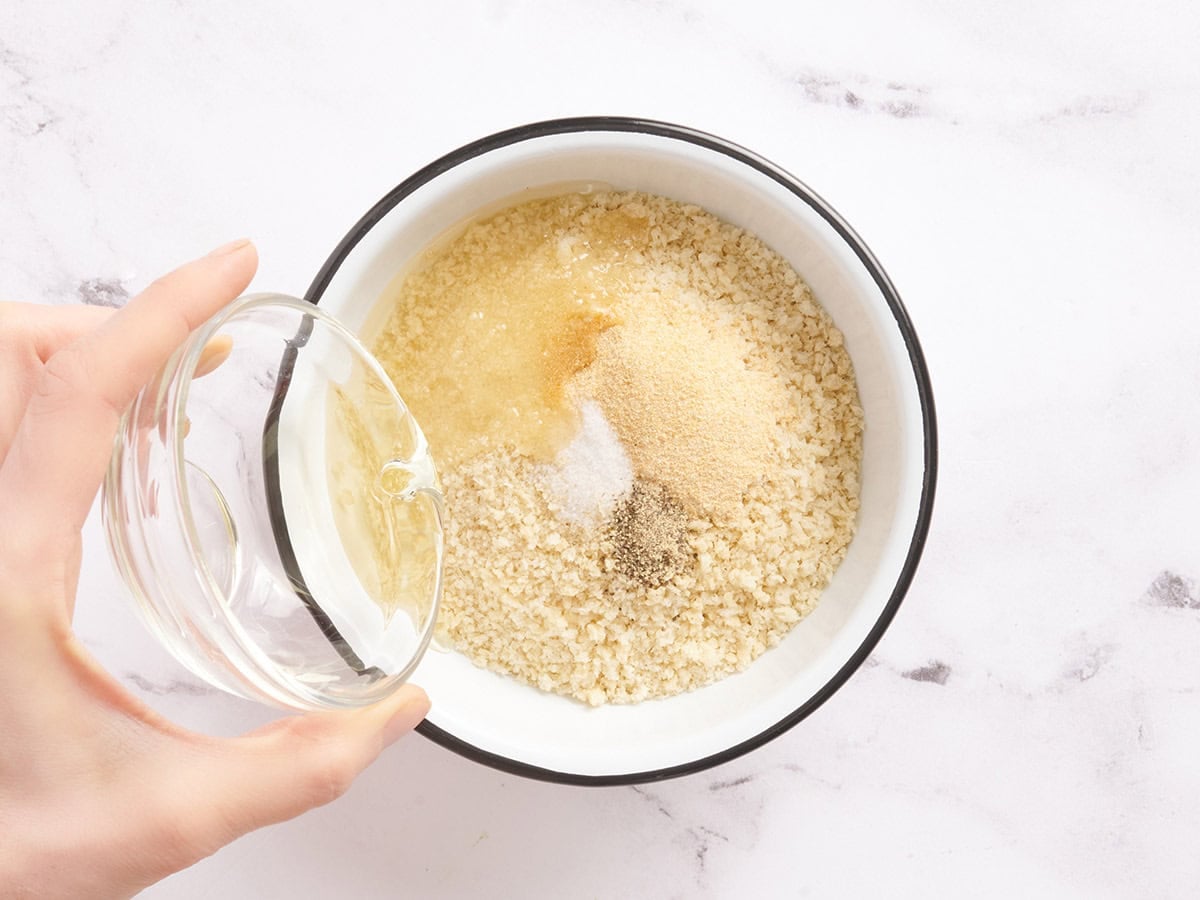
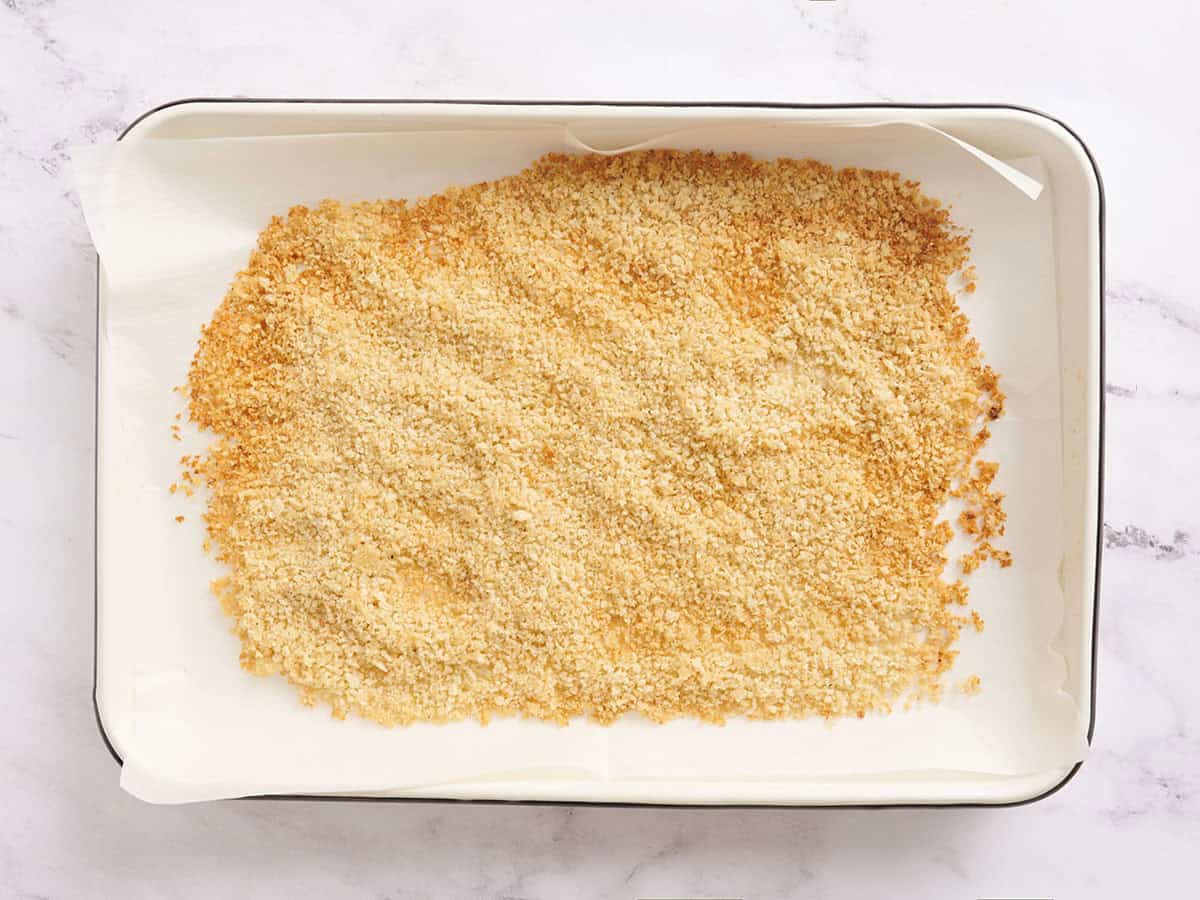
- Pre-Toasted Panko Coating: Oven-baked breaded chicken often suffers from a pale, soggy crust because the chicken cooks through before the exterior can brown. By mixing panko breadcrumbs with a small amount of neutral oil and pre-toasting them in the oven before breading, home cooks can achieve a deeply golden, crunchy texture that mimics the results of deep frying.
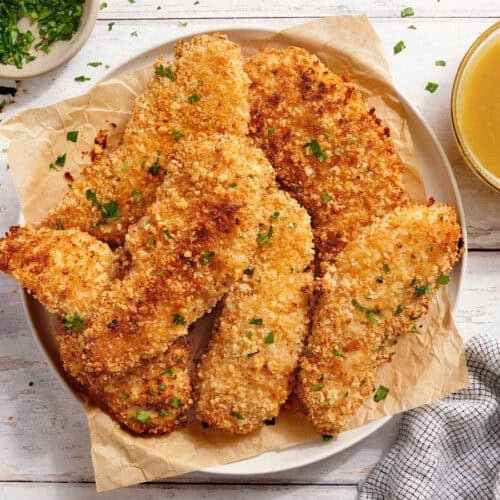
The resulting recipe yields approximately eight to nine large chicken tenders per batch, sufficient for four generous servings. At a total recipe cost of $7.03, the meal presents an accessible option for families looking to optimize their grocery budgets without sacrificing flavor or texture.
Chronology: The Step-by-Step Prep and Cook Process
Achieving restaurant-quality texture in a home oven requires strict adherence to a precise culinary timeline. The following chronological guide outlines the preparation, cooking, and storage phases of the recipe.
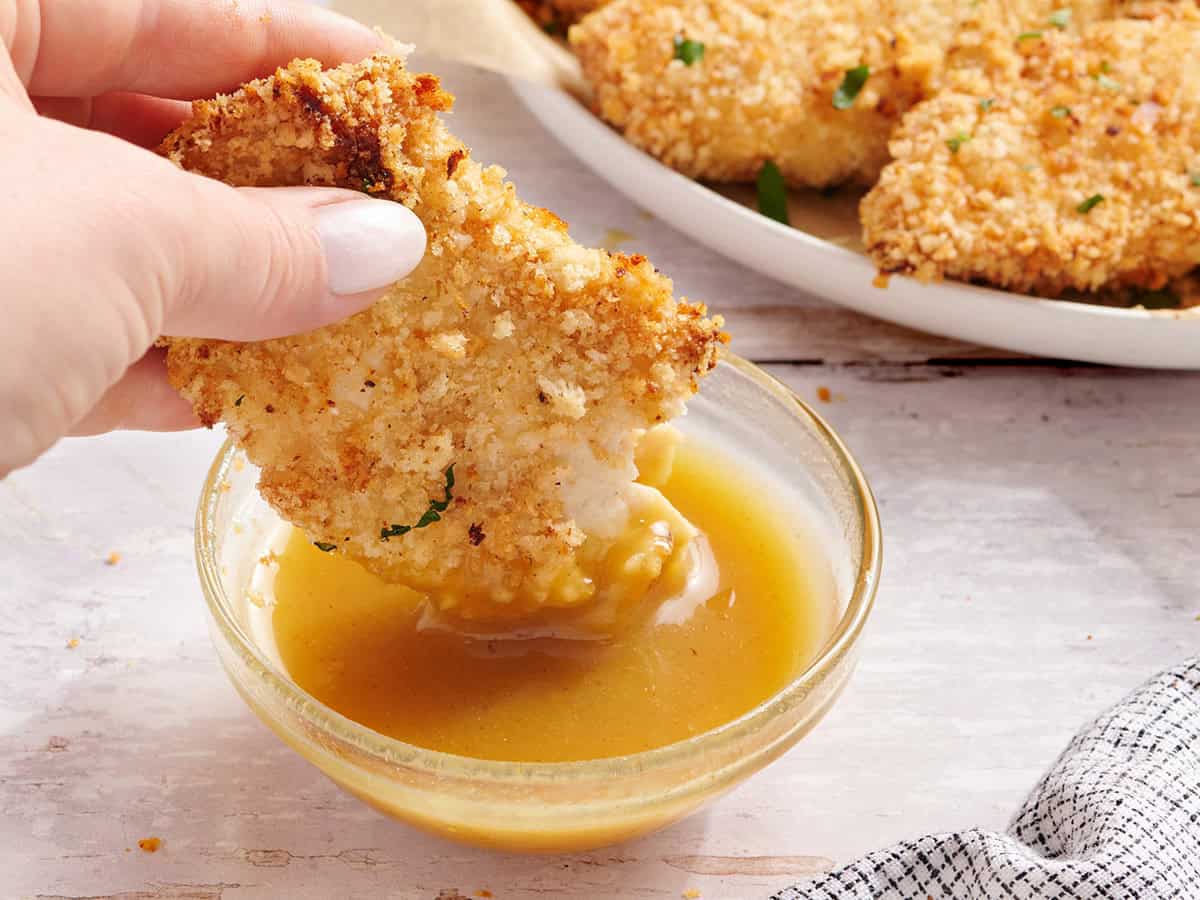
Phase 1: Preparation and Tenderization (Time: 10–15 Minutes)
- Oven Initialization: The oven is preheated to 400°F (204°C). A large baking sheet is lined with parchment paper to prevent sticking and facilitate even heat distribution.
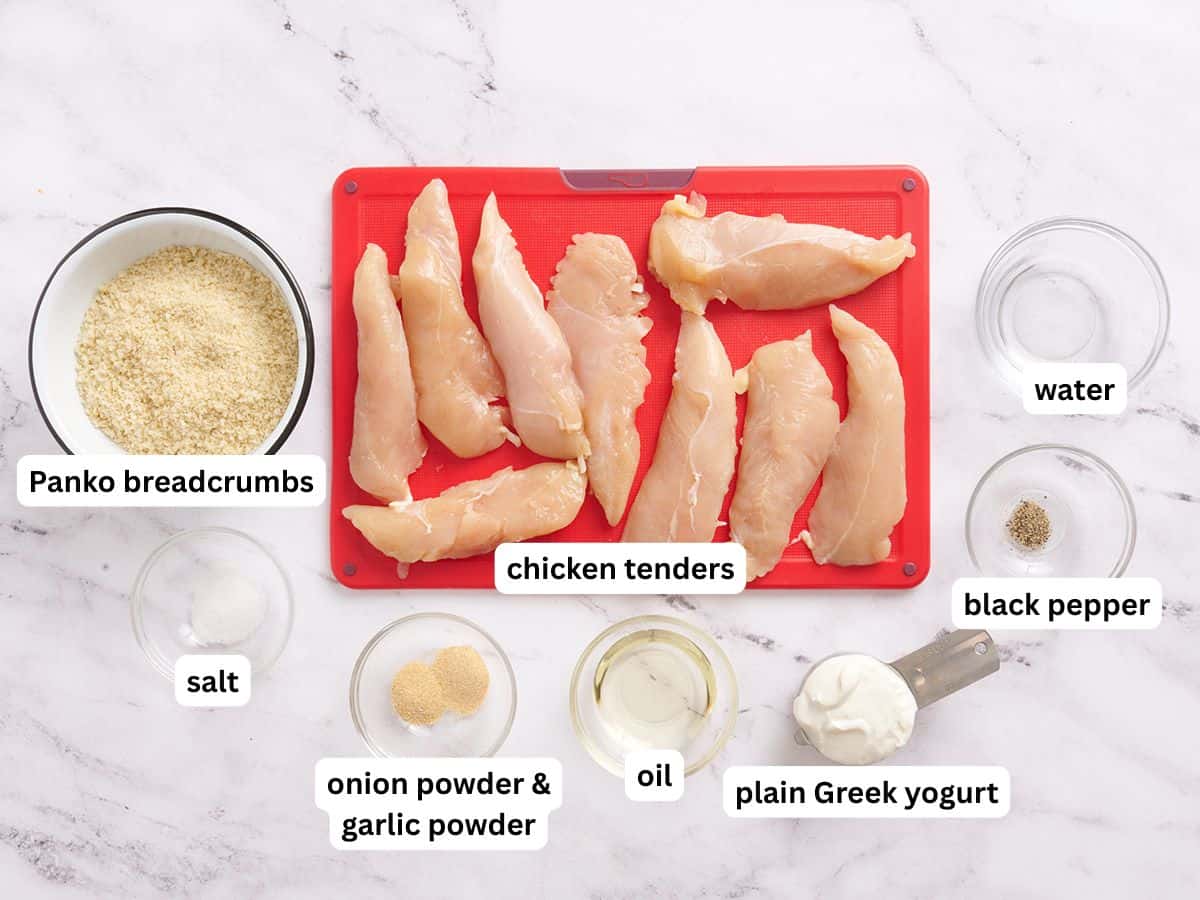
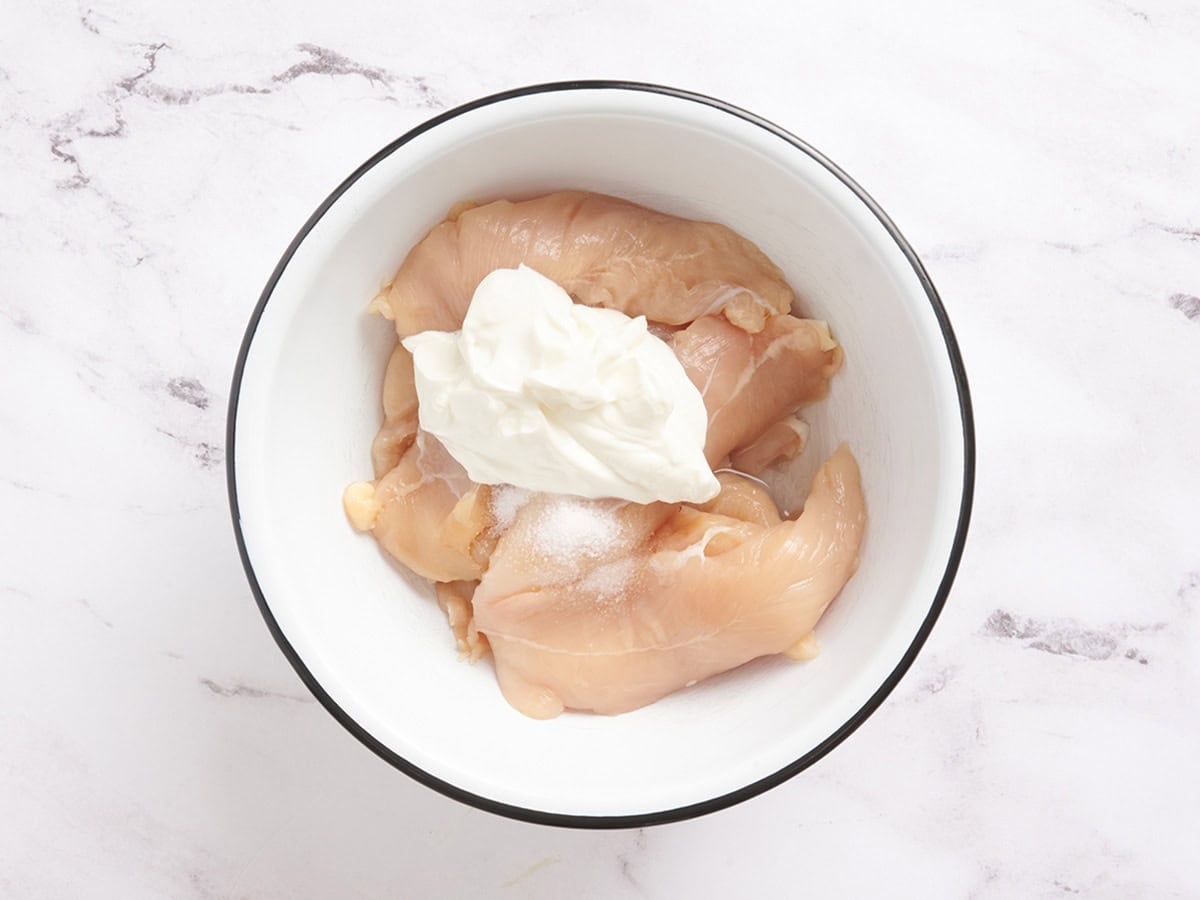
- The Yogurt Bath: In a medium-sized mixing bowl, 1 pound of raw chicken tenders is combined with 1/3 cup of plain Greek yogurt, 1/4 teaspoon of salt, and 3 tablespoons of water.
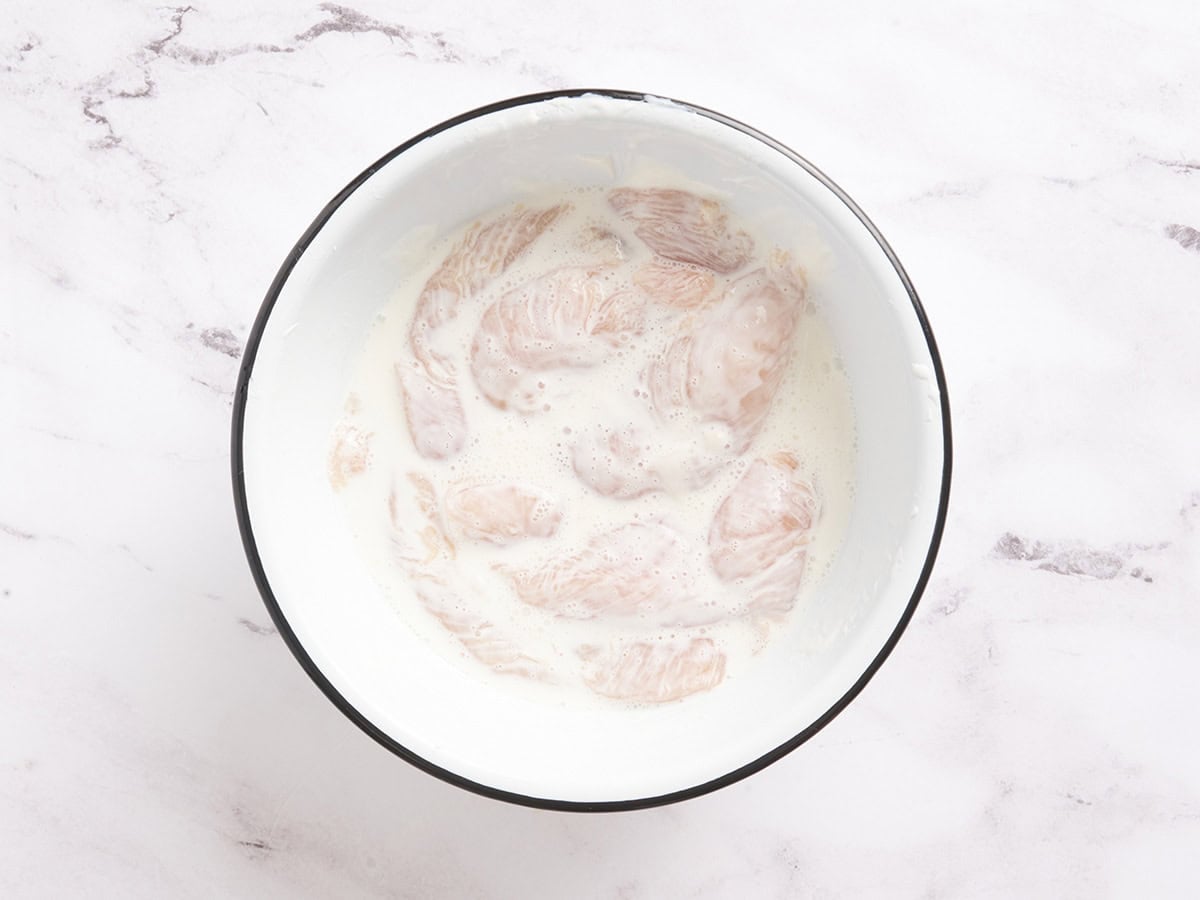
- Enzymatic Marination: The mixture is thoroughly tossed to ensure every piece of chicken is evenly coated. The bowl is covered and placed in the refrigerator. During this resting period, the lactic acid and calcium in the yogurt begin breaking down the protein fibers in the chicken, ensuring a juicy interior.
Phase 2: Seasoning and Pre-Toasting the Panko (Time: 5–8 Minutes)
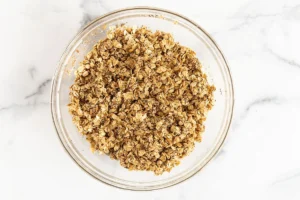
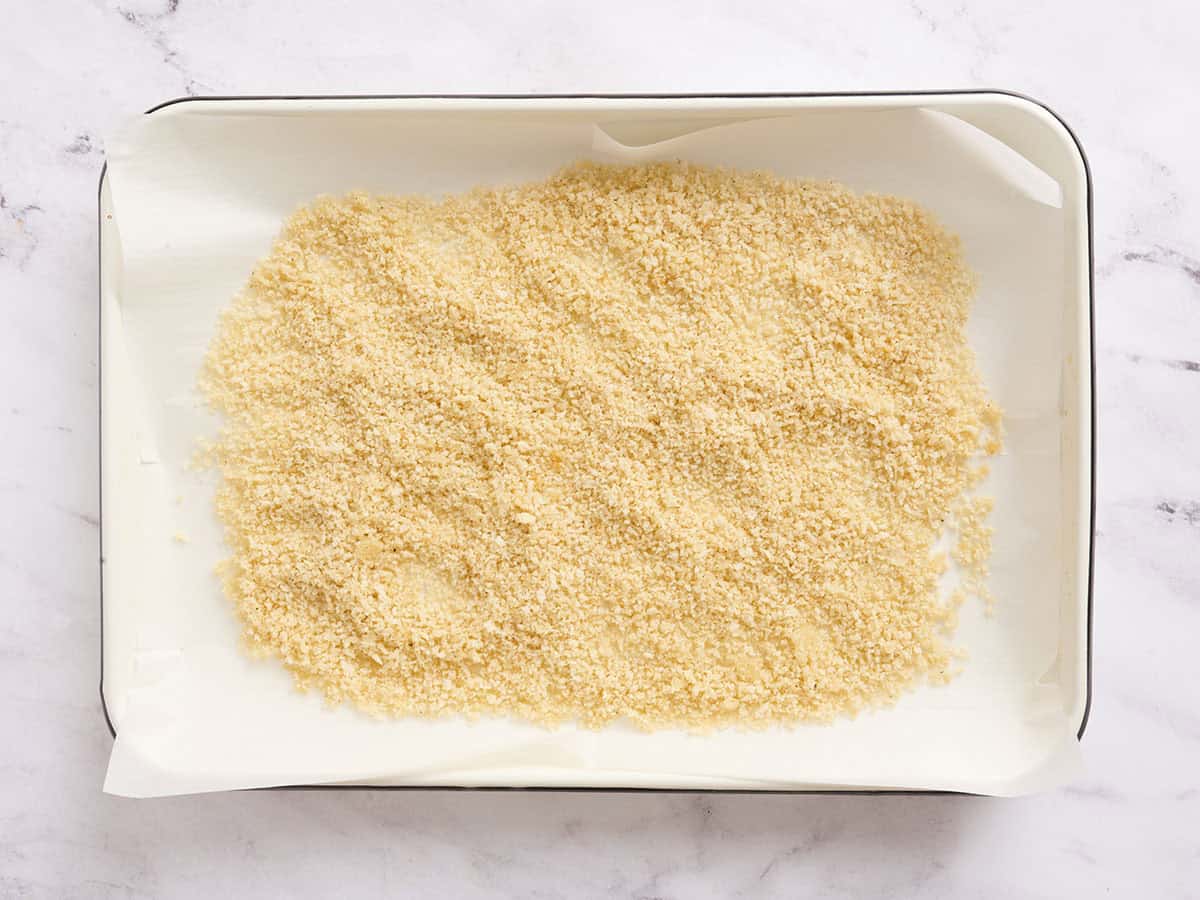
- The Dry Blend: In a separate mixing bowl, 1 3/4 cups of panko breadcrumbs are combined with 1/2 teaspoon of onion powder, 1/2 teaspoon of garlic powder, 1/4 teaspoon of salt, 1/8 teaspoon of freshly cracked black pepper, and 2 tablespoons of a neutral oil (such as canola, vegetable, grapeseed, or refined avocado oil). The mixture is stirred thoroughly until the oil is evenly distributed across the dry crumbs.
- The Toasting Cycle: The seasoned panko is spread in a thin, uniform layer across the parchment-lined baking sheet. It is placed in the preheated oven for 2 to 5 minutes. Because panko can burn rapidly, it is monitored closely and removed as soon as it develops a light, golden hue.
- Cooling: The toasted breadcrumbs are transferred back to the mixing bowl to halt the cooking process.
Phase 3: Breading and Assembly (Time: 10 Minutes)
- The Dredging Process: Working systematically, the cook lifts one chicken tender from the yogurt mixture, allowing any excess liquid to drip back into the bowl.
- The Press: The tender is placed into the toasted panko. The breadcrumbs are pressed firmly onto both sides of the chicken, ensuring complete coverage.
- Arrangement: The breaded tender is placed back onto the parchment-lined baking sheet. The process is repeated for the remaining tenders, ensuring they are arranged in a single layer with sufficient space between them to allow hot air to circulate.
Phase 4: Cooking and Thermal Verification (Time: 30 Minutes)
- The First Bake: The baking sheet is placed in the center rack of the oven at 400°F. The chicken bakes undisturbed for 15 minutes.
- The Rotation: At the 15-minute mark, each chicken tender is carefully flipped using tongs to ensure uniform browning on both sides.
- The Final Bake: The chicken bakes for an additional 15 minutes.
- Safety Verification: Before serving, a calibrated digital food thermometer is inserted into the thickest portion of the largest tender. The internal temperature must register at least 165°F (74°C) to ensure the elimination of foodborne pathogens.
Phase 5: Preservation and Reheating (For Meal Prep)
- Cooling: Tenders are allowed to cool completely on a wire rack to prevent steam from softening the crust.
- Refrigeration: Leftovers are stored in an airtight container for up to 3 to 4 days.
- Freezing (Flash-Freeze Method): To prevent the tenders from sticking together, they are arranged in a single layer on a parchment-lined baking sheet and placed in the freezer until solid. Once frozen, they are transferred to a heavy-duty, freezer-safe bag and stored for up to 3 months.
- Reheating: To restore crispiness, refrigerated or frozen tenders are reheated in a 400°F oven for 8 to 10 minutes, or in an air fryer at 400°F for 4 to 6 minutes.
Supporting Data: Financial and Nutritional Analysis
To evaluate the viability of this recipe as a replacement for commercial fast food, a comprehensive comparative analysis of cost and nutritional metrics was conducted.
Cost-Benefit Analysis: Home-Cooked vs. Fast Food
The financial calculations for the homemade tenders are based on grocery prices sourced from national retailers like Walmart:
| Ingredient | Quantity | Estimated Cost |
|---|---|---|
| Chicken Tenders (Walmart) | 1.0 lb | $4.92 |
| Plain Greek Yogurt | 1/3 cup | $0.46 |
| Panko Breadcrumbs | 1 3/4 cups | $0.98 |
| Pantry Spices & Oil | Assorted | $0.67 |
| Total Recipe Cost | 4 Servings | $7.03 |
| Cost Per Serving | 2 Tenders (~1/4 lb) | $1.76 |
In comparison, a standard three-piece chicken strip meal at major fast-food chains such as Chick-fil-A currently retails between $5.00 and $6.00 (excluding sides and beverages). By preparing the tenders at home, a family of four can produce roughly three times the volume of food for the exact same monetary expenditure, yielding a cost reduction of over 65% per serving.
Nutritional Profile
A quantitative breakdown of the nutritional values per serving (consisting of two large tenders) highlights the health advantages of baking over commercial frying:
- Energy: 307 Calories (15% Daily Value)
- Protein: 29 grams (58% Daily Value)
- Total Fat: 11 grams (17% Daily Value)
- Carbohydrates: 20 grams (7% Daily Value)
- Sodium: 621 milligrams (27% Daily Value)
- Dietary Fiber: 1 gram (4% Daily Value)
By utilizing lean chicken breast meat and minimizing oil usage to just two tablespoons of neutral fat for the entire recipe, the dish delivers a high-protein, moderate-calorie profile. This stands in sharp contrast to commercial fried tenders, which often exceed 400 calories and 20 grams of fat for a comparable serving size.
Dietary Modifications
The structural integrity of this recipe allows for seamless adaptations to accommodate food sensitivities:
- Gluten-Free Adaptation: Home cooks can substitute standard panko with gluten-free panko or crushed gluten-free crackers. The binding properties of the yogurt remain unaffected.
- Dairy-Free Adaptation: The Greek yogurt can be replaced with an equal volume of plain, unsweetened plant-based yogurt (such as almond or oat-based varieties). Because plant-based alternatives vary in thickness, water should be added gradually until a smooth, coatable viscosity is achieved.
Official Responses: Expert Insights and Culinary Science
To understand why this home-cooking methodology yields superior results, we look to the scientific and educational principles shared by Jess Rice. With a diverse background as a former Chef Professor of culinary theory at Niagara College in Canadian wine country, a restaurateur who shaped the Nashville food scene with her raw vegan establishment AVO, and a private chef to celebrities, Rice brings a rigorous, academic perspective to everyday budget cooking.
According to Rice, the success of the recipe relies on two key scientific principles: protein tenderization and the Maillard reaction.
"Many home cooks struggle with dry, rubbery chicken breasts when baking," Rice explains. "By utilizing plain Greek yogurt as a marinade and binder, we introduce lactic acid to the meat. Unlike harsh vinegar-based marinades, which can make chicken mushy, lactic acid denatures the proteins gently. This allows the meat to retain its natural moisture even during a high-heat 30-minute bake."
Furthermore, Rice emphasizes that the pre-toasting of the panko is an essential step to trigger the Maillard reaction—the chemical reaction between amino acids and reducing sugars that gives browned food its desirable flavor and texture.
"In a commercial fryer, the oil rapidly transfers heat to the exterior of the chicken, browning the batter instantly," says Rice. "An oven cannot transfer heat as efficiently. If you put raw breadcrumbs on raw chicken in an oven, the chicken will dry out before the crumbs turn golden. Pre-toasting the panko with a touch of neutral oil gives the breadcrumbs a head start, ensuring a crispy, golden crust that seals in the juices."
All recipes published under this initiative undergo testing in the Nashville Test Kitchen to guarantee that the instructions are accessible to home cooks of all skill levels while maintaining strict standards of affordability and flavor.
Implications: The Macroeconomic Shift Toward Home Cooking
The development of highly optimized, budget-friendly recipes carries significant implications for public health and household economics. As fast-food prices continue to rise faster than the rate of general inflation, the historical narrative that processed fast food is the most economical option for low-income families is being challenged.
Reclaiming the Family Budget
For decades, busy working families relied on fast-food chains as a convenient time-saving measure. However, with a family of four now easily spending over $30 for a single quick-service meal, the financial strain has become unsustainable for many household budgets.
By demonstrating that high-quality, family-friendly meals like chicken tenders can be prepared at home for under $2.00 per serving, culinary educators are empowering consumers to reclaim control over their finances. The ability to batch-prepare and freeze these tenders provides the same "on-demand" convenience as a drive-thru, effectively removing the time-barrier that often prevents home cooking.
Health and Nutritional Sovereignty
Beyond the financial benefits, transitioning from commercial fast food to home-prepared meals addresses a critical public health concern: the consumption of "mystery ingredients" and ultra-processed additives. Commercial chicken tenders are frequently treated with sodium phosphates to retain water weight, breaded with refined flours containing chemical bleaching agents, and fried in degraded oils high in trans fats.
The Nashville Test Kitchen’s recipe utilizes simple pantry staples, allowing home cooks to know exactly what is entering their bodies. By incorporating nutrient-dense ingredients like Greek yogurt—which adds calcium, protein, and probiotics—home cooks can transform a historically indulgent comfort food into a wholesome component of a balanced diet. As families navigate a chaotic modern landscape, these small, structural changes in the kitchen offer a sustainable path toward economic stability and physical well-being.