The Evolution of a Wearable Giant: Five Years of Google-Fitbit
It has been exactly five years since Google finalized its $2.1 billion acquisition of Fitbit, a deal that signaled a tectonic shift in the wearable technology landscape. By absorbing Fitbit’s robust hardware ecosystem and deep well of biometric data—along with the innovative assets originally curated by the now-defunct Pebble—Google sought to challenge the dominance of the Apple Watch and the specialized precision of Garmin.
As we reach this half-decade milestone, the landscape has fundamentally changed. "Google Fitbit" is the new branding reality, and while the name change has been met with a shrug by some consumers, the underlying technology has matured into a sophisticated, user-friendly suite of tools that remains the gold standard for those beginning—or reigniting—their fitness journeys.
The Chronology of a Tech Merger
The journey from an independent pioneer to a Google subsidiary was neither swift nor simple.
- 2016: Fitbit acquires Pebble’s intellectual property, integrating advanced software engineers and designers into its fold.
- January 2021: After intense regulatory scrutiny regarding data privacy and antitrust concerns, Google officially closes its $2.1 billion acquisition of Fitbit.
- 2022–2023: A period of transition ensues, characterized by the phasing out of older models and the introduction of "Google-fied" hardware, most notably the Charge 6 and the Sense 2, which began integrating Google Maps, Wallet, and Assistant.
- 2024: The launch of the Fitbit Ace LTE introduces a new paradigm for children’s wearables, focusing on location tracking and family safety.
- July 2026: The release of the Google Fitbit Air marks a departure from traditional design, proving that Google is willing to iterate on form factors to prioritize comfort and longevity.
The Current Ecosystem: What Defines a "Google Fitbit" Today?
The modern Fitbit lineup has evolved to cater to specific user personas. The integration of Google’s AI health coaching and the streamlined Google Health app interface has transformed raw data into actionable insights.

1. The Google Fitbit Air: The Minimalist’s Champion
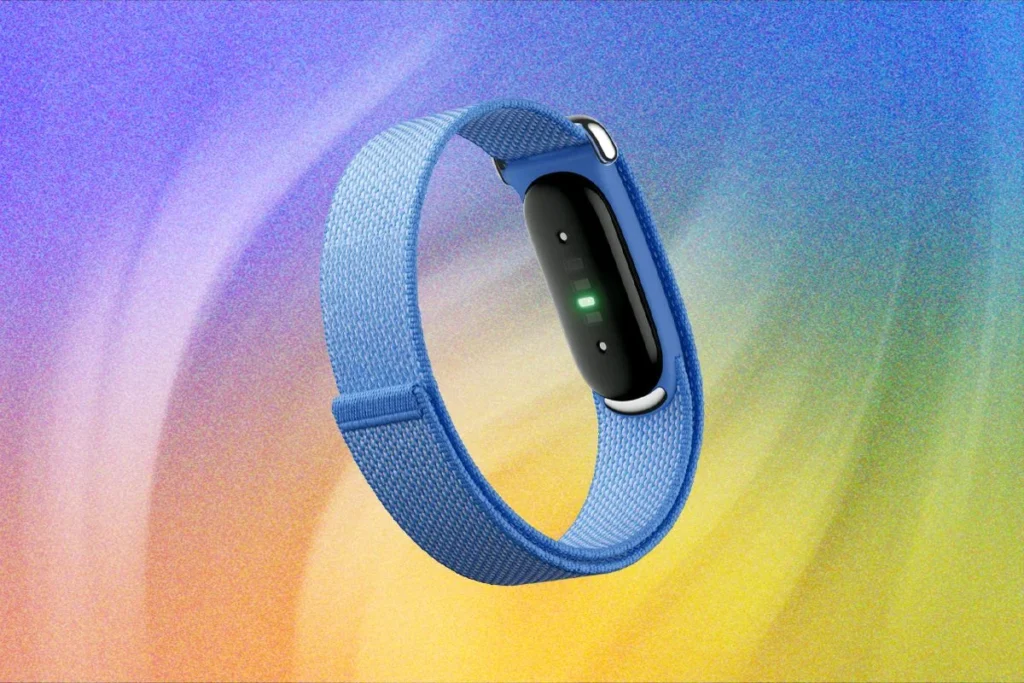
The newly released Fitbit Air is the lightest device the company has ever produced. At just 12 grams, it is designed for "set-it-and-forget-it" health monitoring. By stripping away the screen, Google has prioritized battery efficiency and comfort. It tracks heart rate, skin temperature, and sleep with high fidelity, offloading the visual analysis to the smartphone app.
2. The Fitbit Charge 6: The Feature-Rich Middle Ground
For those who prefer a traditional tracker with a display, the Charge 6 remains the benchmark. It successfully bridges the gap between a simple pedometer and a high-end smartwatch. Its standout feature is its ability to interface directly with gym equipment like Peloton bikes and NordicTrack treadmills, making it a favorite for the connected-fitness enthusiast.
3. The Sense 2 and Versa 4: Smartwatch Competitors
These devices represent the "smart" side of the house. While the Pixel Watch 4 serves the premium, full-Android-wear market, the Sense 2 and Versa 4 offer a more battery-conscious experience. The Sense 2, in particular, is aimed at the health-conscious user, boasting an FDA-approved ECG sensor for detecting atrial fibrillation and continuous electrodermal activity (cEDA) for stress management.
Supporting Data: Why Fitbit Still Holds Its Own
Despite increased competition from budget-friendly "knock-off" trackers and the ubiquitous Apple Watch, Fitbit maintains a loyal user base due to three specific pillars:

- Battery Performance: While many smartwatches struggle to last 24 hours, even the feature-heavy Fitbit Sense 2 outclasses competitors, often pushing into multiple days of use.
- Data Granularity: The sleep tracking algorithms developed by Fitbit remain among the most accurate in the industry. The "Sleep Score" is not just a marketing gimmick; it correlates closely with clinical sleep studies.
- Accessibility: By maintaining the $100 price point for the Inspire 3 and the Air, Google keeps the barrier to entry low.
Comparison Table: Key Features
| Device | Target Audience | Primary Strength | ECG/EDA |
|---|---|---|---|
| Fitbit Air | Wellness/Comfort | 12g Weight | No |
| Charge 6 | Fitness Enthusiasts | Gym Connectivity | Yes |
| Inspire 3 | Budget Users | 10-day Battery | No |
| Sense 2 | Health Trackers | Advanced Sensors | Yes |
The Role of Fitbit Premium: A Necessary Service?
A central point of contention for many users is the $10/month Fitbit Premium subscription. This service unlocks advanced metrics, deeper sleep analysis, and a library of guided workouts.
Critics argue that charging for features that were once "free" feels like a double-dip by Google. However, proponents point to the high cost of maintaining server-side AI health coaching and the inclusion of partner content from platforms like Calm and Peloton. For the average user, the free version of the app is sufficient for daily tracking, but for those optimizing for peak athletic performance or long-term health, the Premium insights provide a level of nuance that basic trackers cannot match.
Official Responses and Strategic Implications
Google’s overarching strategy has been one of "Stewardship over Disruption." By keeping the Fitbit brand alive as a distinct hardware line rather than rebranding everything as "Pixel," Google has maintained the trust of the brand’s core demographic.
In official statements, Google executives have emphasized that the integration of Fitbit into the "Google Health" suite is a long-term play. The company is not just selling trackers; they are building a data-driven health ecosystem. The recent updates to the Health Connect platform on Android illustrate this: Google is positioning itself as the central hub for all your health data, whether that data comes from a Fitbit, a third-party blood pressure cuff, or a continuous glucose monitor.

The Privacy Conundrum
From the outset, the acquisition faced scrutiny regarding whether Google would use health data for targeted advertising. Both Google and the European Commission (which approved the merger under strict conditions) have implemented data silos. Fitbit health data is legally separated from Google Ads data, a distinction that has remained consistent throughout the five-year integration period.
Future Outlook: Where Does the Wearable Go?
As we look beyond 2026, the trajectory for "Google Fitbit" seems clear: The device is becoming invisible.
The success of the Fitbit Air suggests a future where wearables are less about notifications and more about passive, non-intrusive biological sensing. We are moving away from the era of "checking your watch" and toward the era of "health insights delivered via ambient intelligence."
The primary challenge remaining for Google is the "Apple Effect." Apple’s ecosystem lock-in is a powerful force, and for iPhone users, an Apple Watch is often the default choice. To win, Google must continue to iterate on form factors that offer what Apple cannot: true cross-platform compatibility, week-long battery life, and a focus on wellness over communication.
.jpg)
Five years on, the Fitbit acquisition looks like a smart, measured, and successful investment. Google has managed to retain the "heart" of the Fitbit brand—its focus on making health accessible—while adding the "brains" of Google’s AI and cloud infrastructure. For the consumer, this remains one of the best ways to keep a pulse on their own vitality.
Frequently Asked Questions (Refined)
Q: Can I use a Fitbit with an iPhone?
A: Yes. One of the primary advantages of the Google Fitbit ecosystem is that it remains fully compatible with both Android and iOS devices, ensuring that users aren’t forced to upgrade their phones to use the tracker.
Q: Will the screen-less Air ever get a display?
A: Unlikely. The Air is specifically marketed as a "non-distraction" device. If you require a screen, the Charge series remains the company’s dedicated solution.
Q: Is my data safe with Google?
A: Google maintains a strict policy separating Fitbit user data from its advertising ecosystem. Your biometric data is encrypted and stored in a manner that adheres to global health data privacy regulations.

Q: Does the "AI Health Coach" actually work?
A: In our testing, the AI coach provides useful summaries of your trends (e.g., "Your sleep consistency is up 10% this week"). While it won’t replace a personal trainer, it provides excellent motivation for users who find raw data dashboards overwhelming.