The Evolution of Accessibility: How Mainstream Brands Are Transforming the Gluten-Free Snack Landscape
For years, the gluten-free (GF) community faced a predictable, often disappointing reality: the "specialty aisle." This isolated corner of the grocery store was defined by high price points, cardboard-like textures, and a limited selection that rarely mimicked the cravings of the average consumer. For families managing celiac disease or gluten sensitivity, the grocery store experience was a chore—a hunt for expensive, niche products that often left children feeling ostracized from their peers.
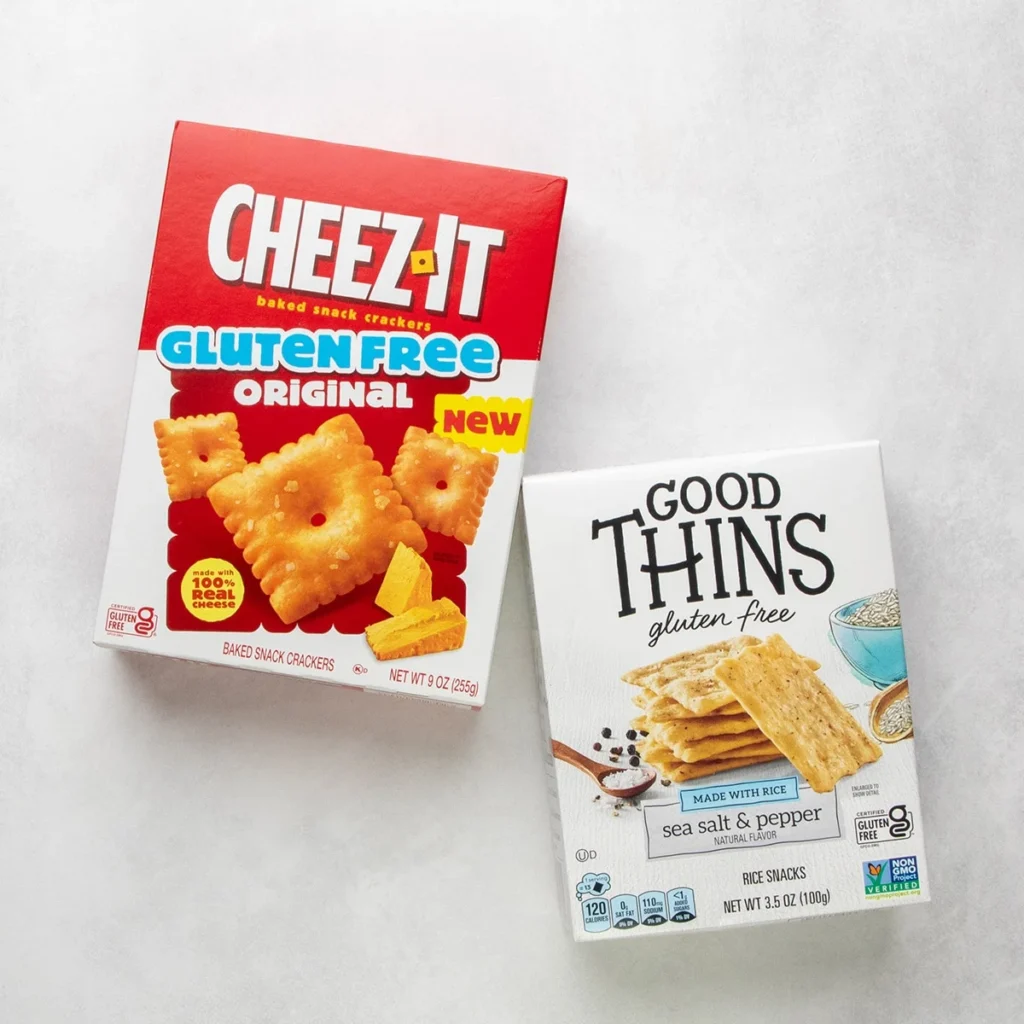
Today, however, the landscape has shifted. The best gluten-free snacks are no longer hidden away in dusty specialty corners; they are sitting right next to the traditional crackers, cookies, and chips that occupy the center aisles of major supermarkets. This shift represents a significant victory for inclusivity in the food industry, making it easier than ever to pack a school lunch, stock a pantry, or simply enjoy a snack that feels "normal."
The Philosophy of "Normalcy"
The movement toward mainstreaming gluten-free food is driven by a simple, powerful goal: normalization. Since 2005, the narrative around gluten-free living has evolved from focusing on deprivation to emphasizing participation. For parents, the struggle was never just about nutrition; it was about the social cost of exclusion. Children do not want snacks that "scream" gluten-free; they want what their friends are eating.
By leaning into products that are naturally gluten-free or familiar brands that have launched dedicated GF versions, consumers are reclaiming their ability to shop alongside the general public. This transition is not merely about convenience; it is a psychological shift that allows those with dietary restrictions to participate in a shared culinary culture.
Chronology: From Specialty Aisles to Center Store Dominance
The timeline of the gluten-free industry is marked by three distinct phases:
- The Era of Exclusion (Pre-2005): Gluten-free products were primarily relegated to health food stores and high-end specialty grocers. Quality was inconsistent, and price premiums were extreme.
- The Rise of Niche Brands (2005–2015): Dedicated gluten-free companies began to innovate, improving textures and flavors. While these brands paved the way, their products remained distinct from mainstream staples.
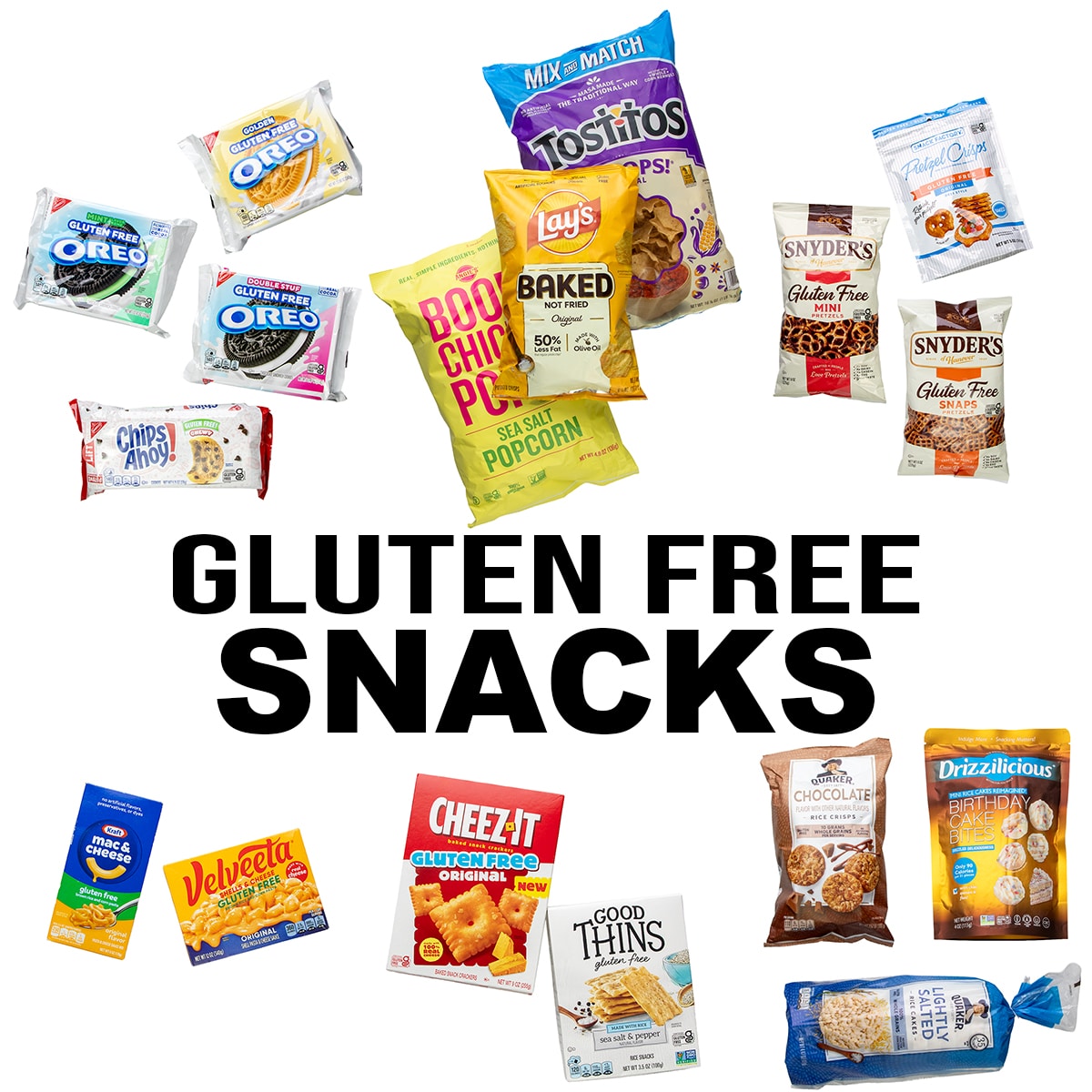
- The Mainstream Integration (2015–Present): Industry giants began recognizing the market potential of the gluten-free demographic. Companies like Nabisco, Kraft, and Frito-Lay began introducing GF-certified versions of their flagship products, leveraging their existing distribution networks to normalize the GF label.
Supporting Data: The Economics of the GF Market
The expansion of gluten-free options is backed by robust market data. According to recent industry reports, the global gluten-free products market is projected to reach significant growth milestones by 2030. This growth is fueled not only by the rising prevalence of celiac disease diagnoses but also by the "lifestyle" segment—consumers who choose a gluten-free diet for perceived health benefits.
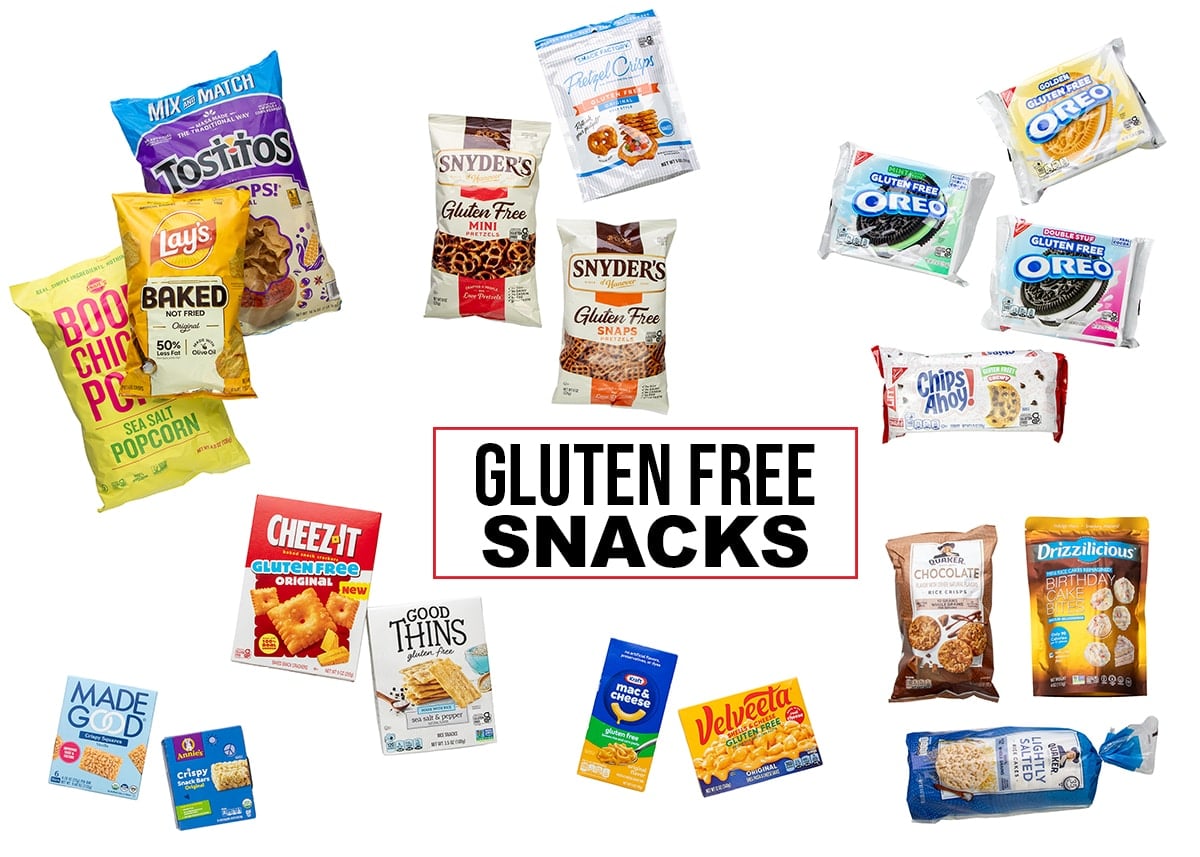
For the budget-conscious consumer, the shift to mainstream products is a relief. When major manufacturers produce gluten-free versions of standard items, they utilize economies of scale that smaller, specialty-only brands cannot match. This results in lower shelf prices and higher availability, effectively dismantling the "luxury tax" that once defined the gluten-free lifestyle.
The "Naturally GF" Advantage: Chips, Popcorn, and Beyond
One of the most important lessons for the modern GF shopper is recognizing the abundance of "naturally" gluten-free snacks. Many corn-based chips, potato chips, and popcorn varieties contain no gluten in their primary ingredients.
However, diligence remains vital. While flavorings can sometimes introduce cross-contamination risks, major snack companies like Frito-Lay have set a gold standard in labeling. Their clear, reliable "contains" allergen statements allow shoppers to navigate the snack aisle with confidence. The key is consistent vigilance: always check the back of the package, even if the brand is a long-term favorite. Ingredients and manufacturing protocols can change, and the "certified gluten-free" seal remains the most reliable indicator of safety.
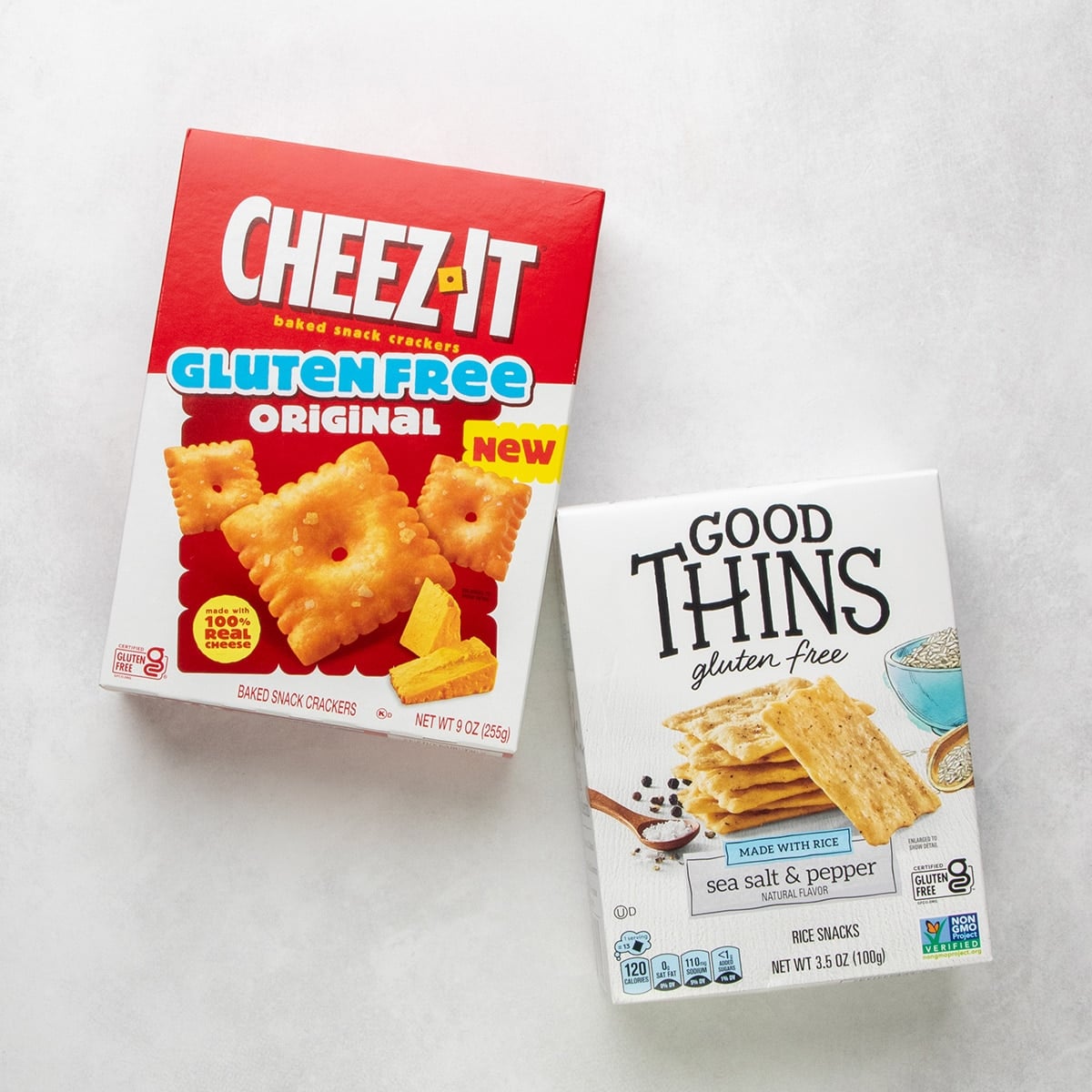
The Evolution of the Pantry: Mac and Cheese and Cookies
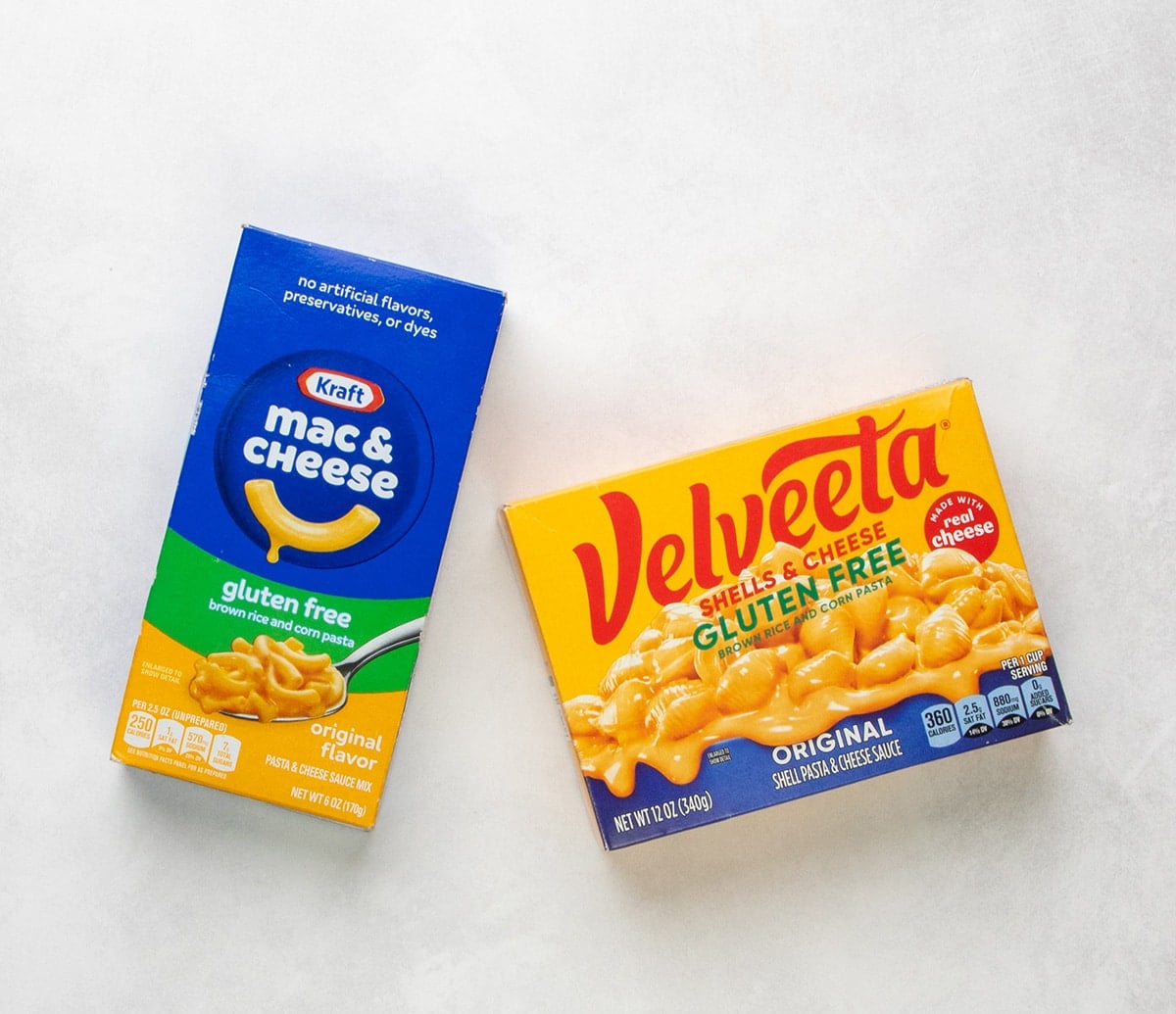
Perhaps the most dramatic change has occurred in the boxed goods category. Once, the idea of a "quick" boxed mac and cheese that was also safe for a gluten-free diet seemed like a pipe dream. Today, industry leaders have successfully adapted their formulas.
When you compare these modern versions to the "specialty" options of the past, the difference is night and day. The textures of the pasta have improved, and the cheese powders—the heart of the meal—remain largely unchanged. Whether it is Kraft or Velveeta, the ability to pull a box off a standard shelf and have a meal ready in minutes is a profound change for busy families.
The same applies to the cookie aisle. Nabisco’s introduction of gluten-free Oreos and chewy Chips Ahoy! represented a turning point. By focusing on the "real thing"—maintaining the flavor profile of the original product rather than inventing a new, inferior substitute—these brands proved that the gluten-free demographic represents a serious consumer base that demands quality.
Official Industry Responses and Safety Protocols
The industry’s move toward better labeling has been largely in response to advocacy from organizations like the Celiac Disease Foundation and the increasing scrutiny of the FDA’s gluten-free labeling rules. Manufacturers now understand that cross-contamination is a liability and a loss of consumer trust.
Most major brands now utilize dedicated manufacturing lines or rigorous cleaning protocols to prevent gluten transfer. For consumers looking to identify if a product is safe, "Instacart" and other grocery delivery platforms have become unexpected allies. By searching for items locally, shoppers can verify if a specific store carries a product before making the trip, ensuring that they don’t encounter the "broken crackers" issue that often comes with online shipping, while also securing the best local prices.
Implications for the Future
The implications of this shift are twofold:
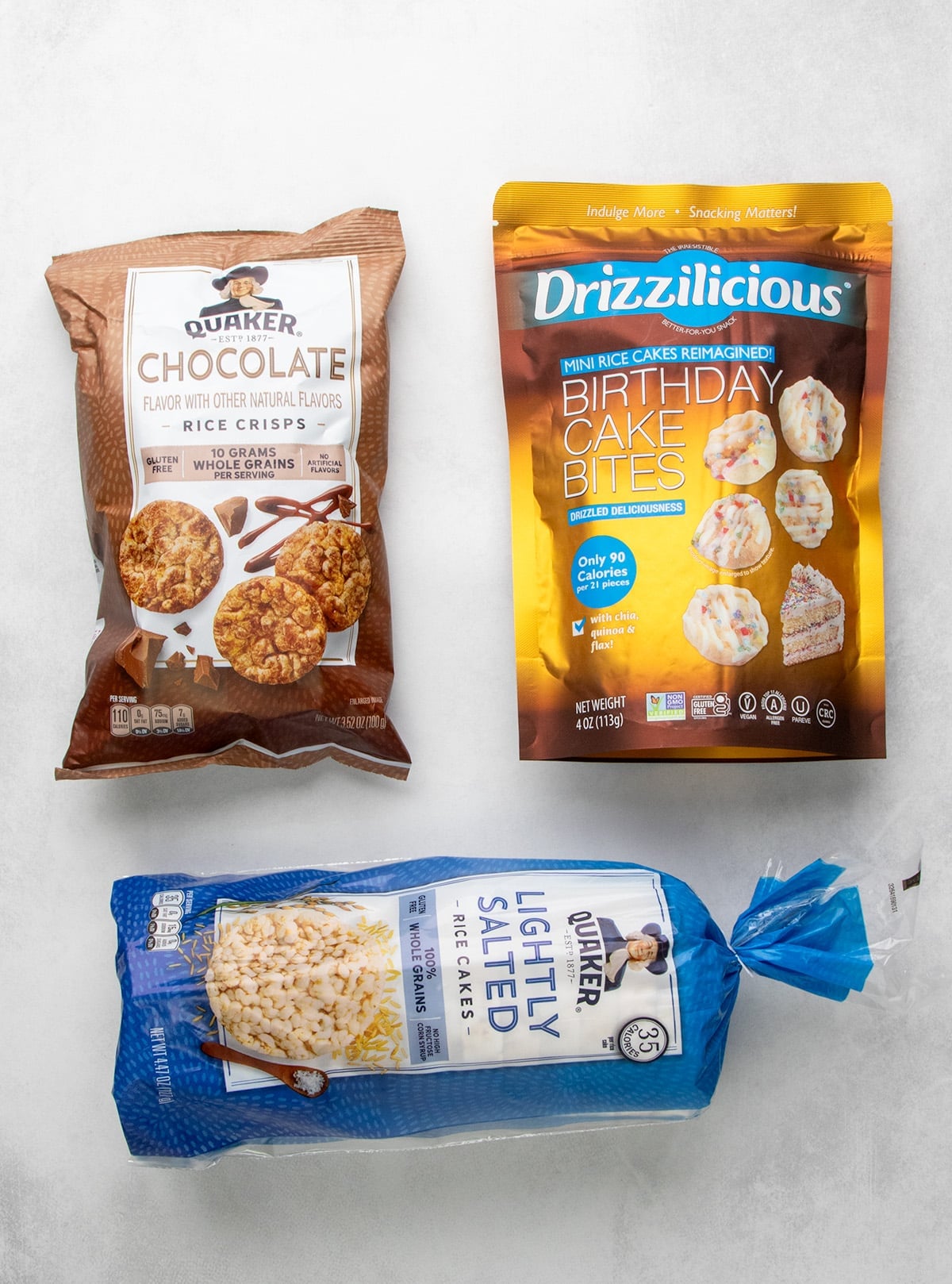
- Social Inclusion: As gluten-free snacks become ubiquitous, the stigma associated with the diet diminishes. When a child can bring a brand-name, gluten-free snack to school, they are no longer the "odd one out."
- Increased Competition: The success of mainstream brands is pushing smaller, dedicated GF companies to innovate further. To remain competitive, niche brands must now focus on high-quality ingredients, health benefits, and artisanal flavors that the mass-market giants may overlook.
Practical Advice for the Modern Shopper
For those navigating this landscape, the advice remains consistent: Be an informed consumer.
- Trust, but verify: Always read the ingredient label. Even if a product is marketed as "wheat-free," it is not necessarily "gluten-free" (which must account for barley and rye as well).
- Look for the seal: Whenever possible, choose products with the official Gluten-Free Certification Organization (GFCO) seal.
- Diversify your sources: Don’t rely solely on one brand. Use your local grocery store’s inventory to rotate between reliable options, and keep an eye on new product launches, as the "mainstream" list is expanding every quarter.
Conclusion: A New Standard
The era of "good, for gluten-free" is over. We have entered an age where consumers expect quality regardless of dietary restriction. By leveraging mainstream products that are safe, affordable, and accessible, the gluten-free community is successfully moving away from the margins and into the center of the grocery store.
As manufacturers continue to refine their processes and expand their lineups, the goal of a truly "normal" eating experience is becoming a reality for millions. Whether it is a quick snack for the road or a comfort food staple for a Tuesday night, the options available today are a testament to how far we have come—and a promise of how much easier the journey will be in the years to come.