The Evolution of the Digital Nomad: How Coliving Spaces Are Solving the Remote Work Dilemma
For years, the "digital nomad" lifestyle was romanticized through the lens of a laptop on a beach, a glass of coconut water in hand, and the endless horizon of a tropical paradise. In reality, the experience was often far more grueling: unreliable Wi-Fi, back-breaking wooden chairs in overcrowded cafes, and the profound isolation that comes from working in a foreign city without a built-in support system.
As remote work transitions from a temporary pandemic necessity to a permanent fixture of the global workforce, the travel industry has finally caught up. A new sector—the "coliving-coworking hybrid"—is emerging to address the specific pain points of location-independent professionals. At the forefront of this movement is Outsite, a platform that is redefining what it means to be a global citizen in the modern age.
The Core Challenge: Productivity Meets Mobility
The central friction for any digital nomad remains the "balance struggle." It is a delicate act to integrate professional responsibilities with the inherent desire for cultural exploration. Searching for a quiet, reliable workspace in a new city can consume hours of a traveler’s day. For those who have spent time on the road, the "hostel struggle"—hunching over a cramped common room table while competing for bandwidth with dozens of other guests—is a well-known hurdle.
Furthermore, the "Airbnb gamble" has become a point of contention for many professionals. A host might promise "high-speed fiber optics," only for the traveler to arrive and find a connection incapable of sustaining a standard video conference. This uncertainty is more than a nuisance; it is a direct threat to one’s career stability.
A Chronology of the Coliving Revolution
The concept of coliving is not entirely new, but its professionalization has accelerated rapidly since 2015.
- 2015: Outsite was founded with a singular, niche focus: a house in Santa Cruz, California, specifically designed for surfers who needed to maintain a professional workflow.
- 2018–2019: As the remote work movement gained steam, the platform expanded its portfolio to include urban centers and mountain retreats, recognizing that digital nomads were not just surf enthusiasts, but software engineers, marketers, and entrepreneurs.
- 2020–2022: The pandemic served as a massive catalyst. As corporate offices shuttered, the demand for "work-from-anywhere" infrastructure skyrocketed. Outsite pivoted to accommodate longer-term stays, recognizing that nomads needed more than just a bed; they needed a base of operations.
- 2023–Present: The network has grown to over 50 global locations, with more than 5,000 members. The focus has shifted from simple lodging to creating an curated ecosystem of professional networks and community-driven events.
Supporting Data: The Economics of the Modern Nomad
One of the most frequent misconceptions regarding coliving spaces is that they are prohibitively expensive. However, a breakdown of costs suggests a different narrative.
When a traveler books a standard mid-range Airbnb in a European city like Bordeaux, they are often required to pay for a separate coworking space subscription to ensure professional-grade internet and ergonomic furniture. By the time the traveler pays for rent, a month-long coworking pass, and utility markups, the total expenditure often mirrors—or exceeds—the cost of an Outsite membership.
Membership Tiers and Value Proposition
Outsite operates on a dual-track model. While anyone can book a stay, the membership structure is designed for those who have committed to a nomadic lifestyle.
- The Annual Membership ($199/year): Provides access to member-only locations, significant discounts on bookings, and entry to a private digital community.
- Lifetime Membership ($499): A one-time investment aimed at the long-term nomadic professional.
The data suggests that for a remote worker traveling at least two months out of the year, the membership pays for itself through "flash sale" access (up to 50% off) and the elimination of monthly coworking fees.
The "Bordeaux" Case Study: A Closer Look
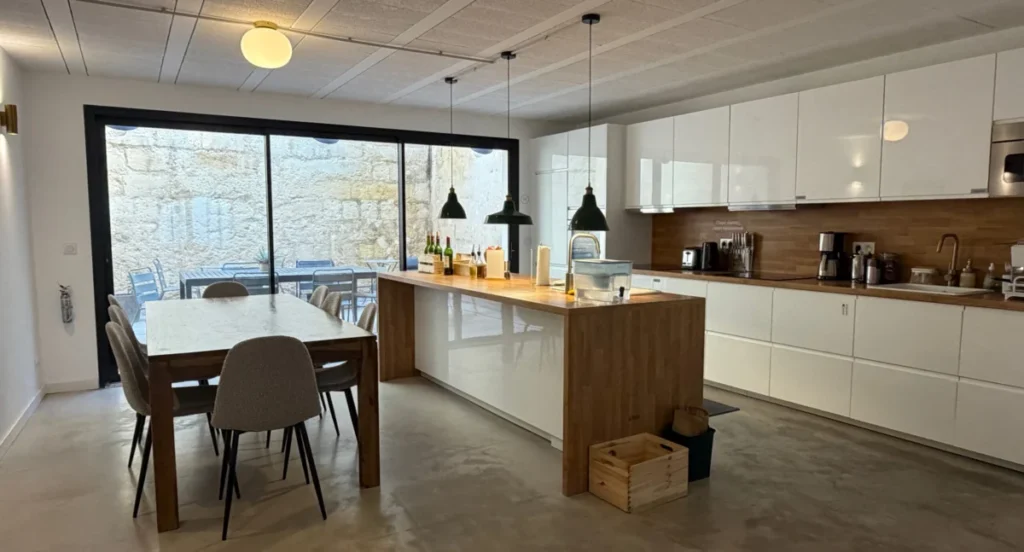
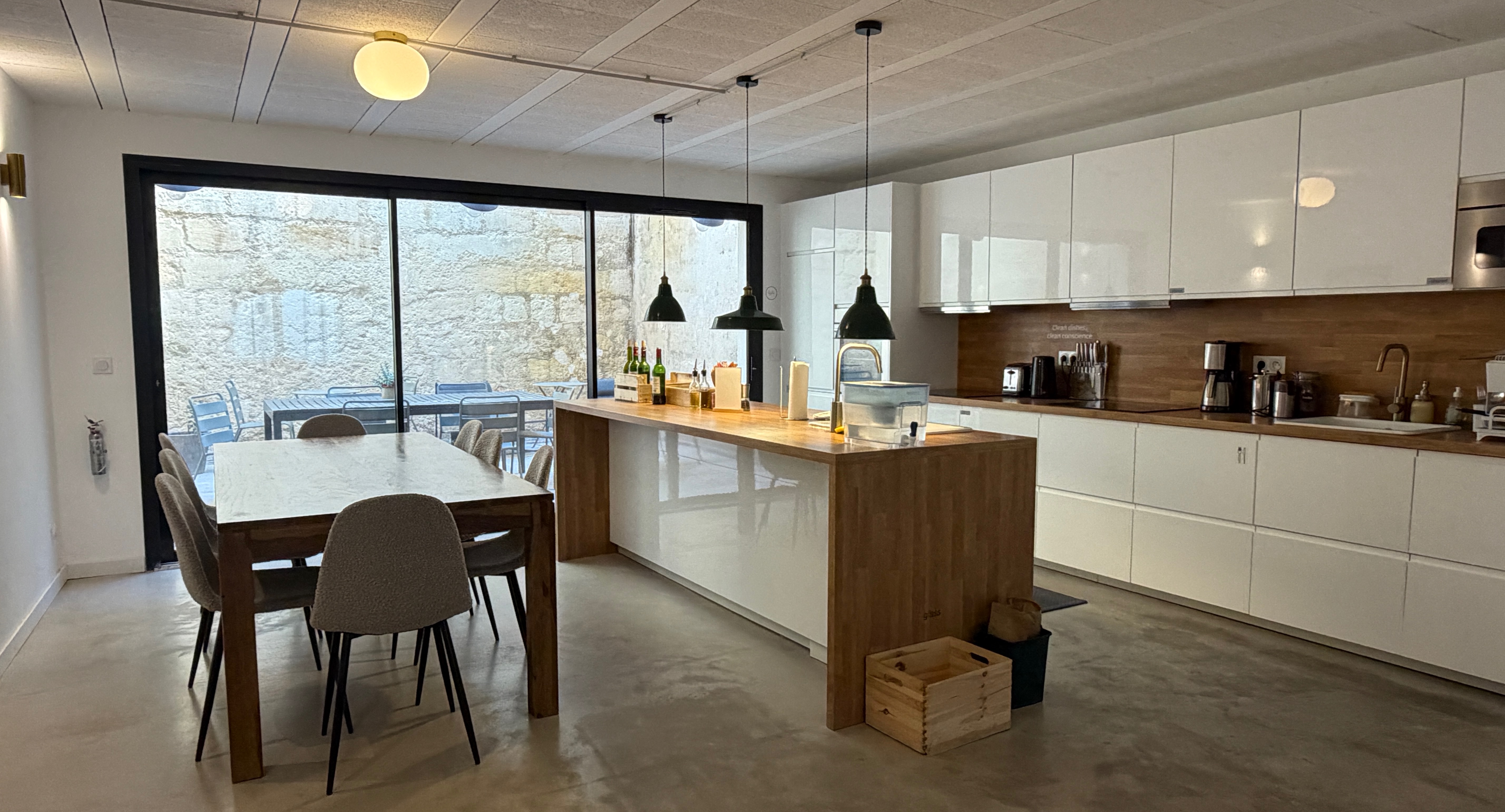
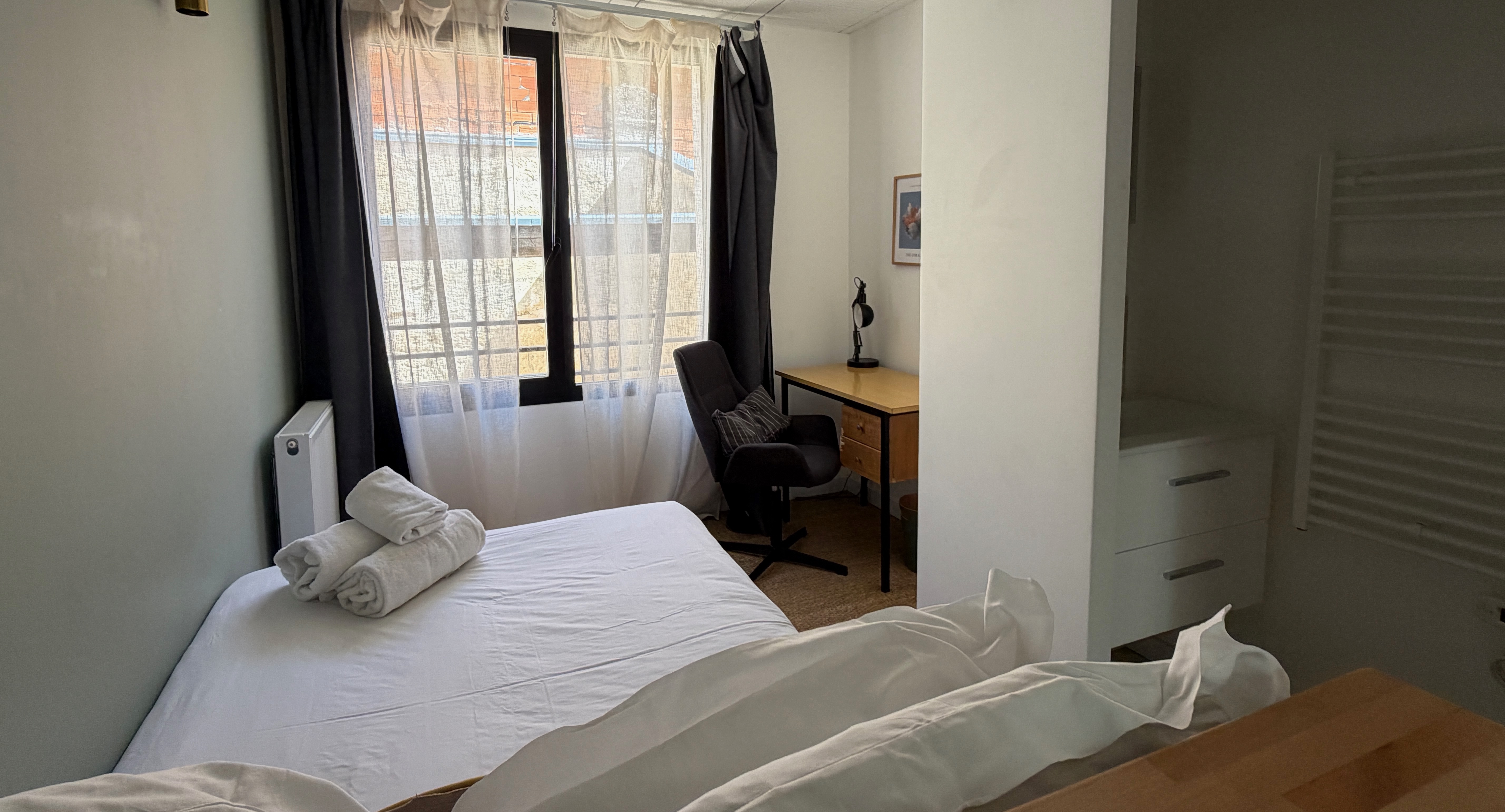
In a recent stay at an Outsite property in Bordeaux, the experience highlighted the shift in expectations. The property functioned less like a hotel and more like a high-end shared office with residential amenities.
Key infrastructure included:
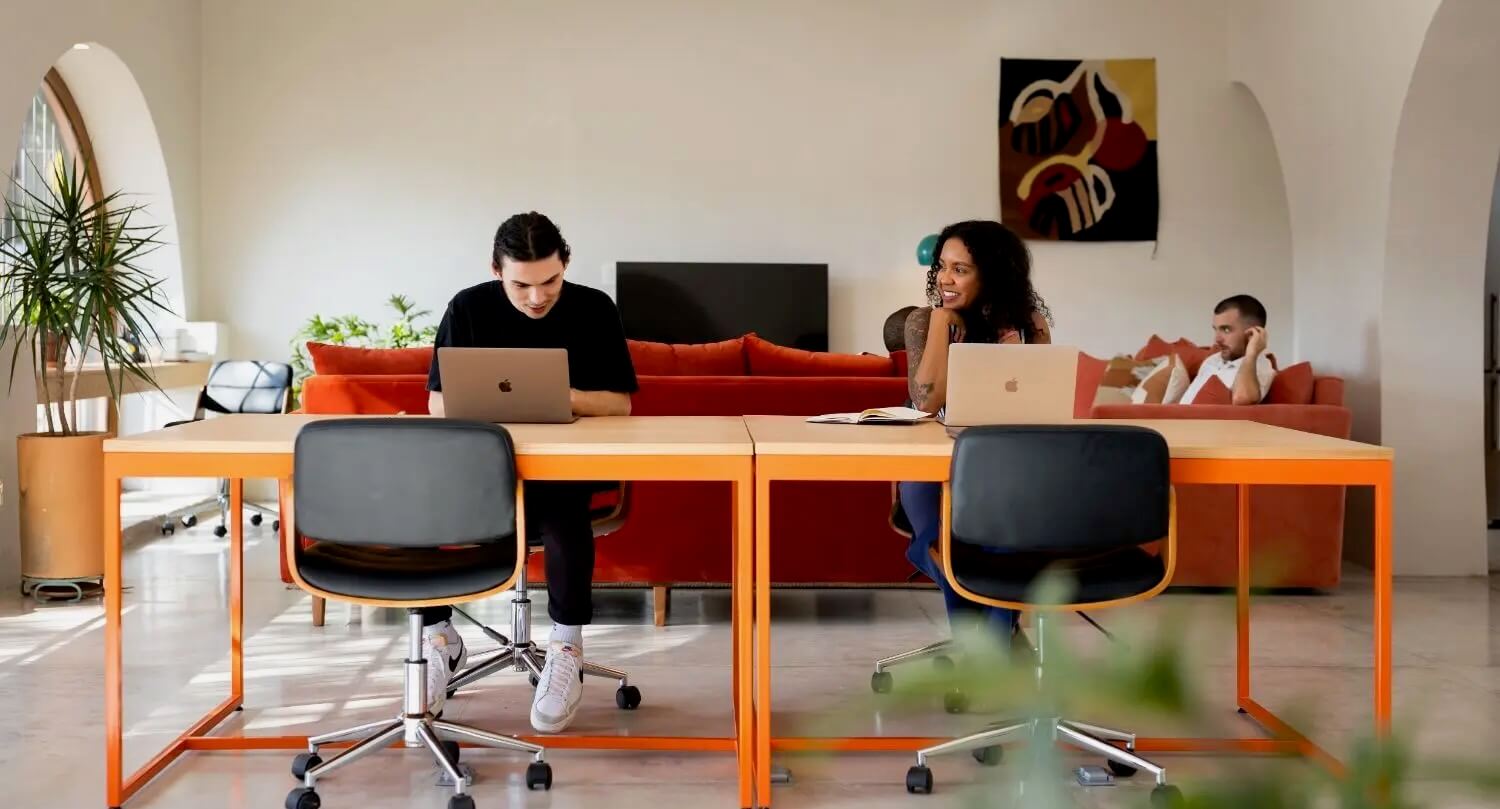
- Ergonomics: Dedicated desks equipped with external monitors and high-speed enterprise-grade Wi-Fi.
- Communal Logic: Fully equipped chef-grade kitchens and spacious common areas that encourage interaction without the "party" atmosphere of a traditional hostel.
- Community Curation: The presence of a dedicated Community Manager transformed the stay from a solitary experience into a networking opportunity. Activities ranging from local tapas crawls to organized group excursions provided the social scaffolding that remote workers often lack.
Implications for the Future of Work
The rise of platforms like Outsite suggests a broader shift in how society views labor and geography. We are moving toward a future where "the office" is no longer a static location, but a service provided by hospitality companies.
The Social Impact
Perhaps the most significant implication is the mitigation of "digital nomad loneliness." For many, the transition to remote work led to a decline in mental health, exacerbated by the lack of physical social interaction. By creating spaces where peers—often fellow professionals in their 30s and 40s—can live and work together, these platforms are fostering a new type of "professional cohabitation."
The Urban Impact
As these platforms expand into major cities (including high-barrier-to-entry markets like New York or Paris), they are forcing a reevaluation of short-term rental laws. Many of these locations now require 30-day minimum stays, which helps stabilize neighborhoods and ensures that coliving operators function more like long-term community members than transient tourism hubs.
Frequently Asked Questions
Q: Is there an age demographic for these spaces?
While there is no formal age cap, the environments are curated for working professionals. Most residents fall into the 28–45 age range, creating a peer group that shares similar career trajectories and lifestyle expectations.
Q: How does the community aspect actually function?
It is not merely a social club; it is a resource pool. Before arrival, guests are integrated into digital communication channels (like WhatsApp). This allows for professional knowledge-sharing, group planning, and local recommendations that are vetted by fellow residents.
Q: Is this a replacement for long-term apartment leasing?
For the "perpetual nomad," it acts as a flexible alternative to a permanent lease. However, the model is designed for those who value mobility over the traditional "fixed address" lifestyle.
Conclusion: Finding Your Tribe
The era of the "starving backpacker" digital nomad is effectively over. The modern remote professional demands a high-functioning, aesthetic, and community-rich environment that respects the rigor of their work while facilitating the joys of travel.
Whether it is a historic home in Bordeaux or a coastal retreat in Costa Rica, the value of these spaces lies in their ability to provide the "third place"—a environment that is neither home nor the corporate office, but a synthesis of both. For those struggling to maintain their sanity while chasing the horizon, the answer may not be to work less, but to work in a place designed specifically for the professional voyager. As the global infrastructure for remote work continues to mature, the choice between productivity and adventure will finally become a false dichotomy.