The Evolution of the Nomad Office: Why Coliving is Redefining Remote Work
For the modern digital nomad, the romanticized image of working from a sun-drenched beach with a laptop often collides with the harsh reality of the lifestyle: unreliable Wi-Fi, the isolation of solo travel, and the physical toll of hunching over a tiny café table for eight hours. As remote work transitions from a pandemic-era necessity to a permanent fixture of the global labor market, a new sector of the hospitality industry has emerged to address these pain points: the dedicated coliving and coworking ecosystem.
Leading this charge is Outsite, a global network that has effectively bridged the gap between the productivity of a professional office and the social connectivity of a boutique hostel. By integrating dedicated workspace into residential housing, platforms like Outsite are fundamentally changing how location-independent professionals experience the world.
The Core Concept: What is Outsite?
Founded in 2015, Outsite began with a modest mission in Santa Cruz, California: to provide a sanctuary for surfers and entrepreneurs who needed a space to balance deep work with outdoor recreation. Nearly a decade later, the platform has scaled into a global network with over 50 locations and more than 5,000 active members.
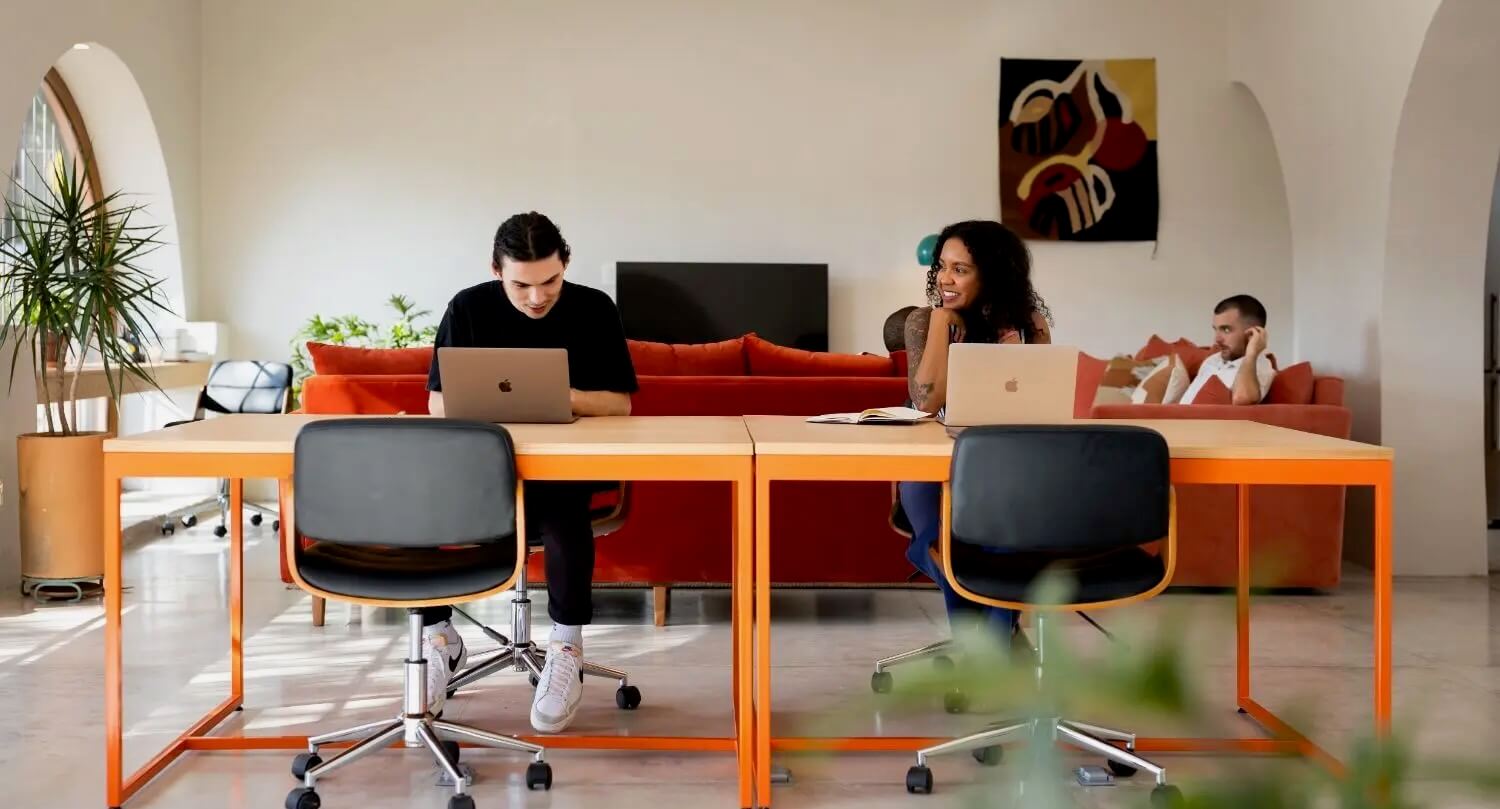
At its core, Outsite operates on a hybrid model. It functions as a boutique hospitality brand that provides private, high-end accommodations while simultaneously offering enterprise-grade coworking facilities. Unlike traditional hostels that prioritize budget-conscious backpackers, Outsite caters to a demographic of working professionals—typically in their late 20s to 40s—who require reliable infrastructure to sustain their careers while traveling.
The Membership Architecture
While the platform is open to the public, it incentivizes a subscription-based model. A yearly membership ($199) or a lifetime access pass ($499) grants users significant advantages, including:
- Preferential Pricing: Substantial discounts on nightly rates and extended stays (up to 40% off).
- Exclusive Access: Entry to members-only locations and early-bird access to high-demand properties.
- Professional Perks: Access to curated job boards, sublet networks, and industry-specific mixers.
- Operational Benefits: Free access to new, pilot-program destinations during their launch phase.
Chronology: From Niche Surf-Huts to Global Networks
The ascent of the coliving industry is a direct response to the "Great Remote Work Migration."
- 2015: Outsite is established in Santa Cruz, focusing on a specific niche of tech-forward, active professionals.
- 2018–2019: The model begins to pivot toward urban centers, recognizing that the "digital nomad" demographic is moving beyond just beach towns and into cultural hubs like Lisbon and Mexico City.
- 2020–2021: The COVID-19 pandemic serves as a massive catalyst. As corporations shift to "Work From Anywhere" policies, the demand for verified, high-speed, and secure office environments outside the home spikes. Outsite expands rapidly to meet this influx of long-term travelers.
- 2023–2026: The industry matures. Focus shifts from mere "space" to "community management." The role of the Community Manager becomes the differentiator, ensuring that travelers—who are often prone to burnout and isolation—have a social support structure.
Supporting Data: The Productivity-Hospitality Nexus
The value proposition of platforms like Outsite is supported by a growing body of data regarding remote work efficiency. According to recent surveys of digital nomads, the primary barriers to long-term travel are "inconsistent internet connectivity" and "social isolation."
Outsite’s infrastructure addresses these through:
- Enterprise-Grade Infrastructure: By installing dedicated high-speed fiber and ergonomic setups, Outsite mitigates the "coffee shop struggle." Data shows that professionals who have access to dedicated, ergonomic desks increase their daily output by an estimated 20-30% compared to those working from temporary setups.
- The "Community Multiplier": Loneliness is the leading cause of nomad attrition. By utilizing Community Managers to facilitate events—ranging from family-style dinners to organized weekend excursions—the platform increases the average "length of stay" per guest. Residents who feel socially integrated are 40% more likely to book subsequent stays with the same network.
- Cost Efficiency Analysis: While the nightly rate at a coliving space may seem higher than a standard hostel, the hidden costs of the alternative are significant. When a professional rents a standard Airbnb ($1,500/month) and adds the cost of a premium coworking membership ($300/month), the total is often higher than a monthly Outsite rate, which bundles utilities, cleaning, and workspace into a single invoice.
Official Perspective: The Bordeaux Case Study
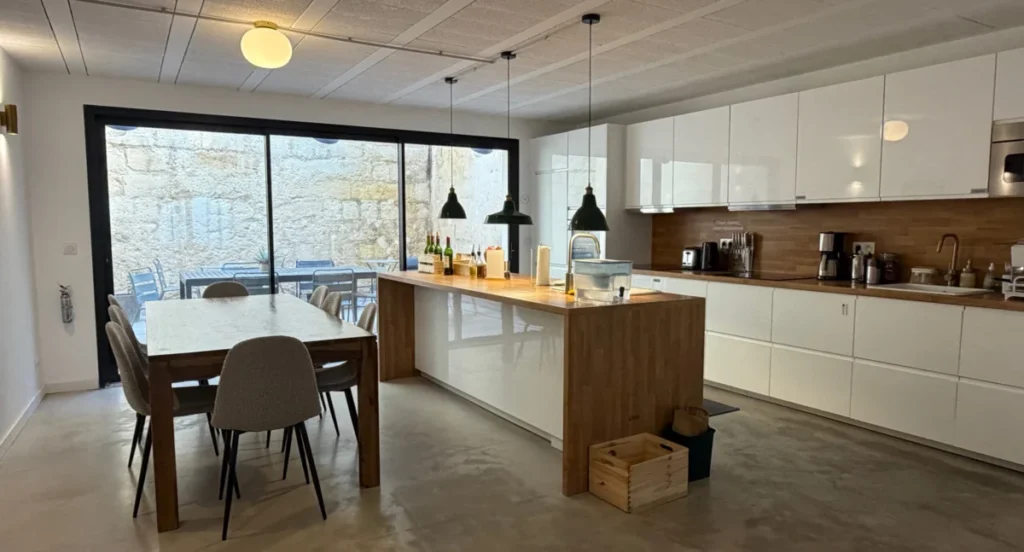
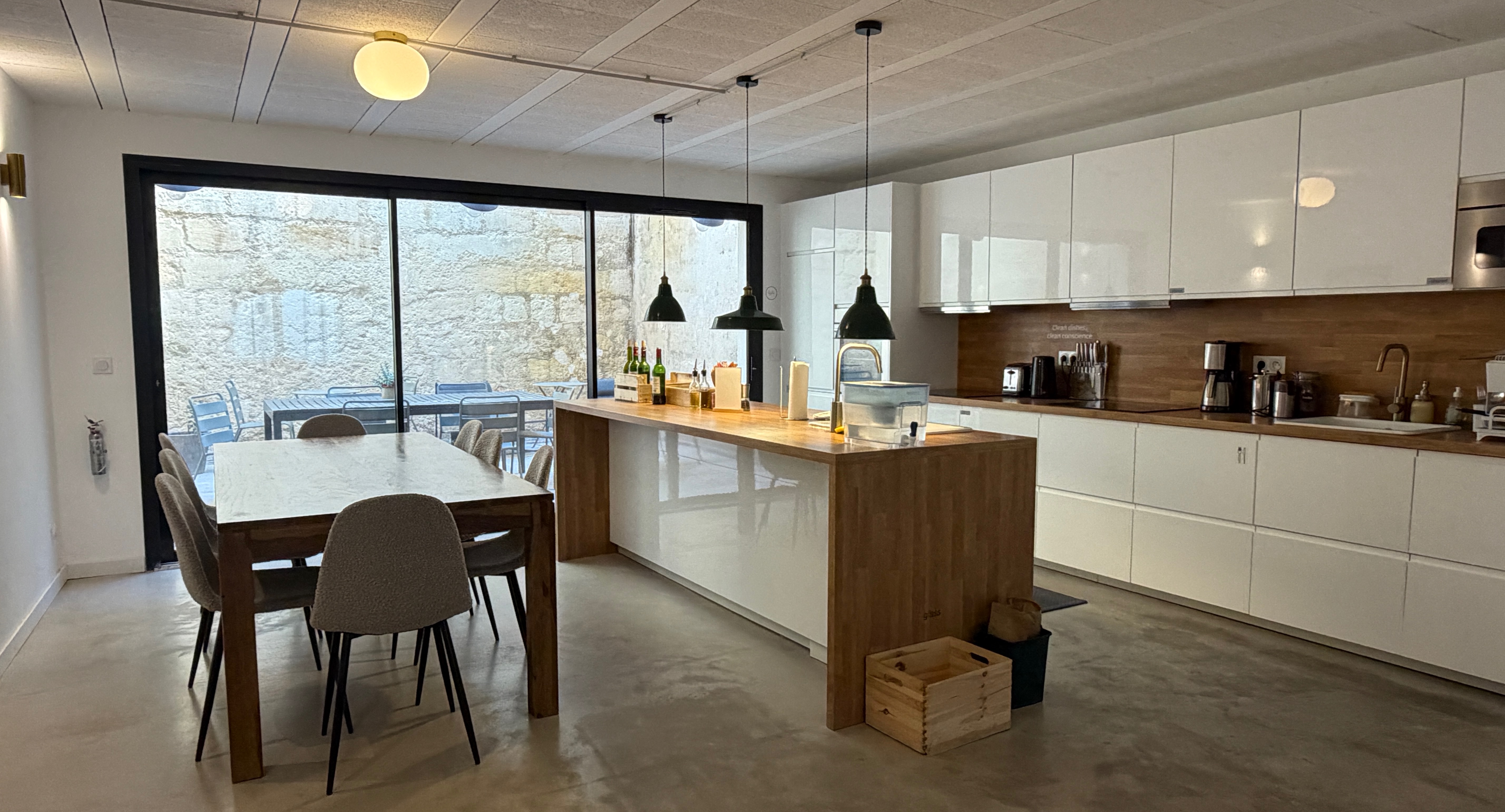
To understand the practical application, one need only look at the recent expansion of the Outsite Bordeaux location. Situated in a region known for its culture and history, the property features a synthesis of modern amenities and historic architecture.
During a recent stay, the focus was not just on the high-speed Wi-Fi, but on the operational integration of the space. The kitchen, designed for communal cooking, functions as the "hearth" of the house, while the ergonomic coworking suite remains silent and strictly professional.
The Community Manager role proved pivotal. In Bordeaux, the local manager acted as a concierge, providing insights into local culinary secrets and facilitating networking events. This human element is what prevents the space from feeling like a sterile hotel. As one resident noted, "It feels less like a hotel and more like staying at a wealthy, well-traveled friend’s home."
Implications: The Future of the Workplace
The rise of the coliving sector has broader implications for the future of urban planning and commercial real estate.
1. The Death of the "Corporate Commute"
As more companies move toward permanent remote or hybrid models, the concept of a "headquarters" is becoming decentralized. We are seeing a shift where companies are starting to view these coliving networks as viable options for team offsites or corporate retreats, moving away from traditional hotel boardrooms toward environments that foster creativity and team bonding.
2. The Professionalization of Nomadism
The "backpacker" stigma of the digital nomad lifestyle is rapidly fading. The current generation of nomads are engineers, writers, founders, and consultants who view travel as a lifestyle choice, not a vacation. The industry is responding by creating spaces that meet the tax, insurance, and logistical requirements of these professionals.
3. Urban Housing Markets
There is a growing friction between local housing authorities and coliving operators in major cities. Cities like New York and Paris have strict regulations on short-term rentals. Consequently, companies like Outsite are being forced to adapt their models to comply with minimum-stay requirements, often shifting their business to 30-day minimums in heavily regulated markets. This evolution is likely to influence future real estate zoning laws, as cities begin to recognize the economic benefit of attracting high-earning, long-term remote residents.
Conclusion: Finding Your Tribe
Living the digital nomad life is no longer a trade-off between career growth and adventure. The infrastructure now exists to support both. Through the integration of private sanctuaries and professional workspaces, platforms like Outsite have solved the two most significant hurdles for the remote workforce: the "Wi-Fi anxiety" of the road and the pervasive feeling of isolation.
For those considering the leap into full-time remote work, the advice is simple: prioritize environments that offer more than just a bed. Look for the "third space"—the area between home and the office that provides the infrastructure to excel and the community to thrive. Whether you are in a quiet villa in Bordeaux or a bustling city center, the future of work is not about where you go, but the environment you choose to surround yourself with.
As the remote work revolution continues, the tools to master the art of the "work-from-anywhere" lifestyle are becoming more sophisticated, more accessible, and more community-driven than ever before. It is time to stop searching for the perfect coffee shop and start building a life that allows for both professional excellence and global exploration.