The Future of Global Connectivity: A Deep Dive into Holafly’s New Subscription Plans
For the modern traveler, the "SIM card scramble" is a rite of passage—one that usually involves hunting for a tiny kiosk in a foreign airport, navigating language barriers, and paying exorbitant fees for a local plastic chip that will be obsolete in a week. While the rise of eSIM technology revolutionized this experience by digitizing the process, the industry has long been fragmented.
For years, the market was dominated by "one-off" solutions: you buy an eSIM for a specific country or a short-term regional pass. However, as the digital nomad movement matures and global mobility increases, the need for a seamless, "always-on" connectivity solution has become apparent. Enter Holafly Plans, a new subscription-based service designed to turn your smartphone into a truly borderless device.
Main Facts: What Are Holafly Plans?
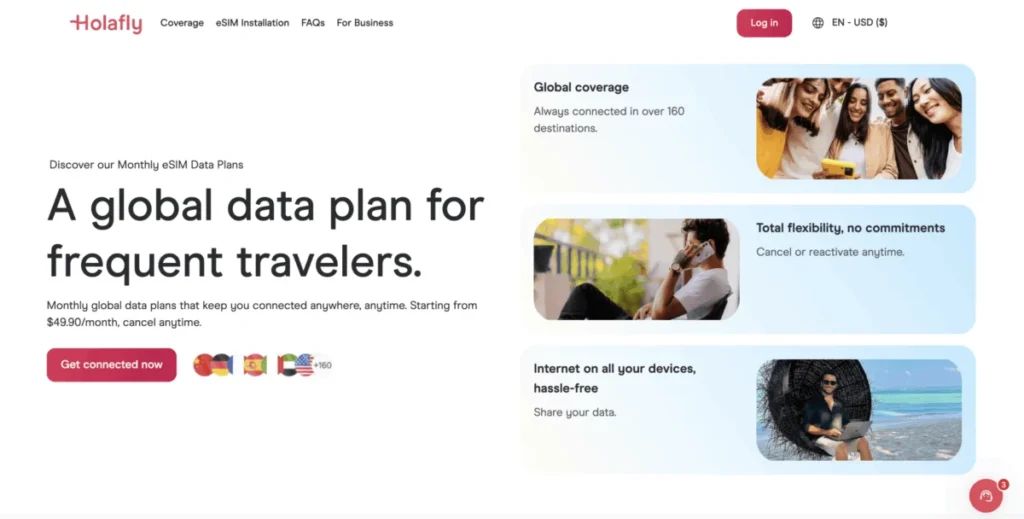
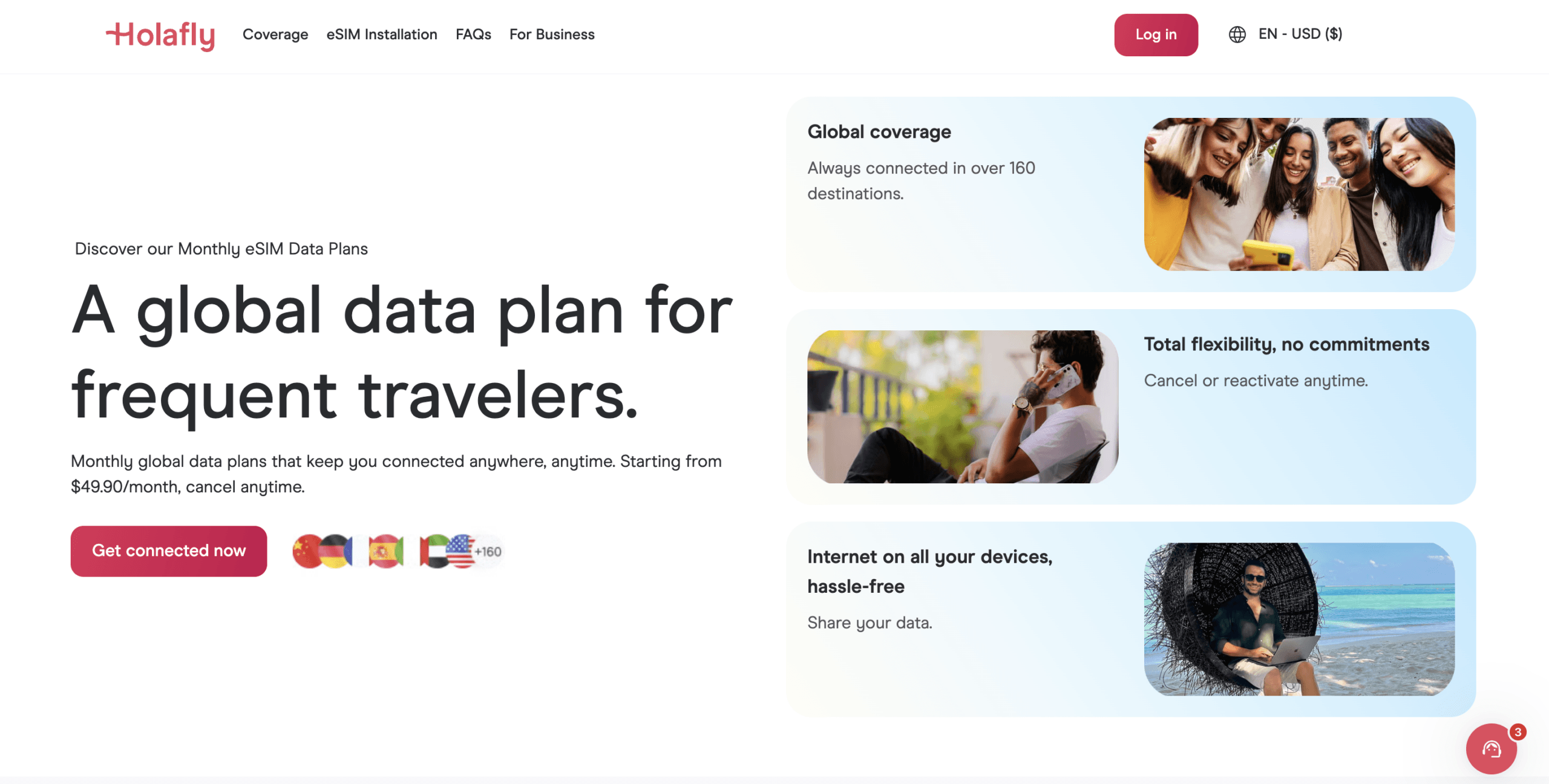
At its core, Holafly Plans represents a shift from transactional, trip-based purchasing to an ongoing, utility-style subscription model. By leveraging eSIM technology—a software-based SIM embedded directly into a smartphone’s hardware—Holafly has created a single, global profile that covers over 160 destinations.
Unlike traditional eSIMs, which require users to purchase a new QR code or install a fresh profile every time they cross a border, Holafly Plans are designed for continuity. Once the eSIM is installed on your device, it remains active. As you move from the bustling streets of Tokyo to the coastal towns of Portugal, the phone automatically recognizes the new network environment, reconnecting you without the need for manual configuration or the purchase of additional credit.
The service is divided into two distinct tiers:
- The Light Plan: Tailored for the casual traveler or those who rely primarily on Wi-Fi but need consistent mobile data for navigation, messaging, and occasional social media updates. It provides 25GB of data per month.
- The Unlimited Plan: Designed for power users, digital nomads, and remote workers. This tier removes data caps entirely and includes a robust hotspot feature, allowing users to tether laptops or tablets while on the road. A key differentiator here is the inclusion of a local phone number from the US, UK, or Canada, enabling the user to receive SMS messages—a crucial feature for two-factor authentication and banking alerts while abroad.
Chronology: The Evolution of Mobile Roaming
The history of international roaming is a story of slow, expensive progress. For decades, international travelers were tethered to their home carrier’s roaming passes. These were notoriously high-priced, often costing upwards of $10 to $15 per day for limited data, leading to the notorious "bill shock" that plagued early 2000s travelers.

The first major disruption occurred with the widespread adoption of local physical SIM cards. Travelers would land, visit a kiosk, and purchase a local plan. While cheaper, this method introduced significant friction: the risk of losing your home SIM card, the time wasted in queues, and the inability to receive calls on your home number.
The second disruption arrived with the advent of the eSIM. Companies like Holafly simplified the process by allowing users to download a profile via an app or QR code before landing. While this eliminated the physical hardware hurdle, it remained a fragmented experience—you still had to buy a new product for every trip.
Holafly Plans represents the third wave: the Universal Subscription. By decoupling mobile connectivity from specific geography, the company has effectively created a "Global Carrier" experience that functions independently of traditional telecom contracts. This evolution reflects a broader trend in the tech industry: moving away from ownership and hardware-based dependency toward service-based, fluid accessibility.
Supporting Data: Why the Subscription Model Wins
The economic argument for a subscription-based eSIM model over traditional roaming or single-trip purchases is compelling, particularly for frequent travelers. When comparing the cost of a major US carrier’s international roaming pass—which can easily exceed $100–$300 per month—to a $55–$65 monthly Holafly subscription, the savings are significant.
| Feature | Holafly Plans (Unlimited) | US Major Carrier Roaming | Single-Trip eSIMs |
|---|---|---|---|
| Monthly Cost | ~$55–$65 | $100–$300+ | $60–$120 (cumulative) |
| Data Allowance | Truly Unlimited | Throttled after threshold | Variable (5GB–10GB) |
| Setup Hassle | One-time install | High (Settings changes) | High (New install/trip) |
| Hotspotting | Included | Often restricted | Varies |
Beyond the raw cost, the "hassle factor" is perhaps the most significant data point. For a professional who travels to three or four countries in a month, the administrative burden of buying four separate eSIMs is not just a monetary cost; it is a time tax. The ability to maintain a consistent connection across 160+ countries removes the friction that typically leads to missed communications and lost productivity.
Official Responses and Service Philosophy
Holafly has framed the release of their subscription plans as a response to the "always-on" nature of modern professional life. In interviews and press materials, the company emphasizes the importance of the "Always On" feature. Even if a user cancels their primary subscription, they retain 1GB of backup data every month for life. This acts as a safety net, ensuring that a traveler is never left completely disconnected in a foreign environment.
Furthermore, Holafly has prioritized support. Unlike many low-cost competitors that rely on automated chatbots, the company maintains a 24/7 human support team. This is a strategic move to build trust in a product that is inherently technical. If an eSIM fails to activate upon arrival in a new country, having a real-time, human-led support system is the difference between a minor annoyance and a major travel disruption.
The company’s 6-month refund policy also serves as an official guarantee of their confidence in the product’s reliability, providing a level of security that is currently absent in many standard "prepaid" mobile markets.
Implications for the Travel Industry
The introduction of universal, subscription-based eSIMs carries profound implications for how we view travel and connectivity:
1. The Death of the "Local SIM" Market
As subscription eSIMs become more affordable and reliable, the demand for airport SIM card kiosks is likely to decline. This shifts the power from regional telecom monopolies to global, digital-first connectivity providers.
2. The Empowerment of the Digital Nomad
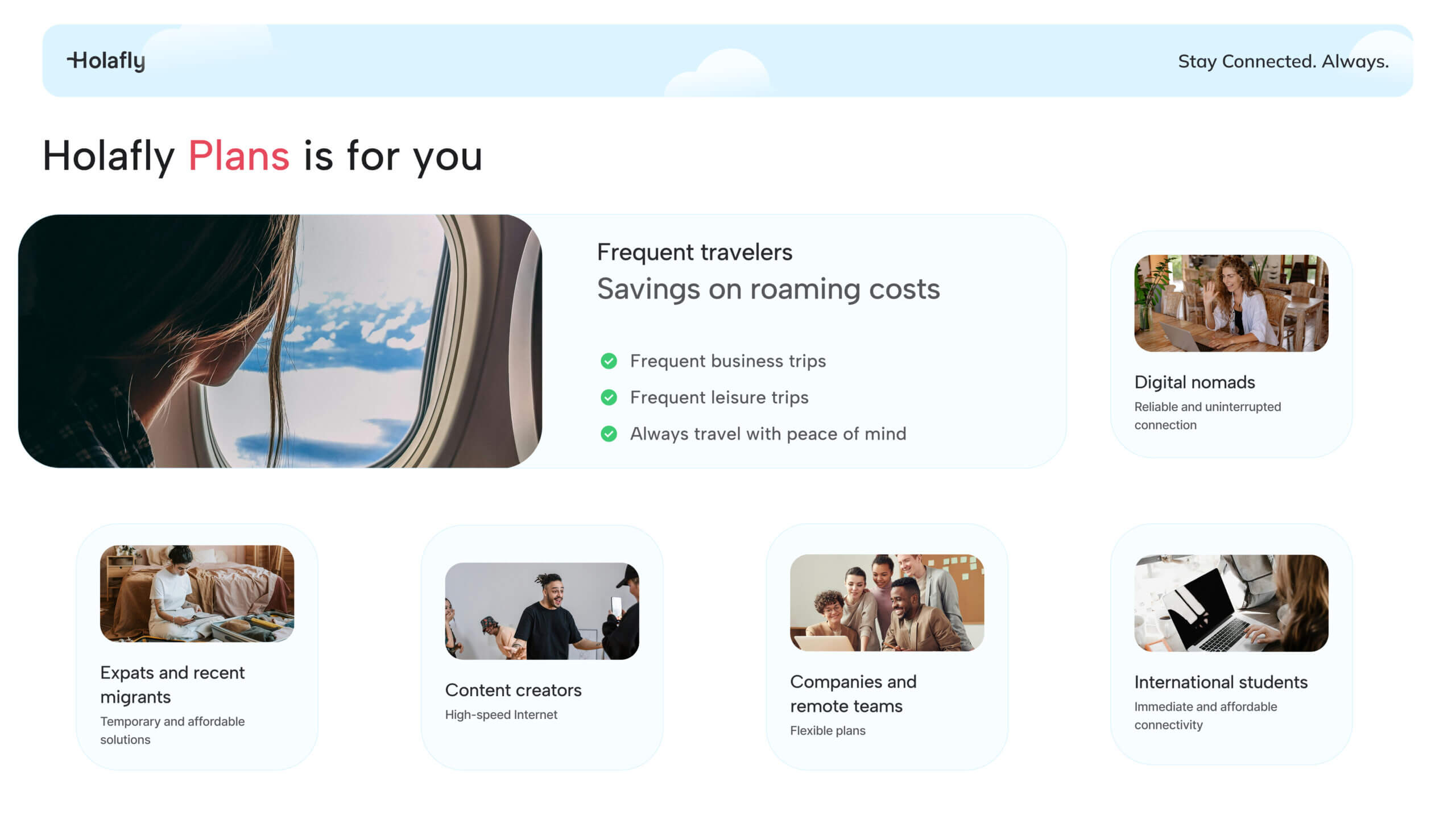
For the remote workforce, connectivity is a utility as vital as electricity. The ability to tether a laptop in a rural village in Madagascar or a cafe in Thailand with the same ease as a home office in New York is a game-changer. It effectively erases the "connectivity barrier" that has historically limited where nomads can choose to live and work.
3. A Shift in Consumer Behavior
Consumers are becoming accustomed to the "Netflix-ification" of services. Just as we moved from buying DVDs to paying for a streaming subscription, we are moving from buying individual data buckets to paying for a global, persistent data connection. This creates a more predictable budget for travelers, as they no longer have to factor in fluctuating roaming costs.
4. Hardware Evolution
As more users adopt multi-eSIM setups (some travelers now hold 10+ profiles on a single device), smartphone manufacturers will likely continue to optimize their hardware for seamless eSIM switching. This will further reduce the reliance on physical SIM trays, perhaps leading to the eventual total removal of SIM ports in future global smartphone models.
Final Thoughts
Holafly Plans are not merely a new product; they are a response to the changing landscape of global movement. For the average two-week vacationer, a single-trip eSIM remains the most cost-effective path. But for the digital nomad, the frequent business traveler, and the long-term explorer, the subscription model offers an unparalleled level of convenience and cost-efficiency.
By centralizing the chaotic world of international roaming into a single, reliable, and unlimited digital subscription, Holafly has effectively solved one of the most persistent annoyances of modern travel. In an era where being "offline" can mean losing money, missing opportunities, or simply being unable to navigate a new city, this kind of frictionless, global connectivity is no longer a luxury—it is an essential tool for the modern world.